

 Ver en contexto
 Enviar
 Compartir
 Detalles

 Descargar
 Similares
 Radiografía
 Presentación de diapositivas
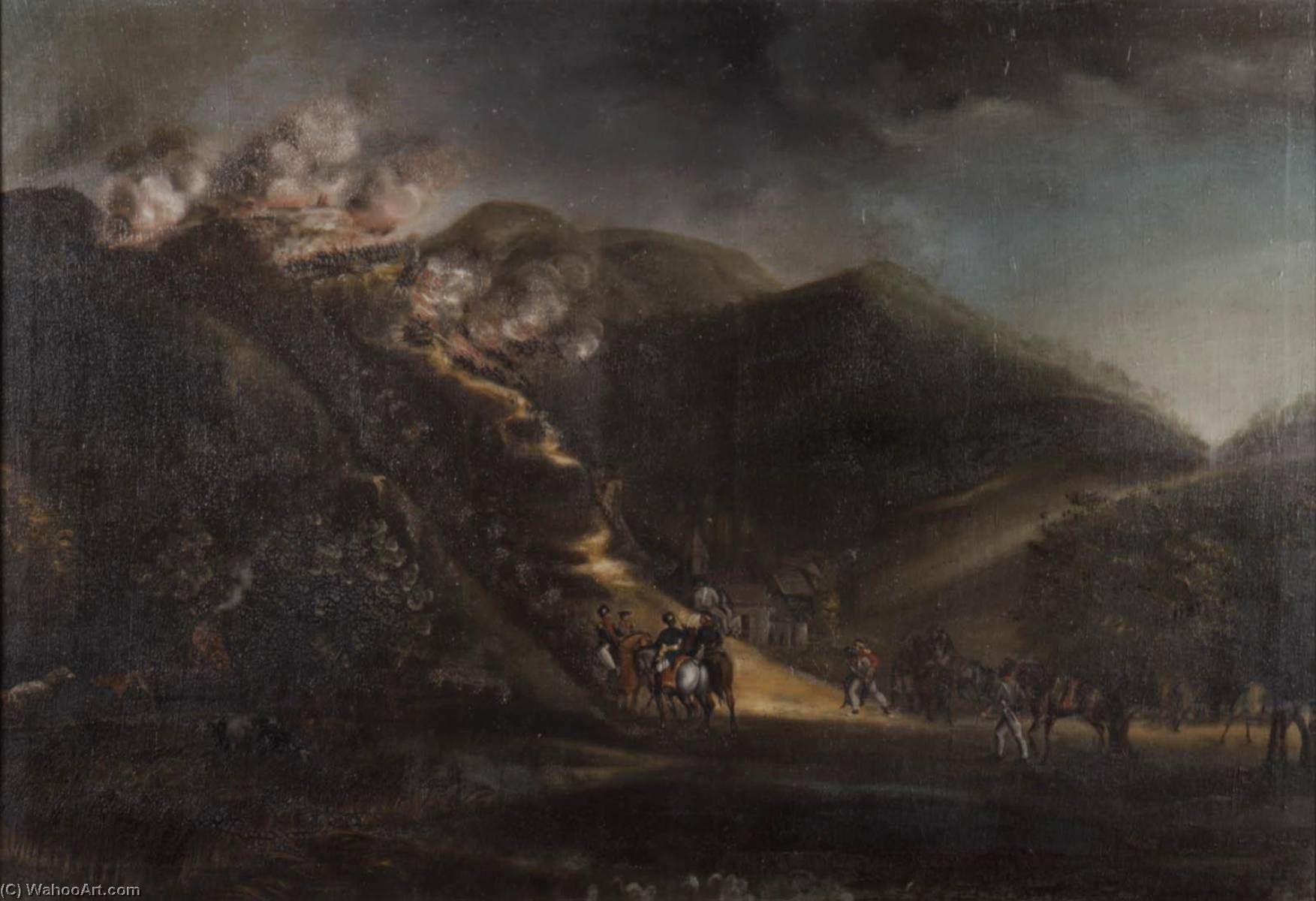
Untitled (AQTTHT)

 Ver más
Reproducción al óleo hecha a mano
Óleo sobre lienzo pintado a mano en el tamaño y marco de su elección, realizado por encargo por nuestros artistas. ( Comprar impresión Comprar imagen)




































Elija entre nuestros tamaños predefinidos que respetan las proporciones originales de la obra.

Puede ingresar sus propias dimensiones para adaptarse a un marco o espacio específico. Si el tamaño seleccionado no coincide con las proporciones de la imagen original, recortaremos la obra o extenderemos la pintura con elementos adicionales pintados a mano. Se le enviará una maqueta digital para su aprobación antes de comenzar la producción.
Tenga en cuenta que la vista previa en pantalla no refleja el recorte o la extensión reales. Solo la maqueta mostrará con precisión la composición final.
Si bien existen tamaños personalizados, recomendamos seleccionar una dimensión de la lista predefinida para preservar las proporciones originales.
Tras realizar el pedido, el equipo de ArtsDot.com enviará un correo electrónico al cliente para solicitar instrucciones y proporcionarle una vista previa del boceto.
Envío a todo el mundo () en 3-4 semanas en lugar de las 5 semanas estándar. (2 septiembre). Sin comprometer la calidad.

Envío exprés gratuito a todo el mundo

Lienzo de lino de alta calidad

Seguro de envío total

Garantía de reembolso de impuestos aduaneros

Garantía de fidelidad cromática exacta

Política de devolución de 60 días (solo por defectos)

Garantía de devolución del 100% del dinero

Descuento por cantidad
 La opción de vidrio solo está disponible en tamaños inferiores a 110 cm.

Untitled (AQTTHT)
Técnica de reproducción
Dimensiones de la reproducción
-


Precio total final
$ 263
Obras relacionadas





Biografía del artista
José María Espinosa Prieto: A Pioneer of Spanish Romantic Landscape Painting
José María Espinosa Prieto (1796 – 1883) stands as a pivotal figure in the landscape painting tradition of Spain during the Romantic era. Born into a noble family in León, Spain, Espinosa’s artistic journey began early, nurtured by familial encouragement and exposure to intellectual circles that championed the burgeoning movement for national identity. Unlike many artists of his time who focused on portraiture or mythological subjects, Espinosa dedicated himself primarily to capturing the grandeur and drama of the Spanish countryside—a conscious decision reflecting the Romantic preoccupation with emotion, imagination, and the sublime beauty of nature.- Early Influences: Espinosa’s formative years coincided with a period of intense artistic ferment in Europe, particularly influenced by Eugène Delacroix and Friedrich Wilhelm Theodor Lessing. These masters championed expressive brushwork and dramatic compositions—principles that profoundly shaped Espinosa's stylistic approach.
- Formal Training & Artistic Development: He pursued formal training at the Escuela Superior de Bellas Artes de San Fernando in Madrid, where he honed his technical skills and absorbed the prevailing academic conventions. However, Espinosa swiftly rejected these rigid standards, prioritizing a looser, more spontaneous style that prioritized capturing fleeting moments of atmospheric grandeur.
Notable Works & Artistic Style
Espinosa’s oeuvre comprises approximately 150 paintings—primarily landscapes executed in oil on canvas—that showcase his remarkable ability to convey emotion and evoke the spirit of Spain's mountainous regions. His canvases are characterized by bold color palettes, dynamic brushstrokes, and a masterful use of chiaroscuro (light and shadow) techniques. He skillfully employed atmospheric perspective – blurring distant objects to create depth and illusion – effectively conveying the vastness and majesty of the Spanish landscape. Recurring motifs include dramatic sunsets, turbulent rivers, and expansive vistas populated with shepherds and livestock—subjects that resonated deeply with Romantic sensibilities.- “León Ortiz” (1850): This monumental painting exemplifies Espinosa’s signature style. Depicting a horseman in regal attire against the backdrop of León’s rugged terrain, “León Ortiz” is celebrated for its luminous color harmonies and expressive brushwork. It embodies the Romantic ideal of portraying idealized beauty—a testament to Espinosa's artistic vision.
- “Action on the Plains of Santa Lucía” (1862): Another significant work showcases Espinosa’s ability to depict turbulent action within a landscape setting. The painting captures a spirited equestrian scene amidst rolling hills, demonstrating Espinosa’s command of compositional dynamism and tonal gradation.
Historical Significance & Legacy
Espinosa Prieto's contribution to Spanish Romantic art extends beyond mere stylistic innovation; he championed the depiction of Spain’s natural heritage as a symbol of national identity. His paintings served as inspiration for subsequent generations of artists and solidified Espinosa’s place among the foremost landscape painters of his era. Furthermore, his work aligns with broader trends in European Romanticism—a movement that sought to elevate emotion and imagination above reason and formalism—establishing Espinosa Prieto as an enduring emblem of artistic idealism and Spanish cultural heritage.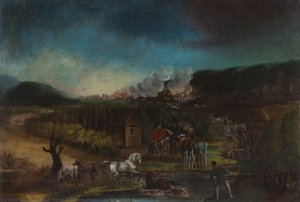
josé maría espinosa prieto
1796 - 1883
Datos clave
- Artistic Movement Or Style: Romanticism
- Artists Who Influenced This Artist:
- Gustave Courbet
- Jean-François Millet
- Date Of Death: 1883
- Full Name: José María Espinosa Prieto
- Nationality: Spanish
- Notable Artworks:
- León Ortiz
- Action on the Plains of Santa Lucía

