

 Ver en contexto
 Enviar
 Compartir
 Detalles

 Descargar
 Similares
 Radiografía
 Presentación de diapositivas
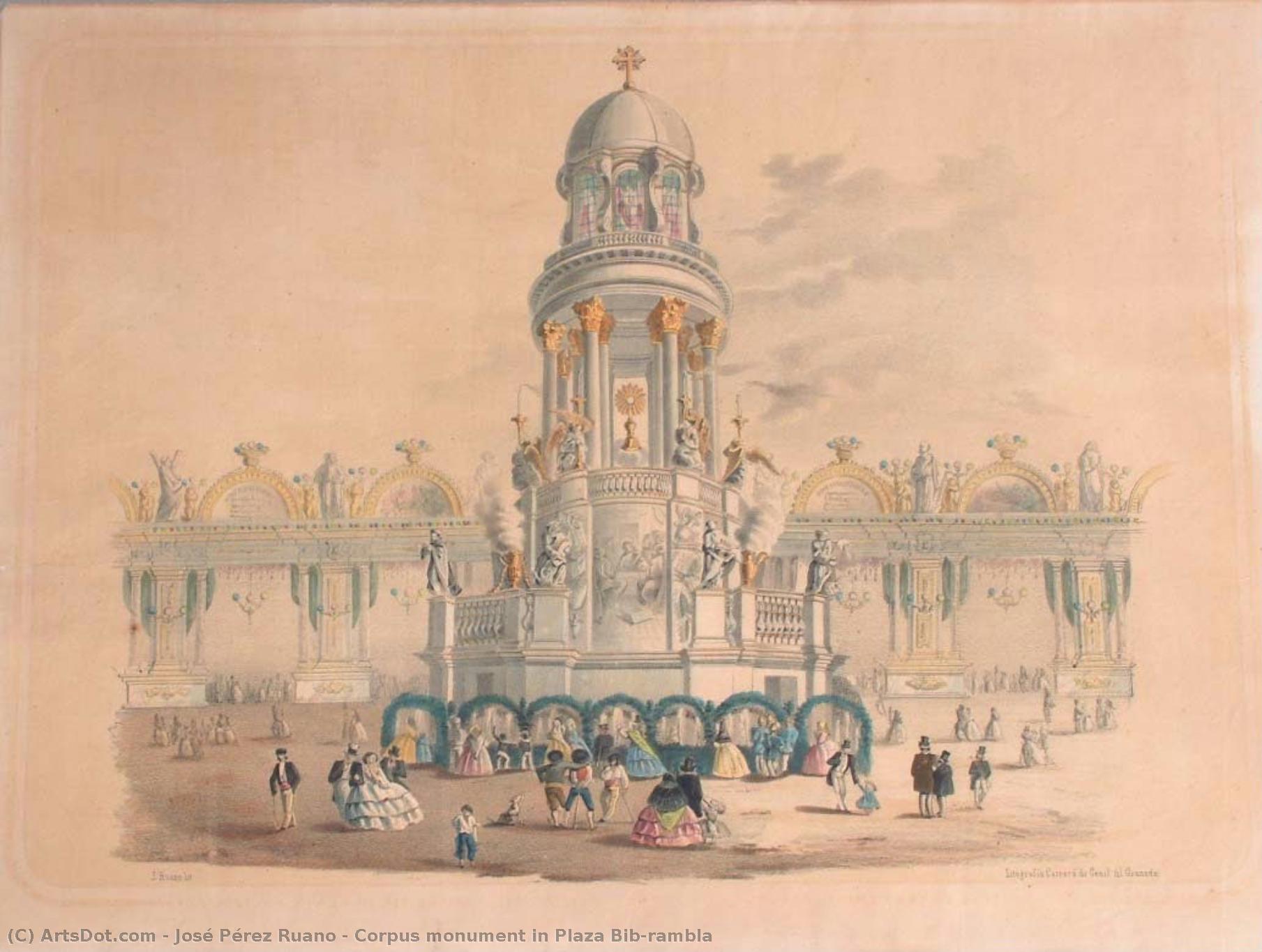
Corpus monument in Plaza Bib-rambla
 Trompe l'oeil
 1859
1859- 19th Century
 61.0 x 46.0 cm
 Museo Casa de los Tiros de Granada
 Ver más
Reproducción al óleo hecha a mano
Óleo sobre lienzo pintado a mano en el tamaño y marco de su elección, realizado por encargo por nuestros artistas. ( Comprar impresión Comprar imagen)




P118B $10

P118H $10

P118W $10

P438Z $10

P508JH $12

P508YH $12

P805H $10

P805Z $10

P919BZ $10

P919G $10

P919XJ $10

P959ZH $10

P968JZ $12

W106C $8

W218G $10

W218JH $8

W218Y $10

W307PJ $10

W316G $10

W316PJ $8

W316Y $10

W398PJ $8

W4111J $10

W500HY $15

W500JH $15

W692G $12

W849H $8

W940BG $15

W953PJ $8




Elija entre nuestros tamaños predefinidos que respetan las proporciones originales de la obra.

Puede ingresar sus propias dimensiones para adaptarse a un marco o espacio específico. Si el tamaño seleccionado no coincide con las proporciones de la imagen original, recortaremos la obra o extenderemos la pintura con elementos adicionales pintados a mano. Se le enviará una maqueta digital para su aprobación antes de comenzar la producción.
Tenga en cuenta que la vista previa en pantalla no refleja el recorte o la extensión reales. Solo la maqueta mostrará con precisión la composición final.
Si bien existen tamaños personalizados, recomendamos seleccionar una dimensión de la lista predefinida para preservar las proporciones originales.
Tras realizar el pedido, el equipo de ArtsDot.com enviará un correo electrónico al cliente para solicitar instrucciones y proporcionarle una vista previa del boceto.
Envío a todo el mundo () en 3-4 semanas en lugar de las 5 semanas estándar. (1 septiembre). Sin comprometer la calidad.

Envío exprés gratuito a todo el mundo

Lienzo de lino de alta calidad

Seguro de envío total

Garantía de reembolso de impuestos aduaneros

Garantía de fidelidad cromática exacta

Política de devolución de 60 días (solo por defectos)

Garantía de devolución del 100% del dinero

Descuento por cantidad
 La opción de vidrio solo está disponible en tamaños inferiores a 110 cm.

Corpus monument in Plaza Bib-rambla
Técnica de reproducción
Dimensiones de la reproducción
-


Precio total final
$ 263
A Window into the Soul of Córdoba
In the heart of a bustling cityscape, where history breathes through every stone and spire, lies the captivating essence of Corpus monument in Plaza Bib-rambla. This evocative painting serves as more than just a depiction of architecture; it is a temporal bridge that transports the viewer to the year 1859. The scene unfolds with a magnificent building dominating the canvas, its facade a complex tapestry of sculptural grandeur. As your eyes wander across the intricate clock tower, crowned by a solemn cross, you begin to feel the weight of time and the enduring spirit of Spanish heritage. The presence of angels and celestial figures adorning the architecture lends an ethereal quality to the structure, suggesting that even in the midst of daily human commerce, the divine remains ever-present.
The artist masterfully captures a moment of vibrant urban life, weaving together the monumental with the mundane. Amidst the architectural splendor, one finds the rhythmic pulse of the city: figures strolling through the plaza, people gathered in quiet conversation, and even the unexpected silhouette of a horse in the background. This interplay between the permanent, stone-carved monuments and the fleeting, transient movements of living beings creates a profound emotional resonance. It is a study in contrasts—the stillness of history versus the kinetic energy of the present—inviting collectors and art enthusiasts to contemplate their own place within the grand continuum of time.
Mastery of Illusion and Atmosphere
While the subject matter celebrates architectural triumph, the technical execution speaks to a deep understanding of light and atmosphere. The painting utilizes a rich, layered approach to texture, allowing the viewer to almost feel the weathered grain of the stone and the soft movement of the crowd. There is a subtle, luminous quality to the light that bathes the plaza, casting gentle shadows that define the depth of the building's many alcoves and statues. This careful manipulation of light does not merely illuminate the scene; it creates a mood of nostalgic reverence, making the 19th-century setting feel tangibly real.
For the discerning interior designer or art collector, this piece offers an unparalleled opportunity to introduce a sense of historical depth and narrative complexity into a space. The composition, characterized by its verticality and grand scale, acts as a focal point that commands attention without overwhelming its surroundings. Whether placed in a sophisticated gallery setting or used to anchor a classical living room, the artwork provides a sophisticated dialogue between the modern environment and the storied past. It is an investment in beauty, a piece that promises to spark conversation and provide a window into a world of architectural elegance and timeless human connection.
Obras relacionadas
Biografía del artista
Introduction
José Pérez Ruano (1750-1810) was a Spanish artist born in Córdoba, Spain. He died in 1810, leaving behind a legacy in the genre of trampantojo or engañifa, particularly in the creation of ‘mesas de papeles revueltos’ (tables with messy papers). His expertise in this area earned him an important prize in a Barcelona exhibition for one of his ‘mesas de papeles revueltos’. Four of his works in this genre have been acquired by the junta de Andalucía for the Museo Nacional de Bellas Artes de Córdoba. He stands as a singular figure within 18th-century Spanish art, embodying innovation and meticulous craftsmanship.Artistic Style and Contributions
Pérez Ruano’s artistic style is fundamentally rooted in *trompe l'oeil*, or engañifa—a technique that deliberately deceives the eye, creating illusions of depth and perspective where none exist. This masterful approach distinguishes him from his contemporaries and elevates his oeuvre to a level of sophistication rarely achieved during his time. The hallmark of his work is undoubtedly the ‘mesa de papeles revueltos,’ which translates to “table with messy papers.” These canvases depict seemingly disordered surfaces populated by objects—pens, inkwells, crumpled sheets of paper—rendered with astonishing realism. Pérez Ruano’s skill lies not merely in accurate depiction but in manipulating visual perception itself, prompting viewers to question what they see and appreciating the artistry involved.Notable Works and Exhibitions
Among his most celebrated creations are the aforementioned ‘mesas de papeles revueltos,’ which garnered considerable acclaim during exhibitions held throughout Spain. Notably, four of these pieces were purchased by the Junta de Andalucía for display at Córdoba’s Museo Nacional de Bellas Artes, cementing his reputation as a master of illusionistic art and securing his place in the annals of Spanish artistic history. His work was showcased prominently at the José Pérez Ruano exhibition on ArtsDot.com, allowing enthusiasts to experience firsthand the captivating power of his technique.Influences and Development
While precise biographical details remain scarce, Pérez Ruano’s artistic vision undoubtedly drew inspiration from the Baroque tradition prevalent in Spain during his formative years. The dramatic chiaroscuro employed by artists like El Greco—a stylistic hallmark characterized by stark contrasts between light and dark—served as a crucial influence on Pérez Ruano's palette and compositional choices. Furthermore, he absorbed elements of Flemish painting, particularly its meticulous attention to detail and mastery of perspective, enriching his artistic toolkit.Historical Significance
José Pérez Ruano’s contribution to Spanish art is significant not only for his innovative use of *trompe l'*oeil* but also for establishing Córdoba as a center for illusionistic painting during the Enlightenment era. His prize at the Barcelona exhibition underscored the recognition accorded to his exceptional talent and solidified his legacy as a pioneer in visual deception—a technique that continues to fascinate art historians and collectors today. He remains an enduring symbol of artistic ingenuity and a testament to the transformative potential of challenging conventional perceptions.
José Pérez Ruano
1750 - 1810 , España
Datos clave
- Artistic Movement Or Style: *Trompe l'*oeil / Engañifa
- Date Of Birth: 1750 Córdoba, España
- Date Of Death: 1810
- Full Name: José Pérez Ruano
- Nationality: Español
- Notable Artworks: ['Tabla con papeles revueltos']
- Place Of Birth: Córdoba
Artículos relacionados
La Presencia Imponente: Integración Arquitectónica y Estrategias de Proporción para Reproducciones Artísticas Monumentales en Interiores de Lujo
Descubra cómo integrar reproducciones artísticas monumentales en su hogar de lujo. Asesoramiento experto, calidad garantizada y soluciones personalizadas para transformar sus espacios con arte impactante.
Salvador Dalí: Las 25 Obras Maestras del Genio Surrealista | ArtsDot
Descubre las 25 obras maestras de Salvador Dalí, el genio del surrealismo. Explora su arte onírico, técnicas innovadoras y simbolismo único. Reproducciones de alta calidad para decorar tu hogar con estilo en ArtsDot.com.
Hippolyte Delaroche: History Painting & the Spectacle of a Vanished Past
Explore the captivating historical paintings of Hippolyte Delaroche, a master of Romantic realism. Discover his dramatic scenes, meticulous detail & lasting influence on 19th-century art. Learn more at ArtsDot.

Jacopo Tintoretto: Las 25 Obras Maestras del Genio Veneciano | Arte y Decoración en ArtsDot
Descubre las 25 obras maestras de Jacopo Tintoretto, el genio veneciano del Renacimiento. Explora su arte dramático, composiciones innovadoras y paleta vibrante. Reproducciones de alta calidad en ArtsDot.com para transformar tu hogar.
Emblems of Belonging: Exploring Civic Pride Through Historical & Contemporary Artworks
Explore the evolution of civic art & its powerful role in shaping national identity. From Rembrandt to Monet, discover how masterpieces reflect community values and historical narratives. Learn more at ArtsDot.

