

 Ver en contexto
 Enviar
 Compartir
 Detalles

 Descargar
 Similares
 Radiografía
 Presentación de diapositivas
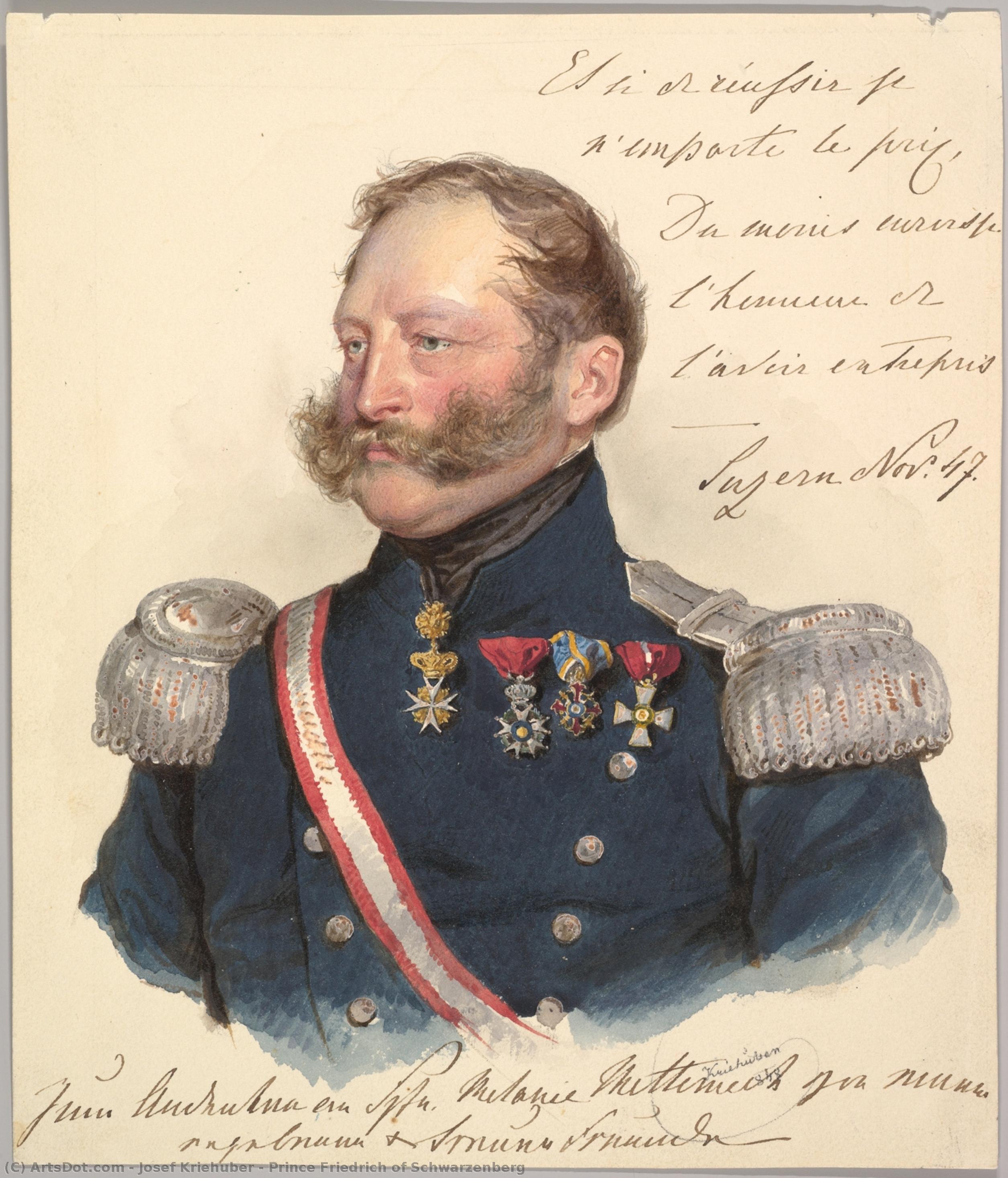
Prince Friedrich of Schwarzenberg


 Ver más
Reproducción al óleo hecha a mano
Óleo sobre lienzo pintado a mano en el tamaño y marco de su elección, realizado por encargo por nuestros artistas. ( Comprar impresión Comprar imagen)




P118B $10

P118H $10

P118W $10

P438Z $10

P508JH $12

P508YH $12

P805H $10

P805Z $10

P919BZ $10

P919G $10

P919XJ $10

P959ZH $10

P968JZ $12

W106C $8

W218G $10

W218JH $8

W218Y $10

W307PJ $10

W316G $10

W316PJ $8

W316Y $10

W398PJ $8

W4111J $10

W500HY $15

W500JH $15

W692G $12

W849H $8

W940BG $15

W953PJ $8




Elija entre nuestros tamaños predefinidos que respetan las proporciones originales de la obra.

Puede ingresar sus propias dimensiones para adaptarse a un marco o espacio específico. Si el tamaño seleccionado no coincide con las proporciones de la imagen original, recortaremos la obra o extenderemos la pintura con elementos adicionales pintados a mano. Se le enviará una maqueta digital para su aprobación antes de comenzar la producción.
Tenga en cuenta que la vista previa en pantalla no refleja el recorte o la extensión reales. Solo la maqueta mostrará con precisión la composición final.
Si bien existen tamaños personalizados, recomendamos seleccionar una dimensión de la lista predefinida para preservar las proporciones originales.
Tras realizar el pedido, el equipo de ArtsDot.com enviará un correo electrónico al cliente para solicitar instrucciones y proporcionarle una vista previa del boceto.
Envío a todo el mundo () en 3-4 semanas en lugar de las 5 semanas estándar. (24 agosto). Sin comprometer la calidad.

Envío exprés gratuito a todo el mundo

Lienzo de lino de alta calidad

Seguro de envío total

Garantía de reembolso de impuestos aduaneros

Garantía de fidelidad cromática exacta

Política de devolución de 60 días (solo por defectos)

Garantía de devolución del 100% del dinero

Descuento por cantidad
 La opción de vidrio solo está disponible en tamaños inferiores a 110 cm.

Prince Friedrich of Schwarzenberg
Técnica de reproducción
Dimensiones de la reproducción
-


Precio total final
$ 263
Descripción de la obra
A Glimpse into Mid-Nineteenth Century Authority
This striking portrait captures Prince Friedrich of Schwarzenberg in the charged atmosphere of 1847. The subject is presented not merely as an individual, but as an embodiment of military bearing and societal importance during a pivotal era in European history. Clad in the formal accoutrements of his station—the crisp lines of his uniform, the authoritative gleam of the sword held at hand—he commands attention. The monochrome quality of the piece lends it an immediate sense of antiquity, drawing the viewer into a moment suspended between duty and destiny.
The Artistry of Josef Kriehuber
The hand that rendered this vision belongs to Josef Kriehuber, an artist whose genius lay in chronicling the texture of Viennese life. While many artists sought the sublime or the mythological, Kriehuber possessed a remarkable gift for capturing the essence of everyday status and personality. His mastery, particularly evident in his work from this period, speaks to a dedication to visual record-keeping. Although the original medium may have been lithography—a technique that allowed such detailed portraiture to reach a broader public—the reproduction itself allows us to appreciate the careful rendering of texture, from the fabric of the uniform to the subtle contours of the subject's beard and mustache.
Symbolism of Command and Intellect
Observe the background details; the visible writing upon the wall serves as more than mere decoration. It suggests a context of governance, strategy, or perhaps even academic pursuit related to his military duties. The sword is the most overt symbol of martial power, yet it is balanced by the intellectual weight suggested by the script behind him. This duality—the warrior tempered by knowledge—is central to the portrait's emotional resonance. It speaks to a man whose authority stems not just from rank, but from understanding and intellect.
Integrating History into Modern Spaces
For the discerning collector or designer, this piece offers an unparalleled opportunity to infuse a space with historical gravitas. Reproducing such a work allows one to curate an environment that feels both richly storied and impeccably styled. Imagine this portrait anchoring a library, a formal study, or a grand hall; it whispers tales of 19th-century European aristocracy while maintaining a timeless aesthetic appeal. It is more than decoration; it is a conversation piece about the enduring nature of power, duty, and artistic documentation.
Obras relacionadas
Biografía del artista
Josef Kriehuber: Un Maestro de la Litografía Austriaca
Primeros Años y Educación
Josef Kriehuber (14 de diciembre de 1800 – 30 de mayo de 1876) nació en Viena, Austria. Demostró talento artístico desde temprana edad, lo que le llevó a buscar formación formal. Si bien los detalles específicos de su educación inicial son algo escasos, rápidamente se estableció como un habilidoso dibujante y litógrafo.
Desarrollo Artístico y Estilo
El desarrollo artístico de Kriehuber estuvo profundamente arraigado en el período Biedermeier. Esta época (aproximadamente entre 1815 y 1848) enfatizaba la simplicidad, la domesticidad y un enfoque en la vida cotidiana – temas que se convertirían en centrales en su obra. Inicialmente se centró en la litografía de paisajes pero pronto ganó fama por su excepcional habilidad en el retrato. Su estilo se caracteriza por el detalle meticuloso, la precisión y una notable capacidad para capturar la semejanza y la personalidad de sus sujetos.
Un Retratista Prolífico
Kriehuber se convirtió en un artista retratista excepcionalmente prolífico, creando más de 3000 litografías a lo largo de su carrera. Atendía a una amplia clientela, que incluía miembros de la nobleza, personalidades destacadas y funcionarios gubernamentales. Sus retratos eran muy solicitados por su realismo y representaciones favorecedoras. Él no se limitaba a reproducir las apariencias; transmitía un sentido de carácter y estatus social en cada retrato.
Más Allá de los Retratos: Estudios de Viena
Si bien es mejor conocido por sus retratos, Kriehuber también dedicó mucho tiempo a documentar la ciudad de Viena. Creó numerosas litografías que representaban escenas del Prater, un popular área recreativa. Estos estudios ofrecen valiosos conocimientos sobre la vida y la cultura vienenses durante el siglo XIX.
Influencias y Legado
Las influencias en su obra son algo difíciles de señalar con precisión. Sin embargo, su dedicación al realismo se alinea con las tendencias artísticas más amplias de la época. Fue un contemporáneo de otros artistas retratistas pero se distinguió por el volumen y la consistencia de su producción. Su legado radica en proporcionar un valioso registro visual de la sociedad central europea del siglo XIX.
Logros y Reconocimientos Principales
- Creó más de 3000 retratos litográficos
- Documentó la vida vienense a través de estudios del Prater
- Alcanzó un reconocimiento generalizado entre la nobleza y los funcionarios austriacos
- Sirvió como profesor en la Academia Theresianum de Viena, influyendo en las generaciones futuras de artistas.
Significado Histórico
La obra de Josef Kriehuber tiene un significado histórico importante. Sus retratos ofrecen una visión de las vidas de figuras prominentes durante un período de cambios sociales y políticos en Austria. Sus litografías sirven como fuentes primarias importantes para comprender la cultura, la moda y la sociedad vienenses del siglo XIX. Él sigue siendo una figura notable en la historia del arte austríaco, celebrado por su habilidad técnica y su dedicación a capturar la esencia de sus sujetos.
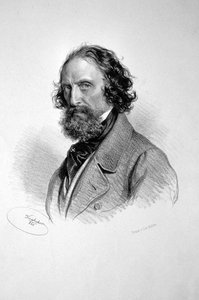
Josef Kriehuber
1800 - 1876 , Austria
Datos clave
- Artistic Movement Or Style: Realism
- Date Of Birth: 1800-12-14
- Date Of Death: 1876-05-30
- Full Name: Josef Nikolaus Kriehuber
- Nationality: Austrian
- Notable Artworks:
- Self-Portrait
- Prater scenes
- Princesses Elise & Fanny
- Place Of Birth: Vienna, Austria
Artículos relacionados
Josef Kriehuber: A Life Immersed in Viennese Topography – From Lithographic Precision to Romantic Observation
Explore the life and work of Josef Kriehuber, a master lithographer who captured 19th-century Vienna. Discover his portraits of nobility, landscapes, & artistic techniques. A guide for collectors & art enthusiasts.
The Enduring Legacy of Formal Portraiture: Power, Identity & Artistic Exploration
Explore the rich history of formal portraiture & its enduring power to capture identity and shape perception. Discover investment-worthy artworks, expert appraisals, and custom reproduction services at ArtsDot.
Litografía: Un Recorrido Histórico por su Técnica, Expresión Artística y Legado Duradero
Descubre la fascinante historia de la litografía: desde sus orígenes revolucionarios hasta su legado artístico actual. Explora técnicas, maestros y el impacto duradero de este arte gráfico único.
Biedermeier: Intimidad y Sociedad en la Europa de la Restauración – Un Análisis Estético y Cultural
Explora el Biedermeier: un análisis profundo de este movimiento artístico y cultural surgido en la Europa de la Restauración. Descubre su estética, temas y legado con ArtsDot.
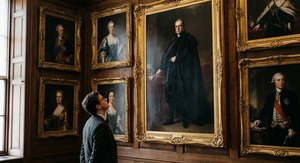
The Grandeur of Presence: Exploring Representations of Stately Bearing in Western Portraiture
Explore the art of stately bearing in Western portraiture with expert analysis of Renaissance & Baroque masterpieces. Discover symbolism, techniques, and the legacy of iconic portraits – a guide for discerning collectors.

