

 Ver en contexto
 Enviar
 Compartir
 Detalles

 Descargar
 Similares
 Radiografía
 Presentación de diapositivas
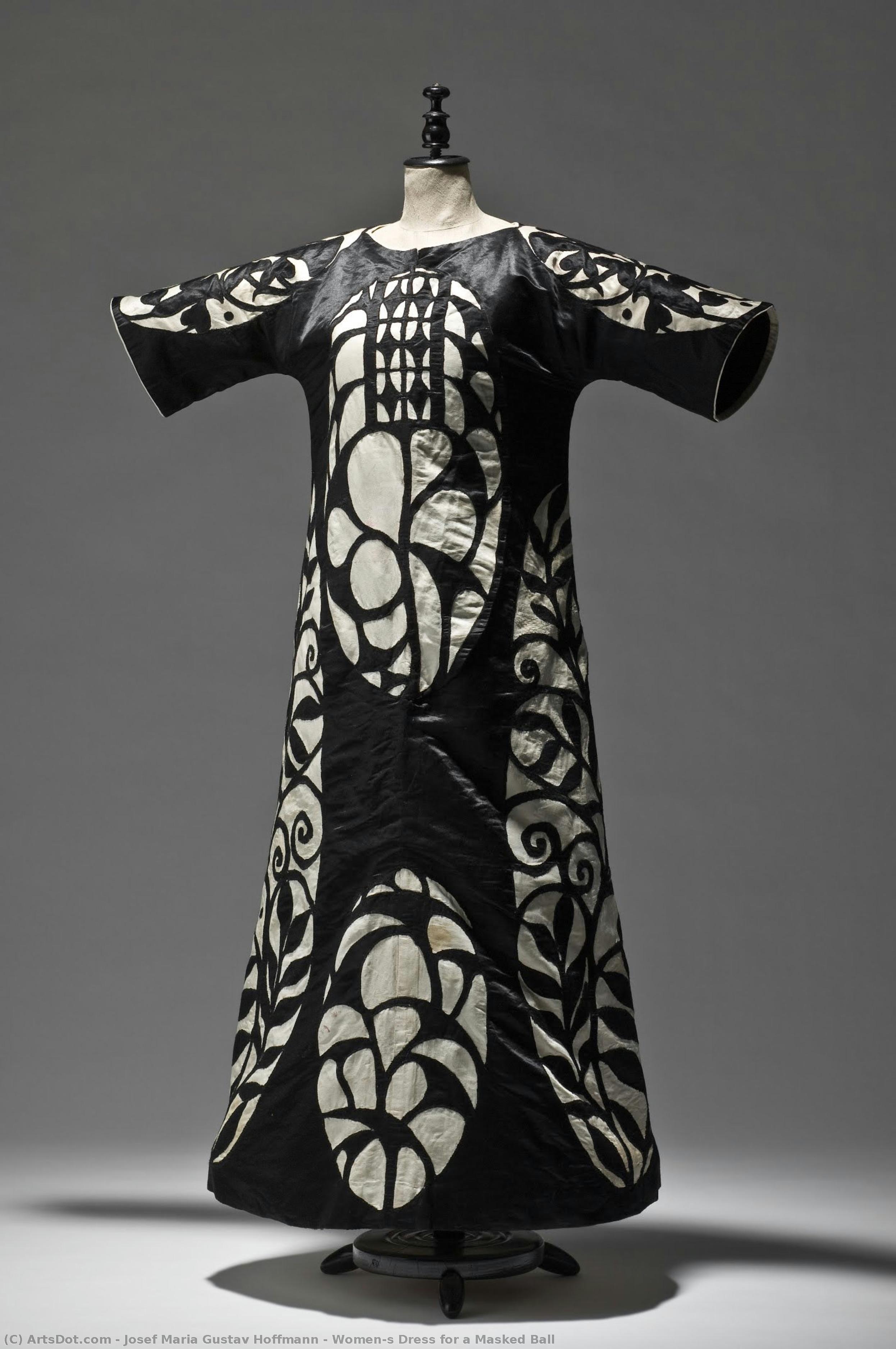
Women’s Dress for a Masked Ball


 Ver más
Reproducción al óleo hecha a mano
Óleo sobre lienzo pintado a mano en el tamaño y marco de su elección, realizado por encargo por nuestros artistas. ( Comprar impresión Comprar imagen)




P118B $10

P118H $10

P118W $10

P438Z $10

P508JH $12

P508YH $12

P805H $10

P805Z $10

P919BZ $10

P919G $10

P919XJ $10

P959ZH $10

P968JZ $12

W106C $8

W218G $10

W218JH $8

W218Y $10

W307PJ $10

W316G $10

W316PJ $8

W316Y $10

W398PJ $8

W4111J $10

W500HY $15

W500JH $15

W692G $12

W849H $8

W940BG $15

W953PJ $8




Elija entre nuestros tamaños predefinidos que respetan las proporciones originales de la obra.

Puede ingresar sus propias dimensiones para adaptarse a un marco o espacio específico. Si el tamaño seleccionado no coincide con las proporciones de la imagen original, recortaremos la obra o extenderemos la pintura con elementos adicionales pintados a mano. Se le enviará una maqueta digital para su aprobación antes de comenzar la producción.
Tenga en cuenta que la vista previa en pantalla no refleja el recorte o la extensión reales. Solo la maqueta mostrará con precisión la composición final.
Si bien existen tamaños personalizados, recomendamos seleccionar una dimensión de la lista predefinida para preservar las proporciones originales.
Tras realizar el pedido, el equipo de ArtsDot.com enviará un correo electrónico al cliente para solicitar instrucciones y proporcionarle una vista previa del boceto.
Envío a todo el mundo () en 3-4 semanas en lugar de las 5 semanas estándar. (25 agosto). Sin comprometer la calidad.

Envío exprés gratuito a todo el mundo

Lienzo de lino de alta calidad

Seguro de envío total

Garantía de reembolso de impuestos aduaneros

Garantía de fidelidad cromática exacta

Política de devolución de 60 días (solo por defectos)

Garantía de devolución del 100% del dinero

Descuento por cantidad
 La opción de vidrio solo está disponible en tamaños inferiores a 110 cm.

Women’s Dress for a Masked Ball
Técnica de reproducción
Dimensiones de la reproducción
-


Precio total final
$ 263
Descripción de la obra
Women’s Dress for a Masked Ball – Josef Hoffmann
The design of this dress stands as a testament to Josef Hoffmann’s visionary approach to art and architecture, firmly rooted in the Viennese Secession movement. Produced by the skilled dressmakers of the Wiener Werkstätte, it embodies the spirit of Art Nouveau—a reaction against academic conventions and an embrace of organic forms and flowing lines—while simultaneously reflecting the influence of Art Deco's geometric precision. Created around 1910 for Johanna Wittgenstein, a prominent patron of the arts in Vienna’s gilded age, this garment represents more than just fashion; it encapsulates a moment in time, capturing the elegance and sophistication of an era defined by artistic innovation.- Subject Matter: The dress itself is presented as its primary focus—a celebration of feminine beauty rendered through meticulous craftsmanship.
- Style: Hoffmann’s design leans heavily into Art Deco aesthetics, albeit filtered through the lyrical sensibilities of Art Nouveau. This fusion creates a striking visual harmony characterized by stylized floral motifs interwoven with geometric patterns.
- Technique: The dress was painstakingly executed using silk and cotton fabric, embellished with intricate embroidery—a technique that highlights the tactile qualities of the material and underscores Hoffmann’s commitment to artistic excellence.
- Historical Context: Vienna at the turn of the century was a crucible of artistic experimentation, fueled by intellectual currents like psychoanalysis and influenced by avant-garde movements across Europe. Hoffmann’s work reflects this dynamism—a desire to break free from tradition and forge new paths for artistic expression.
- Symbolism: The floral motifs serve as visual metaphors for beauty and refinement, aligning with the Wittgenstein family's appreciation for cultural pursuits. Simultaneously, the geometric swirls represent stability and order—contrasting elements that underscore the dress’s multifaceted significance.
Obras relacionadas
Biografía del artista
Josef Hoffmann fue un arquitecto y diseñador austro-moravo de gran relevancia histórica. Formó parte del grupo de fundadores de la Secesión de Viena y fue cofundador de la Wiener Werkstätte. Su obra arquitectónica más célebre es el Palacio Stoclet, en Bruselas (1905–1911), una pieza pionera de la arquitectura moderna y el Art Déco, que representa la cumbre del estilo de la Secesión de Viena.
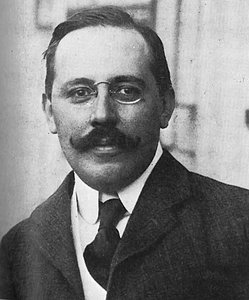
Josef Hoffmann
1870 - 1956 , Croacia
Artículos relacionados

La Edad Dorada Reinterpretada: Explorando los Principios Estéticos y el Legado Duradero del Art Déco
Descubre la elegancia atemporal del Art Déco. Explora su historia, características clave y artistas emblemáticos. Encuentra inspiración y obras exclusivas para decorar con estilo en ArtsDot.
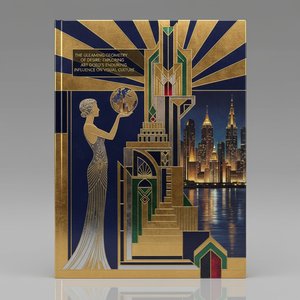
The Gleaming Geometry of Desire: Exploring Art Deco's Enduring Influence on Visual Culture
Explore the captivating world of Art Deco! Discover its history, key characteristics, enduring influence on design & collecting with expert insights from ArtsDot.com.

Koloman Moser: A Synthesis of Art Nouveau, Secessionism & the Gesamtkunstwerk Ideal
Explore the life & work of Koloman Moser, a pivotal figure in the Vienna Secession & Wiener Werkstätte. Discover his stunning graphic design, architecture, and applied arts – a true pioneer of Viennese Art Nouveau. Learn more at ArtsDot.

Crimson Threads of Narrative: Exploring Symbolism & Representation in Artworks Featuring the Red Dress
Explore the rich symbolism of the red dress in art history! From ancient power displays to iconic portraits like Cézanne’s 'Madame Cezanne', discover the cultural and artistic significance behind this captivating color. Expert analysis & insights.

The Gilded Age Revisited: Art Deco's Modernity & Luxury
Explore the captivating world of Art Deco paintings & the Gilded Age's enduring legacy. Discover iconic artists like Tamara de Lempicka & invest in museum-quality reproductions with ArtsDot.

