 Ver en contexto
 Enviar
 Compartir
 Detalles

 Descargar
 Similares
 Radiografía
 Presentación de diapositivas
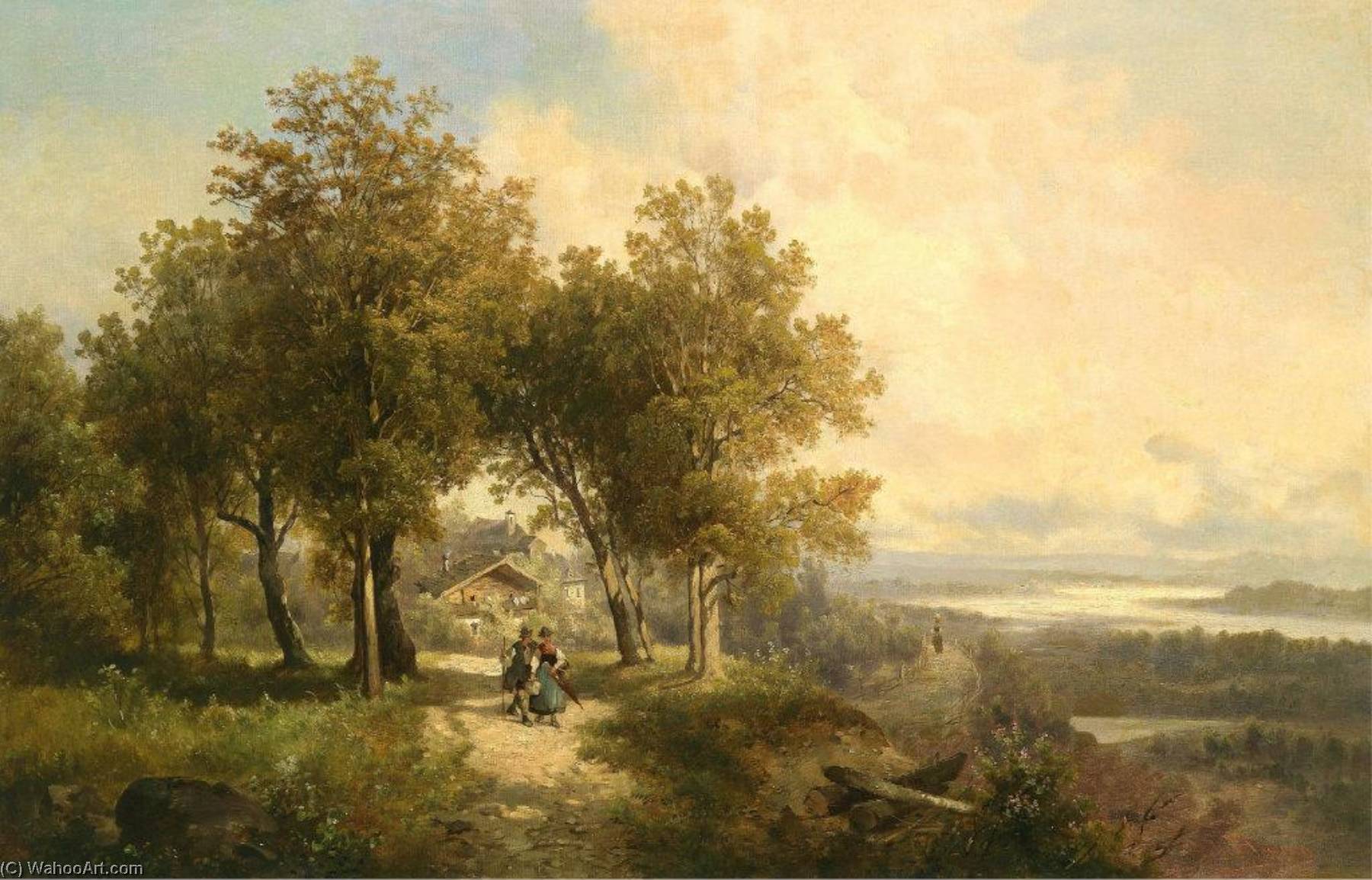
Paisaje a la Orilla del Inn

 Ver más
Reproducción al óleo hecha a mano
Óleo sobre lienzo pintado a mano en el tamaño y marco de su elección, realizado por encargo por nuestros artistas. ( Comprar impresión Comprar imagen)




































Elija entre nuestros tamaños predefinidos que respetan las proporciones originales de la obra.

Puede ingresar sus propias dimensiones para adaptarse a un marco o espacio específico. Si el tamaño seleccionado no coincide con las proporciones de la imagen original, recortaremos la obra o extenderemos la pintura con elementos adicionales pintados a mano. Se le enviará una maqueta digital para su aprobación antes de comenzar la producción.
Tenga en cuenta que la vista previa en pantalla no refleja el recorte o la extensión reales. Solo la maqueta mostrará con precisión la composición final.
Si bien existen tamaños personalizados, recomendamos seleccionar una dimensión de la lista predefinida para preservar las proporciones originales.
Tras realizar el pedido, el equipo de ArtsDot.com enviará un correo electrónico al cliente para solicitar instrucciones y proporcionarle una vista previa del boceto.
Envío a todo el mundo () en 3-4 semanas en lugar de las 5 semanas estándar. (24 agosto). Sin comprometer la calidad.

Envío exprés gratuito a todo el mundo

Lienzo de lino de alta calidad

Seguro de envío total

Garantía de reembolso de impuestos aduaneros

Garantía de fidelidad cromática exacta

Política de devolución de 60 días (solo por defectos)

Garantía de devolución del 100% del dinero

Descuento por cantidad
 La opción de vidrio solo está disponible en tamaños inferiores a 110 cm.

Paisaje a la Orilla del Inn
Técnica de reproducción
Dimensiones de la reproducción
-


Precio total final
$ 263
Descripción de la obra
Paisaje en la Orilla del Inn: Una Serena Mirada de la Austria del Siglo XIX
- Artista: Josef Thoma (1828-1899)
- Fecha: Desconocida
- Medio: Óleo sobre lienzo (asumido, basado en obras similares del artista)
Una Escena Pastoral de Tranquilidad
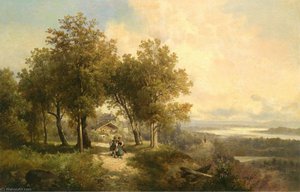
“Paisaje en la Orilla del Inn” de Josef Thoma ofrece una cautivadora mirada a la vida rural austriaca del siglo XIX. La pintura representa a dos figuras bajo el cobijo de los árboles, situadas cerca de las tranquilas aguas del río Inn. Una tercera figura es visible al fondo, añadiendo profundidad y sugiriendo una apreciación compartida por este idílico entorno. La composición enfatiza la armonía y el equilibrio; los árboles enmarcan la escena, guiando la mirada del espectador hacia la orilla del agua. La atmósfera general exhala serenidad e invita a la contemplación.
Estilo y Técnica: Influencias del Realismo y la Tradición Pastoral
Thoma fue una figura destacada en la pintura de paisajes austriaca, conocido por sus representaciones de escenas alpinas y la vida rural. Su estilo está arraigado en el realismo, pero infundido con una sensibilidad romántica característica del período. Demuestra una aguda observación de la naturaleza, capturando los sutiles matices de luz y sombra sobre el follaje y el agua. Si bien los detalles específicos sobre la técnica de Thoma son escasos, es probable que empleara métodos tradicionales de pintura al óleo, construyendo capas de pintura para lograr profundidad y textura. La influencia de Jean-François Millet, un pintor realista francés conocido por sus representaciones de la vida campesina, a menudo se señala en la obra de Thoma; ambos artistas compartían un interés en retratar la dignidad y la belleza de la existencia rural cotidiana.
Contexto Histórico: Austria en el Siglo XIX
La segunda mitad del siglo XIX fue un período de cambios sociales y políticos significativos en toda Europa, incluyendo Austria. La industrialización comenzó a transformar el paisaje, pero aún existía una fuerte apreciación cultural por la vida rural tradicional. Artistas como Thoma buscaron capturar este mundo desvaneciente, celebrando la belleza del campo y los placeres simples de la existencia rural. Sus pinturas reflejan un deseo de preservar una sensación de nostalgia por un pasado más agrario, incluso mientras Austria se modernizaba.
Impacto Emocional y Simbolismo
“Paisaje en la Orilla del Inn” evoca una sensación de paz y tranquila contemplación. La presencia de las figuras sugiere una conexión humana con la naturaleza, destacando el poder restaurador del mundo natural. El río mismo puede interpretarse como un símbolo del viaje de la vida, fluyendo constantemente hacia adelante. Los árboles representan estabilidad, refugio y fuerza duradera. Esta obra no es meramente una representación de un paisaje; es una invitación a pausar, reflexionar y apreciar la simple belleza que nos rodea.
Obras relacionadas
Biografía del artista
Josef Thoma: A Painter of Alpine Idols
Born in the heart of Austria’s Tyrolean Alps, Josef Thoma (1828-1899) emerged as a pivotal figure in 19th-century landscape painting. More than simply depicting scenic vistas, Thoma crafted immersive worlds—idyllic scenes brimming with rustic charm and imbued with a subtle, almost mystical quality. His work, deeply rooted in the Romantic tradition yet subtly anticipating Impressionism, offers a poignant glimpse into the evolving relationship between art, nature, and the human spirit. Thoma’s legacy rests not just on his technical skill but also on his ability to evoke a profound sense of peace and nostalgia for a vanishing rural world.
Early Life and Artistic Foundations
Josef Thoma was born in 1828 into a family with strong artistic connections. His father, a skilled woodcarver, instilled in him an appreciation for craftsmanship and the beauty of natural materials. While details about his early formal training are somewhat sparse, it’s believed he initially studied under local artists before pursuing further education at the Academy of Fine Arts in Munich. This period exposed him to the prevailing artistic trends of the time, including the influence of Romanticism—particularly the emphasis on dramatic landscapes and emotional expression—and the burgeoning interest in depicting everyday life. Crucially, Thoma’s early work demonstrates a fascination with the Alps, a region that would become the defining subject of his career.
The Influence of Millet and the Rise of Rustic Realism
Thoma's artistic trajectory was significantly shaped by Jean-François Millet, whose depictions of rural laborers resonated deeply with the artist. Millet’s focus on the dignity and hardship of peasant life—often rendered in a strikingly realistic manner—provided Thoma with a model for portraying the simple virtues of rural communities. However, unlike Millet's often stark social commentary, Thoma’s landscapes are characterized by an almost idealized serenity. He skillfully captured the golden light of the Alps, transforming ordinary scenes into moments of profound beauty and tranquility. His paintings frequently feature humble dwellings nestled amongst towering peaks, shepherds tending their flocks, and villagers engaged in everyday activities—all presented with a remarkable sensitivity to detail and color.
Technique and Style: Light, Color, and the Alpine Vision
Thoma’s technical mastery lies primarily in his ability to capture the ephemeral qualities of light and atmosphere. He meticulously observed how sunlight filtered through the mountain peaks, casting long shadows and creating a sense of depth and perspective. His palette is predominantly muted—a blend of browns, greens, and blues—that perfectly reflects the colors of the Alpine landscape. He employed a technique that can be described as “atmospheric,” prioritizing the suggestion of form over precise detail. This approach allowed him to create paintings that felt both realistic and dreamlike, evoking a sense of timelessness and serenity. The use of subtle gradations of color and carefully rendered textures—particularly in depicting the rough bark of trees or the weathered surfaces of buildings—contributed significantly to the tactile quality of his work.
Legacy and Historical Significance
Josef Thoma’s paintings represent a significant contribution to the development of landscape art in Austria. His focus on the Alpine region, combined with his masterful use of light and color, established him as one of the most celebrated artists of his time. While often compared to Millet, Thoma developed a distinctly individual style—one that captured the unique beauty and spirit of the Austrian Alps. His work continues to resonate today, offering viewers a poignant reminder of the enduring power of nature and the simple pleasures of rural life. His paintings are now housed in major museums across Europe, testament to his lasting artistic impact. Thoma’s legacy lies not only in his beautiful landscapes but also in his ability to evoke a profound sense of peace and nostalgia for a world that is rapidly disappearing.
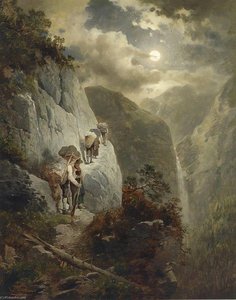
josef thoma
1828 - 1899
Datos clave
- Artistic Movement Or Style: Romantic Landscape
- Artists Or Movements Influenced By This Artist: ['Romanticism']
- Artists Who Influenced This Artist:
- Delacroix
- Friedrich
- Date Of Birth: 1828
- Date Of Death: 1899
- Full Name: Josef Thoma
- Nationality: Austrian
- Notable Artworks:
- Berglandschaft
- Gebirgslandschaft
- Jäger schießt Raubvogel
- Place Of Birth: Austria
Artículos relacionados
Idyllic Visions: Exploring the Pastoral Scene in Art History – From Arcadia to Modern Interpretations
Explore the captivating history of pastoral art from classical Arcadia to modern masterpieces. Discover key artists like Millet & Cole at ArtsDot. Find serene landscape paintings for your home.
Idyllic Visions: Exploring the Pastoral Tradition in Western Art – Themes, Techniques & Enduring Appeal
Explore the rich history of pastoral art from classical Arcadia to contemporary interpretations. Discover key artists, themes & collecting tips at ArtsDot.

John Constable: Las 25 Obras Maestras del Paisaje Inglés | ArtsDot
Descubre las 25 obras maestras de John Constable, el pintor romántico inglés que capturó la belleza del paisaje. Explora su técnica, historia y significado en ArtsDot.com. Reproducciones de arte de alta calidad para tu hogar.

Cultivating Visions: A Historical Journey Through Rural Landscapes in Art
Explore the rich history of rural landscape painting with ArtsDot. Discover Impressionist masterpieces, key artists & movements. Find your perfect serene artwork and bring nature's beauty home.
Evoking Arcadia: A Historical & Aesthetic Exploration of Rural Landscape Art
Explore the rich history of pastoral landscape art, from classical Arcadia to Impressionism & beyond. Discover key artists, movements, and how to collect serene rural scenes for your home. Expert insights at ArtsDot.