 Enviar
 Compartir
 Detalles

 Descargar
 Similares
 Presentación de diapositivas
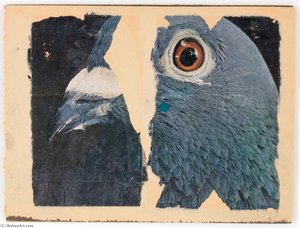
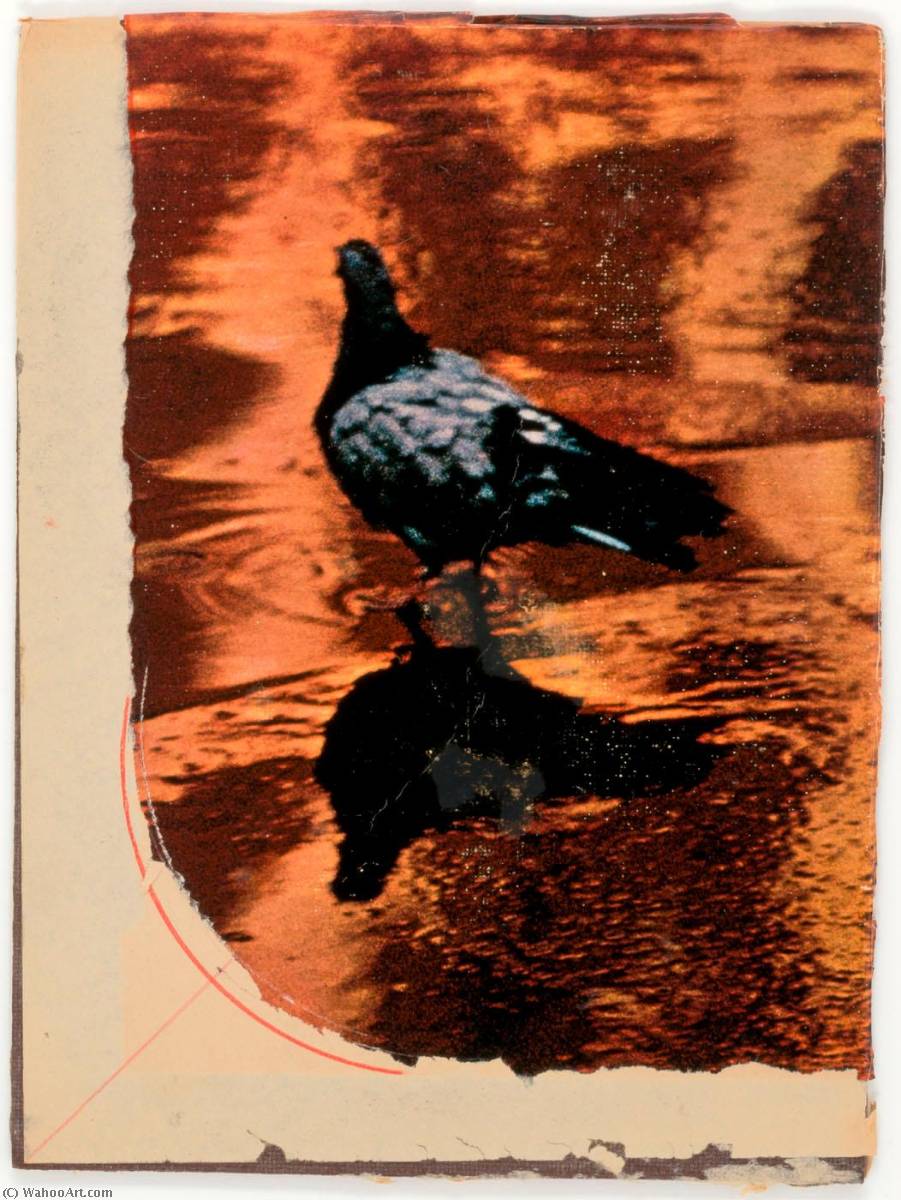
Untitled (photograph of pigeon reflected in water taken by Susan McCartney)
 Black and White Photography
- Photo
- Surrealism
 1972
1972- Modern
 23.0 x 18.0 cm
 Ver más
Reproducción al óleo hecha a mano
Óleo sobre lienzo pintado a mano en el tamaño y marco de su elección, realizado por encargo por nuestros artistas. ( Comprar impresión Comprar imagen)




































Elija entre nuestros tamaños predefinidos que respetan las proporciones originales de la obra.

Puede ingresar sus propias dimensiones para adaptarse a un marco o espacio específico. Si el tamaño seleccionado no coincide con las proporciones de la imagen original, recortaremos la obra o extenderemos la pintura con elementos adicionales pintados a mano. Se le enviará una maqueta digital para su aprobación antes de comenzar la producción.
Tenga en cuenta que la vista previa en pantalla no refleja el recorte o la extensión reales. Solo la maqueta mostrará con precisión la composición final.
Si bien existen tamaños personalizados, recomendamos seleccionar una dimensión de la lista predefinida para preservar las proporciones originales.
Tras realizar el pedido, el equipo de ArtsDot.com enviará un correo electrónico al cliente para solicitar instrucciones y proporcionarle una vista previa del boceto.
Envío a todo el mundo () en 3-4 semanas en lugar de las 5 semanas estándar. (26 agosto). Sin comprometer la calidad.

Envío exprés gratuito a todo el mundo

Lienzo de lino de alta calidad

Seguro de envío total

Garantía de reembolso de impuestos aduaneros

Garantía de fidelidad cromática exacta

Política de devolución de 60 días (solo por defectos)

Garantía de devolución del 100% del dinero

Descuento por cantidad
 La opción de vidrio solo está disponible en tamaños inferiores a 110 cm.

Untitled (photograph of pigeon reflected in water taken by Susan McCartney)
Técnica de reproducción
Dimensiones de la reproducción
-


Precio total final
$ 263
Descripción de la obra
A Moment of Stillness: The Poetic Vision of Joseph Cornell
In the quiet intersection of reality and reflection lies Untitled (photograph of pigeon reflected in water taken by Susan McCartney), a profound work from 1972 that captures the essence of introspection. Created by the American master of assemblage, Joseph Cornell, this piece transcends its modest dimensions of 23 x 18 cm to offer a window into a much larger, more contemplative universe. The artwork presents a stark, black and white photograph of a pigeon perched at the edge of a body of water, its gaze fixed intently upon its own mirrored image. Through this simple yet evocative composition, Cornell invites us to pause, stripping away the distractions of color to focus on the raw, monochromatic beauty of nature’s quietest moments.
The technique employed here is one of masterful restraint. By utilizing a black and white medium, the artist achieves a sense of timelessness that allows the textures of the rock, the ripples in the water, and the delicate feathers of the bird to emerge with striking clarity. The symmetry created by the reflection acts as a visual anchor, drawing the viewer’s eye toward the center of the frame where the physical world meets its liquid twin. This duality is central to Cornell's artistic language; he often sought to bridge the gap between the tangible object and the dreamlike realm of the imagination, using found imagery to construct much deeper emotional landscapes.
Symbolism and the Mirror of the Soul
Beyond its surface beauty, the piece serves as a powerful metaphor for the human condition. The pigeon, lost in the observation of its own reflection, becomes a symbol of self-reflection and introspection. In the context of Cornell’s broader body of work—often characterized by his enigmatic shadow boxes and surrealist-leaning collages—this photograph functions as a meditation on identity. As the bird gazes into the water, it confronts a version of itself that is both identical and subtly altered by the movement of the tide, mirroring the way our own identities are shaped by our internal thoughts and external perceptions.
For collectors and interior designers alike, this artwork offers a unique emotional resonance. It possesses a serene and calming aura, making it an ideal centerpiece for spaces designed for contemplation, such as a private study, a library, or a minimalist living area. The piece does not demand attention through loud colors or chaotic movement; instead, it commands respect through its profound stillness. Owning a high-quality reproduction of this work allows one to bring a sense of peace and intellectual depth into a modern home, serving as a constant reminder of the beauty found in quiet observation.
A Legacy of Found Wonders
Joseph Cornell’s contribution to American art remains unparalleled due to his ability to find the extraordinary within the ordinary. Though he was largely self-taught, his connection to the Surrealist movement allowed him to imbue everyday subjects—like a common pigeon or a simple photograph—with a sense of mystery and magic. This specific work, created toward the end of his life, showcases his enduring ability to manipulate scale and subject matter to evoke a sense of wonder. It stands as a testament to a career spent exploring the "worlds within worlds," making it an essential piece for any serious enthusiast of 20th-century American assemblage and photography.
Obras relacionadas
Biografía del artista
Primeros años e influencias
Joseph Cornell, un artista y cineasta estadounidense, nació el 24 de diciembre de 1903 en Nyack, Nueva York. Su vida estuvo marcada por una mezcla única de innovación artística y reclusión personal. Las primeras influencias de Cornell se arraigaron en el movimiento surrealista, que moldeó significativamente su enfoque del arte de ensamblaje.Estilo artístico y ensamblaje
El estilo artístico de Cornell se caracterizó por el uso de artefactos descartados, que transformaba en intrincados ensamblajes tridimensionales. Este artista autodidacta desarrolló un método distintivo que combinaba elementos de collage y cinematografía, lo que le valió reconocimiento como pionero en el movimiento experimental de cine de vanguardia.- Caja con motivo geográfico (1940), una de sus obras notables, muestra su enfoque innovador del ensamblaje.
- Su colaboración con cineastas como Rudy Burckhardt, Stan Brakhage y Larry Jordan solidificó aún más su influencia en la esfera del cine experimental.
Vida personal y años posteriores
La vida de Cornell estuvo marcada por un profundo sentido de responsabilidad familiar, particularmente hacia su hermano menor Robert, quien sufría parálisis cerebral. Esta dedicación, junto con su naturaleza introvertida, limitó sus relaciones personales y viajes. Sin embargo, su relación platónica con Yayoi Kusama, una artista japonesa, fue una excepción notable. Obras notables y legado El legado de Cornell se preserva a través de su extensa obra, que ahora forma parte de varias colecciones de museos, incluido el Museo de Arte Moderno (MoMA) en Nueva York.Referencias y lecturas adicionales
- https://ArtsDot.com/@/joseph-cornell - Explore las obras de Cornell en ArtsDot.
- https://en.wikipedia.org/wiki/joseph_cornell - Lea más sobre la vida y las contribuciones artísticas de Joseph Cornell en Wikipedia.
Conclusión
Joseph Cornell, un artista estadounidense visionario, dejó una huella imborrable en el mundo del arte de ensamblaje y el cine experimental. Su enfoque único para transformar artefactos descartados en obras de arte intrincadas continúa inspirando a artistas y entusiastas del arte por igual.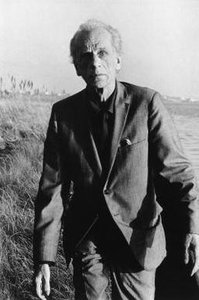
Joseph Cornell
1903 - 1972 , Estados Unidos de América
Datos clave
- Artistas Que Influyeron:
- Max Ernst
- René Magritte
- Kurt Schwitters
- Giorgio de Chirico
- Fecha De Fallecimiento: 29 de diciembre de 1972
- Fecha De Nacimiento: 24 de diciembre de 1903
- Influenciado A Artistas: ['Yayoi Kusama']
- Lugar De Nacimiento: Nyack, Estados Unidos
- Movimiento Artístico: Assemblage, Surrealismo
- Nacionalidad: Estadounidense
- Nombre Completo: Joseph Cornell
- Obras Notables:
- Caja Medici Slot Machine
- The Scho
- Aviarios
- Hotel
- Observatory
Artículos relacionados

Blanco Sublime: Los 10 Cuadros Más Famosos Dominados por la Luz y el Color
Descubre los 10 cuadros blancos más emblemáticos de la historia del arte. Explora Monet, Van Gogh y Klimt, y su magistral uso de la luz y el color. Encuentra reproducciones de alta calidad e inspírate para tu decoración en .

Monochrome Visions: Exploring the Aesthetic & Historical Significance of Black & White Photography
Explore the rich history & artistic power of black and white photography. From early techniques to iconic masters like Ansel Adams, discover why monochrome continues to captivate art lovers today. Expert insights for collectors.

Las 10 Pinturas Más Famosas Dominadas por el Negro | Arte y Decoración
Descubre las 10 pinturas más impactantes dominadas por el negro. Explora obras maestras de Rembrandt, Goya y Rothko, su historia y significado. Encuentra reproducciones de arte exclusivas para transformar tu hogar en .
Chromatic Absence: Exploring the Aesthetic Power of Black & White Art
Explore the captivating world of monochrome art! Discover its rich history, influential artists like Malevich & Klein, and profound emotional impact. Expert insights for collectors & design enthusiasts.
The Subtleties of White: Exploring Absence, Light & Symbolism in Art History
Explore the profound symbolism & history of white in art! From ancient purity to modern abstraction, discover how artists have used absence & light. Expert insights from ArtsDot.