

 Ver en contexto
 Enviar
 Compartir
 Detalles

 Descargar
 Similares
 Radiografía
 Presentación de diapositivas
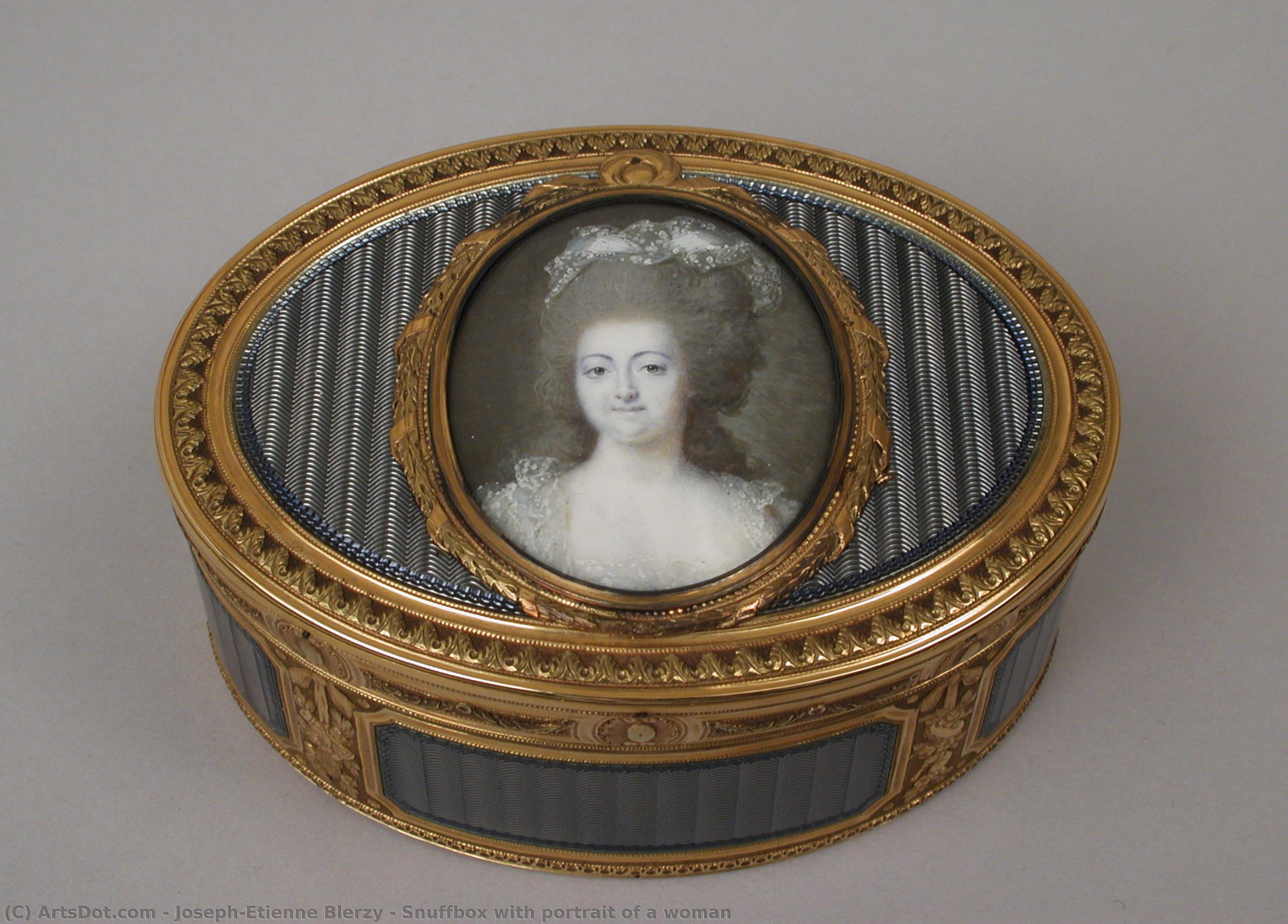
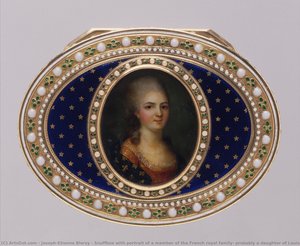
Snuffbox with portrait of a woman


 Ver más
Giclée / Impresión de arte
Impresiones giclée o en lienzo de calidad de museo con producción rápida y opciones de acabado flexibles. ( Comprar pintura hecha a mano Comprar imagen)




P118B $10

P118H $10

P118W $10

P438Z $10

P508JH $12

P508YH $12

P805H $10

P805Z $10

P919BZ $10

P919G $10

P919XJ $10

P959ZH $10

P968JZ $12

W106C $8

W218G $10

W218JH $8

W218Y $10

W307PJ $10

W316G $10

W316PJ $8

W316Y $10

W398PJ $8

W4111J $10

W500HY $15

W500JH $15

W692G $12

W849H $8

W940BG $15

W953PJ $8




Elija entre nuestros tamaños predefinidos que respetan las proporciones originales de la obra.

Puede introducir sus propias dimensiones para adaptarse a un marco o espacio específico. Si el tamaño seleccionado no coincide con las proporciones de la imagen original, recortaremos la obra de arte o extenderemos la imagen con un borde con efecto espejo o de color sólido. Se enviará una maqueta digital para su aprobación antes de que comience la producción.
Tenga en cuenta que la vista previa en pantalla no refleja el recorte o la extensión real. Solo la maqueta mostrará con precisión la composición final.
Aunque existen tamaños personalizados, recomendamos seleccionar una dimensión de la lista predefinida para preservar las proporciones originales.
Envío a todo el mundo () en 2 semanas en lugar de las 4/5 semanas estándar. (27 agosto)

Envío exprés gratuito a todo el mundo

Lienzo de lino de alta calidad

Seguro de envío total

Garantía de reembolso de impuestos aduaneros

Garantía de fidelidad cromática exacta

Política de devolución de 60 días (solo por defectos)

Garantía de devolución del 100% del dinero

Descuento por cantidad
 La opción de vidrio solo está disponible en tamaños inferiores a 110 cm.

Snuffbox with portrait of a woman
Giclée / Impresión de arte
Dimensiones de la reproducción
-


Precio total final
$ 62
Descripción de la pieza
A Parisian Jewel: Exploring Joseph Etienne Blerzy’s Snuffbox with Portrait Miniature
The snuffbox, a diminutive yet profoundly significant object of eighteenth-century European aristocratic culture, served not merely as a receptacle for tobacco smoke but as a canvas for artistic expression and social prestige. Among the many artisans who crafted these luxurious containers, Joseph Etienne Blerzy stands out as a master goldsmith whose work embodies the elegance and meticulous craftsmanship characteristic of Parisian ateliers during the reign of Louis XV. This particular snuffbox – accession number 17.190.1138 – bequeathed to The Metropolitan Museum of Art by J. Pierpont Morgan, offers a fascinating glimpse into both artistic innovation and the prevailing tastes of its time.The Goldsmith’s Mark: Symbolism of Craftsmanship
Blerzy's skill is immediately evident in his masterful execution of the maker’s mark – a crowned fleur-de-lis flanked by two grains de remède (medicinal grains), signifying purity and excellence – and the warden’s mark for gold, bearing the emblem of Saint George slaying the dragon. These marks weren’t simply decorative; they functioned as identifiers guaranteeing authenticity and upholding standards of quality within the guild system. They spoke to a tradition of artisanal pride and signaled that this snuffbox was destined for discerning clientele who appreciated meticulous attention to detail. The Parisian dishcharge mark, indicating intended export, further underscores Blerzy's reputation as a respected craftsman operating at the forefront of artistic production.A Portrait Within a Box: Artistic Narrative
The centerpiece of this exquisite piece is a miniature portrait depicting a woman – attributed to François Dumont—a celebrated miniaturist of his era. Dumont’s style, characterized by delicate brushstrokes and luminous coloration, exemplifies the Rococo aesthetic prevalent in Paris during the 1770s. The scene depicted within the miniature captures a moment of serene contemplation, reflecting the idealized beauty standards of the period. It's remarkable how Blerzy successfully integrated this portrait into the broader artistic framework of the snuffbox itself—a testament to his ability to convey narrative and emotion through visual mediums. The ivory tablet incorporated into the box’s design served as a practical element for note-taking but also functioned symbolically, representing intellect and refinement – qualities highly valued by the aristocratic patrons who commissioned such objects.Technique and Material: Luxury Embodied
Blerzy employed gold—a metal synonymous with wealth and status—combined with enamel decoration and ivory inlay to create a stunning visual experience. Enamel, painstakingly applied layer upon layer, achieved vibrant hues and intricate patterns through a complex process involving fusing powdered glass onto the metal surface. The use of ivory – sourced from Asia – added textural contrast and further enhanced the box’s aesthetic appeal. These materials were chosen not only for their beauty but also for their rarity and expense, reflecting the considerable investment required to produce objects of exceptional artistry.Legacy of Parisian Elegance
The snuffbox with portrait of a woman stands as an enduring symbol of eighteenth-century Parisian artistic achievement. It exemplifies the fusion of craftsmanship, symbolism, and aesthetic sensibility that defined the Rococo style—a movement devoted to capturing fleeting moments of beauty and conveying emotions through refined visual language. Today, reproductions of this masterpiece continue to inspire collectors and interior designers alike, transporting viewers back to a time when luxury goods served as conduits for artistic expression and social distinction.Obras relacionadas
Biografía del artista
primeros años y aprendizaje
joseph etienne blerzy, un orfebre francés nacido en París en 1735, inició su camino artístico como aprendiz de françois-joachim aubert, un renombrado maestro especializado en el engaste de piedras preciosas. Esta formación temprana y rigurosa sentó las bases fundamentales para el extraordinario éxito que alcanzaría Blerzy en el futuro.maestría artística y obras notables
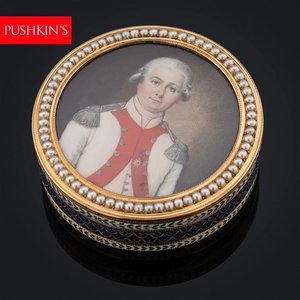
La fama de Blerzy perdura gracias a sus exquisitas cajas de rapé, elaboradas con una delicadeza sublime en oro y esmalte, frecuentemente adornadas con perlas y delicadas pinturas en miniatura. Estas intrincadas obras maestras no solo eran una exhibición de su impecable destreza técnica, sino que también servían como un reflejo vibrante de la opulencia y el lujo que caracterizaban a los objetos de gran valor en la Europa del siglo XVIII.- caja de rapé con una miniatura en grisalla de una escena de don quijote (esmalte, aproximadamente 8 x 6 cm), un testimonio conmovedor de la atención al detalle y el arte narrativo de Blerzy, puede encontrarse en ArtsDot.
- Otras obras memorables, como aquellas que presentan retratos en miniatura, eran entregadas con frecuencia como regalos reales a embajadores o miembros de la corte, lo que subraya la profunda influencia de Bleracio en la aristocracia europea.
museos y colecciones que albergan la obra de blerzy
Aunque las piezas de Blerzy se encuentran dispersas en diversas colecciones privadas, algunas de sus obras más destacadas pueden admirarse en el musée maurice denis (saint-germain-en-laye, francia), un espacio que también alberga una impresionante colección de pinturas del postimpresionismo francés. Para sumergirse más profundamente en el arte de Blerzy y explorar las maravillas de este museo, le invitamos a visitar la página del musée maurice denis en ArtsDot.legado e influencia
El fallecimiento de Blerzy en París en 1821 marcó el fin de una era, pero su legado permanece vivo a través de sus deslumbrantes creaciones en oro y esmalte. Como maestro orfebre, no solo enriqueció la escena de los artículos de lujo, sino que también dejó una huella imborrable en las generaciones futuras gracias a su meticulosa artesanía. puntos clave:- joseph-etienne blerzy: un orfebre francés nacido en París en 1735.
- aprendiz de françois-joachim aubert, especialista en piedras preciosas.
- reconocido por sus ornamentadas cajas de rapé con perlas y pinturas en miniatura.
- sus obras notables incluyen regalos reales destinados a la aristocracia europea.
Joseph-Étienne Blerzy
1735 - 1821 , Francia
Datos clave
- Artistic Movement Or Style: Retrato, Pastel
- Artists Or Movements Influenced By This Artist: ['Jean-Baptiste Greuze']
- Artists Who Influenced This Artist: ['Maurice Quentin de La Tour']
- Date Of Birth: 26 de junio de 1735
- Date Of Death: 24 de julio de 1802
- Full Name: Joseph, Baron Ducreux
- Nationality: Lorenés, Francés
- Notable Artworks:
- Autorretrato, bostezando
- Autorretrato como un burlador
- Place Of Birth: Nancy, Francia
Artículos relacionados
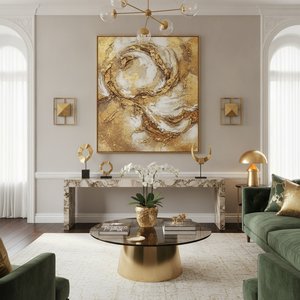
Golden Glow: How to Use Metallic Gold Artworks to Elevate Your Home Decor with Timeless Luxury
Discover how to elevate your home with the timeless elegance of metallic gold artworks. From sculptural metal pieces to gilded oil paintings, learn expert interior design tips for integrating luxurious gold accents into your space with sophistication and grace.
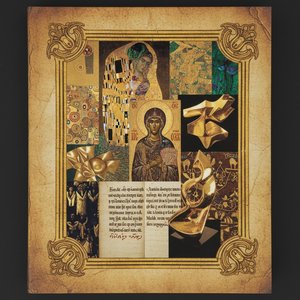
The Allure of Gold in Art History: Symbolism, Technique & Cultural Significance
Explore the rich history of gold in art! Discover symbolism, techniques & cultural significance from ancient civilizations to Klimt's masterpieces. Expert insights for collectors at ArtsDot.

Oro en el Arte: Los 10 Cuadros Más Famosos con Hoja de Oro | ArtsDot
Descubre los 10 cuadros más famosos con hoja de oro, desde Klimt hasta el arte bizantino. Explora la historia, técnica y belleza de estas obras maestras doradas. Reproducciones de arte exclusivas en ArtsDot.com.
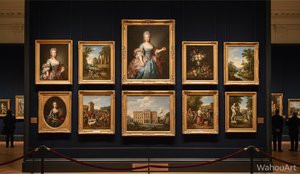
El Siglo XVIII en el Arte: 10 Obras Maestras para Decorar con Historia y Elegancia
Descubre 10 obras maestras del siglo XVIII: Goya, Fragonard y más. Explora la historia, el arte barroco, rococó y neoclasicismo que inspiran decoración elegante. Reproducciones de alta calidad en ArtsDot.com.

Henri-Joseph Harpignies: Capturing the Poetic Essence of the French Landscape
Explore the serene landscapes of Henri-Joseph Harpignies, a master of the Barbizon School. Discover his atmospheric paintings, recurring themes & enduring legacy in 19th-century French art. Learn more at ArtsDot.

