 Ver en contexto
 Enviar
 Compartir
 Detalles

 Descargar
 Similares
 Radiografía
 Presentación de diapositivas
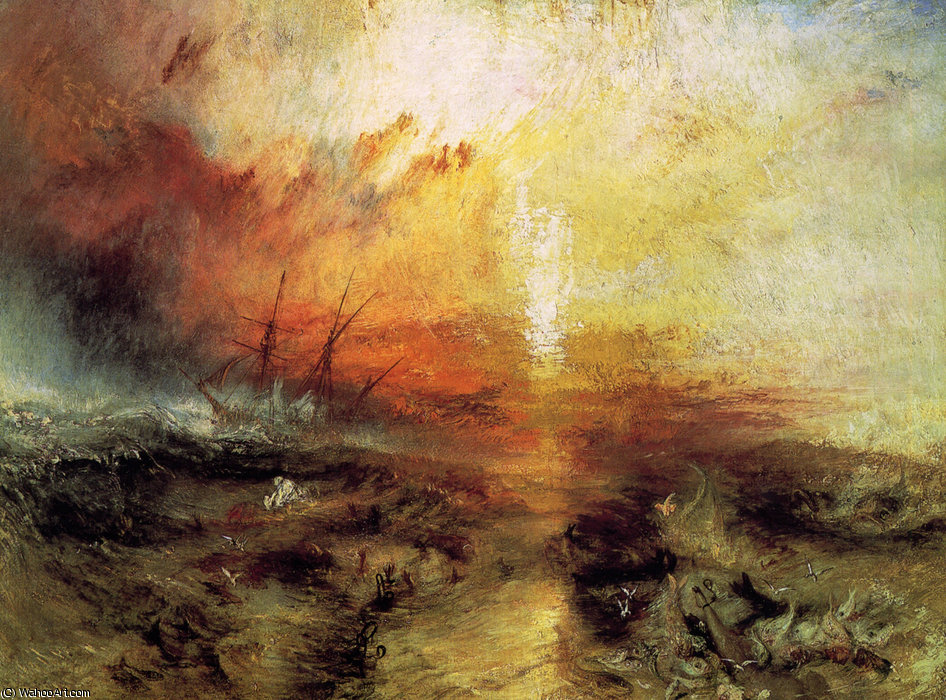
Slavers throwing overboard the death and dying

 Ver más
Giclée / Impresión de arte
Impresiones giclée o en lienzo de calidad de museo con producción rápida y opciones de acabado flexibles. ( Comprar pintura hecha a mano Comprar imagen)




P118B $10

P118H $10

P118W $10

P438Z $10

P508JH $12

P508YH $12

P805H $10

P805Z $10

P919BZ $10

P919G $10

P919XJ $10

P959ZH $10

P968JZ $12

W106C $8

W218G $10

W218JH $8

W218Y $10

W307PJ $10

W316G $10

W316PJ $8

W316Y $10

W398PJ $8

W4111J $10

W500HY $15

W500JH $15

W692G $12

W849H $8

W940BG $15

W953PJ $8




Elija entre nuestros tamaños predefinidos que respetan las proporciones originales de la obra.

Puede introducir sus propias dimensiones para adaptarse a un marco o espacio específico. Si el tamaño seleccionado no coincide con las proporciones de la imagen original, recortaremos la obra de arte o extenderemos la imagen con un borde con efecto espejo o de color sólido. Se enviará una maqueta digital para su aprobación antes de que comience la producción.
Tenga en cuenta que la vista previa en pantalla no refleja el recorte o la extensión real. Solo la maqueta mostrará con precisión la composición final.
Aunque existen tamaños personalizados, recomendamos seleccionar una dimensión de la lista predefinida para preservar las proporciones originales.
Envío a todo el mundo () en 2 semanas en lugar de las 4/5 semanas estándar. (24 agosto)

Envío exprés gratuito a todo el mundo

Lienzo de lino de alta calidad

Seguro de envío total

Garantía de reembolso de impuestos aduaneros

Garantía de fidelidad cromática exacta

Política de devolución de 60 días (solo por defectos)

Garantía de devolución del 100% del dinero

Descuento por cantidad
 La opción de vidrio solo está disponible en tamaños inferiores a 110 cm.

Slavers throwing overboard the death and dying
Giclée / Impresión de arte
Dimensiones de la reproducción
-


Precio total final
$ 62
Descripción de la pieza
A Descent Into Darkness: Turner’s ‘Slavers Throwing Overboard the Death and Dying’
William Turner's “Slavers Throwing Overboard the Death and Dying” isn’t merely a depiction of a maritime tragedy; it’s an unflinching confrontation with moral responsibility and a testament to the artist’s unparalleled ability to translate emotion into visual form. Painted in 1840, this monumental canvas—measuring 90.8 x 122.6 cm—holds its place within the Museum of Fine Arts, Boston, as a cornerstone of Romantic art and a chilling reminder of humanity's capacity for cruelty.Historical Echoes: The Zong Scandal
The genesis of this haunting image lies in the infamous Zong shipwreck incident of 1781. Faced with imminent financial ruin due to insurance claims regarding sickened enslaved passengers, Captain William Thompson made the horrific decision to jettison dozens of individuals overboard into the icy Atlantic waters—a calculated act designed to maximize profit at the expense of human life. This appalling event galvanized abolitionist sentiment and served as a catalyst for legislative reform, cementing Turner’s artistic impulse to expose injustice. The painting directly responds to this historical reality, capturing not just an event but its profound moral implications.The Sublime Landscape: Turner's Artistic Vision
Turner’s stylistic approach is fundamentally rooted in the Romantic movement’s obsession with the sublime—that awe-inspiring experience of confronting overwhelming natural forces. He abandons meticulous realism in favor of expressive brushstrokes and a masterful manipulation of light and color, prioritizing feeling over factual accuracy. The turbulent sea dominates the composition, rendered in swirling shades of indigo, grey, and ochre, conveying an atmosphere of palpable dread and instability. These colors aren’t chosen arbitrarily; they mirror the psychological turmoil experienced by those involved—the desperation of the crew and the terror of the victims.Symbolism Beneath the Surface
Beyond its dramatic visual impact, “Slavers Throwing Overboard” is laden with symbolic significance. The ship itself represents the institution of slavery – a symbol of oppression and exploitation. The figures thrown overboard embody suffering and vulnerability, highlighting the devastating consequences of inhumanity. Furthermore, the sunset—a recurring motif in Turner’s oeuvre—suggests impending doom and underscores the inescapable fate of those involved. It's a visual representation of mortality itself, forcing viewers to contemplate the fragility of human existence against the backdrop of nature’s indifference.Emotional Resonance: A Masterpiece of Atmospheric Drama
Ultimately, “Slavers Throwing Overboard” succeeds in eliciting an emotional response that transcends mere observation. Turner achieves this through his masterful use of chiaroscuro—the dramatic interplay between light and shadow—creating a palpable sense of depth and immediacy. The viewer is drawn into the scene, experiencing alongside the figures on board the chilling terror of the moment. It’s a painting that lingers in the memory long after viewing, prompting reflection on ethical dilemmas and reminding us of the enduring power of art to confront uncomfortable truths. Its impact continues to resonate today as an unforgettable portrayal of human cruelty and the sublime beauty of nature's fury.Obras relacionadas
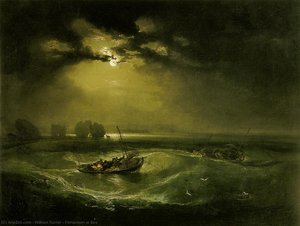
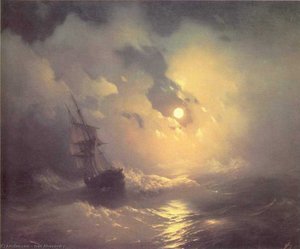
Biografía del artista
Primeros años y formación
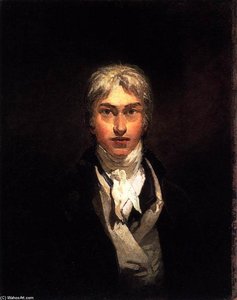
Joseph Mallord William Turner, una figura destacada en el arte británico, nació el 23 de abril de 1775 en Maiden Lane, Covent Garden, Londres. Su padre, William Turner, era barbero y fabricante de pelucas, mientras que su madre, Mary Marshall, provenía de una familia de carniceros. A los 14 años, Turner ingresó a la Royal Academy of Art en 1789, marcando el inicio de su ilustre carrera.Estilo artístico e influencias
La obra de Turner se caracteriza por sus colorizaciones expresivas, paisajes imaginativos y mares tempestuosos. Fue un artista profundamente experimental y progresista, influyendo en pintores tan diversos como Claude Monet y Mark Rothko. Su influencia puede verse en las obras de muchos artistas que le siguieron. Sus innovaciones en el uso de la luz y la atmósfera lo convirtieron en una figura clave del Romanticismo.Obras destacadas y colecciones
- La mañana después del diluvio (1843): Una notable pintura al óleo sobre lienzo, ubicada en la Tate Collection, Londres, que muestra la forma estilística de Turner para representar las fuerzas de la naturaleza.
- Canal de Chichester (1828): Comisionada por George Wyndham, 3er conde de Egremont, esta pintura representa el Canal de Chichester y actualmente se encuentra en la Tate Collection.
- Ruinas de Tintern Abbey: Una obra acuática, ahora en el Museo Calouste Gulbenkian (Lisboa, Portugal), que muestra la maestría de Turner para capturar la luz y la atmósfera.
Evolución artística y logros
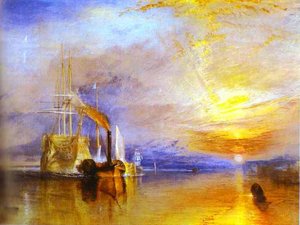
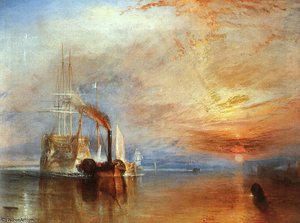
Turner experimentó constantemente con nuevas técnicas y materiales a lo largo de su carrera. Inicialmente influenciado por los paisajes clásicos, evolucionó hacia un estilo más libre y expresivo, donde la luz y el color se convirtieron en los elementos dominantes. Sus obras tardías, como "La batalla del Temeraire", son ejemplos paradigmáticos de su capacidad para combinar observación realista con una visión poética e imaginativa. Su habilidad para representar fenómenos atmosféricos, como tormentas y nieblas, es legendaria.Legado e importancia histórica
Turner dejó atrás más de 2000 pinturas y 19000 dibujos y bocetos. Es ampliamente considerado uno de los mayores maestros de la pintura paisajística y marina británica en acuarela, a menudo referido como "el pintor de la luz". Su influencia en artistas posteriores es innegable, convirtiéndolo en una figura fundamental en la historia del arte.- Se puede ver más obras de Turner en https://ArtsDot.com/@/williamturner
- Explorar la colección Tate, Londres, que alberga muchas de las notables piezas de Turner: /es/art/show/art-d3c5y9-es/
- Descubrir el mundo del arte en https://ArtsDot.com/@@/all-popular-artists, con los mejores artistas de todos los tiempos.
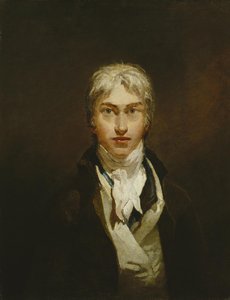
Joseph Mallord William Turner
1775 - 1851 , Reino Unido
Datos clave
- Artistas Que Influyeron:
- Claude Monet
- Mark Rothko
- Estilo Artístico: Romanticismo, Paisajismo
- Fecha De Nacimiento: 23 de abril de 1775
- Lugar De Nacimiento: Covent Garden, Reino Unido
- Nacionalidad: Británico
- Nombre Completo: Joseph Mallord William Turner
- Obras Notables:
- La mañana después del diluvio
- El Temeraire
- Ruinas de Tintern Abbey
Artículos relacionados
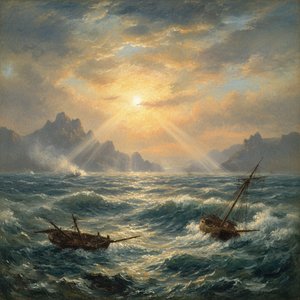
J.M.W. Turner: Light, Atmosphere & the Romantic Sublime
Explore the life & art of J.M.W. Turner, a master of Romantic landscape painting. Discover his innovative techniques, key works, and lasting influence on Impressionism. Find high-quality reproductions at ArtsDot.

The Enduring Legacy of Oil on Canvas: Technique, History & Aesthetic Impact
Explore the rich history & techniques of oil painting – from Renaissance masters to Impressionism. Discover pigments, layering methods, and why this timeless medium endures. Expert insights for artists & art enthusiasts.

El Óleo sobre Lienzo: Historia, Técnica y la Persistencia de un Medio Artístico Atemporal
Descubre la historia y técnica del óleo sobre lienzo. Explora reproducciones fieles hechas a mano, personalización artística y consejos de expertos con ArtsDot. ¡Colecciona arte con confianza!
Romantic Realism's Finest: 10 Masterpieces for Your Home | ArtsDot
Explore 10 defining masterpieces of Romantic Realism! Discover Courbet, Millet & Daumier's powerful paintings—capturing emotion and social realities. Find museum-quality reproductions for your home at ArtsDot.com.

The Enduring Power of Painting: A Historical & Contemporary Exploration of Form and Emotion
Explore the rich history & enduring techniques of oil painting with ArtsDot. Discover masterpieces, learn about art collecting, and find authentic handmade reproductions crafted by skilled artists.