 Enviar
 Compartir
 Detalles

 Descargar
 Similares
 Presentación de diapositivas
The Nordgalerie
 Giclée Print
- Digital
- Romantic Landscape
 14.0 x 19.0 cm
 Ver más
Reproducción al óleo hecha a mano
Óleo sobre lienzo pintado a mano en el tamaño y marco de su elección, realizado por encargo por nuestros artistas. ( Comprar impresión Comprar imagen)




































Elija entre nuestros tamaños predefinidos que respetan las proporciones originales de la obra.

Puede ingresar sus propias dimensiones para adaptarse a un marco o espacio específico. Si el tamaño seleccionado no coincide con las proporciones de la imagen original, recortaremos la obra o extenderemos la pintura con elementos adicionales pintados a mano. Se le enviará una maqueta digital para su aprobación antes de comenzar la producción.
Tenga en cuenta que la vista previa en pantalla no refleja el recorte o la extensión reales. Solo la maqueta mostrará con precisión la composición final.
Si bien existen tamaños personalizados, recomendamos seleccionar una dimensión de la lista predefinida para preservar las proporciones originales.
Tras realizar el pedido, el equipo de ArtsDot.com enviará un correo electrónico al cliente para solicitar instrucciones y proporcionarle una vista previa del boceto.
Envío a todo el mundo () en 3-4 semanas en lugar de las 5 semanas estándar. (24 agosto). Sin comprometer la calidad.

Envío exprés gratuito a todo el mundo

Lienzo de lino de alta calidad

Seguro de envío total

Garantía de reembolso de impuestos aduaneros

Garantía de fidelidad cromática exacta

Política de devolución de 60 días (solo por defectos)

Garantía de devolución del 100% del dinero

Descuento por cantidad
 La opción de vidrio solo está disponible en tamaños inferiores a 110 cm.

The Nordgalerie
Técnica de reproducción
Dimensiones de la reproducción
-


Precio total final
$ 313
Descripción de la obra
A Glimpse into Eternity: Turner’s “The Nordgalerie”
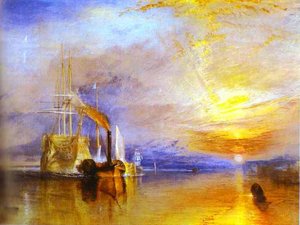
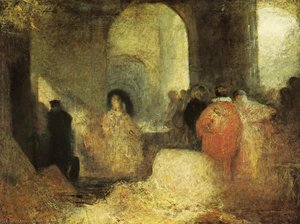
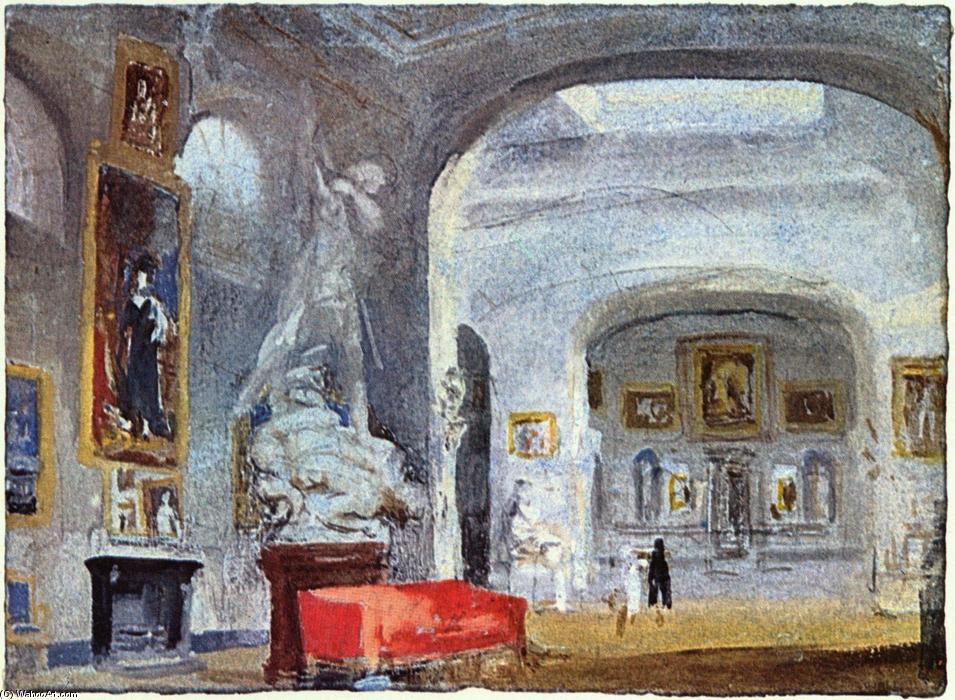
Joseph Mallord William Turner's "The Nordgalerie" isn’t merely a depiction of a museum interior; it’s an immersion into the very soul of Romanticism. Completed around 1835, this evocative watercolor and mixed media piece captures a profound sense of space, light, and contemplation – qualities that defined Turner’s revolutionary approach to art. The artwork presents an interior view of a grand gallery or museum space, likely depicting Turner's "The Nordgalerie." It is characterized by a loose, atmospheric style typical of Romanticism. The composition focuses on the architectural grandeur of the room, with high vaulted ceilings, arches, and numerous framed paintings adorning the walls. A red bench in the foreground provides a focal point against the muted tones of the interior.
Turner’s genius lay in his ability to translate subjective experience onto canvas. “The Nordgalerie” exemplifies this perfectly. The receding perspective draws the viewer into the heart of the gallery, where light streams through distant windows, creating an ethereal glow that seems to emanate from within the walls themselves. This isn't a literal representation of a specific museum; rather, it’s a distillation of the *feeling* one might experience within such a space – a sense of awe in the face of accumulated knowledge and artistic legacy. The muted palette—grays, beiges, and browns—is deliberately restrained, allowing Turner to focus on manipulating light and shadow to create an atmosphere of profound stillness.
Technique and Materials: A Dance of Watercolor
The artwork’s remarkable effect is achieved through Turner's masterful manipulation of watercolor and mixed media. The loose, gestural brushstrokes are characteristic of his style, creating a sense of movement and fluidity that mimics the play of light on surfaces. Notice how the paint appears almost translucent in places, revealing the texture of the paper beneath – a technique frequently employed by Turner to enhance the atmospheric quality of his work. The application of paint appears loose and layered, suggesting a watercolor or mixed media approach.
Evidence suggests that Turner utilized a variety of materials beyond simple watercolors. The polished stone floor is implied through subtle reflections of light, hinting at the use of glazing techniques to build up layers of color and create depth. The inclusion of gold highlights within the frames further emphasizes the grandeur and opulence of the gallery setting. Likely watercolor paints, paper, and possibly other mixed media materials were used.
Symbolism and Emotional Resonance
"The Nordgalerie" is rich in symbolic meaning. The empty gallery evokes a sense of quiet contemplation and timelessness – a space for reflection and the pursuit of knowledge. The abundance of art within the room speaks to the power of culture, history, and human creativity. Turner’s deliberate use of soft, diffused light contributes significantly to the artwork's emotional impact, fostering a peaceful and serene mood that invites viewers to lose themselves in its beauty.
Furthermore, the composition itself is laden with symbolic weight. The statue adds verticality, grounding the scene while simultaneously pointing towards the heavens – a common motif in Romantic art reflecting a desire for transcendence. The red bench, a simple yet powerful element, provides a focal point and subtly introduces an element of human presence into this otherwise monumental space.
A Masterpiece of Atmospheric Impressionism
Measuring 14 x 19 cm, “The Nordgalerie” is a remarkably intimate work that belies its grand subject matter. Executed around 1835, it stands as a testament to Turner’s unparalleled ability to capture the essence of light and atmosphere – a hallmark of his pioneering approach to art. This reproduction offers an exceptional opportunity to own a piece of art history, bringing the sublime beauty and contemplative power of Turner's vision into your home or studio. It is a captivating addition for any collection seeking to appreciate the brilliance of Romanticism.
Obras relacionadas
Biografía del artista
Primeros años y formación
Joseph Mallord William Turner, una figura destacada en el arte británico, nació el 23 de abril de 1775 en Maiden Lane, Covent Garden, Londres. Su padre, William Turner, era barbero y fabricante de pelucas, mientras que su madre, Mary Marshall, provenía de una familia de carniceros. A los 14 años, Turner ingresó a la Royal Academy of Art en 1789, marcando el inicio de su ilustre carrera.Estilo artístico e influencias
La obra de Turner se caracteriza por sus colorizaciones expresivas, paisajes imaginativos y mares tempestuosos. Fue un artista profundamente experimental y progresista, influyendo en pintores tan diversos como Claude Monet y Mark Rothko. Su influencia puede verse en las obras de muchos artistas que le siguieron. Sus innovaciones en el uso de la luz y la atmósfera lo convirtieron en una figura clave del Romanticismo.Obras destacadas y colecciones
- La mañana después del diluvio (1843): Una notable pintura al óleo sobre lienzo, ubicada en la Tate Collection, Londres, que muestra la forma estilística de Turner para representar las fuerzas de la naturaleza.
- Canal de Chichester (1828): Comisionada por George Wyndham, 3er conde de Egremont, esta pintura representa el Canal de Chichester y actualmente se encuentra en la Tate Collection.
- Ruinas de Tintern Abbey: Una obra acuática, ahora en el Museo Calouste Gulbenkian (Lisboa, Portugal), que muestra la maestría de Turner para capturar la luz y la atmósfera.
Evolución artística y logros
Turner experimentó constantemente con nuevas técnicas y materiales a lo largo de su carrera. Inicialmente influenciado por los paisajes clásicos, evolucionó hacia un estilo más libre y expresivo, donde la luz y el color se convirtieron en los elementos dominantes. Sus obras tardías, como "La batalla del Temeraire", son ejemplos paradigmáticos de su capacidad para combinar observación realista con una visión poética e imaginativa. Su habilidad para representar fenómenos atmosféricos, como tormentas y nieblas, es legendaria.Legado e importancia histórica
Turner dejó atrás más de 2000 pinturas y 19000 dibujos y bocetos. Es ampliamente considerado uno de los mayores maestros de la pintura paisajística y marina británica en acuarela, a menudo referido como "el pintor de la luz". Su influencia en artistas posteriores es innegable, convirtiéndolo en una figura fundamental en la historia del arte.- Se puede ver más obras de Turner en https://ArtsDot.com/@/williamturner
- Explorar la colección Tate, Londres, que alberga muchas de las notables piezas de Turner: /es/art/show/art-d3c5y9-es/
- Descubrir el mundo del arte en https://ArtsDot.com/@@/all-popular-artists, con los mejores artistas de todos los tiempos.
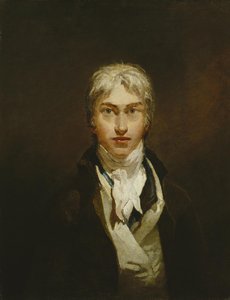
Joseph Mallord William Turner
1775 - 1851 , Reino Unido
Datos clave
- Artistas Que Influyeron:
- Claude Monet
- Mark Rothko
- Estilo Artístico: Romanticismo, Paisajismo
- Fecha De Nacimiento: 23 de abril de 1775
- Lugar De Nacimiento: Covent Garden, Reino Unido
- Nacionalidad: Británico
- Nombre Completo: Joseph Mallord William Turner
- Obras Notables:
- La mañana después del diluvio
- El Temeraire
- Ruinas de Tintern Abbey
Artículos relacionados

Giclée Prints: Archival Quality & Aesthetic Nuances for the Discerning Collector
Explore the world of giclée prints with ArtsDot. Learn about archival quality, aesthetic nuances & investment potential. Expert guidance for discerning art collectors seeking museum-quality reproductions and lasting value.

Echoes of Time: Exploring the Enduring Appeal & Historical Context of Vintage Art Prints
Explore the captivating world of vintage art prints! Discover their history, collecting tips & enduring appeal. Expert insights on chromolithography and building a legacy collection with ArtsDot.
Transforming Spaces: A Comprehensive Exploration of Wall Decor Through Art History & Contemporary Practice
Explore the art of transforming spaces with our comprehensive guide to wall decor. From historical movements to contemporary trends, discover how to curate impactful interiors and commission bespoke artwork for a truly personalized aesthetic.
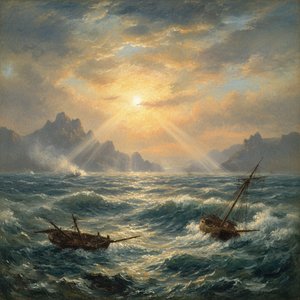
J.M.W. Turner: Light, Atmosphere & the Romantic Sublime
Explore the life & art of J.M.W. Turner, a master of Romantic landscape painting. Discover his innovative techniques, key works, and lasting influence on Impressionism. Find high-quality reproductions at ArtsDot.
Romantic Realism's Finest: 10 Masterpieces for Your Home | ArtsDot
Explore 10 defining masterpieces of Romantic Realism! Discover Courbet, Millet & Daumier's powerful paintings—capturing emotion and social realities. Find museum-quality reproductions for your home at ArtsDot.com.