 Ver en contexto
 Enviar
 Compartir
 Detalles

 Descargar
 Similares
 Radiografía
 Presentación de diapositivas
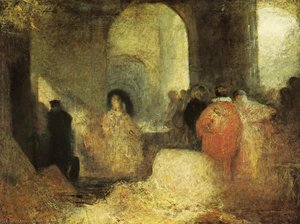
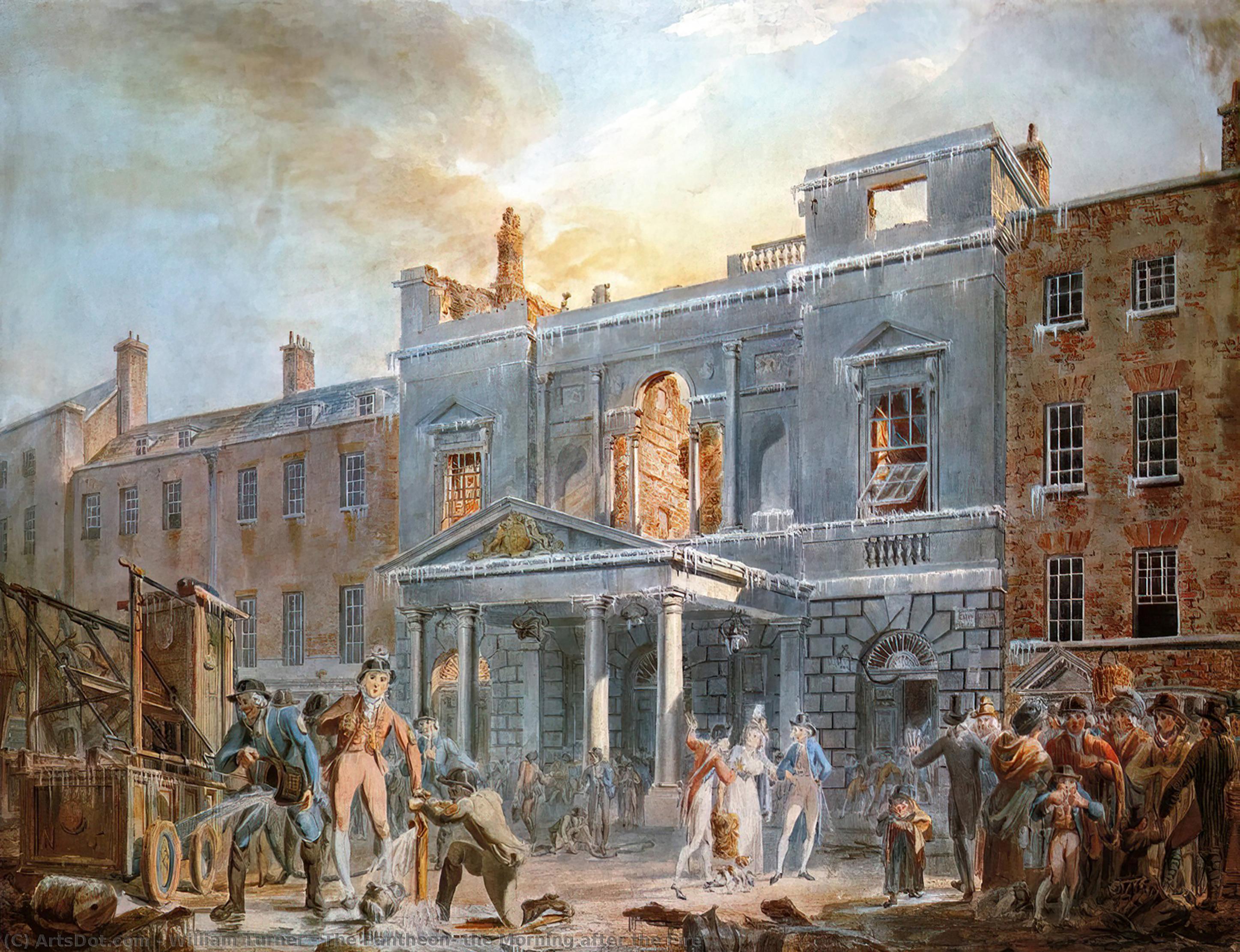
The Pantheon, the Morning after the Fire
 Acrylic
- WallArt
- Romantic Landscape
 1792
1792 39.0 x 51.0 cm
 Ver más
Giclée / Impresión de arte
Impresiones giclée o en lienzo de calidad de museo con producción rápida y opciones de acabado flexibles. ( Comprar pintura hecha a mano Comprar imagen)




P118B $10

P118H $10

P118W $10

P438Z $10

P508JH $12

P508YH $12

P805H $10

P805Z $10

P919BZ $10

P919G $10

P919XJ $10

P959ZH $10

P968JZ $12

W106C $8

W218G $10

W218JH $8

W218Y $10

W307PJ $10

W316G $10

W316PJ $8

W316Y $10

W398PJ $8

W4111J $10

W500HY $15

W500JH $15

W692G $12

W849H $8

W940BG $15

W953PJ $8




Elija entre nuestros tamaños predefinidos que respetan las proporciones originales de la obra.

Puede introducir sus propias dimensiones para adaptarse a un marco o espacio específico. Si el tamaño seleccionado no coincide con las proporciones de la imagen original, recortaremos la obra de arte o extenderemos la imagen con un borde con efecto espejo o de color sólido. Se enviará una maqueta digital para su aprobación antes de que comience la producción.
Tenga en cuenta que la vista previa en pantalla no refleja el recorte o la extensión real. Solo la maqueta mostrará con precisión la composición final.
Aunque existen tamaños personalizados, recomendamos seleccionar una dimensión de la lista predefinida para preservar las proporciones originales.
Envío a todo el mundo () en 2 semanas en lugar de las 4/5 semanas estándar. (26 agosto)

Envío exprés gratuito a todo el mundo

Lienzo de lino de alta calidad

Seguro de envío total

Garantía de reembolso de impuestos aduaneros

Garantía de fidelidad cromática exacta

Política de devolución de 60 días (solo por defectos)

Garantía de devolución del 100% del dinero

Descuento por cantidad
 La opción de vidrio solo está disponible en tamaños inferiores a 110 cm.

The Pantheon, the Morning after the Fire
Giclée / Impresión de arte
Dimensiones de la reproducción
-


Precio total final
$ 62
Descripción de la pieza
A Moment Frozen in Time: Turner’s Reflection on Roman Ruin
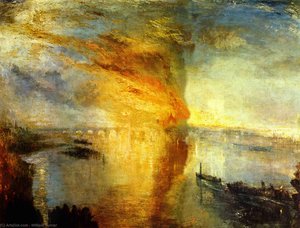
Turner's "The Pantheon, the Morning after the Fire," painted in 1792, transcends mere depiction; it embodies a profound meditation on loss and resilience. Executed in watercolor, this evocative piece captures not just the physical devastation of Rome’s iconic temple following a devastating fire—a tragedy that shook Europe—but also its enduring spirit. The artist skillfully employs atmospheric perspective, layering washes of color to convey the palpable chill of dawn and the ghostly luminescence clinging to the crumbling stone walls. This technique is characteristic of Turner's Romantic style, prioritizing emotion and sensation over precise representation.- Subject Matter: The painting focuses on the Pantheon’s ruins—a poignant reminder of imperial grandeur reduced to rubble—immediately establishing a dramatic narrative.
- Style & Technique: Turner's watercolor technique is masterful, utilizing delicate brushstrokes and subtle tonal variations to achieve an unparalleled sense of depth and luminosity. He eschews traditional academic conventions, favoring instead a painterly approach that prioritizes capturing the mood and atmosphere of the scene.
Obras relacionadas
Biografía del artista
Primeros años y formación
Joseph Mallord William Turner, una figura destacada en el arte británico, nació el 23 de abril de 1775 en Maiden Lane, Covent Garden, Londres. Su padre, William Turner, era barbero y fabricante de pelucas, mientras que su madre, Mary Marshall, provenía de una familia de carniceros. A los 14 años, Turner ingresó a la Royal Academy of Art en 1789, marcando el inicio de su ilustre carrera.Estilo artístico e influencias
La obra de Turner se caracteriza por sus colorizaciones expresivas, paisajes imaginativos y mares tempestuosos. Fue un artista profundamente experimental y progresista, influyendo en pintores tan diversos como Claude Monet y Mark Rothko. Su influencia puede verse en las obras de muchos artistas que le siguieron. Sus innovaciones en el uso de la luz y la atmósfera lo convirtieron en una figura clave del Romanticismo.Obras destacadas y colecciones
- La mañana después del diluvio (1843): Una notable pintura al óleo sobre lienzo, ubicada en la Tate Collection, Londres, que muestra la forma estilística de Turner para representar las fuerzas de la naturaleza.
- Canal de Chichester (1828): Comisionada por George Wyndham, 3er conde de Egremont, esta pintura representa el Canal de Chichester y actualmente se encuentra en la Tate Collection.
- Ruinas de Tintern Abbey: Una obra acuática, ahora en el Museo Calouste Gulbenkian (Lisboa, Portugal), que muestra la maestría de Turner para capturar la luz y la atmósfera.
Evolución artística y logros
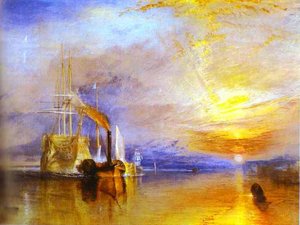
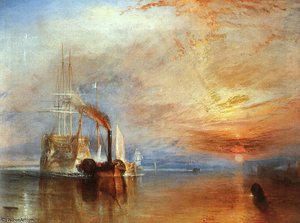
Turner experimentó constantemente con nuevas técnicas y materiales a lo largo de su carrera. Inicialmente influenciado por los paisajes clásicos, evolucionó hacia un estilo más libre y expresivo, donde la luz y el color se convirtieron en los elementos dominantes. Sus obras tardías, como "La batalla del Temeraire", son ejemplos paradigmáticos de su capacidad para combinar observación realista con una visión poética e imaginativa. Su habilidad para representar fenómenos atmosféricos, como tormentas y nieblas, es legendaria.Legado e importancia histórica
Turner dejó atrás más de 2000 pinturas y 19000 dibujos y bocetos. Es ampliamente considerado uno de los mayores maestros de la pintura paisajística y marina británica en acuarela, a menudo referido como "el pintor de la luz". Su influencia en artistas posteriores es innegable, convirtiéndolo en una figura fundamental en la historia del arte.- Se puede ver más obras de Turner en https://ArtsDot.com/@/williamturner
- Explorar la colección Tate, Londres, que alberga muchas de las notables piezas de Turner: /es/art/show/art-d3c5y9-es/
- Descubrir el mundo del arte en https://ArtsDot.com/@@/all-popular-artists, con los mejores artistas de todos los tiempos.
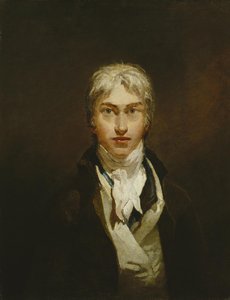
Joseph Mallord William Turner
1775 - 1851 , Reino Unido
Datos clave
- Artistas Que Influyeron:
- Claude Monet
- Mark Rothko
- Estilo Artístico: Romanticismo, Paisajismo
- Fecha De Nacimiento: 23 de abril de 1775
- Lugar De Nacimiento: Covent Garden, Reino Unido
- Nacionalidad: Británico
- Nombre Completo: Joseph Mallord William Turner
- Obras Notables:
- La mañana después del diluvio
- El Temeraire
- Ruinas de Tintern Abbey
Artículos relacionados

Acuarelas Legendarias: 10 Obras Maestras que Transformaron el Arte | ArtsDot
Descubre 10 acuarelas legendarias de Turner, Monet y Sargent que revolucionaron el arte. Explora la historia, técnica y belleza de estas obras maestras impresionistas y románticas. Reproducciones de museo en ArtsDot.com.

Ephemeral Visions: Exploring the Artistic Legacy & Contemporary Practice of Watercolor Painting
Explore the captivating world of watercolor painting! Discover its rich history, essential techniques, influential artists & collecting tips. A comprehensive guide for art enthusiasts from ArtsDot.

Visiones Efímeras: Historia y Resonancia Emocional de la Pintura Acuarela
Descubre la fascinante historia de la acuarela, desde sus orígenes hasta su expresión contemporánea. Explora técnicas, artistas clave como Paul Klee y encuentra reproducciones de alta calidad en ArtsDot.

Ephemeral Visions: Exploring the Artistic Legacy & Nuances of Watercolor Painting
Explore the captivating world of watercolor painting! Discover its rich history, essential techniques, influential artists & collecting tips from art experts. A comprehensive guide for enthusiasts.
La Fascinación Duradera de la Acuarela: Historia, Técnicas y Práctica Contemporánea
Descubre la fascinante historia y las técnicas de la acuarela. Explora obras maestras, aprende con expertos y encuentra reproducciones o comisiones personalizadas en .