 Ver en contexto
 Enviar
 Compartir
 Detalles

 Descargar
 Similares
 Radiografía
 Presentación de diapositivas
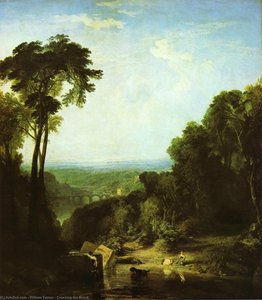
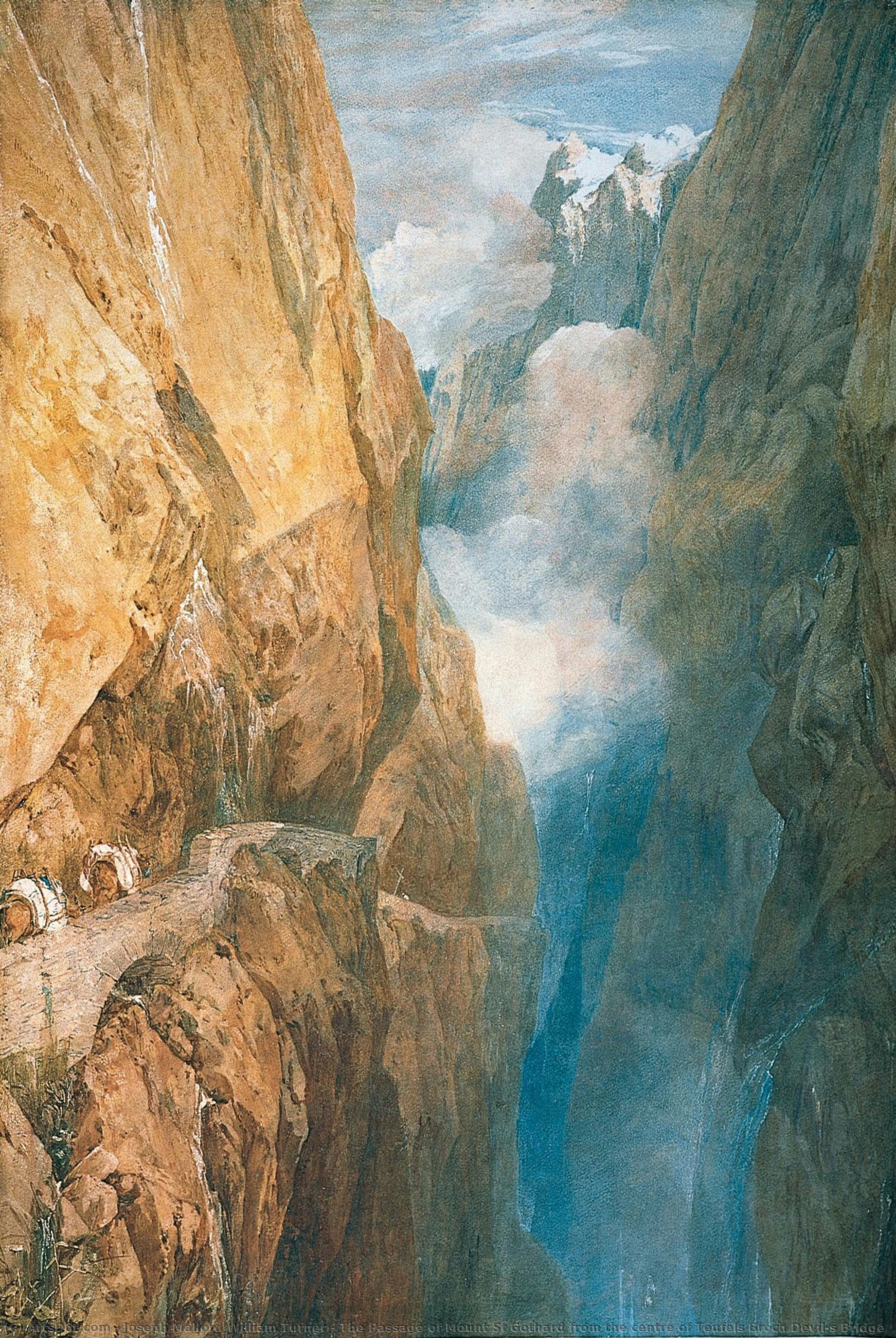
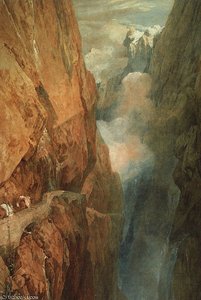
The Passage of Mount St Gothard from the centre of Teufels Broch Devil’s Bridge


 Ver más
Reproducción al óleo hecha a mano
Óleo sobre lienzo pintado a mano en el tamaño y marco de su elección, realizado por encargo por nuestros artistas. ( Comprar impresión Comprar imagen)




P118B $10

P118H $10

P118W $10

P438Z $10

P508JH $12

P508YH $12

P805H $10

P805Z $10

P919BZ $10

P919G $10

P919XJ $10

P959ZH $10

P968JZ $12

W106C $8

W218G $10

W218JH $8

W218Y $10

W307PJ $10

W316G $10

W316PJ $8

W316Y $10

W398PJ $8

W4111J $10

W500HY $15

W500JH $15

W692G $12

W849H $8

W940BG $15

W953PJ $8




Elija entre nuestros tamaños predefinidos que respetan las proporciones originales de la obra.

Puede ingresar sus propias dimensiones para adaptarse a un marco o espacio específico. Si el tamaño seleccionado no coincide con las proporciones de la imagen original, recortaremos la obra o extenderemos la pintura con elementos adicionales pintados a mano. Se le enviará una maqueta digital para su aprobación antes de comenzar la producción.
Tenga en cuenta que la vista previa en pantalla no refleja el recorte o la extensión reales. Solo la maqueta mostrará con precisión la composición final.
Si bien existen tamaños personalizados, recomendamos seleccionar una dimensión de la lista predefinida para preservar las proporciones originales.
Tras realizar el pedido, el equipo de ArtsDot.com enviará un correo electrónico al cliente para solicitar instrucciones y proporcionarle una vista previa del boceto.
Envío a todo el mundo () en 3-4 semanas en lugar de las 5 semanas estándar. (3 septiembre). Sin comprometer la calidad.

Envío exprés gratuito a todo el mundo

Lienzo de lino de alta calidad

Seguro de envío total

Garantía de reembolso de impuestos aduaneros

Garantía de fidelidad cromática exacta

Política de devolución de 60 días (solo por defectos)

Garantía de devolución del 100% del dinero

Descuento por cantidad
 La opción de vidrio solo está disponible en tamaños inferiores a 110 cm.

The Passage of Mount St Gothard from the centre of Teufels Broch Devil’s Bridge
Técnica de reproducción
Dimensiones de la reproducción
-


Precio total final
$ 263
The Sublime Landscape: Exploring Turner’s “The Passage of Mount St Gothard”
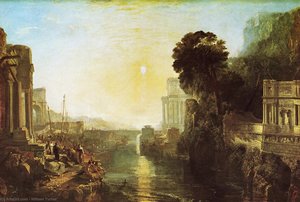
Joseph Mallord William Turner's "The Passage of Mount St Gothard from the Centre of Teufels Broch Devil’s Bridge," completed in 1804, stands as a cornerstone of Romantic landscape painting and a testament to Turner’s unparalleled ability to capture the visceral experience of encountering nature’s grandeur. Exhibited at the Royal Academy in 1815, it signaled a pivotal moment—the acceptance of watercolour as a legitimate artistic medium capable of conveying profound emotional resonance. This monumental canvas isn't merely a depiction of a mountain pass; it’s an embodiment of sublime terror and awe, reflecting Turner’s fascination with geological forces and the psychological impact of confronting overwhelming beauty.A Sketch from the Alps: Genesis of Vision
Painted shortly after Turner’s inaugural visit to Switzerland in 1802, “The Passage of Mount St Gothard” originates from a sketch made on Devil's Bridge—a dramatic gorge traversed by a narrow road—marking one of the most perilous routes over the Alps. This early iteration reveals Turner’s meticulous observation skills and his commitment to translating visual impressions into artistic form. The artist employed a technique characterized by deliberate scraping away of paint, exposing the white paper beneath to represent the turbulent mountain streams – a bold departure from prevailing academic conventions that favored tonal blending.Technique and Atmosphere: Mastering Light and Texture
Turner’s masterful manipulation of watercolour—combined with touches of gouache and pencil—created an atmosphere thick with moisture and imbued with luminous color. He skillfully utilized layering techniques to build up textures, capturing the jagged contours of the mountain face and conveying the dynamism of the torrent below. The dominant palette leans towards cool blues and greens, reflecting the prevailing weather conditions and enhancing the sense of isolation experienced by the figures positioned on the cliff edge. This careful attention to detail underscores Turner’s belief that watercolour could achieve a level of expressive power unattainable through oil paint alone.Symbolism: Confrontation with Eternity
Beyond its technical brilliance, “The Passage of Mount St Gothard” resonates deeply with Romantic symbolism. The towering mountain represents the immutable forces of nature—a reminder of humanity's insignificance in comparison to geological time. The turbulent river symbolizes chaos and instability, mirroring the anxieties prevalent during Turner’s era regarding societal upheaval and moral decay. Yet, amidst this perceived danger lies an undeniable beauty – a sublime vision that elevates the viewer beyond earthly concerns and invites contemplation on themes of mortality and transcendence.Legacy: An Icon of Romantic Landscape
“The Passage of Mount St Gothard” cemented Turner's reputation as a visionary artist who redefined the boundaries of landscape painting, influencing generations of subsequent painters. Its enduring appeal lies in its ability to evoke profound emotional responses—a feeling of exhilaration mingled with apprehension—capturing the essence of what Romantic artists considered the sublime: an experience that overwhelms reason and elevates consciousness toward contemplation of eternity. It remains a powerful reminder of the transformative potential of art to engage our senses and illuminate the deepest recesses of human psychology.Obras relacionadas
![La Divina Commedia / [immagini Di Amos Nattini!] — Dante Alighieri, Romanticism](/media/artworks/images-thumb/f2/2b/f22b63caf3f94bdf21367b99a5066ba5.jpg)
Biografía del artista
Primeros años y formación
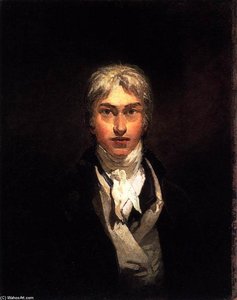
Joseph Mallord William Turner, una figura destacada en el arte británico, nació el 23 de abril de 1775 en Maiden Lane, Covent Garden, Londres. Su padre, William Turner, era barbero y fabricante de pelucas, mientras que su madre, Mary Marshall, provenía de una familia de carniceros. A los 14 años, Turner ingresó a la Royal Academy of Art en 1789, marcando el inicio de su ilustre carrera.Estilo artístico e influencias
La obra de Turner se caracteriza por sus colorizaciones expresivas, paisajes imaginativos y mares tempestuosos. Fue un artista profundamente experimental y progresista, influyendo en pintores tan diversos como Claude Monet y Mark Rothko. Su influencia puede verse en las obras de muchos artistas que le siguieron. Sus innovaciones en el uso de la luz y la atmósfera lo convirtieron en una figura clave del Romanticismo.Obras destacadas y colecciones
- La mañana después del diluvio (1843): Una notable pintura al óleo sobre lienzo, ubicada en la Tate Collection, Londres, que muestra la forma estilística de Turner para representar las fuerzas de la naturaleza.
- Canal de Chichester (1828): Comisionada por George Wyndham, 3er conde de Egremont, esta pintura representa el Canal de Chichester y actualmente se encuentra en la Tate Collection.
- Ruinas de Tintern Abbey: Una obra acuática, ahora en el Museo Calouste Gulbenkian (Lisboa, Portugal), que muestra la maestría de Turner para capturar la luz y la atmósfera.
Evolución artística y logros
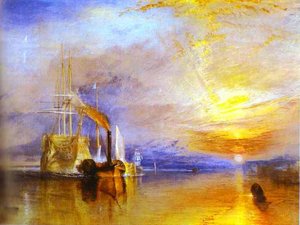
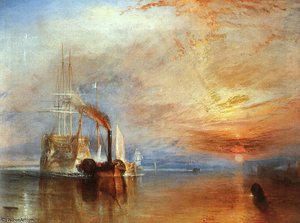
Turner experimentó constantemente con nuevas técnicas y materiales a lo largo de su carrera. Inicialmente influenciado por los paisajes clásicos, evolucionó hacia un estilo más libre y expresivo, donde la luz y el color se convirtieron en los elementos dominantes. Sus obras tardías, como "La batalla del Temeraire", son ejemplos paradigmáticos de su capacidad para combinar observación realista con una visión poética e imaginativa. Su habilidad para representar fenómenos atmosféricos, como tormentas y nieblas, es legendaria.Legado e importancia histórica
Turner dejó atrás más de 2000 pinturas y 19000 dibujos y bocetos. Es ampliamente considerado uno de los mayores maestros de la pintura paisajística y marina británica en acuarela, a menudo referido como "el pintor de la luz". Su influencia en artistas posteriores es innegable, convirtiéndolo en una figura fundamental en la historia del arte.- Se puede ver más obras de Turner en https://ArtsDot.com/@/williamturner
- Explorar la colección Tate, Londres, que alberga muchas de las notables piezas de Turner: /es/art/show/art-d3c5y9-es/
- Descubrir el mundo del arte en https://ArtsDot.com/@@/all-popular-artists, con los mejores artistas de todos los tiempos.
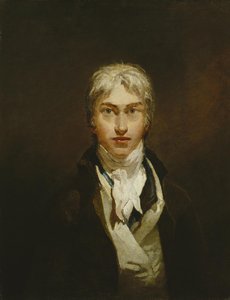
Joseph Mallord William Turner
1775 - 1851 , Reino Unido
Datos clave
- Artistas Que Influyeron:
- Claude Monet
- Mark Rothko
- Estilo Artístico: Romanticismo, Paisajismo
- Fecha De Nacimiento: 23 de abril de 1775
- Lugar De Nacimiento: Covent Garden, Reino Unido
- Nacionalidad: Británico
- Nombre Completo: Joseph Mallord William Turner
- Obras Notables:
- La mañana después del diluvio
- El Temeraire
- Ruinas de Tintern Abbey
Artículos relacionados

Acuarelas Legendarias: 10 Obras Maestras que Transformaron el Arte | ArtsDot
Descubre 10 acuarelas legendarias de Turner, Monet y Sargent que revolucionaron el arte. Explora la historia, técnica y belleza de estas obras maestras impresionistas y románticas. Reproducciones de museo en ArtsDot.com.

Ephemeral Visions: Exploring the Artistic Legacy & Contemporary Practice of Watercolor Painting
Explore the captivating world of watercolor painting! Discover its rich history, essential techniques, influential artists & collecting tips. A comprehensive guide for art enthusiasts from ArtsDot.

Visiones Efímeras: Historia y Resonancia Emocional de la Pintura Acuarela
Descubre la fascinante historia de la acuarela, desde sus orígenes hasta su expresión contemporánea. Explora técnicas, artistas clave como Paul Klee y encuentra reproducciones de alta calidad en ArtsDot.

Ephemeral Visions: Exploring the Artistic Legacy & Nuances of Watercolor Painting
Explore the captivating world of watercolor painting! Discover its rich history, essential techniques, influential artists & collecting tips from art experts. A comprehensive guide for enthusiasts.

Paisajes Románticos: 10 Obras Maestras que Definieron un Movimiento Artístico
Descubre los 10 paisajes románticos más influyentes de artistas como Caspar David Friedrich y Turner. Explora la belleza, el simbolismo y las técnicas del movimiento romántico. Reproducciones de arte exclusivas en ArtsDot.com.