

 Ver en contexto
 Enviar
 Compartir
 Detalles

 Descargar
 Similares
 Radiografía
 Presentación de diapositivas
 Estadísticas
CHRISTOPHE GABRIEL ALLEGRAIN


 Ver más
Adquiera una imagen digital de alta resolución y optimizada, muy superior a la vista previa en línea.
Cada archivo es preparado meticulosamente por nuestros especialistas internos mediante el uso de herramientas avanzadas y un experto retoque manual. Nos aseguramos de que cada imagen posea una claridad excepcional, una precisión cromática impecable y un detalle minucioso.
El archivo final se entrega por correo electrónico en un plazo de 72 horas, optimizado para su uso inmediato en entornos profesionales, editoriales y de impresión. Esta es la misma calidad en la que confían los estudios de diseño, las editoriales y las galerías de primer nivel.
Imagen Digital
Descarga un archivo de alta resolución para exhibición personal, impresión y proyectos creativos. ( Cambiar a Impresión Comprar pintura hecha a mano)
Incluido en cada pedido de imágenes digitales
Entrega digital experta, garantizada.
Al elegir ArtsDot.com, no solo está adquiriendo una imagen; está recibiendo una obra de arte digital mejorada profesionalmente, elaborada con precisión y respaldada por una garantía de satisfacción. Esto es todo lo que incluye su pedido, automáticamente:

Entrega rápida por email
Recibirá su archivo de imagen digital en alta resolución por correo electrónico en un plazo de 72 horas tras realizar su pedido, listo para su uso inmediato.

Archivo digital optimizado por IA
Su obra de arte se optimiza profesionalmente mediante herramientas avanzadas de IA y edición manual, garantizando el máximo detalle, claridad y precisión cromática.

Reenvío gratuito de por vida
¿Has borrado o perdido tu archivo por error? No te preocupes: te lo volveremos a enviar en cualquier momento, sin coste adicional.

Sin gastos de importación, siempre
Disfrute de su obra de arte al instante sin aduanas, aranceles ni gastos de envío; las descargas digitales siempre están libres de impuestos.

Garantía de fidelidad de color
Garantizamos que su imagen digital refleje los colores originales con la mayor fidelidad posible, mediante el uso de herramientas profesionales y gestión del color.

Garantía de satisfacción de 100 días
Si no está satisfecho con su imagen digital, la revisaremos o le reembolsaremos el 100% en un plazo de 100 días, sin preguntas.

100% Garantía de devolución de dinero
¿No está satisfecho? Obtenga un reembolso completo dentro de los 100 días posteriores a la recepción de su archivo digital, sin preguntas.

Descuentos por pedidos grandes
Compra 3 imágenes, ahorra 10% - Compra 5, ahorra 15% - Compra 10+, ahorra 20%. Ideal para proyectos creativos, galerías y agencias.
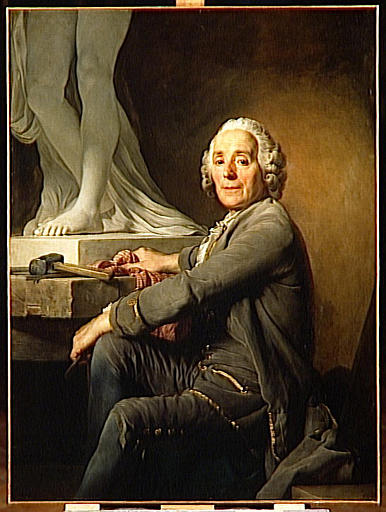
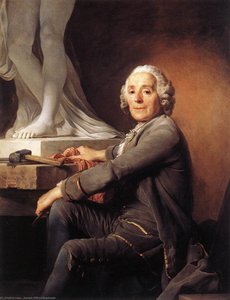
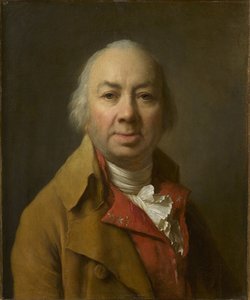
A Moment of Artistic Reverie: Christophe Gabriel Allegrain by Joseph Siffred Duplessis
The portrait of Christophe Gabriel Allegrain, sculpted by Joseph Siffred Duplessis and painted around 1774, isn’t merely a likeness; it's a carefully constructed tableau of intellectual pursuit and artistic confidence. It captures a pivotal moment in the life of a prominent French sculptor, inviting us into his studio—a space brimming with creative energy and quiet contemplation. The painting immediately establishes an atmosphere of thoughtful engagement, a scene both intimate and profoundly resonant with the spirit of the Enlightenment.
Duplessis, a master of capturing the nuances of personality within a formal portrait style, skillfully employs a muted palette dominated by grays, blues, and beiges—tones that lend a sense of dignified restraint to the composition. The lighting is dramatic, a strong directional source illuminating Allegrain’s face and upper body while leaving the background shrouded in shadow. This chiaroscuro effect not only sculpts the figure's form but also draws our attention directly to his expression – a subtle blend of concentration and self-assuredness. The artist has masterfully used light to highlight the textures of Allegrain’s clothing, from the smooth folds of his coat to the rough grain of the marble block behind him, grounding the scene in tangible reality.
The Sculptor's Studio: A World of Creation
Allegrain is seated within a richly appointed studio, a space that speaks volumes about his profession and status. The unfinished sculpture—a testament to his ongoing work—looms large in the background, providing a visual anchor and symbolizing the dynamic process of artistic creation. It’s not simply a backdrop; it's an integral part of the narrative, suggesting the sculptor’s dedication and the constant dialogue between conception and execution. The arrangement is carefully balanced: Allegrain, positioned slightly off-center to the right, commands attention while the statue subtly asserts its presence on the left, creating a harmonious yet dynamic asymmetry.
Duplessis's technique reveals a deep understanding of both portraiture and sculpture. He meticulously renders Allegrain’s features – the thoughtful gaze, the slightly furrowed brow—with remarkable precision. The soft, flowing lines defining his clothing and face contribute to an overall sense of elegance and refinement, characteristic of 18th-century French portraiture. The artist's ability to capture not just physical likeness but also a palpable sense of character is truly impressive.
Symbolism and Context: A Portrait of the Age
This painting transcends a simple depiction of a sculptor; it’s a window into the intellectual climate of 18th-century France. Allegrain's pose, relaxed yet engaged, reflects the confidence and optimism of an era marked by artistic flourishing and philosophical inquiry. The presence of the unfinished sculpture speaks to the importance of process and experimentation within the creative realm – values highly prized during this period. The work is firmly rooted in the Rococo style, known for its elegance, grace, and emphasis on beauty, yet it also anticipates the emerging Neoclassical movement with its focus on order, reason, and classical ideals.
Historical research reveals that Allegrain was a highly respected sculptor, celebrated for his ability to capture both the physical form and the inner spirit of his subjects. His work served as a visual record of an era, reflecting the values and aspirations of French society. The painting’s enduring appeal lies in its ability to transport us back to a time when art was not merely decoration but a powerful means of communication and self-expression.
A Timeless Masterpiece: Reproduction Possibilities
Reproductions of Duplessis's portrait offer an exceptional opportunity to bring this captivating scene into your home or office. Whether you choose a canvas print, a framed giclée, or a high-quality digital reproduction, you’ll experience the same rich colors, intricate details, and evocative atmosphere that captivated viewers in the 18th century. This artwork is more than just an image; it's a portal to a world of artistic brilliance—a testament to the enduring power of human creativity.
Obras relacionadas



Biografía del artista
Joseph-Siffred Duplessis: Una Vida Dedicada al Retrato
- Nacido: 22 de septiembre de 1725, Carpentras, Francia
- Fallecido: 1 de abril de 1802, Versalles, Francia
- Nacionalidad: Francés
- Movimiento Artístico: Rococó, Neoclasicismo
- Género: Retrato
Primeros Años y Formación
- Duplessis nació en una familia con inclinaciones artísticas. Su padre, un cirujano, también era un artista aficionado, proporcionando formación inicial.
- Estudió bajo Joseph Gabriel Imbert (1666–1749), un alumno de Charles Le Brun, adquiriendo habilidades fundamentales en técnicas pictóricas.
- De 1744 a 1747 (o posteriormente), trabajó en Roma dentro del taller de Pierre Subleyras (1699–1749). Este período fue crucial para su desarrollo artístico, fomentando amistades con artistas como Joseph Vernet y exposición al arte italiano.
Carrera y Reconocimiento
- Al regresar a Francia, Duplessis inicialmente pasó tiempo en Lyon antes de establecerse en París alrededor de 1752.
- Se unió a la Académie de Saint-Luc y comenzó a exponer retratos, aunque el reconocimiento inicial fue limitado.
- Un avance significativo ocurrió en el Salón de París de 1769, donde su exposición de diez pinturas obtuvo considerables elogios, notablemente por parte de Denis Diderot.
- Esto llevó a su aceptación en la Académie de peinture et de sculpture, un logro prestigioso a pesar de que el retrato se consideraba una categoría menos estimada en ese momento.
- Su nombramiento como *peintre du Roi* en 1771 y la posterior comisión para un retrato de la Delfina solidificaron su éxito. La mayoría de sus retratos notables datan de las décadas de 1770 y 1780, beneficiándose de alojamientos privilegiados en las Galeries del Louvre.
- Durante la Revolución Francesa, buscó refugio en Carpentras durante el Reinado del Terror. Más tarde, desde 1796, sirvió como curador en el recién establecido museo en Versalles hasta su muerte.
Obras Principales y Estilo Artístico
- Retrato de Benjamin Franklin (c. 1785): Quizás su obra más famosa, este retrato se ha convertido en icónico, incluso apareciendo en el billete de cien dólares estadounidense. Captura el carácter de Franklin con un realismo notable.
- Retrato de Luis XVI (1776): Una representación formal y majestuosa del Rey con ropas de coronación.
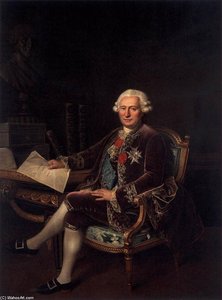
- Retrato de Jacques Necker: Demuestra su habilidad para retratar a individuos de diversos estratos sociales, capturando su esencia a través de detalles matizados.
- Retrato de Christoph Willibald Gluck: Una representación íntima del compositor en el trabajo, mostrando la habilidad de Duplessis para transmitir emoción e inspiración.
- Retrato de Christophe Gabriel Allegrain: Una descripción penetrante del escultor, destacando su oficio y personalidad.
El estilo de Duplessis se caracterizó por la claridad, la inmediatez y una notable capacidad para capturar el parecido y el carácter de sus retratados. Adaptó su enfoque según el estatus social del sujeto, desde retratos formales de la realeza hasta representaciones más íntimas de artistas e intelectuales. Su trabajo sirvió como puente entre la elegancia rococó y la contención neoclásica.
Significado Histórico
- Duplessis jugó un papel significativo en la configuración del retrato durante finales del siglo XVIII.
- Su habilidad para capturar el parecido y la personalidad de figuras prominentes, incluyendo a la realeza, intelectuales y revolucionarios, aseguró su legado duradero.
- La perdurable popularidad de su retrato de Benjamin Franklin subraya su contribución a la cultura visual y su impacto en cómo se perciben las figuras históricas.
- Es recordado como un artista hábil que navegó con éxito por el cambiante panorama artístico de su tiempo, dejando atrás una valiosa colección de retratos que ofrecen información sobre las vidas y personalidades de aquellos que moldearon la historia.
José-Siffredo Duplessis
1725 - 1802 , Francia
Breves datos
- Artistas Que Influyeron:
- Charles Le Brun
- Pierre Subleyras
- Joseph Vernet
- Fecha De Fallecimiento: 1 de abril de 1802
- Fecha De Nacimiento: 22 de septiembre de 1725
- Lugar De Nacimiento: Carpentras, Francia
- Movimiento Artístico: Rococó, Neoclasicismo
- Nacionalidad: Francés
- Nombre Completo: Joseph-Siffred Duplessis
- Obras Notables:
- Retrato de Benjamin Franklin
- Retrato de Luis XVI
- Retrato de Jacques Necker
- Retrato de Christoph Willibald Gluck