

 Ver en contexto
 Enviar
 Compartir
 Detalles

 Descargar
 Similares
 Radiografía
 Presentación de diapositivas
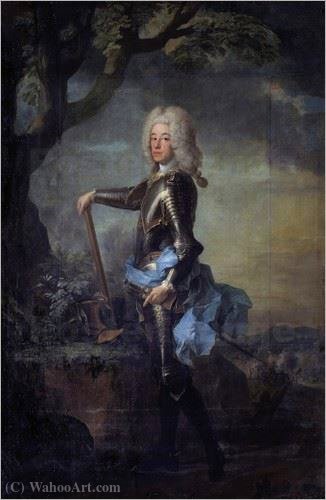
Charles Albert, elector of Bavaria
 Ver más
Reproducción al óleo hecha a mano
Óleo sobre lienzo pintado a mano en el tamaño y marco de su elección, realizado por encargo por nuestros artistas. ( Comprar impresión Comprar imagen)




































Elija entre nuestros tamaños predefinidos que respetan las proporciones originales de la obra.

Puede ingresar sus propias dimensiones para adaptarse a un marco o espacio específico. Si el tamaño seleccionado no coincide con las proporciones de la imagen original, recortaremos la obra o extenderemos la pintura con elementos adicionales pintados a mano. Se le enviará una maqueta digital para su aprobación antes de comenzar la producción.
Tenga en cuenta que la vista previa en pantalla no refleja el recorte o la extensión reales. Solo la maqueta mostrará con precisión la composición final.
Si bien existen tamaños personalizados, recomendamos seleccionar una dimensión de la lista predefinida para preservar las proporciones originales.
Tras realizar el pedido, el equipo de ArtsDot.com enviará un correo electrónico al cliente para solicitar instrucciones y proporcionarle una vista previa del boceto.
Envío a todo el mundo () en 3-4 semanas en lugar de las 5 semanas estándar. (23 agosto). Sin comprometer la calidad.

Envío exprés gratuito a todo el mundo

Lienzo de lino de alta calidad

Seguro de envío total

Garantía de reembolso de impuestos aduaneros

Garantía de fidelidad cromática exacta

Política de devolución de 60 días (solo por defectos)

Garantía de devolución del 100% del dinero

Descuento por cantidad
 La opción de vidrio solo está disponible en tamaños inferiores a 110 cm.

Charles Albert, elector of Bavaria
Técnica de reproducción
Dimensiones de la reproducción
-


Precio total final
$ 263
Obras relacionadas





Biografía del artista
Joseph Vivien: A Pastel Pioneer Shaping Bavarian Portraiture
Joseph Vivien (1657 – 5 December 1734) stands as a pivotal figure in the history of French pastel painting, recognized for his groundbreaking approach to capturing likeness and emotion. Born in Lyon, France, he embarked on an artistic journey that spanned across Europe, leaving indelible marks on both artistic innovation and royal patronage. His formative years were spent honing his skills within the influential atelier of Charles le Brun, arguably the most prominent academy painter of his era—a crucible for shaping stylistic sensibilities and mastering technical prowess. Vivien’s breakthrough arrived in Paris during the early 18th century when he swiftly gained acclaim for his pastel portraits. Unlike the prevailing oil technique, Vivien embraced the pastel medium with unparalleled fervor, exploiting its ability to achieve remarkable luminosity and immediacy. He skillfully blended pigment with gum arabic and chalk, creating delicate yet vibrant surfaces that conveyed a palpable sense of presence—a revolutionary departure from the more static representations favored by contemporaries. This distinctive style captivated audiences and established him as one of the foremost pastel artists of his time. His meticulous attention to detail and masterful blending techniques elevated pastel painting to new heights of expressive realism. His artistic ascent continued when he secured membership in the Académie royale de peinture et de sculpture in 1701, officially designated “peintre en pastel.” This prestigious affiliation afforded him access to royal commissions and fostered collaborations with influential figures within the court, notably elevating him to Counselor of the Academy and securing lodging under royal auspices at the Manufactory of Gobelins—a testament to his artistic merit and governmental recognition. Recognizing Vivien’s exceptional talent, Maximilian Emmanuel, elector of Bavaria, invited him to Munich where he served as First Painter to the Elector's brother, bolstering his reputation further. During this period, Vivien undertook ambitious projects that showcased both his pastel and oil painting skills, solidifying his position as a leading artist in Bavaria’s cultural landscape. Vivien’s final masterpiece – a monumental canvas depicting the entire Habsburg family – exemplifies his ambition and artistic vision. Undertaken during his tenure in Bonn, this ambitious project showcased Vivien’s mastery of oil painting alongside his established pastel technique. The resulting portrait powerfully conveyed familial unity and regal grandeur, cementing his legacy as one of Bavaria's most celebrated artists. It stands as a testament to his dedication to capturing the essence of royal lineage with unparalleled artistry. Vivien’s influence extended beyond his own output; he mentored younger painters and disseminated his innovative methods, shaping the artistic landscape of his time. His pioneering use of pastel remains a cornerstone of Baroque portraiture, demonstrating an enduring fascination with capturing fleeting expressions and luminous textures—a legacy that continues to inspire artists today. He is remembered not merely as a painter but as a visionary who fundamentally altered the conventions of visual representation.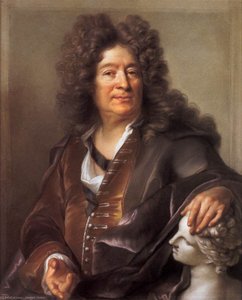
Joseph Vivien
1657 - 1734 , Francia
Datos clave
- Artistic Movement Or Style: Pastoralismo
- Artists Who Influenced This Artist: ['Charles Le Brun']
- Date Of Birth: Lyon, Francia
- Date Of Death: 1734
- Full Name: Joseph Vivien
- Nationality: Francés
- Notable Artworks:
- Retrato del correo Joseph Roulin
- Jacob Benissant Le Fils De Joseph Detail
- Place Of Birth: Lyon

