 Ver en contexto
 Enviar
 Compartir
 Detalles

 Descargar
 Similares
 Radiografía
 Presentación de diapositivas
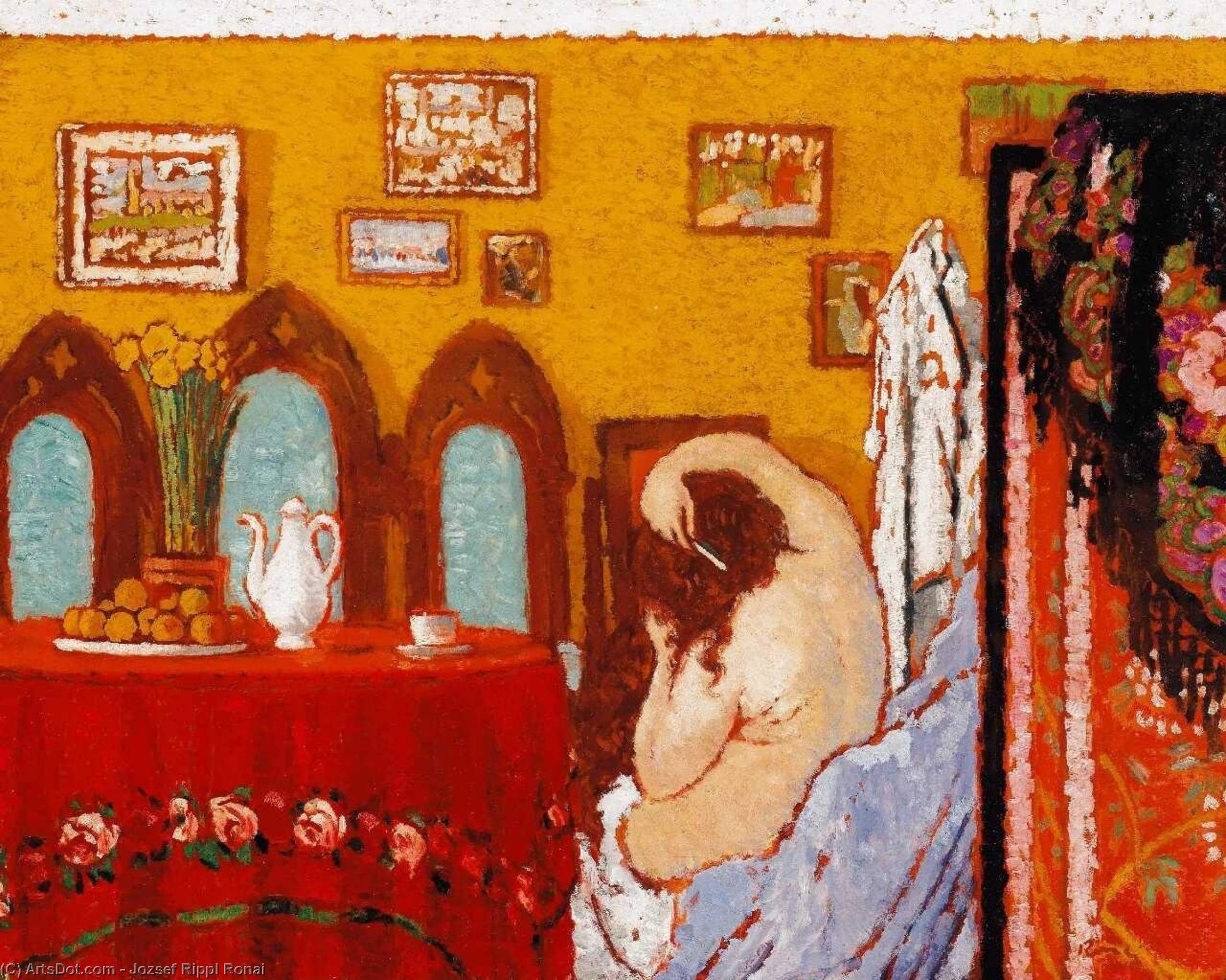
Woman Combing Her Hair


 Ver más
Giclée / Impresión de arte
Impresiones giclée o en lienzo de calidad de museo con producción rápida y opciones de acabado flexibles. ( Comprar pintura hecha a mano Comprar imagen)




P118B $10

P118H $10

P118W $10

P438Z $10

P508JH $12

P508YH $12

P805H $10

P805Z $10

P919BZ $10

P919G $10

P919XJ $10

P959ZH $10

P968JZ $12

W106C $8

W218G $10

W218JH $8

W218Y $10

W307PJ $10

W316G $10

W316PJ $8

W316Y $10

W398PJ $8

W4111J $10

W500HY $15

W500JH $15

W692G $12

W849H $8

W940BG $15

W953PJ $8




Elija entre nuestros tamaños predefinidos que respetan las proporciones originales de la obra.

Puede introducir sus propias dimensiones para adaptarse a un marco o espacio específico. Si el tamaño seleccionado no coincide con las proporciones de la imagen original, recortaremos la obra de arte o extenderemos la imagen con un borde con efecto espejo o de color sólido. Se enviará una maqueta digital para su aprobación antes de que comience la producción.
Tenga en cuenta que la vista previa en pantalla no refleja el recorte o la extensión real. Solo la maqueta mostrará con precisión la composición final.
Aunque existen tamaños personalizados, recomendamos seleccionar una dimensión de la lista predefinida para preservar las proporciones originales.
Envío a todo el mundo () en 2 semanas en lugar de las 4/5 semanas estándar. (23 agosto)

Envío exprés gratuito a todo el mundo

Lienzo de lino de alta calidad

Seguro de envío total

Garantía de reembolso de impuestos aduaneros

Garantía de fidelidad cromática exacta

Política de devolución de 60 días (solo por defectos)

Garantía de devolución del 100% del dinero

Descuento por cantidad
 La opción de vidrio solo está disponible en tamaños inferiores a 110 cm.

Woman Combing Her Hair
Giclée / Impresión de arte
Dimensiones de la reproducción
-


Precio total final
$ 62
Descripción de la pieza
An Intimate Encounter with Light and Solitude
In the quietude of a private chamber, József Rippl-Rónai captures a moment that feels both fleeting and eternal. Woman Combing Her Hair is not merely a portrait of a daily ritual; it is an evocative window into the soul of domestic tranquility. Painted in 1909, this masterpiece invites the viewer to step into a world bathed in warm, golden light, where the frantic pace of the outside world dissolves into a serene, meditative stillness. The subject, lost in the rhythmic motion of tending to her hair, embodies a profound sense of introspection. As she sits upon the edge of her bed, the soft glow of the room wraps around her like a silent embrace, turning an ordinary morning routine into a sacred, quiet ceremony.
The composition is masterfully arranged to evoke a sense of cozy intimacy, making it an ideal centerpiece for any space designed for relaxation and contemplation. Through the placement of delicate elements—a red table adorned with a vase, lush potted plants flanking the windows, and the gentle presence of a cup resting nearby—Rippl-Rónai constructs a narrative of comfort and domestic grace. For the interior designer or art collector, this piece offers more than just visual beauty; it provides an emotional anchor, a way to infuse a room with a sense of peace and timeless elegance.
A Masterful Fusion of Impressionism and Symbolism
Technically, Woman Combing Her Hair stands as a testament to Rippl-Rónai’s position at the forefront of Hungarian modernism. The artist skillfully weaves together the luminous qualities of Impressionism with the deeper, more emotive layers of Post-Impressionism and Symbolism. His brushwork is remarkably soft, utilizing muted colors and delicate strokes to create a dreamlike atmosphere that feels almost tactile. This technique allows the light to appear as if it is vibrating within the room itself, casting a gentle radiance over the woman’s serene face and the textures of her surroundings.
Beyond the surface beauty lies a deeper symbolic resonance. The act of combing one's hair often serves as a metaphor for self-reflection and the preparation of the spirit. In this painting, the mirror and the ritualistic nature of the movement suggest a moment of profound self-awareness. The interplay between the shadows and the golden light creates a chiaroscuro effect that adds depth and mystery to the scene, prompting the viewer to wonder about the thoughts passing through the subject's mind. It is this layer of psychological depth, combined with his exquisite command of color, that makes Rippl-Rónai’s work so enduringly captivating for those who seek art that speaks to the human condition.
A Timeless Addition to the Discerning Collection
For those looking to acquire a high-quality reproduction, this painting represents an opportunity to own a piece of art history. The legacy of József Rippl-Rónai is one of innovation and emotional honesty, and Woman Combing Her Hair remains one of his most poignant achievements. Whether displayed in a sunlit reading nook or as a focal point in a sophisticated living area, the painting brings with it an aura of sophistication and calm.
Owning a hand-painted oil reproduction of this work allows the textures of the original 1909 panel to be felt anew. The subtle nuances of the muted palette and the warmth of the golden tones are preserved through meticulous craftsmanship, ensuring that the emotional impact of the original—that sense of being a silent witness to a private, beautiful moment—is fully realized in your own home. It is an investment in atmosphere, a tribute to the beauty found in life's most quiet and unassuming intervals.
Obras relacionadas
Biografía del artista
József Rippl-Rónai: Pionero del Modernismo Húngaro
- Nacido: Kápósvar, Hungría (1861)
- Fallecido: 1927
József Rippl-Rónai fue una figura clave en la introducción y desarrollo de movimientos artísticos modernos dentro de la escena artística húngara. Nacido en 1861 en Kaposvár, Hungría, su trayectoria como artista lo llevó a través de una rigurosa formación y exposición a diversas influencias que moldearon su estilo único.
Primeros Años y Desarrollo Artístico
La educación artística formal de Rippl-Rónai comenzó en la Academia de Bellas Artes de Múnich antes de continuar en la Académie Julian en París. Sus primeras obras demostraron un uso vibrante del color, pinceladas audaces y composiciones innovadoras, reflejando su compromiso con el Impresionismo, Postimpresionismo y Simbolismo. Una pieza temprana notable, *El Mesón en Pont-Aven*, estableció su capacidad para transmitir la atmósfera a través de paletas de colores matizadas y técnicas expresivas. Estuvo influenciado por Mihály Munkácsy y más tarde abrazó las filosofías de Les Nabis.
Obras Clave y Estilo Artístico
- Mi Abuela (1894): Esta pintura marcó un punto de inflexión significativo en la carrera de Rippl-Rónai, logrando un éxito considerable y mostrando su estilo en evolución.
- Retrato de la Pianista y Compositora Húngara Zdenka Ticharich (1921): Demuestra su versatilidad como artista retratista.
- Exposición "Impresiones Rippl-Rónai 1890-1900": Aunque inicialmente recibió una recepción mixta en Hungría, esta exposición finalmente ganó reconocimiento y solidificó su posición dentro del mundo del arte.
Su estilo artístico evolucionó con el tiempo, caracterizado por una progresión de obras más oscuras y atmosféricas a composiciones más brillantes y fragmentadas, a menudo referidas como "granos de maíz", donde los parches distintos de color crean un efecto visual texturizado.
Legado y Reconocimiento
- Museo Rippl-Rónai (Kaposvár): Establecido en 1934, este museo alberga más de 400 de sus pinturas, dibujos y objetos personales, sirviendo como un centro vital para preservar y promover su legado.
- Influencia en el Arte Húngaro: Rippl-Rónai jugó un papel crucial en la introducción de conceptos artísticos modernos a Hungría, inspirando a generaciones posteriores de artistas.
- Contribuciones al Diseño: Más allá de la pintura, contribuyó significativamente al diseño, realizando encargos como el diseño de interiores del palacio Andrássy y creando vidrieras para el Museo Ernst.
Las contribuciones de József Rippl-Rónai al arte moderno húngaro son innegables. Su enfoque innovador del color, la composición y el tema cimentaron su lugar como una figura clave en el desarrollo de la identidad artística húngara durante un período de cambio significativo.
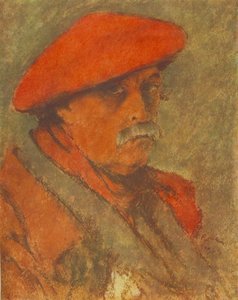
József Rippl-Rónai
1861 - 1927 , Hungría
Datos clave
- Artistas Que Influyeron:
- Mihály Munkácsy
- Les Nabis
- Fecha De Fallecimiento: 25 de noviembre de 1927
- Fecha De Nacimiento: 23 de mayo de 1861
- Lugar De Nacimiento: Kápósvar, Hungría
- Movimiento Artístico:
- Impresionismo
- Postimpresionismo
- Simbolismo
- Nacionalidad: Húngaro
- Nombre Completo: József Rippl-Rónai
- Obras Notables:
- Mi Abuela (1894)
- Retrato de Zdenka Ticharich
- El Mesón en Pont-Aven
Artículos relacionados
Las 10 Obras Maestras Cobre: Arte Clásico para Decoración Sofisticada | ArtsDot
Descubre las 10 pinturas más famosas dominadas por tonos cobre. Explora la historia, artistas como Rembrandt y Vermeer, y el impacto del color en obras maestras clásicas. Encuentra reproducciones de arte de museo en ArtsDot.com.

Los 10 Maestros del Siglo de Oro Holandés: Arte, Historia y Decoración Exclusiva
Descubre los 10 imprescindibles del Siglo de Oro Holandés: Rembrandt, Vermeer y más. Explora la historia, técnica y belleza de estos lienzos clásicos. Encuentra reproducciones de arte exclusivas para decorar tu hogar en .

Gustav Klimt: Las 25 Obras Maestras que Definen un Ícono del Arte Moderno | ArtsDot
Descubre las 25 obras maestras de Gustav Klimt, ícono del simbolismo y Art Nouveau. Explora 'El Beso', 'Judith' y más. Reproducciones de arte en ArtsDot.com para decorar tu hogar con elegancia. ¡Inspírate!
Gerrit Dou: Intimacy & Light in the Dutch Golden Age
Explore the exquisite world of Gerrit Dou, a master of Dutch Golden Age painting. Discover his intimate genre scenes, signature use of light, and lasting legacy. Learn about collecting Dou's works & their value.

Reflejos de una Época Dorada: La Pintura Barroca Holandesa y la Innovación Cultural
Descubra la riqueza y el detalle de la pintura barroca holandesa del Siglo de Oro. Explore las obras maestras de Rembrandt, Vermeer y otros artistas clave. Análisis experto e historia cultural.