 Ver en contexto
 Enviar
 Compartir
 Detalles

 Descargar
 Similares
 Radiografía
 Presentación de diapositivas
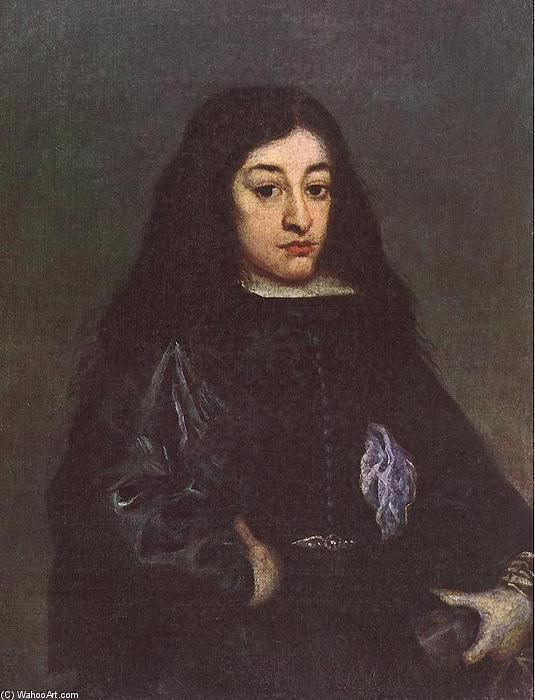
Portrait of Don Juan José de Austria (.)
 Oil On Canvas
- WallArt
- Baroque
 1640
1640 78.0 x 61.0 cm
 Museo de las Artes de Budapest
 Ver más
Giclée / Impresión de arte
Impresiones giclée o en lienzo de calidad de museo con producción rápida y opciones de acabado flexibles. ( Comprar pintura hecha a mano Comprar imagen)




P118B $10

P118H $10

P118W $10

P438Z $10

P508JH $12

P508YH $12

P805H $10

P805Z $10

P919BZ $10

P919G $10

P919XJ $10

P959ZH $10

P968JZ $12

W106C $8

W218G $10

W218JH $8

W218Y $10

W307PJ $10

W316G $10

W316PJ $8

W316Y $10

W398PJ $8

W4111J $10

W500HY $15

W500JH $15

W692G $12

W849H $8

W940BG $15

W953PJ $8




Elija entre nuestros tamaños predefinidos que respetan las proporciones originales de la obra.

Puede introducir sus propias dimensiones para adaptarse a un marco o espacio específico. Si el tamaño seleccionado no coincide con las proporciones de la imagen original, recortaremos la obra de arte o extenderemos la imagen con un borde con efecto espejo o de color sólido. Se enviará una maqueta digital para su aprobación antes de que comience la producción.
Tenga en cuenta que la vista previa en pantalla no refleja el recorte o la extensión real. Solo la maqueta mostrará con precisión la composición final.
Aunque existen tamaños personalizados, recomendamos seleccionar una dimensión de la lista predefinida para preservar las proporciones originales.
Envío a todo el mundo () en 2 semanas en lugar de las 4/5 semanas estándar. (29 agosto)

Envío exprés gratuito a todo el mundo

Lienzo de lino de alta calidad

Seguro de envío total

Garantía de reembolso de impuestos aduaneros

Garantía de fidelidad cromática exacta

Política de devolución de 60 días (solo por defectos)

Garantía de devolución del 100% del dinero

Descuento por cantidad
 La opción de vidrio solo está disponible en tamaños inferiores a 110 cm.

Portrait of Don Juan José de Austria (.)
Giclée / Impresión de arte
Dimensiones de la reproducción
-


Precio total final
$ 62
A Glimpse into Spanish Aristocracy: The Enigmatic Portrait
Juan Carreño de Miranda’s “Portrait of Don Juan José de Austria (?)”, painted in 1640, offers a remarkably intimate and subtly unsettling window into the world of 17th-century Spanish nobility. More than just a likeness, it's a carefully constructed tableau of formality, power, and perhaps, a hint of melancholy—a testament to the artist’s mastery of Baroque portraiture and his keen understanding of psychological depth. The painting immediately commands attention with its dramatic use of light and shadow, creating an atmosphere of solemn dignity that contrasts sharply with the subject's somewhat guarded expression.
The figure, identified only as “Don Juan José de Austria (?)”, is presented in a classic bust-length format, typical of the era. He’s dressed in rich, dark fabrics—deep browns and blacks dominate—that speak to his status and wealth. The intricate lace collar, a hallmark of aristocratic attire, adds a layer of opulence while simultaneously hinting at the constraints placed upon him by societal expectations. Notice the subtle details: the carefully arranged folds of his clothing, the precise rendering of his hands resting calmly on his lap – each element contributes to an overall impression of controlled composure.
The Baroque Palette and Velázquez’s Influence
Carreño de Miranda's technique is deeply rooted in the traditions of the Spanish Baroque, yet it possesses a distinctive quality. The painting demonstrates a clear influence from both Diego Velázquez, the court painter to Philip IV, and the Flemish master, Van Dyck, known for his refined portraits of royalty. Like Velázquez, Carreño skillfully employs chiaroscuro – the dramatic contrast between light and dark – to sculpt the subject’s form and imbue the scene with a sense of three-dimensionality. The use of muted colors, particularly the deep browns and blacks, creates a somber mood, while subtle hints of purple in the lace collar offer a delicate counterpoint.
The composition itself is carefully balanced, drawing the eye to the subject’s face—a region rendered with meticulous detail. The artist's attention to texture is particularly noteworthy; you can almost feel the weight and smoothness of the fabrics through the brushstrokes. The dark background serves not merely as a backdrop but actively shapes the image, isolating the figure and intensifying its presence.
Symbolism and Historical Context
Dating back to 1640, this portrait reflects the political and social climate of Spain during the reign of Philip IV. The Habsburg dynasty was at the height of its power, yet facing increasing challenges from rival European nations. The subject’s somber demeanor and formal pose suggest a man burdened by responsibility—perhaps reflecting the anxieties of leadership in a turbulent era. It's speculated that this portrait may be related to the figure of Don Juan José de Austria, a member of the royal family and a potential heir to the throne. The ambiguity surrounding his identity adds an intriguing layer of mystery to the work.
Interestingly, earlier interpretations attributed the painting to Juan Bautista del Mazo, another prominent Spanish artist of the period. Further research reveals that Carreño’s style shares similarities with Velázquez's approach to portraying nobility, particularly in his use of psychological realism and subtle expressions. The portrait stands as a compelling example of how artists captured not just physical likenesses but also the complex inner lives of their subjects.
A Timeless Masterpiece: Reproduction Possibilities
Reproductions of “Portrait of Don Juan José de Austria (?)” offer an exceptional opportunity to bring this captivating work into any interior space. The rich colors, intricate details, and evocative atmosphere will undoubtedly serve as a focal point, adding a touch of historical elegance and artistic sophistication. When selecting a reproduction, consider the quality of materials used – a hand-painted reproduction on canvas or linen will best capture the original’s texture and depth. This piece is more than just an image; it's a window into a bygone era—a testament to the enduring power of art to transport us through time.
Obras relacionadas



Biografía del artista
Juan Carreño de Miranda: Vida y Legado
Primeros Años y Formación
Juan Carreño de Miranda nació en Avilés, España, en 1614. Era el hijo de un pintor con el mismo nombre, Juan Carreño el Mayor. En 1623, su familia se trasladó a Madrid, marcando un cambio crucial en su trayectoria artística. Allí, comenzó su formación formal a finales de la década de 1620 como aprendiz bajo la tutela de Pedro de las Cuevas y Bartolomé Román. Este período fundamental le inculcó las habilidades técnicas y la sensibilidad estética que definirían su obra futura.
Ascenso en la Prominencia y Comisiones Reales
Carreño rápidamente ganó reconocimiento por su talento, atrayendo la atención de Diego Velázquez mismo. Sus primeras obras, notablemente aquellas dentro del claustro de Doña María de Aragón y la Iglesia de la Virgen del Rosario en Marlofa (La Joyosa), demostraron una prometedora visión artística. En 1658, obtuvo un papel importante como asistente en una comisión real para crear frescos para el Alcázar de Madrid – tragicamente destruidos por un incendio en 1734.
Pintor de Cámara y Retratos
Un momento decisivo llegó en 1671 con la muerte de Sebastián de Herrera, lo que llevó a Carreño a ser nombrado pintor de cámara de la Reina (pintor de cámara). Esta posición consolidó su estatus dentro de la élite artística española y dirigió su enfoque hacia el retrato. Se convirtió en un nombre reconocido por capturar los rasgos de la familia real española y sus cortesanos con un realismo y profundidad psicológica sin precedentes.
Estilo Artístico e Influencias
El estilo de Juan Carreño de Miranda está firmemente arraigado en la tradición del Barroco español. Combinó hábilmente la precisión técnica con una profunda comprensión del carácter humano, lo que resultó en retratos que eran visualmente impactantes y psicológicamente perspicaces. Su obra demuestra claras influencias de Velázquez, particularmente en su uso de la luz y la sombra y su capacidad para transmitir la personalidad a través de detalles sutiles.
- Realismo: Un compromiso con la representación precisa de las características físicas y la vestimenta.
- Perspicacia Psicológica: Capturar el carácter interior y el estatus de sus sujetos.
- Drama Barroco: Utilizar una iluminación y composición dramáticas para mejorar el impacto visual.
Logros Importantes y Obras Notables
Si bien Carreño produjo algunos retablos en sus primeros años, es mejor recordado por sus retratos. Algunas de sus obras más celebradas incluyen:
- Carlos II como Gran Maestre de la Lana Dorada
- Retrato de la Reina Mariana de Austria
- Retrato del Duque de Pastrana
- Retratos de varios miembros de la familia real y la corte española.
Legado e Importancia Histórica
El legado de Juan Carreño de Miranda reside en su magistral representación del palacio español durante un período de importantes cambios políticos y sociales. Sus retratos ofrecen valiosos conocimientos sobre la vida y las personalidades de aquellos que moldearon la historia de España. Formó a varios alumnos notables, entre ellos Mateo Cerezo, Cabezalero, Donoso, Ledesma y Sotomayor, asegurando la continuación de su estilo artístico e influencia. Su capacidad para documentar a la familia real con tal realismo sin precedentes consolidó su lugar como una figura clave en el arte barroco español.
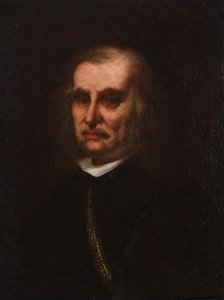
juan de miranda
1614 - 1685 , España
Datos clave
- Artistic Movement Or Style: Barroco español
- Artists Or Movements Influenced By This Artist: ['Mateo Cerezo']
- Artists Who Influenced This Artist: ['Diego Velázquez']
- Date Of Birth: Avilés, España
- Date Of Death: Madrid, España
- Full Name: Juan Carreño de Miranda
- Nationality: Español
- Notable Artworks:
- Carlos II como Gran Maestre de la Lana Dorada
- Retrato de la Reina Mariana de Austria
- Retrato del Duque de Pastrana
- Place Of Birth: España
Artículos relacionados

Goya: Las 25 Obras Maestras del Genio Español | Reproducciones de Arte en ArtsDot
Descubre las 25 obras maestras de Goya, el genio español. Explora retratos icónicos, 'Los Caprichos' y 'Las Pinturas Negras'. Reproducciones de arte en lienzo de alta calidad para decorar tu hogar con estilo. ¡Encuentra tu obra favorita en ArtsDot.com!

The Golden Age Reforged: Dramatic Realism & Religious Zeal in Spanish Baroque Art
Explore the dramatic world of Spanish Baroque art! Discover masters like Zurbarán & the powerful influence of religious zeal on painting techniques – a guide for collectors and enthusiasts.
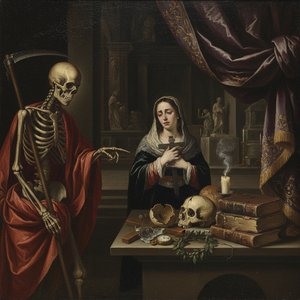
Juan de Valdés Leal: Baroque Realism, Memento Mori & Theatricality of Spanish Grief
Explore the powerful Baroque realism of Juan de Valdés Leal (1622-1690). Discover his somber masterpieces, iconic 'In Ictu Oculi', and profound explorations of mortality. Museum-quality reproductions available at ArtsDot.
Decoding Baroque Grandeur: A Guide to the Drama and Emotion of 17th-Century Art
Explore the breathtaking drama of 17th-century Baroque art. Our expert guide decodes the use of chiaroscuro, emotional intensity, and historical grandeur to help you appreciate and curate timeless masterpieces for your collection.

The Dramatic Flourish: Exploring the Baroque Movement's Enduring Legacy in Art History
Explore the dramatic world of Baroque art! Discover iconic artists like Caravaggio & Rubens, defining techniques, and its lasting impact on art history. Expert insights for collectors & enthusiasts at ArtsDot.