

 Ver en contexto
 Enviar
 Compartir
 Detalles

 Descargar
 Similares
 Radiografía
 Presentación de diapositivas
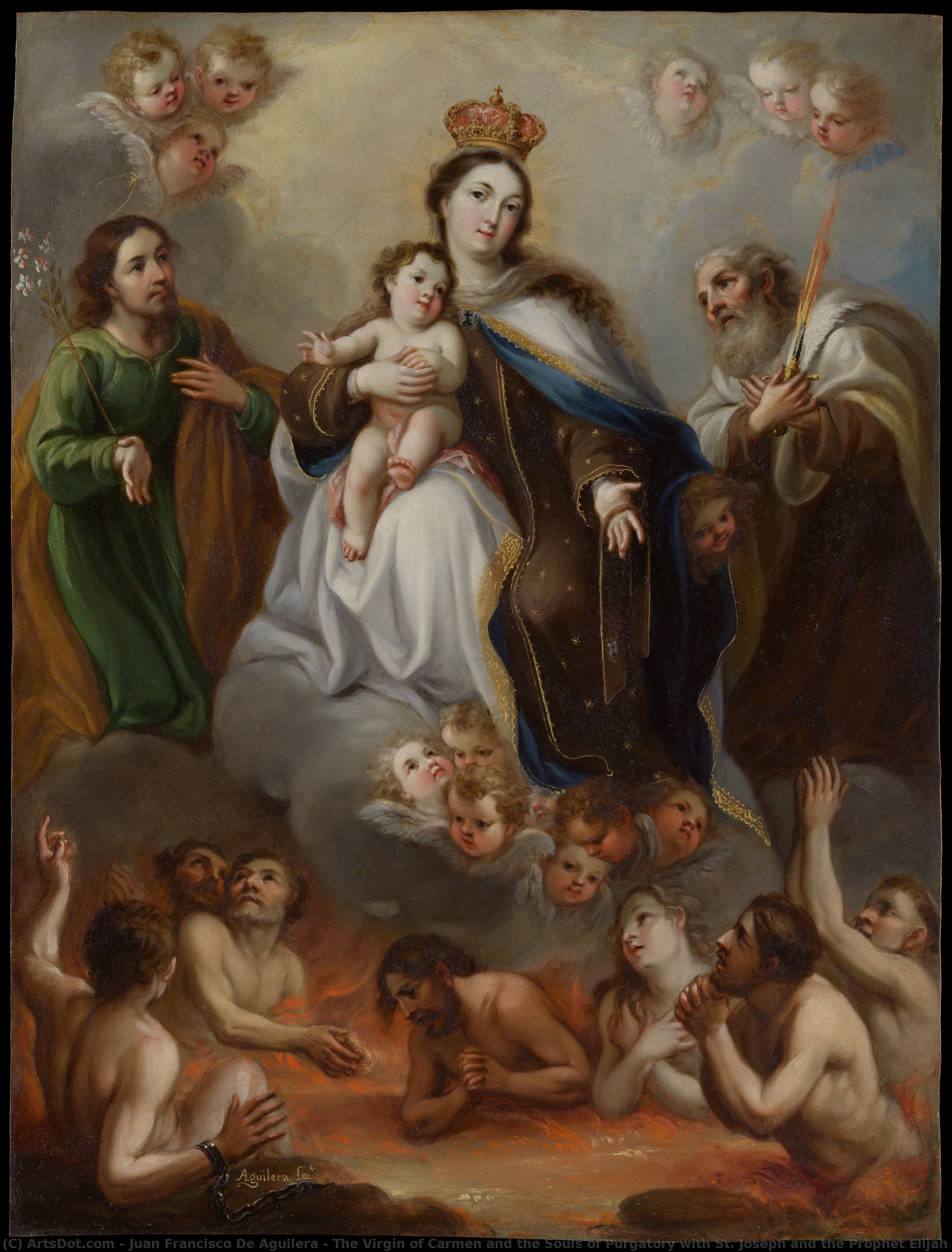
The Virgin of Carmen and the Souls of Purgatory with St. Joseph and the Prophet Elijah
 Oil On Copper
- Baroque
 1720
1720- Early Modern
 33.0 x 25.0 cm
 Museo Metropolitano de Arte
 Ver más
Reproducción al óleo hecha a mano
Óleo sobre lienzo pintado a mano en el tamaño y marco de su elección, realizado por encargo por nuestros artistas. ( Comprar impresión Comprar imagen)




P118B $10

P118H $10

P118W $10

P438Z $10

P508JH $12

P508YH $12

P805H $10

P805Z $10

P919BZ $10

P919G $10

P919XJ $10

P959ZH $10

P968JZ $12

W106C $8

W218G $10

W218JH $8

W218Y $10

W307PJ $10

W316G $10

W316PJ $8

W316Y $10

W398PJ $8

W4111J $10

W500HY $15

W500JH $15

W692G $12

W849H $8

W940BG $15

W953PJ $8




Elija entre nuestros tamaños predefinidos que respetan las proporciones originales de la obra.

Puede ingresar sus propias dimensiones para adaptarse a un marco o espacio específico. Si el tamaño seleccionado no coincide con las proporciones de la imagen original, recortaremos la obra o extenderemos la pintura con elementos adicionales pintados a mano. Se le enviará una maqueta digital para su aprobación antes de comenzar la producción.
Tenga en cuenta que la vista previa en pantalla no refleja el recorte o la extensión reales. Solo la maqueta mostrará con precisión la composición final.
Si bien existen tamaños personalizados, recomendamos seleccionar una dimensión de la lista predefinida para preservar las proporciones originales.
Tras realizar el pedido, el equipo de ArtsDot.com enviará un correo electrónico al cliente para solicitar instrucciones y proporcionarle una vista previa del boceto.
Envío a todo el mundo () en 3-4 semanas en lugar de las 5 semanas estándar. (7 septiembre). Sin comprometer la calidad.

Envío exprés gratuito a todo el mundo

Lienzo de lino de alta calidad

Seguro de envío total

Garantía de reembolso de impuestos aduaneros

Garantía de fidelidad cromática exacta

Política de devolución de 100 días (solo por defectos)

Garantía de devolución del 100% del dinero

Descuento por cantidad
 La opción de vidrio solo está disponible en tamaños inferiores a 110 cm.

The Virgin of Carmen and the Souls of Purgatory with St. Joseph and the Prophet Elijah
Técnica de reproducción
Dimensiones de la reproducción
-


Precio total final
$ 263
A Vision of Divine Intercession: The Virgin of Carmen
To gaze upon Juan Francisco de Aguilera's "The Virgin of Carmen and the Souls of Purgatory with St. Joseph and the Prophet Elijah" is to step directly into a moment suspended between earthly suffering and heavenly grace. This small, yet profoundly impactful painting, executed in 1720 on copper, transcends mere depiction; it is an act of spiritual devotion rendered visible. Aguilera masterfully captures the ephemeral quality of divine light, allowing the viewer to feel the very atmosphere of profound prayer. The central focus remains the Virgin Mary, cradling the infant Jesus—a timeless tableau of maternal divinity—while she acts as the compassionate intermediary for souls trapped in the shadowy realm of Purgatory.
Baroque Drama and Luminous Technique
Aguilera’s technical prowess is immediately apparent. He was a pioneer in capturing fleeting effects of light, a hallmark that would significantly influence the trajectory of Baroque art throughout New Spain and beyond. The way the light seems to emanate from the divine figures, illuminating the faces of the supplicants and casting gentle glows upon the angels, gives the scene an almost palpable luminescence. This mastery over chiaroscuro, combined with his delicate handling of oil on copper, elevates the piece from a devotional image to a breathtaking study in atmospheric realism. It speaks to an era where art served not just as decoration, but as a vital conduit for spiritual experience.
A Tapestry of Sacred Symbolism
The composition is richly layered with theological weight. Flanking the central mystery are venerable figures such as St. Joseph and the Prophet Elijah, their presence lending historical depth and prophetic resonance to Mary's intercession. The inclusion of souls kneeling in supplication grounds the divine narrative in human experience, while the visible swords serve as potent symbols—perhaps representing spiritual guidance or the necessary defense against sin. Even the depiction of multiple babies, held by angels and present within the scene, adds layers of blessing and continuity to this sacred gathering. Every element seems placed with deliberate, symbolic intention.
Historical Echoes for the Modern Collector
Housed originally in esteemed collections like The Metropolitan Museum of Art, this work offers a tangible link to the artistic zenith of the early eighteenth century in Mexico City. For those who appreciate historical depth or seek an object that carries the weight of cultural legacy, Aguilera’s genius is undeniable. Owning a reproduction of this piece allows one to bring home not just a painting, but a segment of New Spanish artistic history—a testament to faith, skill, and enduring human aspiration. It serves beautifully as a focal point for any space desiring an aura of profound reverence and classical artistry.
Obras relacionadas
Biografía del artista
Early Life and Influences
Juan Francisco de Aguilera, a cornerstone of Mexican art during the second decade of the eighteenth century, left an indelible mark on the nation’s artistic heritage. Born in Mexico City around 1700, his formative years were steeped in the intellectual fervor of the Enlightenment, fostering an appreciation for observation and experimentation that would profoundly shape his artistic vision. While biographical details remain scarce, scholars believe he honed his skills under the tutelage of prominent Baroque painters like Miguel Ángel Juárez Sánchez, absorbing techniques rooted in chiaroscuro—the dramatic interplay of light and shadow—a stylistic hallmark of the era. This influence is particularly evident in his later works, where he skillfully manipulated illumination to convey emotion and heighten visual impact.Artistic Contributions
Aguilera’s most celebrated achievement resides in “The Virgin of Carmen and the Souls of Purgatory with St. Joseph and the Prophet Elijah,” a masterpiece that encapsulates the essence of Spanish Baroque art. Executed circa 1720, this monumental painting transcends mere representation; it embodies a spiritual quest for transcendence through meticulous attention to detail and masterful use of atmospheric lighting. The artist’s technique—characterized by delicate brushstrokes and subtle gradations of color—creates an ethereal luminescence that envelops the figures within, conveying a palpable sense of solemnity and devotion. This piece stands as a testament to Aguilera's ability to translate theological concepts into compelling visual narratives.Notable Artwork Collections
Aguilera’s artistic legacy extends beyond individual canvases; it finds resonance in prestigious collections such as “Colección Andrés Blaisten,” showcasing his oeuvre alongside masterpieces by other luminaries of Mexican Baroque art. This collection provides invaluable insight into the stylistic trends and intellectual currents that defined the period, highlighting Aguilera's contribution to a broader artistic dialogue. Furthermore, his works are prominently displayed at Museo Nacional de Arte, where visitors can contemplate their enduring beauty and symbolic depth.Influence on Subsequent Artists
Aguilera’s innovative approach to lighting—a departure from prevailing conventions—served as an inspiration for generations of Mexican painters who followed him. His pioneering use of chiaroscuro established a precedent for capturing the emotional resonance of religious subjects, influencing artists eager to explore new expressive possibilities. Scholars continue to analyze his techniques and stylistic choices, recognizing their significance in shaping the trajectory of Mexican art history.Historical Significance
Juan Francisco de Aguilera’s oeuvre represents a pivotal moment in Mexican artistic development—a transition from Mannerism to Baroque that signaled a renewed engagement with classical ideals while simultaneously embracing dramatic visual effects. His work embodies the spirit of Enlightenment thought, reflecting a profound preoccupation with spiritual contemplation and conveying a powerful sense of faith through meticulously crafted imagery. As a symbol of Mexico’s artistic heritage, Aguilera's masterpiece continues to captivate audiences worldwide, ensuring his enduring place among the most influential painters of his time.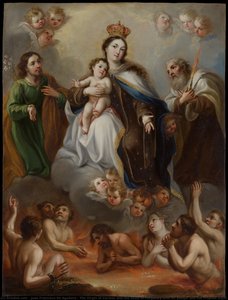
Juan Francisco de Aguilera
México
Datos clave
- Artistic Movement Or Style: Barroco español
- Full Name: Juan Francisco de Aguilera
- Nationality: Mexicano
- Notable Artworks:
- La Virgen y el Niño con san Juan 1
- El Carmen y los espíritus purgatorios con San José y el profeta Elías
- Place Of Birth: Ciudad de México, México
Artículos relacionados

Goya: Las 25 Obras Maestras del Genio Español | Reproducciones de Arte en ArtsDot
Descubre las 25 obras maestras de Goya, el genio español. Explora retratos icónicos, 'Los Caprichos' y 'Las Pinturas Negras'. Reproducciones de arte en lienzo de alta calidad para decorar tu hogar con estilo. ¡Encuentra tu obra favorita en ArtsDot.com!

Acerca de nosotros
Descubre nuestra historia! Llevamos el arte de clase mundial a tu vida gracias a una selección experta, creaciones personalizadas y vistas previas gratuitas. Aprobado por particulares y empresas desde el año 2000.
Francisco de Zurbarán: Mysticism, Realism & the Golden Age of Spanish Painting
Explore the captivating world of Francisco de Zurbarán, a master of Spanish Baroque painting. Discover his dramatic tenebrism, religious masterpieces like 'La Porciúncula,' and lasting influence on art history.
Juan de Valdés Leal: Baroque Realism, Memento Mori & Theatricality of Spanish Grief
Explore the powerful Baroque realism of Juan de Valdés Leal (1622-1690). Discover his somber masterpieces, iconic 'In Ictu Oculi', and profound explorations of mortality. Museum-quality reproductions available at ArtsDot.
Pieter de Hooch: Illuminating Dutch Domestic Life & Golden Age Charm
Explore the captivating world of Pieter de Hooch, a master of Dutch Golden Age painting. Discover his innovative use of light, intimate domestic scenes, and lasting influence on art history. Learn more at ArtsDot.