 Ver en contexto
 Enviar
 Compartir
 Detalles

 Descargar
 Similares
 Radiografía
 Presentación de diapositivas
Glass and Ace of Clubs
 Oil On Board
- WallArt
- Cubism
 1917
1917- Modern
 41.0 x 27.0 cm
 Tel Aviv Museum of Art
 Ver más
Reproducción al óleo hecha a mano
Óleo sobre lienzo pintado a mano en el tamaño y marco de su elección, realizado por encargo por nuestros artistas. ( Comprar impresión Comprar imagen)




P118B $10

P118H $10

P118W $10

P438Z $10

P508JH $12

P508YH $12

P805H $10

P805Z $10

P919BZ $10

P919G $10

P919XJ $10

P959ZH $10

P968JZ $12

W106C $8

W218G $10

W218JH $8

W218Y $10

W307PJ $10

W316G $10

W316PJ $8

W316Y $10

W398PJ $8

W4111J $10

W500HY $15

W500JH $15

W692G $12

W849H $8

W940BG $15

W953PJ $8




Elija entre nuestros tamaños predefinidos que respetan las proporciones originales de la obra.

Puede ingresar sus propias dimensiones para adaptarse a un marco o espacio específico. Si el tamaño seleccionado no coincide con las proporciones de la imagen original, recortaremos la obra o extenderemos la pintura con elementos adicionales pintados a mano. Se le enviará una maqueta digital para su aprobación antes de comenzar la producción.
Tenga en cuenta que la vista previa en pantalla no refleja el recorte o la extensión reales. Solo la maqueta mostrará con precisión la composición final.
Si bien existen tamaños personalizados, recomendamos seleccionar una dimensión de la lista predefinida para preservar las proporciones originales.
Tras realizar el pedido, el equipo de ArtsDot.com enviará un correo electrónico al cliente para solicitar instrucciones y proporcionarle una vista previa del boceto.
Envío a todo el mundo () en 3-4 semanas en lugar de las 5 semanas estándar. (27 agosto). Sin comprometer la calidad.

Envío exprés gratuito a todo el mundo

Lienzo de lino de alta calidad

Seguro de envío total

Garantía de reembolso de impuestos aduaneros

Garantía de fidelidad cromática exacta

Política de devolución de 60 días (solo por defectos)

Garantía de devolución del 100% del dinero

Descuento por cantidad
 La opción de vidrio solo está disponible en tamaños inferiores a 110 cm.

Glass and Ace of Clubs
Técnica de reproducción
Dimensiones de la reproducción
-


Precio total final
$ 263
A Symphony of Fragments: The Cubist Vision of Juan Gris
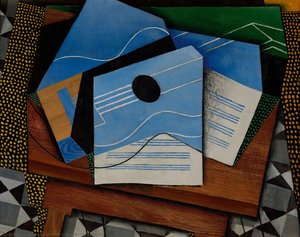
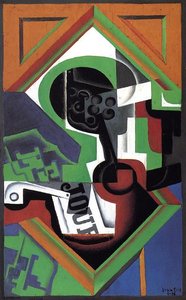
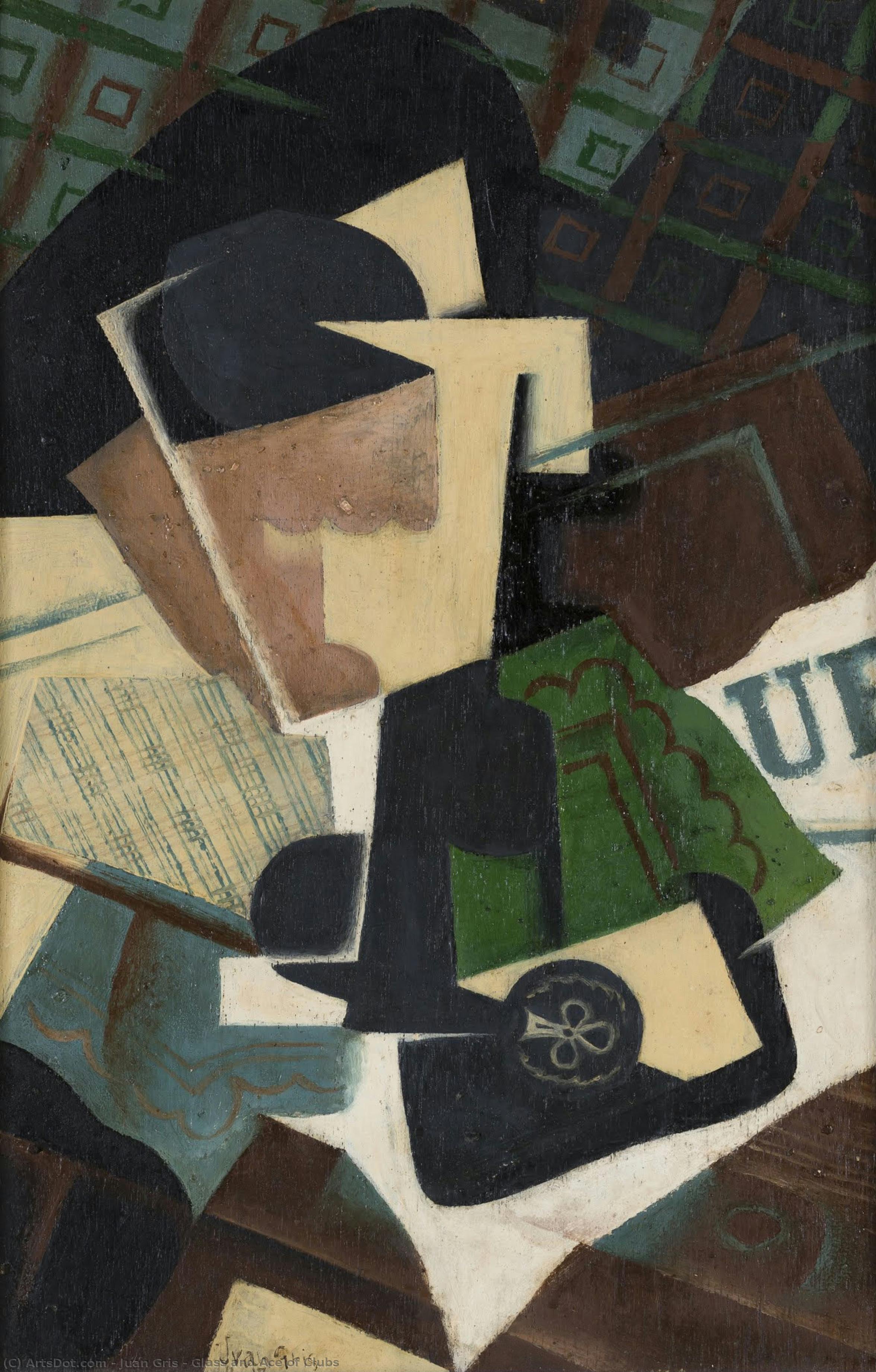
In the quiet evolution of modern art, few moments are as intellectually arresting as the creation of Juan Gris’s “Glass and Ace of Clubs.” Completed in 1917, this masterpiece serves as a profound window into the heart of early Cubism, capturing a period when the very definition of reality was being dismantled and reconstructed. While contemporaries like Picasso and Braque were pioneering the movement, Gris brought a unique, mathematical precision to the canvas—a quality likely born from his early training in engineering. The painting does not merely depict a collection of objects; it orchestrates a complex dance of light, geometry, and shadow that invites the viewer to look beyond the surface of the everyday.
The composition centers on a tabletop arrangement that feels both intimate and enigmatic. A glass, an ace of clubs, and various ephemeral elements are caught in a state of perpetual transformation. Through the lens of Analytical Cubism, Gris deconstructs these familiar items into a series of overlapping planes and intersecting lines. The viewer’s eye is not permitted to rest on a single, stable point; instead, it must navigate a labyrinth of muted ochres, deep browns, and subtle grays. This technique creates a sense of simultaneous perspective, where the transparency of the glass and the solid weight of the playing card exist in a shared, fractured space, challenging our traditional perceptions of depth and volume.
Symbolism and the Texture of Reality
Beyond its formal brilliance, “Glass and Ace of Clubs” is rich with subtle symbolic resonances. The glass, rendered with a delicate interplay of light, acts as a metaphor for clarity and the ephemeral nature of perception—a theme that would later resonate deeply within Surrealist movements. In contrast, the ace of clubs introduces an element of chance and structured power, grounding the ethereal qualities of the composition with a touch of earthly symbolism. This tension between the transparent and the opaque, the fleeting and the fixed, provides the painting with its enduring emotional gravity.
Gris’s mastery is further elevated by his experimental use of texture and collage-like precision. By incorporating elements that mimic the appearance of paper or textured surfaces, he disrupts the rigid geometric framework, injecting a sense of spontaneity into an otherwise highly calculated arrangement. This tactile quality makes the artwork feel remarkably alive, as if the objects are emerging from or receding into the very grain of the canvas. For the discerning collector or interior designer, this piece offers more than just visual interest; it provides a sophisticated focal point that commands attention through its intellectual depth and structural elegance.
An Essential Addition to the Modern Collection
For those seeking to curate a space defined by sophistication and historical significance, a high-quality reproduction of this work offers an unparalleled opportunity. The painting’s neutral palette and rhythmic composition make it an incredibly versatile choice for contemporary interiors, capable of anchoring a room with its quiet intensity. Whether placed in a minimalist gallery setting or a richly textured study, “Glass and Ace of Clubs” serves as a conversation piece that celebrates the beauty of fragmentation and the enduring power of the analytical mind.
Obras relacionadas

Biografía del artista
Juan Gris: Pionero del Cubismo
- Nacimiento: 23 de marzo de 1887, Madrid, España
- Fallecimiento: 11 de mayo de 1927
Primeros Años y Desarrollo Artístico
José Victoriano González-Pérez, conocido como Juan Gris, nació en Madrid, España. Su vida temprana incluyó estudiar ingeniería en la Escuela de Artes y Ciencias desde 1902 hasta 1904. Durante este tiempo, contribuyó con dibujos a publicaciones locales, demostrando una aptitud temprana para la representación visual. De 1904 a 1905, Gris estudió pintura con José Moreno Carbonero, desarrollando aún más sus habilidades artísticas. En 1905, adoptó el seudónimo Juan Gris, un nombre que se convertiría en sinónimo de su estilo distintivo.
Influencias Parisinas y el Ascenso del Cubismo
Un momento crucial en la carrera de Gris llegó en 1906 cuando se mudó a París. Este traslado lo expuso a una vibrante comunidad artística, donde se hizo amigo de figuras influyentes como Henri Matisse, Georges Braque y Fernand Léger. Fue profundamente influenciado por Pablo Picasso, inicialmente presentando ilustraciones humorísticas a revistas como *L'Assiette au Beurre*, *Le Rire*, *Le Charivari* y *Le Cri de Paris*. Alrededor de 1910, Gris comenzó a pintar seriamente, dedicándose a desarrollar un estilo cubista personal. Se alejó de la ilustración satírica hacia composiciones más abstractas.
Obras Clave y Estilo Artístico
La producción artística de Juan Gris se caracteriza por varias características clave:
- Claridad y Orden: Su obra enfatizaba la claridad y el orden, influyendo en el estilo purista defendido por Amédée Ozenfant y Charles Edouard Jeanneret (Le Corbusier).
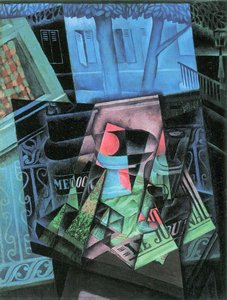
- Estructura Geométrica: El "período cristalino" de Gris, ejemplificado en obras como *Naturaleza muerta frente a una ventana abierta* y *Place Ravignan* (1915), mostraba una fuerte estructura geométrica.
- Cubismo Sintético: Después de 1913, Gris abrazó el Cubismo Sintético, utilizando técnicas como papier collé o collage extensivamente. Esto implicaba incorporar materiales del mundo real en sus pinturas, agregando textura y profundidad.
Obras notables incluyen:
- Guitarra frente al mar (1925): Demuestra su simplicidad y adherencia a los principios cubistas.
- Homenaje a Pablo Picasso (1912): Su primera exposición en el Salon des Indépendants, un testimonio de su creciente reconocimiento dentro del mundo del arte.
Legado y Significado Histórico
La contribución de Juan Gris al Cubismo es significativa. Se movió más allá de la fase analítica anterior del movimiento hacia un enfoque más estructurado y sintético. Su énfasis en la claridad, las formas geométricas y la incorporación de objetos cotidianos en sus composiciones lo estableció como una figura líder en el arte del siglo XX. Su obra continúa siendo celebrada por su rigor intelectual y belleza estética, influyendo en generaciones posteriores de artistas.
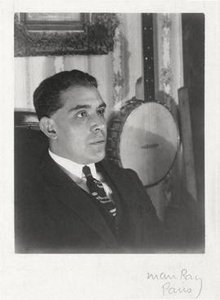
Juan Gris
1887 - 1927 , España
Datos clave
- Artistas Que Influyeron:
- Pablo Picasso
- Georges Braque
- Henri Matisse
- Fecha De Fallecimiento: 11 de mayo de 1927
- Fecha De Nacimiento: 23 de marzo de 1887
- Influenciado Por:
- Amédée Ozenfant
- Charles Edouard Jeanneret
- Lugar De Nacimiento: Madrid, España
- Movimiento Artístico: Cubismo, Cubismo Sintético
- Nacionalidad: Española
- Nombre Completo: Juan Gris
- Obras Notables:
- Guitarra frente al mar
- Homenaje a Pablo Picasso
- Naturaleza muerta ante ventana
- Place Ravignan
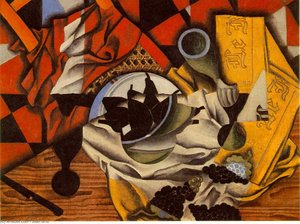
- Frutero, vaso y periódico
Artículos relacionados

Georges Braque: Las 25 Obras Maestras del Cubismo y su Legado en el Arte Moderno
Descubre las 25 obras maestras de Georges Braque, pionero del cubismo. Explora su innovadora técnica, colores y el legado del arte moderno francés. Reproducciones de alta calidad en ArtsDot.com. ¡Encuentra tu inspiración!
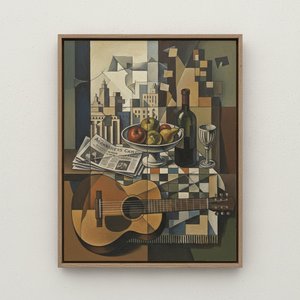
Juan Gris: Cubist Deconstruction & Synthesis – A Comprehensive Exploration
Explore the revolutionary art of Juan Gris – a master of Cubism. Discover his unique approach to deconstruction, vibrant Synthetic Cubist works, and lasting influence on modern art. Expert analysis for collectors.
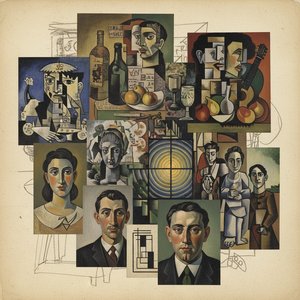
Los 10 Maestros del Cubismo: Obras que Revolucionaron el Arte | ArtsDot
Descubre los 10 lienzos cubistas que revolucionaron el arte moderno. Explora las obras maestras de Picasso, Braque y Gris en ArtsDot.com. Reproducciones de alta calidad para tu hogar.
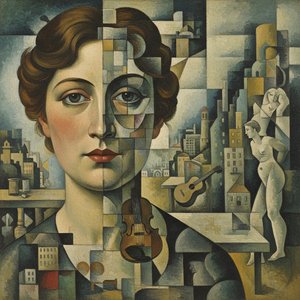
Deconstruyendo la Realidad: El Impacto Revolucionario del Cubismo en el Arte del Siglo XX
Descubra el revolucionario impacto del Cubismo en el arte del siglo XX. Análisis profundo de Picasso, Braque y su legado. Guía para coleccionistas apasionados e inversores.
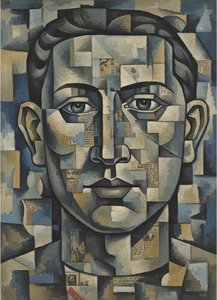
Deconstruyendo la Identidad: El Retrato Cubista como Espejo del Siglo XX
Explora la fascinante historia del retrato cubista con ArtsDot. Análisis de Picasso, Braque, Dalí y más. Guía para coleccionistas exigentes e inversión en arte moderno.