 Vista previa
 Compartir
 Compartir
 Ver detalles

 Descargar
 Ver similares
 Radiografía
 Presentación de diapositivas
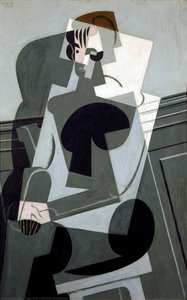
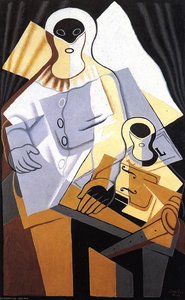
Seated Woman


 Leer más
Reproducción al óleo hecha a mano
Óleo sobre lienzo pintado a mano en el tamaño y marco de su elección, realizado por encargo por nuestros artistas. ( Pedir impresión Comprar descarga)




P118B $10

P118H $10

P118W $10

P438Z $10

P508JH $12

P508YH $12

P805H $10

P805Z $10

P919BZ $10

P919G $10

P919XJ $10

P959ZH $10

P968JZ $12

W106C $8

W218G $10

W218JH $8

W218Y $10

W307PJ $10

W316G $10

W316PJ $8

W316Y $10

W398PJ $8

W4111J $10

W500HY $15

W500JH $15

W692G $12

W849H $8

W940BG $15

W953PJ $8




Elija entre nuestros tamaños predefinidos que respetan las proporciones originales de la obra.

Puede ingresar sus propias dimensiones para adaptarse a un marco o espacio específico. Si el tamaño seleccionado no coincide con las proporciones de la imagen original, recortaremos la obra o extenderemos la pintura con elementos adicionales pintados a mano. Se le enviará una maqueta digital para su aprobación antes de comenzar la producción.
Tenga en cuenta que la vista previa en pantalla no refleja el recorte o la extensión reales. Solo la maqueta mostrará con precisión la composición final.
Si bien existen tamaños personalizados, recomendamos seleccionar una dimensión de la lista predefinida para preservar las proporciones originales.
Tras realizar el pedido, el equipo de ArtsDot.com enviará un correo electrónico al cliente para solicitar instrucciones y proporcionarle una vista previa del boceto.
Envío a todo el mundo () en 3-4 semanas en lugar de las 5 semanas estándar. (19 agosto). Sin comprometer la calidad.

Envío exprés gratuito a todo el mundo

Lienzo de lino de alta calidad

Seguro de envío completo

Garantía de reembolso de aranceles aduaneros

Garantía de fidelidad cromática exacta

Política de devolución de 60 días (solo por defectos)

Garantía de devolución del 100% del dinero

Oferta por volumen
 La opción de vidrio solo está disponible en tamaños inferiores a 110 cm.

Seated Woman
Técnica de reproducción
Tamaño de la reproducción
-


Precio total
$ 263
Descripción de la obra
A Fragmented Portrait of Modernity: Exploring Juan Gris’s “Seated Woman”
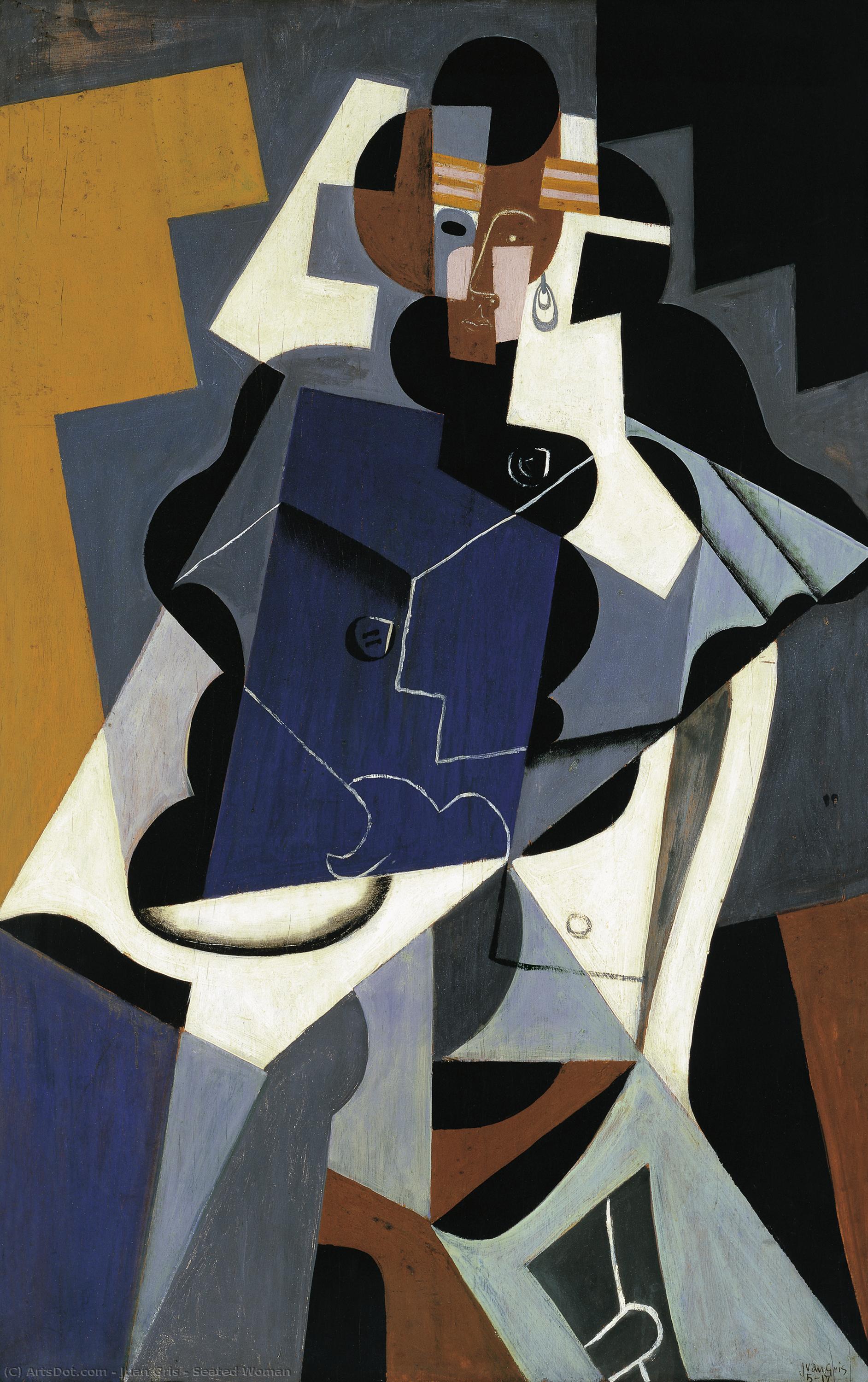
Juan Gris's "Seated Woman," painted in 1917, isn’t merely a portrait; it’s a carefully constructed meditation on form, space, and the burgeoning anxieties of early 20th-century Europe. This work, rendered in oil on panel with a striking palette of blues, yellows, and blacks, embodies the heart of Cubism's analytical phase – a period where artists sought to dismantle traditional representation and reveal the underlying geometric structures of reality. Gris, deeply influenced by Picasso and Braque, moved beyond simply depicting an individual; he aimed to capture the essence of the subject through a fractured, multi-faceted approach that challenges our perception of what constitutes a recognizable image.
The painting depicts a woman seated in a chair, her hands resting before her face – a pose simultaneously vulnerable and enigmatic. However, it’s crucial to understand that this isn't a realistic portrayal. Gris employs a deliberate distortion of form, breaking the figure into interlocking planes and angles. The chair itself is not rendered as a solid object but rather as a collection of geometric shapes, mirroring the fragmentation of the woman’s image. This technique, central to Cubism, suggests that our understanding of reality is inherently subjective and constructed through individual perception. Notice how the blue tones dominate, creating a sense of depth and receding space, while the yellows introduce warmth and highlight specific areas of the figure – perhaps drawing attention to her face or hands.
The Language of Analytical Cubism
“Seated Woman” is a prime example of Analytical Cubism, a phase characterized by its meticulous deconstruction of objects. Gris’s approach involved meticulously dissecting his subjects into their component parts – lines, angles, and planes – and then reassembling them on the canvas in a way that presented multiple viewpoints simultaneously. This wasn't about creating an illusion of depth; rather, it was about revealing the underlying structure of form. The painting feels almost architectural in its precision, as if the woman has been carefully constructed from geometric blocks. The use of black is particularly significant here – not merely for contrast but to define and delineate the fragmented shapes, adding a layer of intellectual rigor to the composition.
Furthermore, Gris’s choice of color is deliberate. The muted palette—primarily blues, yellows, and blacks—reflects the atmosphere of introspection and uncertainty prevalent during this period. It's a far cry from the vibrant hues often associated with later Cubist works. Instead, it evokes a sense of quiet contemplation, inviting the viewer to engage in a more cerebral appreciation of the artwork.
A Figure Rooted in Early 20th-Century Context
To fully appreciate “Seated Woman,” it’s essential to consider its historical context. Painted in 1917, the work emerged during a time of profound social and artistic upheaval. The rise of industrialization, urbanization, and scientific advancements were challenging traditional notions of reality and identity. Cubism, with its radical departure from representational art, mirrored this broader cultural shift – questioning established conventions and exploring new ways of perceiving the world. Juan Gris’s work reflects a desire to capture not just the appearance of things but also their underlying structure and the way they interact within space.
Juan Gris himself was a pivotal figure in the development of Cubism, initially working as an engineer before dedicating himself fully to art. His meticulous approach, combined with his deep understanding of mathematics and geometry, allowed him to create works that are both intellectually stimulating and visually arresting. “Seated Woman” stands as a testament to his innovative spirit and his profound impact on the course of modern art.
Symbolism and Emotional Resonance
While seemingly abstract, "Seated Woman" is rich in symbolic potential. The woman’s posture – hands covering her face – suggests introspection, perhaps even melancholy or uncertainty. The fragmented nature of her form reflects the fragmentation of experience in a rapidly changing world. The painting doesn't offer easy answers; instead, it invites viewers to contemplate the complexities of human existence and the challenges of navigating an increasingly abstract reality. It’s a work that resonates with a sense of quiet contemplation and intellectual curiosity – a timeless reminder of the power of art to provoke thought and evoke emotion.
Obras relacionadas
Biografía del artista
Juan Gris: Pionero del Cubismo
- Nacimiento: 23 de marzo de 1887, Madrid, España
- Fallecimiento: 11 de mayo de 1927
Primeros Años y Desarrollo Artístico
José Victoriano González-Pérez, conocido como Juan Gris, nació en Madrid, España. Su vida temprana incluyó estudiar ingeniería en la Escuela de Artes y Ciencias desde 1902 hasta 1904. Durante este tiempo, contribuyó con dibujos a publicaciones locales, demostrando una aptitud temprana para la representación visual. De 1904 a 1905, Gris estudió pintura con José Moreno Carbonero, desarrollando aún más sus habilidades artísticas. En 1905, adoptó el seudónimo Juan Gris, un nombre que se convertiría en sinónimo de su estilo distintivo.
Influencias Parisinas y el Ascenso del Cubismo
Un momento crucial en la carrera de Gris llegó en 1906 cuando se mudó a París. Este traslado lo expuso a una vibrante comunidad artística, donde se hizo amigo de figuras influyentes como Henri Matisse, Georges Braque y Fernand Léger. Fue profundamente influenciado por Pablo Picasso, inicialmente presentando ilustraciones humorísticas a revistas como *L'Assiette au Beurre*, *Le Rire*, *Le Charivari* y *Le Cri de Paris*. Alrededor de 1910, Gris comenzó a pintar seriamente, dedicándose a desarrollar un estilo cubista personal. Se alejó de la ilustración satírica hacia composiciones más abstractas.
Obras Clave y Estilo Artístico
La producción artística de Juan Gris se caracteriza por varias características clave:
- Claridad y Orden: Su obra enfatizaba la claridad y el orden, influyendo en el estilo purista defendido por Amédée Ozenfant y Charles Edouard Jeanneret (Le Corbusier).
- Estructura Geométrica: El "período cristalino" de Gris, ejemplificado en obras como *Naturaleza muerta frente a una ventana abierta* y *Place Ravignan* (1915), mostraba una fuerte estructura geométrica.
- Cubismo Sintético: Después de 1913, Gris abrazó el Cubismo Sintético, utilizando técnicas como papier collé o collage extensivamente. Esto implicaba incorporar materiales del mundo real en sus pinturas, agregando textura y profundidad.
Obras notables incluyen:
- Guitarra frente al mar (1925): Demuestra su simplicidad y adherencia a los principios cubistas.
- Homenaje a Pablo Picasso (1912): Su primera exposición en el Salon des Indépendants, un testimonio de su creciente reconocimiento dentro del mundo del arte.
Legado y Significado Histórico
La contribución de Juan Gris al Cubismo es significativa. Se movió más allá de la fase analítica anterior del movimiento hacia un enfoque más estructurado y sintético. Su énfasis en la claridad, las formas geométricas y la incorporación de objetos cotidianos en sus composiciones lo estableció como una figura líder en el arte del siglo XX. Su obra continúa siendo celebrada por su rigor intelectual y belleza estética, influyendo en generaciones posteriores de artistas.
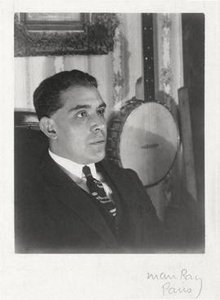
Juan Gris
1887 - 1927 , España
Datos clave
- Artistas Que Influyeron:
- Pablo Picasso
- Georges Braque
- Henri Matisse
- Fecha De Fallecimiento: 11 de mayo de 1927
- Fecha De Nacimiento: 23 de marzo de 1887
- Influenciado Por:
- Amédée Ozenfant
- Charles Edouard Jeanneret
- Lugar De Nacimiento: Madrid, España
- Movimiento Artístico: Cubismo, Cubismo Sintético
- Nacionalidad: Española
- Nombre Completo: Juan Gris
- Obras Notables:
- Guitarra frente al mar
- Homenaje a Pablo Picasso
- Naturaleza muerta ante ventana
- Place Ravignan
- Frutero, vaso y periódico
Artículos relacionados
Las 10 Obras Maestras del Azul Pizarra: Arte, Historia y Decoración
Descubre las 10 pinturas más famosas dominadas por el azul pizarra. Explora la historia, técnica y belleza de Monet, Van Gogh y otros maestros. Encuentra reproducciones de arte exclusivas para decorar tu hogar en .
Juan Gris: Cubist Deconstruction & Synthesis – A Comprehensive Exploration
Explore the revolutionary art of Juan Gris – a master of Cubism. Discover his unique approach to deconstruction, vibrant Synthetic Cubist works, and lasting influence on modern art. Expert analysis for collectors.

Serene Blue Backgrounds: Discover Soulful Art to Transform Your Space with Timeless Elegance
Transform your home with soulful blue art. From serene Monet impressions to modern textured sculptures, discover curated masterpieces designed to inspire calm. Explore expert art consultations and bespoke hand-painted reproductions to create your personal sanctuary.
The Allure of Azure: Exploring the Symbolic & Aesthetic Depths of Blue in Art History
Explore the rich history of blue in art! Discover its symbolism, from ancient pigments to modern masterpieces by Kandinsky & Seurat. Uncover the psychological impact and cultural meanings behind this captivating hue.
Deconstruyendo la Realidad: El Impacto Revolucionario del Cubismo en el Arte del Siglo XX
Descubra el revolucionario impacto del Cubismo en el arte del siglo XX. Análisis profundo de Picasso, Braque y su legado. Guía para coleccionistas apasionados e inversores.