

 Vista previa
 Compartir
 Compartir
 Ver detalles

 Descargar
 Ver similares
 Radiografía
 Presentación de diapositivas
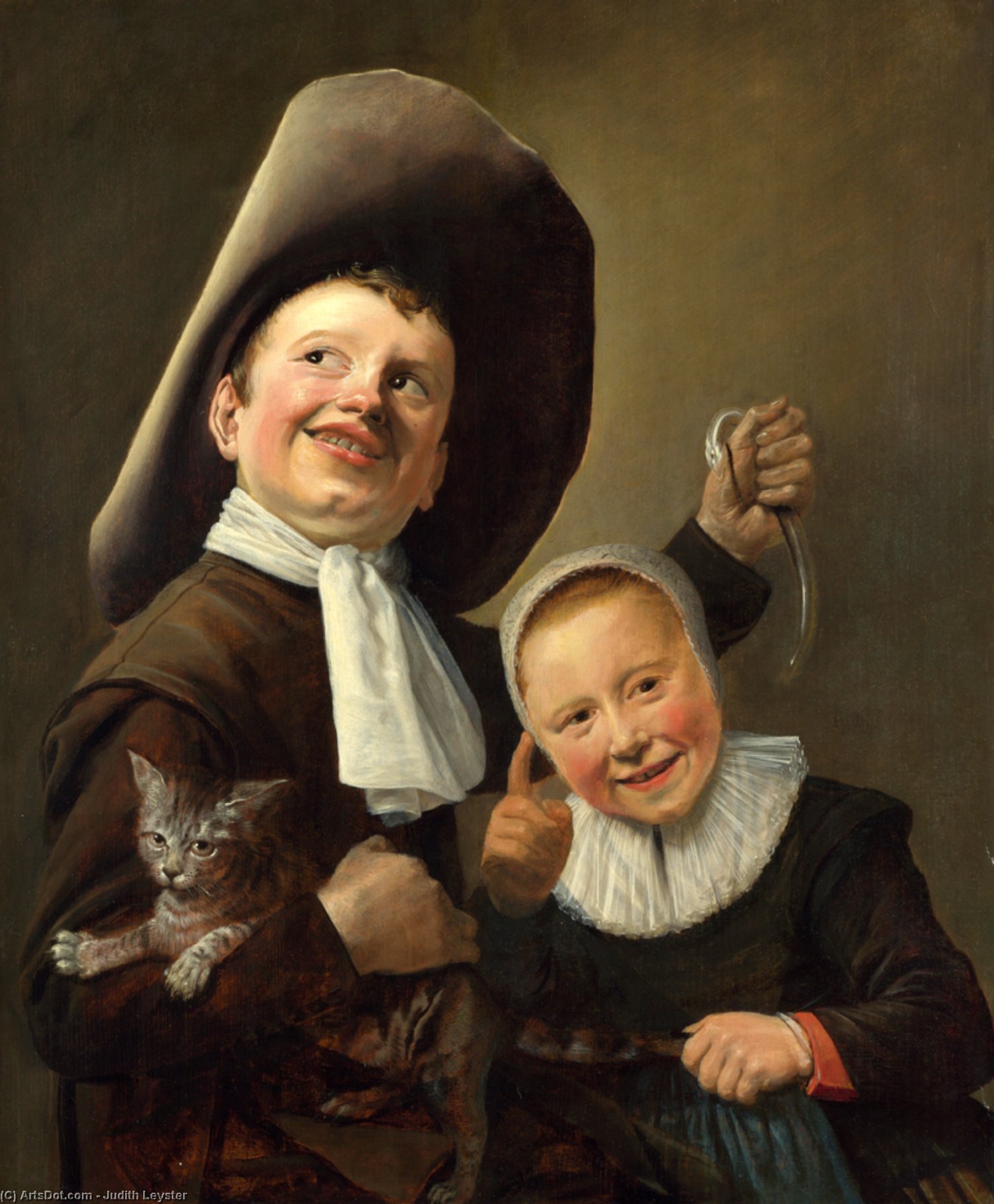
A Boy and a Girl with a Cat and an Eel
 Acrylic On Canvas
- WallArt
- Baroque
 59.0 x 49.0 cm
 Galería Nacional
 Leer más
Reproducción al óleo hecha a mano
Óleo sobre lienzo pintado a mano en el tamaño y marco de su elección, realizado por encargo por nuestros artistas. ( Pedir impresión Comprar descarga)




P118B $10

P118H $10

P118W $10

P438Z $10

P508JH $12

P508YH $12

P805H $10

P805Z $10

P919BZ $10

P919G $10

P919XJ $10

P959ZH $10

P968JZ $12

W106C $8

W218G $10

W218JH $8

W218Y $10

W307PJ $10

W316G $10

W316PJ $8

W316Y $10

W398PJ $8

W4111J $10

W500HY $15

W500JH $15

W692G $12

W849H $8

W940BG $15

W953PJ $8




Elija entre nuestros tamaños predefinidos que respetan las proporciones originales de la obra.

Puede ingresar sus propias dimensiones para adaptarse a un marco o espacio específico. Si el tamaño seleccionado no coincide con las proporciones de la imagen original, recortaremos la obra o extenderemos la pintura con elementos adicionales pintados a mano. Se le enviará una maqueta digital para su aprobación antes de comenzar la producción.
Tenga en cuenta que la vista previa en pantalla no refleja el recorte o la extensión reales. Solo la maqueta mostrará con precisión la composición final.
Si bien existen tamaños personalizados, recomendamos seleccionar una dimensión de la lista predefinida para preservar las proporciones originales.
Tras realizar el pedido, el equipo de ArtsDot.com enviará un correo electrónico al cliente para solicitar instrucciones y proporcionarle una vista previa del boceto.
Envío a todo el mundo () en 3-4 semanas en lugar de las 5 semanas estándar. (21 agosto). Sin comprometer la calidad.

Envío exprés gratuito a todo el mundo

Lienzo de lino de alta calidad

Seguro de envío completo

Garantía de reembolso de aranceles aduaneros

Garantía de fidelidad cromática exacta

Política de devolución de 60 días (solo por defectos)

Garantía de devolución del 100% del dinero

Oferta por volumen
 La opción de vidrio solo está disponible en tamaños inferiores a 110 cm.

A Boy and a Girl with a Cat and an Eel
Técnica de reproducción
Tamaño de la reproducción
-


Precio total
$ 263
Descripción de la obra
Judith Jans Leyster’s “A Boy and a Girl with a Cat and an Eel”: A Portrait of Domestic Tranquility Amidst Artistic Innovation
Judith Jans Leyster's "A Boy and a Girl with a Cat and an Eel," painted circa 1635, stands as a remarkable testament to the burgeoning artistic landscape of Haarlem during the Dutch Golden Age. More than just a depiction of familial affection—though undeniably imbued with warmth—the painting embodies Leyster’s pioneering spirit as one of the first female artists recognized by the St. Luke Guild, marking a pivotal moment in challenging societal conventions surrounding women's roles in creative pursuits. Examining its stylistic elements, compositional intricacies, and subtle symbolic gestures reveals layers of meaning that continue to fascinate scholars and collectors alike.Style and Technique: Impressionistic Hints Within Baroque Precision
Leyster’s approach defies easy categorization, blending characteristics of both Baroque realism and nascent Impressionism. While the figures themselves are rendered with meticulous detail—the boy's gaze direct and confident, the girl’s posture graceful—there’s an undeniable softness to the brushstrokes that anticipates the looser styles emerging later in the century. The artist skillfully utilizes chiaroscuro – dramatic contrasts between light and shadow – to sculpt the forms of the subjects and their surroundings, creating a palpable sense of depth and atmosphere. Notably, Leyster eschews overly polished surfaces, favoring a matte finish that lends an immediacy and intimacy to the scene. This textural quality contributes significantly to the painting's emotional resonance.Compositional Harmony: Balance and Narrative Suggestion
The composition is carefully balanced, anchoring the central figures against a backdrop of muted colors—primarily browns and creams—that serve to emphasize their presence. The cat perched on the man’s shoulder adds an element of domestic charm and subtly reinforces themes of companionship and care. Equally intriguing is the inclusion of the eel held by the girl; its placement at her feet introduces an unexpected visual motif that has been interpreted as representing fertility, prosperity, or perhaps even a hint of melancholy – reflecting the anxieties surrounding childbirth prevalent during the period. The chair and dining table provide context for the scene, portraying a comfortable home environment where family life unfolds naturally.Historical Context: Challenging Gender Roles in Early Modern Art
Leyster’s success within the St. Luke Guild was groundbreaking for its time. Women artists faced considerable obstacles securing patronage and recognition, often relegated to roles considered subservient to male artists. Leyster's insistence on demonstrating her artistic prowess—through her presentation piece to the guild—challenged prevailing societal expectations and paved the way for future generations of female painters. Her work reflects the broader cultural shifts occurring in Haarlem during the Golden Age, where humanist ideals championed intellectual curiosity and individual expression alongside traditional religious beliefs.Symbolism and Emotional Impact: Domestic Tranquility as Artistic Statement
“A Boy and a Girl with a Cat and an Eel” transcends mere portraiture; it communicates a profound sense of serenity and familial affection. The figures’ smiles convey optimism and contentment, inviting viewers to contemplate the beauty of everyday life. Leyster's masterful use of light and color contributes to this emotional impact, creating a luminous tableau that captures a fleeting moment of domestic harmony. Ultimately, the painting serves as an enduring reminder of Leyster’s artistic innovation—a courageous assertion of female creativity within a restrictive social framework—and its continued appeal lies in its ability to evoke feelings of warmth, tenderness, and quiet contemplation.Obras relacionadas


Biografía del artista
Primeros años y formación
Judith Jans Leyster, una pintora pionera, nació en julio de 1609 en Haarlem, Países Bajos. Fue la octava hija de Jan Willemsz Leyster, un fabricante de telas que más tarde se dedicó a la elaboración de cerveza. Aunque su formación no está bien documentada, se cree que aprendió pintura de Frans Pietersz de Grebber, un respetado artista con un taller en Haarlem.Carrera artística
Los primeros trabajos firmados conocidos de Leyster, Serenade y Jolly Topper, datan de 1629, cuando ella tenía tan solo veinte años. Para 1633, se convirtió en miembro del gremio de San Lucas de Haarlem, lo que la convirtió en una de las primeras artistas femeninas en formar parte de esta prestigiosa organización.Obras notables y colaboraciones
Entre las obras más destacadas de Leyster se encuentran:- El autorretrato (c. 1633), ahora en la National Gallery of Art, Washington, D.C., que pudo haber sido su pieza de presentación ante el gremio.
- Dos ilustraciones en un libro sobre tulipanes de 1643, que muestran su versatilidad.
- Un retrato de 1652 y un bodegón de 1654, descubiertos en una colección privada en el siglo XXI, demuestran su perdurable habilidad.
Legado y redescubrimiento
A pesar de haber sido muy apreciada por sus contemporáneos, la obra de Leyster fue en gran medida olvidada tras su muerte en 1660. No fue hasta 1893 que fue redescubierta, y los académicos comenzaron a atribuir correctamente sus obras. Hoy en día, sus pinturas son reconocidas como contribuciones significativas al Siglo de Oro neerlandés.- Explore más obras de Leyster en ArtsDot.com.
- Conozca sobre el Siglo de Oro neerlandés y sus artistas notables en Wikipedia.
- Descubra otras artistas femeninas de la época en la página del movimiento artístico del Siglo de Oro neerlandés.
Conclusión
La carrera pionera de Judith Jans Leyster como pintora en los Países Bajos del siglo XVII ha dejado una marca indeleble en la historia del arte. Su redescubrimiento y reconocimiento sirven como testimonio de su talento perdurable y de la percepción cambiante de las mujeres en el mundo del arte. Nombre del museo: National Gallery of Art, Washington, D.C.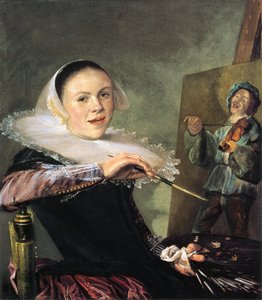
Judith Jans Leyster
1609 - 1660 , Países Bajos
Datos clave
- Artistic Movement Or Style: Siglo de Oro neerlandés
- Artists Or Movements Influenced By This Artist: ['Caravaggisti']
- Artists Who Influenced This Artist:
- Frans Pietersz de Grebber
- Jan Miense Molenaer
- Date Of Birth: Julio 28, 1609
- Full Name: Judith Jans Leyster
- Nationality: Holandesa
- Notable Artworks:
- Serenade
- Jolly Topper
- Retrato
- Place Of Birth: Haarlem, Netherlands
Artículos relacionados

Los 10 Maestros del Siglo de Oro Holandés: Arte, Historia y Decoración Exclusiva
Descubre los 10 imprescindibles del Siglo de Oro Holandés: Rembrandt, Vermeer y más. Explora la historia, técnica y belleza de estos lienzos clásicos. Encuentra reproducciones de arte exclusivas para decorar tu hogar en .
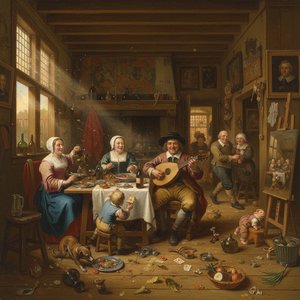
Jan Steen: A Master of Dutch Genre Painting & the Golden Age
Explore the life & art of Jan Steen, a leading Dutch Golden Age painter renowned for his humorous genre scenes & insightful social commentary. Discover his techniques, legacy, and collecting tips.

Reflejos de una Época Dorada: La Pintura Barroca Holandesa y la Innovación Cultural
Descubra la riqueza y el detalle de la pintura barroca holandesa del Siglo de Oro. Explore las obras maestras de Rembrandt, Vermeer y otros artistas clave. Análisis experto e historia cultural.

La Luz y la República: Innovación Artística en el Siglo de Oro Neerlandés
Descubra la innovación artística del Siglo de Oro Neerlandés. Explore las obras maestras de Rembrandt y Vermeer, técnicas revolucionarias y el legado perdurable de este florecimiento cultural. ¡Sumérjase en la luz y la belleza!

Illuminating Realism: Exploring the Dutch Golden Age of Painting (1600-1700)
Explore the Dutch Golden Age of painting (1600-1700) with ArtsDot. Discover Rembrandt, Vermeer & other masters. Learn about techniques, history & find museum-quality reproductions.

