

 Vista previa
 Compartir
 Compartir
 Ver detalles

 Descargar
 Ver similares
 Radiografía
 Presentación de diapositivas
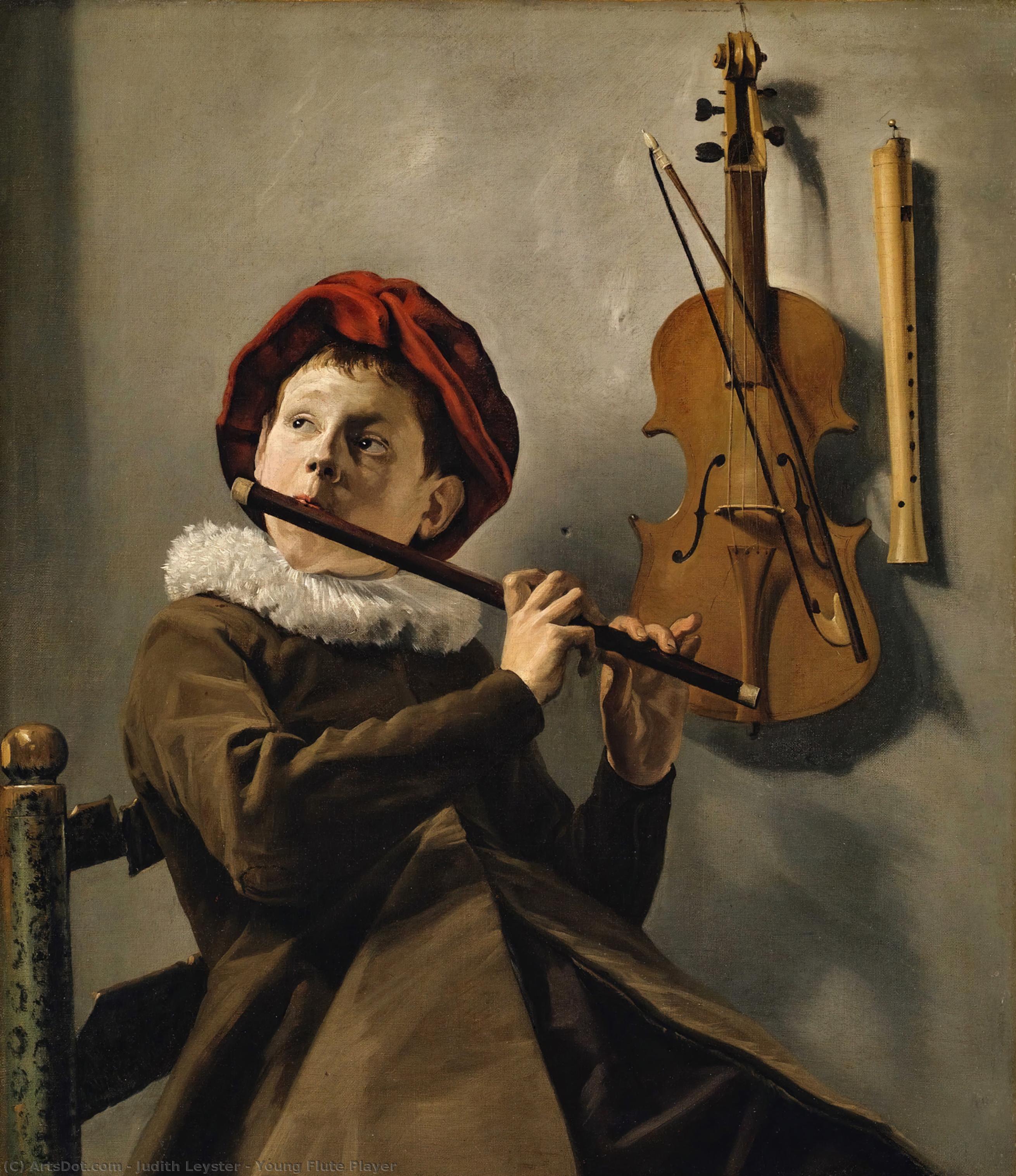
Young Flute Player


 Leer más
Reproducción al óleo hecha a mano
Óleo sobre lienzo pintado a mano en el tamaño y marco de su elección, realizado por encargo por nuestros artistas. ( Pedir impresión Comprar descarga)




P118B $10

P118H $10

P118W $10

P438Z $10

P508JH $12

P508YH $12

P805H $10

P805Z $10

P919BZ $10

P919G $10

P919XJ $10

P959ZH $10

P968JZ $12

W106C $8

W218G $10

W218JH $8

W218Y $10

W307PJ $10

W316G $10

W316PJ $8

W316Y $10

W398PJ $8

W4111J $10

W500HY $15

W500JH $15

W692G $12

W849H $8

W940BG $15

W953PJ $8




Elija entre nuestros tamaños predefinidos que respetan las proporciones originales de la obra.

Puede ingresar sus propias dimensiones para adaptarse a un marco o espacio específico. Si el tamaño seleccionado no coincide con las proporciones de la imagen original, recortaremos la obra o extenderemos la pintura con elementos adicionales pintados a mano. Se le enviará una maqueta digital para su aprobación antes de comenzar la producción.
Tenga en cuenta que la vista previa en pantalla no refleja el recorte o la extensión reales. Solo la maqueta mostrará con precisión la composición final.
Si bien existen tamaños personalizados, recomendamos seleccionar una dimensión de la lista predefinida para preservar las proporciones originales.
Tras realizar el pedido, el equipo de ArtsDot.com enviará un correo electrónico al cliente para solicitar instrucciones y proporcionarle una vista previa del boceto.
Envío a todo el mundo () en 3-4 semanas en lugar de las 5 semanas estándar. (19 agosto). Sin comprometer la calidad.

Envío exprés gratuito a todo el mundo

Lienzo de lino de alta calidad

Seguro de envío completo

Garantía de reembolso de aranceles aduaneros

Garantía de fidelidad cromática exacta

Política de devolución de 60 días (solo por defectos)

Garantía de devolución del 100% del dinero

Oferta por volumen
 La opción de vidrio solo está disponible en tamaños inferiores a 110 cm.

Young Flute Player
Técnica de reproducción
Tamaño de la reproducción
-


Precio total
$ 263
Descripción de la obra
A Moment of Youthful Grace: Judith Leyster’s “Young Flute Player”
Within the vibrant tapestry of the Dutch Golden Age, few paintings capture the delicate balance between observation and imagination quite like Judith Leyster's "Young Flute Player," completed around 1635. This captivating oil on canvas isn’t merely a portrait; it’s a fleeting glimpse into a world of youthful pleasure, artistic expression, and the subtle complexities of early modern life. The painting immediately draws the eye to its central figure – a young boy, bathed in a soft, diffused light that seems to emanate from an unseen source. He's not posed dramatically or formally; instead, he’s caught in a moment of quiet absorption, his attention wholly devoted to the simple act of playing a flute.
Leyster’s skill lies not just in her technical proficiency—though it is undeniably remarkable—but in her ability to imbue her subjects with a palpable sense of life. The boy's ruffled collar and slightly tilted head suggest a personality brimming with curiosity and perhaps even mischief. The details, from the delicate folds of his clothing to the subtle expression on his face, are rendered with meticulous precision, yet never feel overly labored or stiff. This masterful balance between realism and artistic license is characteristic of Leyster’s style, earning her recognition as one of the most innovative artists of her time.
The Baroque Palette and a World of Instruments
“Young Flute Player” firmly establishes itself within the broader context of Dutch Baroque painting. The use of *chiaroscuro* – the dramatic interplay of light and shadow – is particularly striking, emphasizing the boy’s youthful features and creating a sense of depth and atmosphere. The background, deliberately muted and slightly out of focus, serves to further highlight the subject, drawing our attention entirely to his captivating presence. Notice also the carefully chosen accessories: a violin hanging on the wall, a smaller flute resting nearby, and a simple bowl adding a touch of domesticity to the scene. These elements aren’t merely decorative; they speak to the boy's connection with music and perhaps even hint at a broader cultural context – the importance of instruments within Dutch society.
Interestingly, the inclusion of both a flute and a violin presents a subtle symbolic tension. While stringed instruments were traditionally associated with higher social standing and considered more refined, wind instruments were often linked to simpler folk traditions. Leyster’s juxtaposition suggests a blurring of these distinctions, reflecting the dynamic cultural landscape of 17th-century Holland.
A Pioneer in a Male-Dominated World
Judith Leyster's story is as compelling as her art. She was one of the first female artists to gain recognition within the male-dominated world of the Dutch Golden Age, and her journey is marked by both triumph and adversity. Despite facing significant challenges – including limited opportunities and a lack of formal training – she persevered, establishing herself as a respected painter known for her lively genre scenes, portraits, and still lifes. Her inclusion in the Haarlem Guild of St. Luke in 1633 was a landmark achievement, signifying her acceptance as a professional artist.
“Young Flute Player” is now housed at the Nationalmuseum in Stockholm, a testament to its enduring appeal and historical significance. It stands alongside other masterpieces from the Dutch Golden Age, offering a valuable window into a bygone era. The painting’s continued presence in museums around the world ensures that Leyster's remarkable talent and artistic vision will continue to inspire and captivate audiences for generations to come.
Further Exploration & Artistic Connections
For those seeking to delve deeper into Judith Leyster’s oeuvre, we recommend exploring her self-portrait from 1633, currently residing at the National Gallery of Art in Washington D.C., and her illustrations for a book on tulips from 1643. Her work shares stylistic similarities with that of Frans Hals, another prominent painter of the Dutch Golden Age, suggesting a possible influence or even collaboration. Additionally, consider examining works by Rembrandt van Rijn, such as “The Sacrifice of Isaac,” and those created by workshops associated with Peter Paul Rubens, like "The Feast of Herod," to gain further insight into the artistic trends and techniques of the period.
Useful Links:
- Artvee - Boy Playing a Flute
- Wikipedia - Judith Leyster
- Google Arts & Culture - Boy Playing the Flute
- Instagram - Judith Leyster
Additional Research: The painting’s history reveals a fascinating story of misattribution and eventual rediscovery, highlighting the challenges faced by female artists throughout art history.
Obras relacionadas

Biografía del artista
Primeros años y formación
Judith Jans Leyster, una pintora pionera, nació en julio de 1609 en Haarlem, Países Bajos. Fue la octava hija de Jan Willemsz Leyster, un fabricante de telas que más tarde se dedicó a la elaboración de cerveza. Aunque su formación no está bien documentada, se cree que aprendió pintura de Frans Pietersz de Grebber, un respetado artista con un taller en Haarlem.Carrera artística
Los primeros trabajos firmados conocidos de Leyster, Serenade y Jolly Topper, datan de 1629, cuando ella tenía tan solo veinte años. Para 1633, se convirtió en miembro del gremio de San Lucas de Haarlem, lo que la convirtió en una de las primeras artistas femeninas en formar parte de esta prestigiosa organización.Obras notables y colaboraciones
Entre las obras más destacadas de Leyster se encuentran:- El autorretrato (c. 1633), ahora en la National Gallery of Art, Washington, D.C., que pudo haber sido su pieza de presentación ante el gremio.
- Dos ilustraciones en un libro sobre tulipanes de 1643, que muestran su versatilidad.
- Un retrato de 1652 y un bodegón de 1654, descubiertos en una colección privada en el siglo XXI, demuestran su perdurable habilidad.
Legado y redescubrimiento
A pesar de haber sido muy apreciada por sus contemporáneos, la obra de Leyster fue en gran medida olvidada tras su muerte en 1660. No fue hasta 1893 que fue redescubierta, y los académicos comenzaron a atribuir correctamente sus obras. Hoy en día, sus pinturas son reconocidas como contribuciones significativas al Siglo de Oro neerlandés.- Explore más obras de Leyster en ArtsDot.com.
- Conozca sobre el Siglo de Oro neerlandés y sus artistas notables en Wikipedia.
- Descubra otras artistas femeninas de la época en la página del movimiento artístico del Siglo de Oro neerlandés.
Conclusión
La carrera pionera de Judith Jans Leyster como pintora en los Países Bajos del siglo XVII ha dejado una marca indeleble en la historia del arte. Su redescubrimiento y reconocimiento sirven como testimonio de su talento perdurable y de la percepción cambiante de las mujeres en el mundo del arte. Nombre del museo: National Gallery of Art, Washington, D.C.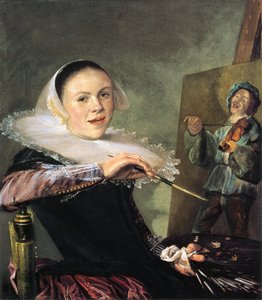
Judith Jans Leyster
1609 - 1660 , Países Bajos
Datos clave
- Artistic Movement Or Style: Siglo de Oro neerlandés
- Artists Or Movements Influenced By This Artist: ['Caravaggisti']
- Artists Who Influenced This Artist:
- Frans Pietersz de Grebber
- Jan Miense Molenaer
- Date Of Birth: Julio 28, 1609
- Full Name: Judith Jans Leyster
- Nationality: Holandesa
- Notable Artworks:
- Serenade
- Jolly Topper
- Retrato
- Place Of Birth: Haarlem, Netherlands
Artículos relacionados

Los 10 Maestros del Siglo de Oro Holandés: Arte, Historia y Decoración Exclusiva
Descubre los 10 imprescindibles del Siglo de Oro Holandés: Rembrandt, Vermeer y más. Explora la historia, técnica y belleza de estos lienzos clásicos. Encuentra reproducciones de arte exclusivas para decorar tu hogar en .

Reflejos de una Época Dorada: La Pintura Barroca Holandesa y la Innovación Cultural
Descubra la riqueza y el detalle de la pintura barroca holandesa del Siglo de Oro. Explore las obras maestras de Rembrandt, Vermeer y otros artistas clave. Análisis experto e historia cultural.

La Luz y la República: Innovación Artística en el Siglo de Oro Neerlandés
Descubra la innovación artística del Siglo de Oro Neerlandés. Explore las obras maestras de Rembrandt y Vermeer, técnicas revolucionarias y el legado perdurable de este florecimiento cultural. ¡Sumérjase en la luz y la belleza!
Illuminating Realism: Exploring the Dutch Golden Age of Painting (1600-1700)
Explore the Dutch Golden Age of painting (1600-1700) with ArtsDot. Discover Rembrandt, Vermeer & other masters. Learn about techniques, history & find museum-quality reproductions.
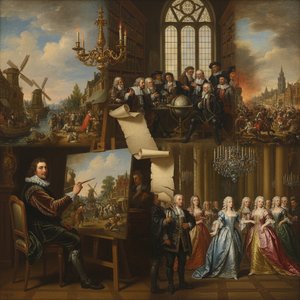
Illuminating a Century of Change: Artistic Expression & Societal Shifts in 17th-Century Europe
Explore the artistic brilliance of the 17th-century Dutch Golden Age & Baroque period. Discover Rembrandt, genre painting, and chiaroscuro techniques. Expert insights for art lovers & collectors.

