 Ver en contexto
 Enviar
 Compartir
 Detalles

 Descargar
 Similares
 Radiografía
 Presentación de diapositivas
Thames, London


 Ver más
Giclée / Impresión de arte
Impresiones giclée o en lienzo de calidad de museo con producción rápida y opciones de acabado flexibles. ( Comprar pintura hecha a mano Comprar imagen)




P118B $10

P118H $10

P118W $10

P438Z $10

P508JH $12

P508YH $12

P805H $10

P805Z $10

P919BZ $10

P919G $10

P919XJ $10

P959ZH $10

P968JZ $12

W106C $8

W218G $10

W218JH $8

W218Y $10

W307PJ $10

W316G $10

W316PJ $8

W316Y $10

W398PJ $8

W4111J $10

W500HY $15

W500JH $15

W692G $12

W849H $8

W940BG $15

W953PJ $8




Elija entre nuestros tamaños predefinidos que respetan las proporciones originales de la obra.

Puede introducir sus propias dimensiones para adaptarse a un marco o espacio específico. Si el tamaño seleccionado no coincide con las proporciones de la imagen original, recortaremos la obra de arte o extenderemos la imagen con un borde con efecto espejo o de color sólido. Se enviará una maqueta digital para su aprobación antes de que comience la producción.
Tenga en cuenta que la vista previa en pantalla no refleja el recorte o la extensión real. Solo la maqueta mostrará con precisión la composición final.
Aunque existen tamaños personalizados, recomendamos seleccionar una dimensión de la lista predefinida para preservar las proporciones originales.
Envío a todo el mundo () en 2 semanas en lugar de las 4/5 semanas estándar. (30 agosto)

Envío exprés gratuito a todo el mundo

Lienzo de lino de alta calidad

Seguro de envío total

Garantía de reembolso de impuestos aduaneros

Garantía de fidelidad cromática exacta

Política de devolución de 60 días (solo por defectos)

Garantía de devolución del 100% del dinero

Descuento por cantidad
 La opción de vidrio solo está disponible en tamaños inferiores a 110 cm.

Thames, London
Giclée / Impresión de arte
Dimensiones de la reproducción
-


Precio total final
$ 62
Thames, London by Jules Bastien-Lepage: A Portrait of Industrial Tranquility
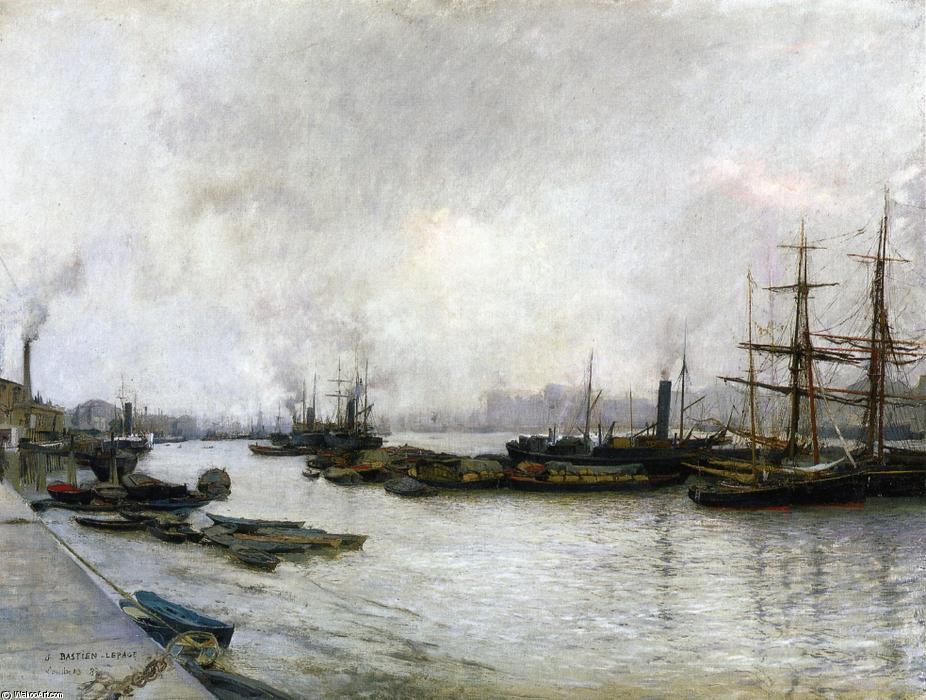
The painting “Thames, London” by Jules Bastien-Lepage stands as a testament to the Naturalist movement’s fascination with capturing authentic moments in time and portraying the realities of everyday life. Executed in 1882, this oil on canvas offers more than just a scenic depiction; it's an evocative meditation on the intersection of industrial progress and quiet contemplation—a theme that resonates powerfully within its muted palette and masterful brushwork.A Landscape Steeped in Atmosphere
The scene unfolds along the Thames River in London during the late Victorian era, a period marked by rapid urbanization and burgeoning industrial activity. Bastien-Lepage skillfully renders this environment not as a spectacle of grandeur but as a place imbued with subtle emotion. The dominant impression is one of overcast skies—a characteristic feature of London’s climate—which casts a diffused glow upon the riverbanks and buildings, creating an atmosphere of melancholic serenity. This subdued lighting contributes significantly to the painting's mood, prompting viewers to consider not just what they see but also how it feels.Composition and Technique: Layers of Impressionistic Detail
The composition prioritizes horizontal lines established by the river’s edge and distant architectural structures, guiding the eye across the canvas with a deliberate grace. Bastien-Lepage employs overlapping forms—boats moored along the riverbank and larger vessels traversing the water—to generate depth and perspective. Short, choppy brushstrokes define the surface of the Thames itself, conveying movement and reflecting the ambient light, while finer lines delineate intricate details within the boats’ rigging and building facades. The artist's technique is rooted in a layered approach, utilizing glazes to achieve subtle tonal variations and enhancing the overall textural richness of the artwork.Color Palette and Symbolism: Earth Tones Reflecting Industrial Soul
The color palette—dominated by earthy hues of browns, grays, and muted greens—reflects Bastien-Lepage’s commitment to portraying reality without embellishment. Hints of blue appear in the sky and water, but they remain subdued, reinforcing the painting's contemplative mood. The artist deliberately avoids vibrant colors, opting instead for tones that convey a sense of understated beauty and capturing the essence of London’s industrial landscape. Beyond mere representation, the muted palette speaks to a deeper symbolic resonance—suggesting resilience amidst change and hinting at an appreciation for the quiet dignity of labor.Historical Context: Naturalism's Embrace of Everyday Life
Bastien-Lepage’s work aligns perfectly with the tenets of Naturalism, championed by artists like Gustave Courbet and Édouard Manet. Unlike Romantic idealism, Naturalism sought to depict subjects from ordinary life with uncompromising honesty—challenging academic conventions and prioritizing observation over artistic embellishment. “Thames, London” embodies this spirit, presenting a realistic portrayal of Victorian London’s industrial waterfront without romanticizing its hardships. It invites viewers to contemplate the complexities of human experience within the context of a rapidly transforming society.Emotional Impact: Tranquility Amidst Progress
Ultimately, "Thames, London" transcends its visual description to evoke a profound emotional response. The painting's quiet stillness—contrasted with the subtle dynamism of the river’s movement—captures a moment of contemplative beauty amidst the bustle of industrial life. It encourages viewers to pause and consider the enduring power of observation—to appreciate the understated elegance of a scene rendered with meticulous detail and imbued with an artist’s heartfelt engagement with his subject matter. This artwork remains a poignant reminder that true artistic achievement lies in capturing not just what is seen but also what is felt.Obras relacionadas

Biografía del artista
Jules Bastien-Lepage: Pionero del Naturalismo
- Nacido: Damvillers, Francia (1848)
- Fallecido: 1884
Jules Bastien-Lepage fue un pintor francés estrechamente asociado con el inicio del naturalismo, un estilo artístico que surgió del movimiento realista y allanó el camino para el desarrollo del impresionismo. Sus representaciones al aire libre de la vida campesina en el campo fueron muy influyentes en muchos artistas internacionales.
Vida Temprana y Formación
Bastien-Lepage nació en 1848 en el pueblo de Damvillers, Meuse, donde pasó su infancia. Comenzó su formación artística bajo la tutela de su padre, que también era artista, antes de trasladarse a París en 1867 para estudiar en la École des Beaux-Arts. Allí, trabajó con Alexandre Cabanel y desarrolló sus habilidades como pintor.
Estilo Artístico e Influencias
El estilo de Bastien-Lepage se caracteriza por intrincados trazos y una paleta pura bañada con cálida luz natural. Se centró principalmente en los suburbios occidentales de París, pintando al aire libre siguiendo la tradición del plein air. Su obra estuvo influenciada por el movimiento realista, pero también sacó inspiración de otros artistas, como George Clausen y Tom Roberts.
- Características Clave: Trazos intrincados, paleta pura, cálida luz natural, pintura al aire libre (plein air).
- Influencias: Movimiento Realista, George Clausen, Tom Roberts.
Obras Principales y Reconocimiento
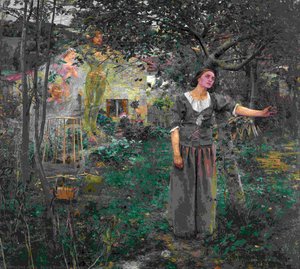
Bastien-Lepage logró un temprano éxito en 1874 con su pintura "Retrato de mi Abuelo", que obtuvo el reconocimiento de la crítica y recibió una medalla de tercer grado. También ganó renombre por sus pinturas históricas, incluyendo “Juana de Arco”, ahora expuesta en el Musée d'Orsay de París.
- Obras Notables:
- "Retrato de mi Abuelo" (1874)
- “Juana de Arco” (Musée d’Orsay, París)
- "Segando el Heno" (Les Foins) – reconocido como líder de la emergente escuela naturalista.
- "En Octubre - recolectando patatas"
- "A la Hora de la Cosecha"
- "Laura, Lady Alma Tadema"
- "Sarah Bernhardt" (1879) – un retrato que le valió importantes encargos.
- "Paisaje con carbón, invierno"
Tras el éxito de "Segando el Heno", Bastien-Lepage fue reconocido como líder de la emergente escuela naturalista. En 1883, un crítico podía proclamar que “todo el mundo pinta tanto hoy en día como m. bastien-lepage que m. bastien-lepage parece pintar como todo el mundo”. Esta fama le valió importantes encargos, incluido un retrato de Sarah Bernhardt en 1879.
Naturalismo y Legado
El naturalismo fue un movimiento artístico que surgió como reacción a la revolución industrial y su impacto en la sociedad. Representaba a la clase trabajadora y a los pobres, centrándose en sus luchas y dificultades. El movimiento comenzó en Francia y se extendió por Europa, convirtiéndose en un estilo artístico ampliamente reconocido.
- Significado: Bastien-Lepage fue una figura significativa en el desarrollo del naturalismo y el impresionismo. Sus pinturas continúan siendo celebradas por su belleza y profundidad emocional, y su influencia puede verse en muchos artistas que le siguieron.
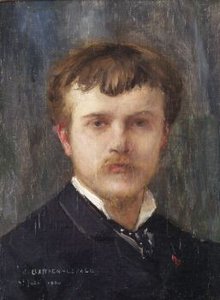
Jules Bastien-Lepage
1848 - 1884 , Francia
Datos clave
- Artistas Influenciados: ['Impresionismo']
- Artistas Que Influyeron:
- Alexandre Cabanel
- George Clausen
- Tom Roberts
- Fecha De Nacimiento: 1848
- Lugar De Nacimiento: Damvillers, Francia
- Movimiento Artístico: Naturalismo, Realismo
- Nacionalidad: Francés
- Nombre Completo: Jules Bastien-Lepage
- Obras Notables:
- Retrato de mi abuelo
- Juana de Arco
- Segando heno (Les Foins)
- Sarah Bernhardt
Artículos relacionados
Timeless Tides: Transform Your Home with the Serene Elegance of Iconic River Thames Artworks
Transform your home into a serene sanctuary with stunning River Thames artworks. From Monet’s Impressionist vistas to bespoke oil reproductions, discover hand-painted masterpieces at ArtsDot.com designed to inspire. Elevate your decor with timeless elegance and expert artistry.
Walter Greaves: A Study in Victorian Realism & the Social Landscape of British Art
Explore the life & work of Walter Greaves, a key Victorian realist painter influenced by Whistler. Discover his London streetscapes, portraits, and enduring legacy. Learn about art appraisal & reproduction options at ArtsDot.
Romantic Realism's Finest: 10 Masterpieces for Your Home | ArtsDot
Explore 10 defining masterpieces of Romantic Realism! Discover Courbet, Millet & Daumier's powerful paintings—capturing emotion and social realities. Find museum-quality reproductions for your home at ArtsDot.com.

Paisajes Románticos: 10 Obras Maestras que Definieron un Movimiento Artístico
Descubre los 10 paisajes románticos más influyentes de artistas como Caspar David Friedrich y Turner. Explora la belleza, el simbolismo y las técnicas del movimiento romántico. Reproducciones de arte exclusivas en ArtsDot.com.

John Constable: Las 25 Obras Maestras del Paisaje Inglés | ArtsDot
Descubre las 25 obras maestras de John Constable, el pintor romántico inglés que capturó la belleza del paisaje. Explora su técnica, historia y significado en ArtsDot.com. Reproducciones de arte de alta calidad para tu hogar.