

 Ver en contexto
 Enviar
 Compartir
 Detalles

 Descargar
 Similares
 Radiografía
 Presentación de diapositivas
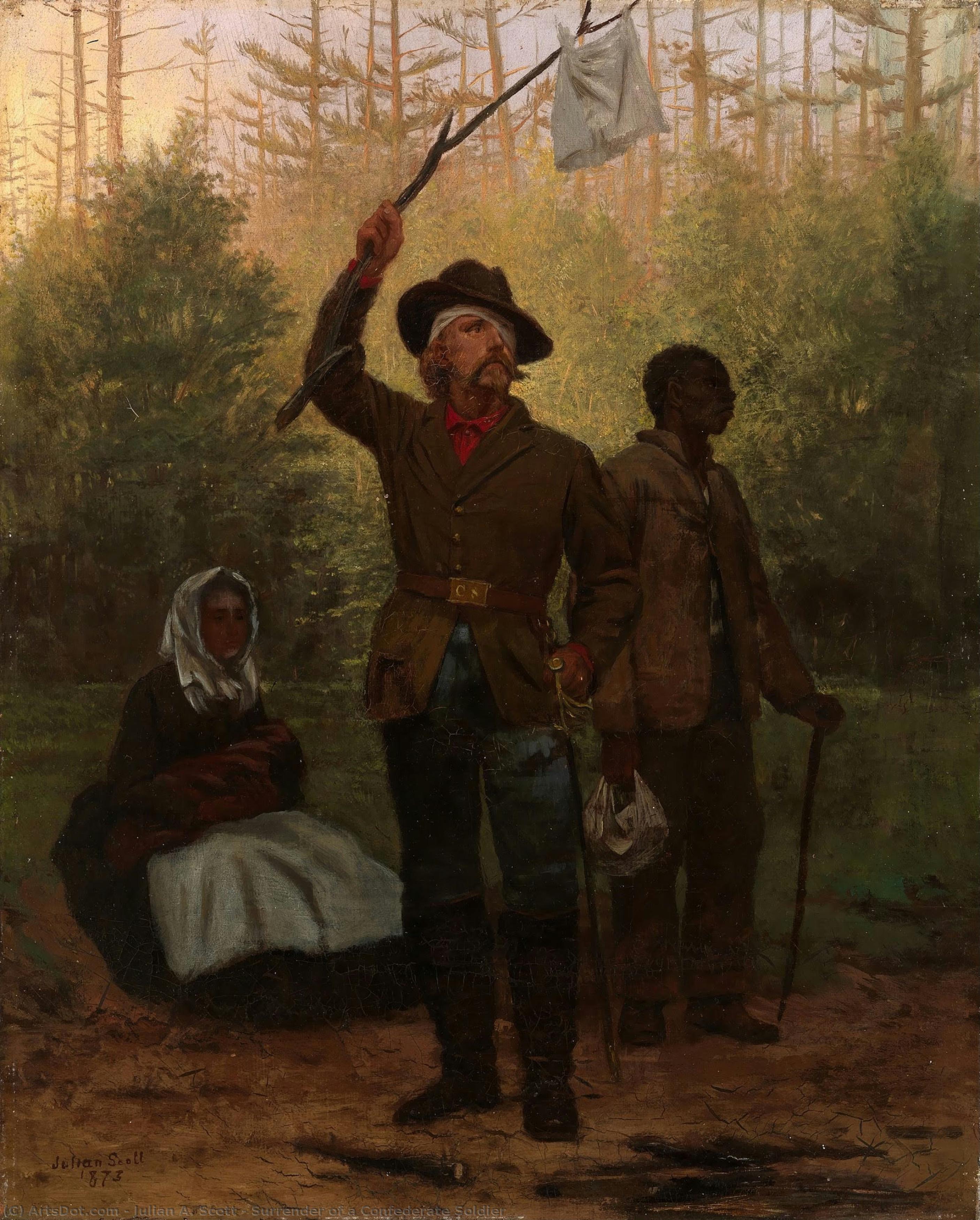
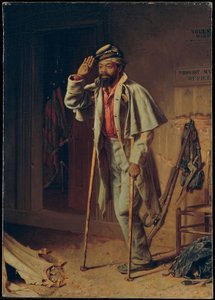
Surrender of a Confederate Soldier


 Ver más
Reproducción al óleo hecha a mano
Óleo sobre lienzo pintado a mano en el tamaño y marco de su elección, realizado por encargo por nuestros artistas. ( Comprar impresión Comprar imagen)




P118B $10

P118H $10

P118W $10

P438Z $10

P508JH $12

P508YH $12

P805H $10

P805Z $10

P919BZ $10

P919G $10

P919XJ $10

P959ZH $10

P968JZ $12

W106C $8

W218G $10

W218JH $8

W218Y $10

W307PJ $10

W316G $10

W316PJ $8

W316Y $10

W398PJ $8

W4111J $10

W500HY $15

W500JH $15

W692G $12

W849H $8

W940BG $15

W953PJ $8




Elija entre nuestros tamaños predefinidos que respetan las proporciones originales de la obra.

Puede ingresar sus propias dimensiones para adaptarse a un marco o espacio específico. Si el tamaño seleccionado no coincide con las proporciones de la imagen original, recortaremos la obra o extenderemos la pintura con elementos adicionales pintados a mano. Se le enviará una maqueta digital para su aprobación antes de comenzar la producción.
Tenga en cuenta que la vista previa en pantalla no refleja el recorte o la extensión reales. Solo la maqueta mostrará con precisión la composición final.
Si bien existen tamaños personalizados, recomendamos seleccionar una dimensión de la lista predefinida para preservar las proporciones originales.
Tras realizar el pedido, el equipo de ArtsDot.com enviará un correo electrónico al cliente para solicitar instrucciones y proporcionarle una vista previa del boceto.
Envío a todo el mundo () en 3-4 semanas en lugar de las 5 semanas estándar. (24 agosto). Sin comprometer la calidad.

Envío exprés gratuito a todo el mundo

Lienzo de lino de alta calidad

Seguro de envío total

Garantía de reembolso de impuestos aduaneros

Garantía de fidelidad cromática exacta

Política de devolución de 60 días (solo por defectos)

Garantía de devolución del 100% del dinero

Descuento por cantidad
 La opción de vidrio solo está disponible en tamaños inferiores a 110 cm.

Surrender of a Confederate Soldier
Técnica de reproducción
Dimensiones de la reproducción
-


Precio total final
$ 263
Descripción de la obra
The Weight of History: Julian Scott’s ‘Surrender of a Confederate Soldier’
Julian A. Scott's “Surrender of a Confederate Soldier,” painted in 1873, isn’t merely a depiction of a battlefield moment; it’s a profound meditation on loss, resilience, and the unsettling aftermath of conflict. The painting immediately commands attention with its somber palette – muted browns, grays, and ochres dominate, reflecting not triumph but the bleak reality of shattered hopes and wounded bodies. It's a scene steeped in quiet dignity amidst palpable suffering, a testament to Scott’s remarkable ability to capture the psychological weight of war rather than simply its physical violence.
The central figure, an injured Confederate soldier, is rendered with startling realism. His uniform, torn and stained, speaks volumes about his ordeal – a tangible representation of the brutal realities faced by those who fought in the American Civil War. He holds aloft a makeshift flag, not a symbol of victory, but a gesture of surrender, a poignant acknowledgment of defeat. Crucially, he’s not alone. Beside him stands a Black man, presumably his former slave, and a woman cradling an infant – figures that inject a complex layer of meaning into the scene. This inclusion challenges simplistic narratives of conflict, hinting at the shared experience of hardship and the enduring bonds forged amidst devastation.
A Masterclass in Realism and Emotional Resonance
Scott’s artistic skill lies not just in his technical proficiency but in his ability to imbue his subjects with humanity. He employs a loose, expressive brushstroke – characteristic of the Hudson River School, yet distinctly his own – that conveys both the physical wounds of the soldier and the emotional turmoil within him. The lighting is particularly effective; it’s diffused and melancholic, casting long shadows that accentuate the figures' vulnerability. The composition itself draws the eye inward, focusing on the faces of the individuals involved, inviting the viewer to contemplate their stories.
Technically, the painting demonstrates a mastery of oil paint. Scott skillfully uses layering and glazing techniques to create depth and texture, particularly in the depiction of the soldier’s clothing and the rough terrain. The subtle variations in tone suggest a keen understanding of light and shadow, contributing significantly to the overall mood of the piece. The attention to detail—the worn fabric, the dirt-stained boots, the weary expression on the soldier's face—is meticulously rendered, reinforcing the painting’s powerful sense of realism.
Historical Context: The Aftermath and a Shifting Narrative
“Surrender of a Confederate Soldier” was created in the immediate aftermath of the Civil War, a period marked by profound social and political upheaval. The Union victory had brought an end to slavery, but it hadn’t ushered in an era of reconciliation or equality. The painting reflects this complex reality, capturing the uncertainty and disillusionment felt by many Southerners grappling with the loss of their way of life. It's important to note that Scott himself served as a Union Army drummer during the war, lending his personal experience and perspective to the work.
Interestingly, scholars like Eleanor Jones Harvey have argued that the painting represents a shift in how the Civil War was depicted – moving away from glorifying military heroism towards acknowledging the human cost of conflict. Scott’s choice to portray the surrender not as an act of defeat but as a moment of quiet dignity and shared humanity is particularly significant in this context. The inclusion of the Black man and woman adds another layer of complexity, suggesting a recognition of the intertwined fates of all those affected by the war.
Symbolism and Enduring Impact
Beyond its immediate depiction of a surrender, “Surrender of a Confederate Soldier” is rich in symbolism. The makeshift flag represents not just the end of military action but also the relinquishing of power and control. The woman cradling her infant embodies the hope for future generations, despite the devastation of the present. The painting’s enduring impact lies in its ability to evoke empathy and provoke reflection on the lasting consequences of war – not just on soldiers and their families, but on entire societies.
Today, “Surrender of a Confederate Soldier” remains a powerful testament to Scott's artistic vision and a poignant reminder of the complexities of American history. Reproductions of this iconic work offer an opportunity to engage with this significant historical moment and contemplate its enduring relevance.
Obras relacionadas

Biografía del artista
Julian A. Scott (1846-1901): American Civil War Artist & Veteran
Julian A. Scott, a name etched in the annals of american art and military history, left an indelible mark on both realms. Born in Johnson City, Vermont, in 1846, scott's life was a testament to his unyielding spirit, as he navigated the tumultuous landscape of the american civil war and subsequently, the world of art. He embodied the ideals of resilience and artistic dedication—qualities that would define his remarkable journey.Early Life and Military Service
Scott’s formative years were shaped by humble beginnings and a fervent passion for learning. Educated at the Lamoille Academy (now Johnson State College), he cultivated intellectual curiosity alongside an innate appreciation for visual expression. However, it was his enlistment in the Union Army at just 15 as a fifer in the 3rd Vermont Infantry that irrevocably altered the trajectory of his life. This decision wasn’t merely patriotic; it stemmed from a profound desire to serve his country and hone his martial prowess. His bravery during the Civil War swiftly earned him recognition—specifically, the Medal of Honor—in February 1865 for rescuing wounded soldiers under enemy fire at the Battle of Lee's Mills. This courageous act cemented his place in military lore and underscored his unwavering commitment to duty.Artistic Pursuits: Influences and Training
Following the cessation of hostilities, scott channeled his energies into pursuing his artistic ambitions with renewed vigor. Recognizing the importance of formal training, he embarked on a scholarly expedition to Paris and Stuttgart, immersing himself in the vibrant artistic milieu of Europe. Notably, he studied under Emmanuel Leutze, whose monumental painting “Washington Crossing the Delaware” profoundly impacted scott’s stylistic sensibilities—inspiring him to adopt a grand scale and dramatic composition. Furthermore, his enrollment at the National Academy of Design in New York provided invaluable opportunities for honing his technical skills and exploring diverse artistic mediums.Notable Works: Capturing History Through Paint
Scott's artistic output is characterized by its unwavering commitment to realism and emotional resonance—traits that reflect not only his personal experiences during the Civil War but also his broader engagement with american history. His magnum opus, “Battle of Cedar Creek,” completed in 1872, stands as a poignant portrayal of the human cost of conflict—a masterpiece that resides prominently at the Vermont State House and exemplifies the School of Hudson River’s aesthetic principles. Beyond cedar creek, scott's oeuvre includes "Surrender of a Confederate Soldier," which finds its home within the Smithsonian American Art Museum collection, and “The Recall,” executed in 1874 on board the Hartford, alongside “Reserves Awaiting Orders” (1877), demonstrating his versatility as an artist. These paintings are imbued with meticulous detail and convey palpable emotion—capturing pivotal moments of american history with unwavering fidelity.Legacy: An Artist's Enduring Impact
Julian A. Scott’s legacy extends far beyond the canvases he created; it encompasses a profound contribution to american cultural heritage. His Medal of Honor citation serves as an enduring symbol of valor and courage—a testament to his unwavering dedication to service and honor. More broadly, scott’s artistic achievements solidified his position as one of the foremost realist painters of his era—inspiring subsequent generations of artists and enriching the visual landscape of america. He remains a figure of considerable interest for art historians and enthusiasts alike, whose work continues to resonate with audiences today.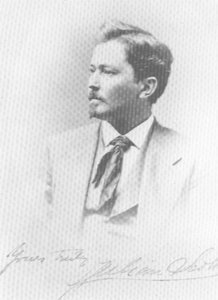
Julian Scott
1846 - 1901 , Estados Unidos
Datos clave
- Artistic Movement Or Style: Realismo
- Artists Or Movements Influenced By This Artist: ['Hudson River School']
- Artists Who Influenced This Artist: ['Emmanuel Leutze']
- Date Of Birth: 1846
- Date Of Death: 1901
- Full Name: Julian A. Scott
- Nationality: Americano
- Notable Artworks:
- Battle of Cedar Creek
- Surrender of a confederate soldier
- Place Of Birth: Johnson City, Estados Unidos
Artículos relacionados

Grant Wood & American Regionalism: Identity, Myth & the Rural Landscape
Explore the world of Grant Wood & American Regionalism with ArtsDot. Discover the symbolism behind 'American Gothic', recurring themes, and the movement's lasting impact on art history. High-quality reproductions available.

Realismo Estadounidense: 10 Obras Maestras que Cambiaron el Arte y la Decoración
Descubre 10 obras maestras del Realismo Estadounidense: Winslow Homer, Edward Hopper y más. Explora la historia, técnica y emoción de estos icónicos cuadros. Encuentra reproducciones de arte de museo en ArtsDot.com.
Regionalismo Americano: Un Crisol de Identidad en el Arte y la Sociedad
Explora el Regionalismo Americano: su historia, artistas clave como Benton y Wood, y su profundo compromiso con la sociedad de la Gran Depresión. Un análisis exhaustivo para amantes del arte.
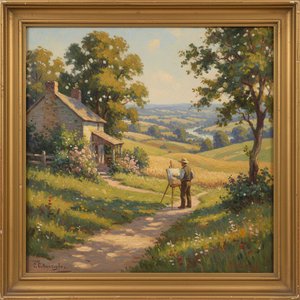
Julian Alden Weir: A Quiet Master of American Impressionism & Rural Life
Discover Julian Alden Weir, a leading American Impressionist painter celebrated for his serene landscapes & depictions of rural life. Explore his artistic evolution, influence on 'The Ten', and legacy at Weir Farm.
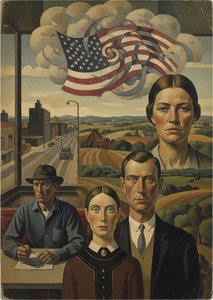
Ecos del Lugar: Regionalismo e Identidad Americana en el Arte Entre Guerras
Descubra el Regionalismo americano: un movimiento artístico que capturó la esencia de la identidad rural y la vida en Estados Unidos entre guerras. Análisis experto, obras clave y legado cultural.

