 Ver en contexto
 Enviar
 Compartir
 Detalles

 Descargar
 Similares
 Radiografía
 Presentación de diapositivas
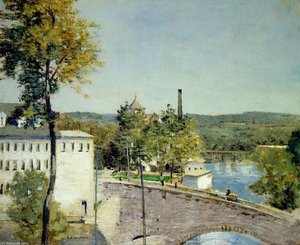
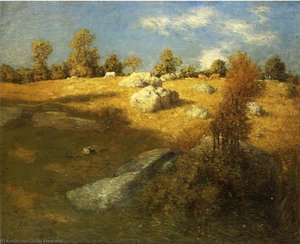
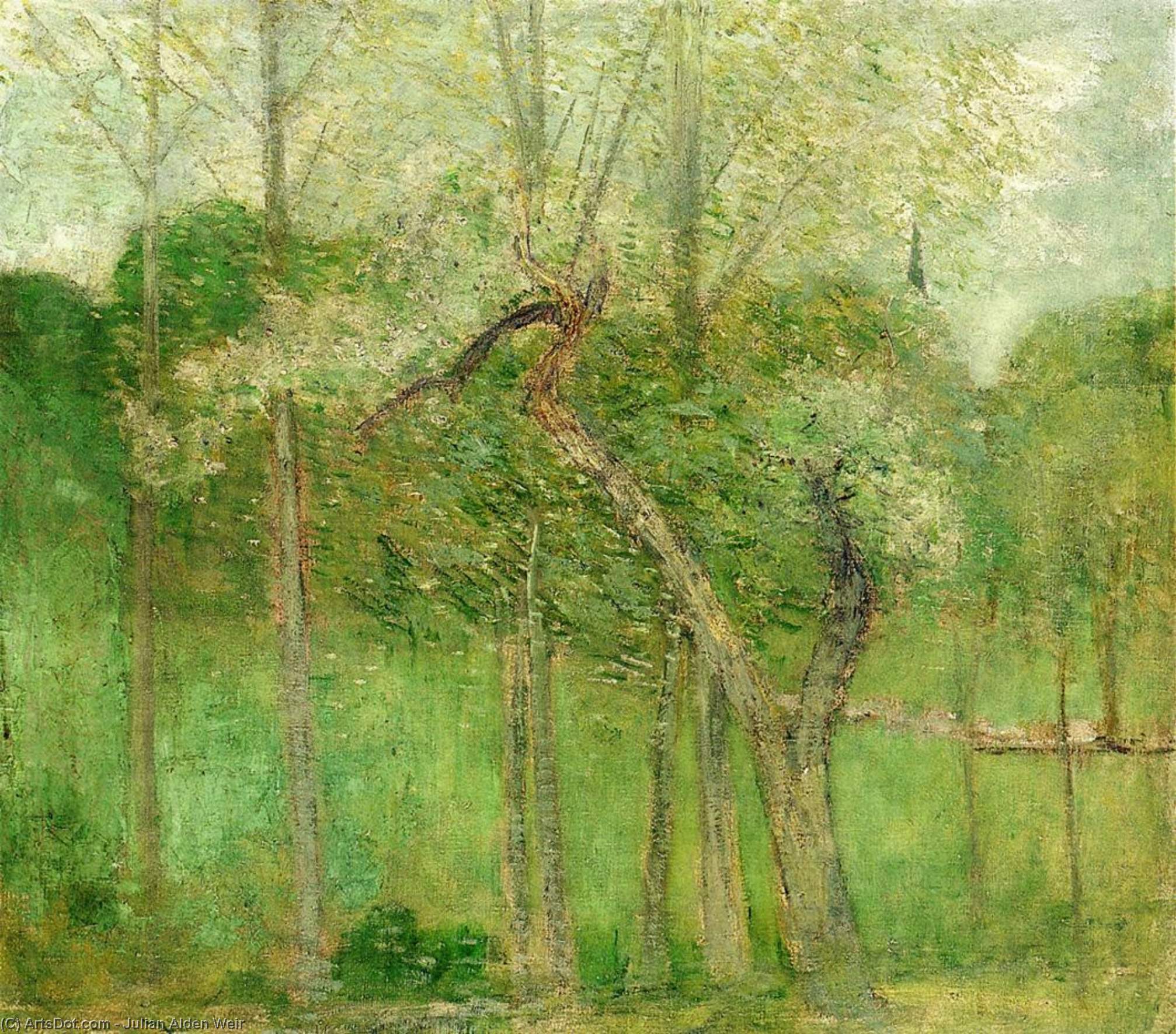
Landscape with Steeple, Wyndham
 Oil On Canvas
- WallArt
- Impressionism
 1892
1892- 19th Century
 81.0 x 91.0 cm
 Ver más
Reproducción al óleo hecha a mano
Óleo sobre lienzo pintado a mano en el tamaño y marco de su elección, realizado por encargo por nuestros artistas. ( Comprar impresión Comprar imagen)




P118B $10

P118H $10

P118W $10

P438Z $10

P508JH $12

P508YH $12

P805H $10

P805Z $10

P919BZ $10

P919G $10

P919XJ $10

P959ZH $10

P968JZ $12

W106C $8

W218G $10

W218JH $8

W218Y $10

W307PJ $10

W316G $10

W316PJ $8

W316Y $10

W398PJ $8

W4111J $10

W500HY $15

W500JH $15

W692G $12

W849H $8

W940BG $15

W953PJ $8




Elija entre nuestros tamaños predefinidos que respetan las proporciones originales de la obra.

Puede ingresar sus propias dimensiones para adaptarse a un marco o espacio específico. Si el tamaño seleccionado no coincide con las proporciones de la imagen original, recortaremos la obra o extenderemos la pintura con elementos adicionales pintados a mano. Se le enviará una maqueta digital para su aprobación antes de comenzar la producción.
Tenga en cuenta que la vista previa en pantalla no refleja el recorte o la extensión reales. Solo la maqueta mostrará con precisión la composición final.
Si bien existen tamaños personalizados, recomendamos seleccionar una dimensión de la lista predefinida para preservar las proporciones originales.
Tras realizar el pedido, el equipo de ArtsDot.com enviará un correo electrónico al cliente para solicitar instrucciones y proporcionarle una vista previa del boceto.
Envío a todo el mundo () en 3-4 semanas en lugar de las 5 semanas estándar. (22 agosto). Sin comprometer la calidad.

Envío exprés gratuito a todo el mundo

Lienzo de lino de alta calidad

Seguro de envío total

Garantía de reembolso de impuestos aduaneros

Garantía de fidelidad cromática exacta

Política de devolución de 60 días (solo por defectos)

Garantía de devolución del 100% del dinero

Descuento por cantidad
 La opción de vidrio solo está disponible en tamaños inferiores a 110 cm.

Landscape with Steeple, Wyndham
Técnica de reproducción
Dimensiones de la reproducción
-


Precio total final
$ 263
Descripción de la obra
A Verdant Dream of Rural Serenity
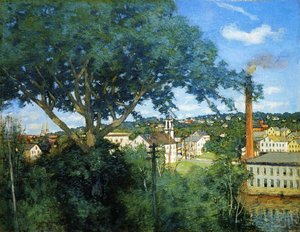
To gaze upon Landscape with Steeple, Wyndham is to step through a veil into a moment suspended in time—a breath of fresh air captured on canvas. Julian Alden Weir’s masterful depiction transports the viewer to a pastoral idyll, where the gentle curve of the land meets the steadfast presence of human endeavor, symbolized by the distant steeple. The scene pulses with the quiet energy of springtime; one can almost smell the damp earth and freshly cut grass mingling in the spring breeze. It is more than just a view; it is an evocation of peace, a visual balm for the modern soul weary from the clamor of city life.
The Impressionist Brushstroke and Light
Weir’s technique here is a quintessential celebration of Impressionism. He does not merely paint what he sees; he paints how light falls upon it, how color interacts with atmosphere. Observe the foliage: the trees are rendered in myriad shades of green, each brushstroke contributing to a tapestry of life that seems almost vibrating with captured sunlight. This vibrant palette, achieved through oil on canvas, gives the entire composition an incredible sense of depth and dimension. The artist’s skillful handling of light ensures that the foreground elements feel immediate and tangible, while the background recedes into a soft, luminous haze, guiding the eye naturally across the breadth of the rural landscape.
Historical Echoes and Artistic Lineage
Created in 1892, this work sits at a fascinating crossroads in American art history. Julian Alden Weir, himself part of an artistic dynasty, channeled the prevailing spirit of capturing fleeting moments—a hallmark of Impressionism. While his training exposed him to academic rigor, his subject matter speaks to a deep affection for the enduring beauty of the American countryside. The inclusion of the steeple grounds the ethereal quality of the landscape in human history and community structure, suggesting that even amidst nature's wild splendor, civilization offers its comforting anchor.
Symbolism of Place and Tranquility
The symbolism woven into this piece is subtle yet profound. The lush green leaves speak to renewal and vitality, while the open expanse of the grassy areas suggests freedom and possibility. The steeple itself often symbolizes aspiration—the reaching toward something higher or more enduring. For the collector or designer, owning this reproduction means bringing home not just a painting, but an atmosphere: one of cultivated tranquility. It is a piece designed to soften the edges of a room, inviting contemplation and quiet moments of reflection.
Bringing the Masterpiece Home
The physical presence of Landscape with Steeple, Wyndham, rendered in oil on canvas measuring 81 x 91 cm, promises an immediate impact. Whether placed above a console table or anchoring a gallery wall, its rich color saturation and visible texture will draw the eye. Choosing a high-quality reproduction allows one to partake in Weir’s celebrated vision—a timeless celebration of light, life, and the enduring poetry found within the heart of the countryside.
Obras relacionadas
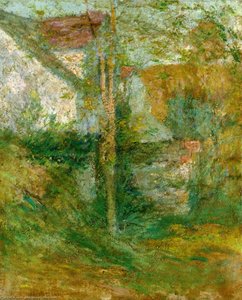
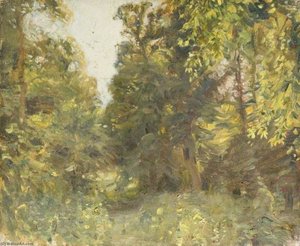
Biografía del artista
Julian Alden Weir: Una Vida en el Impresionismo Americano
- Nacido: West Point, Estados Unidos de América (30 de agosto de 1852)
- Fallecido: Nueva York (8 de diciembre de 1919)
Primeros Años y Formación Artística
Julian Alden Weir nació en una familia artística en West Point, Nueva York. Su padre, Robert Walter Weir, fue profesor de dibujo en la Academia Militar de los Estados Unidos y también un notable pintor dentro de la tradición de la Escuela del Río Hudson. El hermano mayor de Julian, John Ferguson Weir, también se convirtió en un reconocido artista paisajista. Este entorno familiar fomentó su interés temprano por el arte. Recibió su formación inicial en el National Academy of Design en 1870 antes de viajar a París en 1873. En París, estudió con Jean-Léon Gérôme y se hizo amigo de Jules Bastien-Lepage, experiencias que moldearon significativamente sus cimientos artísticos. Inicialmente despectivo del Impresionismo, calificándolo de "cosas horribles", la perspectiva de Weir evolucionaría considerablemente con el tiempo.Desarrollo Artístico y Estilo
Tras regresar a Nueva York en 1877, Weir inicialmente favoreció un entorno más rural, estableciéndose finalmente en Ridgefield, Connecticut, en 1880. Su estilo artístico experimentó una transformación significativa a partir de 1891. Adoptó los principios del Impresionismo, reconociendo su validez e incorporando sus técnicas en su trabajo. Este cambio resultó en una mezcla única de enfoques tradicionales y vibrante expresión impresionista. El estilo de Weir a menudo oscilaba entre esta combinación dinámica y un tonalismo más sutil y velado, una característica que definió gran parte de su producción posterior. También fue un grabador consumado, trabajando principalmente con técnicas de aguafuerte.Obras Clave y Reconocimiento
El legado artístico de Weir se marca por varias obras notables:- On the Shore (1892): Un ejemplo esencial de su estilo impresionista, capturando una escena costera con colores vibrantes y pinceladas sueltas.
- Retrato en punteado del pintor estadounidense Theodore Robinson: Demuestra la habilidad de Weir como grabador y su conexión con otros artistas.
- Moonrise: Muestra su capacidad para evocar atmósfera y estado de ánimo a través de sutiles variaciones tonales.
- New England Barnyard (1904): Una encantadora representación de la vida rural, capturando las texturas y la luz de una granja de Nueva Inglaterra.
- Upland Pasture (1905): Un sereno paisaje que muestra su dominio de las técnicas tonalistas.
- Ravine near Branchville (1915): Otro tranquilo ejemplo de sus paisajes impresionistas.
Legado y Significado Histórico
El legado de Julian Alden Weir se extiende más allá de sus obras individuales. Su papel fundamental en la conexión entre las técnicas tradicionales de pintura y los enfoques impresionistas influyó significativamente en el arte estadounidense. Fue miembro fundador de "The Ten", un grupo de pintores estadounidenses destacados que buscaban exhibir su trabajo independientemente de las instituciones establecidas. Hoy en día, el Sitio Histórico Nacional Weir Farm, que abarca su hogar y estudio campestre en Branchville, Connecticut, se erige como un testimonio preservado de su vida y contribuciones artísticas, ofreciendo a los visitantes una visión del mundo de un influyente impresionista estadounidense. Su conexión familiar con Robert Walter Weir, un pintor de la Escuela del Río Hudson, consolida aún más su lugar dentro de la narrativa más amplia de la historia del arte estadounidense.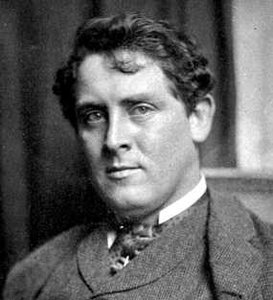
Julian Alden Weir
1852 - 1919 , Estados Unidos de América
Datos clave
- Artistas Que Influyeron:
- Jean-Léon Gérôme
- Jules Bastien-Lepage
- Fecha De Fallecimiento: 8 de diciembre de 1919
- Fecha De Nacimiento: 30 de agosto de 1852
- Lugar De Nacimiento: West Point, EE. UU.
- Movimiento Artístico:
- Impresionismo
- Tonalismo
- Nacionalidad: Estadounidense
- Nombre Completo: Julian Alden Weir
- Obras Notables:
- On the Shore
- Retrato en punta seca
- Moonrise
- Upland Pasture
- Ravine near Branchville
- New England Barnyard
Artículos relacionados
Verdant Visions: Exploring the Symbolism & Aesthetic Impact of Green in Art History
Explore the rich history & symbolism of green in art! Discover iconic paintings, techniques, and how to bring verdant harmony into your home with ArtsDot's expert guide.

Los 10 Maestros del Paisaje Impresionista: Obras que Cambiaron la Historia del Arte
Descubre los 10 lienzos impresionistas que revolucionaron el arte. Explora la historia de Monet, Van Gogh y Renoir, sus técnicas y colores vibrantes. Encuentra reproducciones de alta calidad para decorar tu hogar en ArtsDot.com

Los 10 Maestros del Paisaje Impresionista: Obras que Cambiaron la Historia del Arte
Descubre los 10 lienzos impresionistas que revolucionaron el arte. Monet, Renoir y más… Explora la historia, técnica y belleza de cada obra maestra. Encuentra reproducciones de alta calidad para tu hogar en ArtsDot.com.
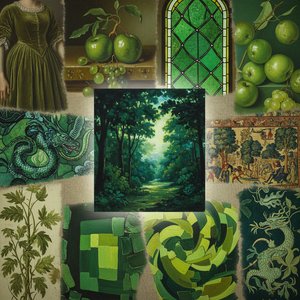
Los 10 Cuadros Más Famosos Dominados por el Verde Cromado: Arte y Decoración
Descubre los 10 cuadros más famosos dominados por el verde cromado. Explora la historia, artistas como Monet y Renoir, e inspírate para decorar tu hogar con lienzos impresionistas. Reproducciones de arte en .

Evocations of Place: A Historical Journey Through Landscape Art
Explore the rich history of landscape art with ArtsDot. Discover renowned artists, movements like Impressionism & Romanticism, and expert guidance for collecting timeless pieces. Find your perfect serene escape today!