 Ver en contexto
 Enviar
 Compartir
 Detalles

 Descargar
 Similares
 Radiografía
 Presentación de diapositivas
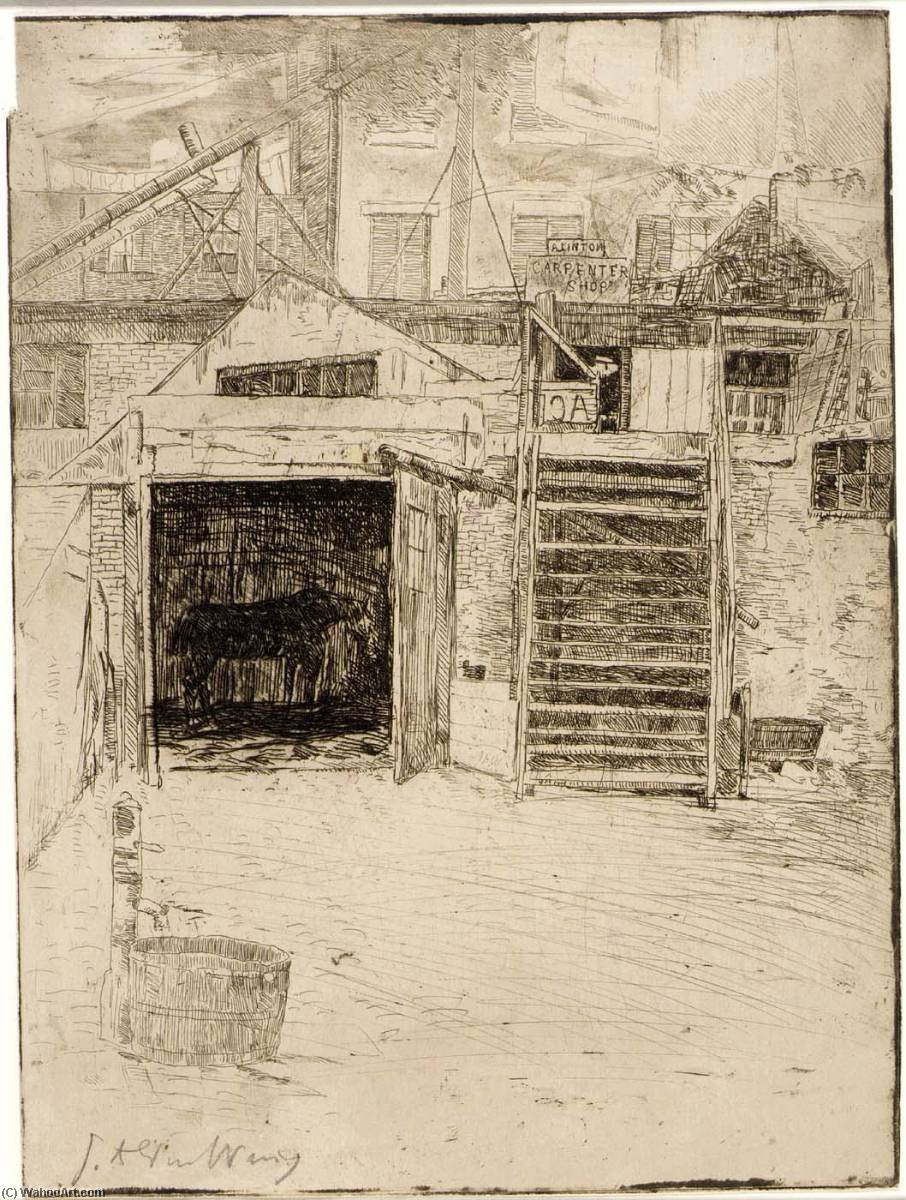
The Carpenter's Shop
 Etching
- Realism
 1891
1891- 19th Century
 20.0 x 15.0 cm
 Ver más
Reproducción al óleo hecha a mano
Óleo sobre lienzo pintado a mano en el tamaño y marco de su elección, realizado por encargo por nuestros artistas. ( Comprar impresión Comprar imagen)




P118B $10

P118H $10

P118W $10

P438Z $10

P508JH $12

P508YH $12

P805H $10

P805Z $10

P919BZ $10

P919G $10

P919XJ $10

P959ZH $10

P968JZ $12

W106C $8

W218G $10

W218JH $8

W218Y $10

W307PJ $10

W316G $10

W316PJ $8

W316Y $10

W398PJ $8

W4111J $10

W500HY $15

W500JH $15

W692G $12

W849H $8

W940BG $15

W953PJ $8




Elija entre nuestros tamaños predefinidos que respetan las proporciones originales de la obra.

Puede ingresar sus propias dimensiones para adaptarse a un marco o espacio específico. Si el tamaño seleccionado no coincide con las proporciones de la imagen original, recortaremos la obra o extenderemos la pintura con elementos adicionales pintados a mano. Se le enviará una maqueta digital para su aprobación antes de comenzar la producción.
Tenga en cuenta que la vista previa en pantalla no refleja el recorte o la extensión reales. Solo la maqueta mostrará con precisión la composición final.
Si bien existen tamaños personalizados, recomendamos seleccionar una dimensión de la lista predefinida para preservar las proporciones originales.
Tras realizar el pedido, el equipo de ArtsDot.com enviará un correo electrónico al cliente para solicitar instrucciones y proporcionarle una vista previa del boceto.
Envío a todo el mundo () en 3-4 semanas en lugar de las 5 semanas estándar. (7 septiembre). Sin comprometer la calidad.

Envío exprés gratuito a todo el mundo

Lienzo de lino de alta calidad

Seguro de envío total

Garantía de reembolso de impuestos aduaneros

Garantía de fidelidad cromática exacta

Política de devolución de 100 días (solo por defectos)

Garantía de devolución del 100% del dinero

Descuento por cantidad
 La opción de vidrio solo está disponible en tamaños inferiores a 110 cm.

The Carpenter's Shop
Técnica de reproducción
Dimensiones de la reproducción
-


Precio total final
$ 263
A Window into Urban Intimacy
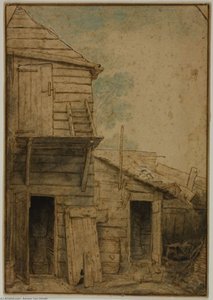
In the quiet, monochromatic world of Julian Alden Weir’s 1891 etching, The Carpenter's Shop, we are invited to step away from the grand vistas of the nineteenth century and into the textured, shadowed corners of everyday urban existence. This masterful work presents a view that feels both voyeuristic and deeply contemplative, capturing a cramped European courtyard or alleyway where the architecture itself seems to breathe with the weight of history. Through a meticulous application of ink on paper, Weir transforms a simple scene of brick walls, staircases, and hanging laundry into a complex tapestry of light and shadow. The composition is characterized by a strong verticality, drawing the eye upward through layers of geometric structures that create an almost palpable sense of enclosure, yet one that feels comforting rather than claustrophobic.
The technique employed here is a testament to the artist's profound command over the etching medium. Weir utilizes dense cross-hatching and intricate line work to build up tonal values, allowing the rough, tactile surfaces of weathered brick and aged wood to emerge from the paper. There is a rhythmic quality to his strokes; they simulate the grit of stone and the organic softness of fabric draped on laundry lines, creating a sensory experience that transcends the two-dimensional plane. The lighting is masterfully diffused, eschewing dramatic, theatrical highlights in favor of soft, subtle transitions. This gentle illumination lends a sense of stillness to the scene, as if time itself has slowed down within this hidden nook of the city, inviting the viewer to linger on the fine details of the construction and the quietude of the space.
The Art of the Everyday
Beyond its technical brilliance, The Carpenter's Shop serves as a poignant exploration of the beauty found in the mundane. As a leading figure in American Impressionism and a master of Tonalism, Weir possessed a unique ability to imbue domestic and urban subjects with a sense of poetic significance. In this piece, the subject matter—storage areas, doorways, and the remnants of daily labor—becomes a study in geometry and texture. The interplay between the rigid, rectangular forms of the buildings and the more fluid, organic shapes of the laundry creates a visual tension that keeps the eye moving through the composition. There is a subtle symbolism at play; the enclosed space suggests the hidden, private lives unfolding behind these very walls, offering a glimpse into the quiet dignity of urban life.
For the discerning collector or interior designer, this etching offers more than just a historical artifact; it provides a sophisticated focal point for any curated space. Its monochromatic palette and emphasis on texture make it an incredibly versatile piece, capable of adding depth and intellectual weight to a modern minimalist setting or complementing the rich, layered textures of a classical study. The artwork evokes a sense of nostalgia and quietude, making it an ideal selection for those seeking to introduce a touch of late 19th-century realism and emotional resonance into their environment. To possess a reproduction of this work is to hold a fragment of a vanished era, a beautifully preserved moment of stillness captured by one of America's most significant artistic minds.
Obras relacionadas
Biografía del artista
Julian Alden Weir: Una Vida en el Impresionismo Americano
- Nacido: West Point, Estados Unidos de América (30 de agosto de 1852)
- Fallecido: Nueva York (8 de diciembre de 1919)
Primeros Años y Formación Artística
Julian Alden Weir nació en una familia artística en West Point, Nueva York. Su padre, Robert Walter Weir, fue profesor de dibujo en la Academia Militar de los Estados Unidos y también un notable pintor dentro de la tradición de la Escuela del Río Hudson. El hermano mayor de Julian, John Ferguson Weir, también se convirtió en un reconocido artista paisajista. Este entorno familiar fomentó su interés temprano por el arte. Recibió su formación inicial en el National Academy of Design en 1870 antes de viajar a París en 1873. En París, estudió con Jean-Léon Gérôme y se hizo amigo de Jules Bastien-Lepage, experiencias que moldearon significativamente sus cimientos artísticos. Inicialmente despectivo del Impresionismo, calificándolo de "cosas horribles", la perspectiva de Weir evolucionaría considerablemente con el tiempo.Desarrollo Artístico y Estilo
Tras regresar a Nueva York en 1877, Weir inicialmente favoreció un entorno más rural, estableciéndose finalmente en Ridgefield, Connecticut, en 1880. Su estilo artístico experimentó una transformación significativa a partir de 1891. Adoptó los principios del Impresionismo, reconociendo su validez e incorporando sus técnicas en su trabajo. Este cambio resultó en una mezcla única de enfoques tradicionales y vibrante expresión impresionista. El estilo de Weir a menudo oscilaba entre esta combinación dinámica y un tonalismo más sutil y velado, una característica que definió gran parte de su producción posterior. También fue un grabador consumado, trabajando principalmente con técnicas de aguafuerte.Obras Clave y Reconocimiento
El legado artístico de Weir se marca por varias obras notables:- On the Shore (1892): Un ejemplo esencial de su estilo impresionista, capturando una escena costera con colores vibrantes y pinceladas sueltas.
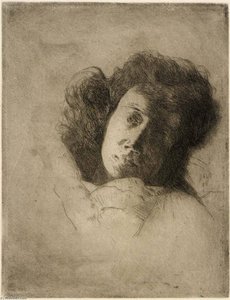
- Retrato en punteado del pintor estadounidense Theodore Robinson: Demuestra la habilidad de Weir como grabador y su conexión con otros artistas.
- Moonrise: Muestra su capacidad para evocar atmósfera y estado de ánimo a través de sutiles variaciones tonales.
- New England Barnyard (1904): Una encantadora representación de la vida rural, capturando las texturas y la luz de una granja de Nueva Inglaterra.
- Upland Pasture (1905): Un sereno paisaje que muestra su dominio de las técnicas tonalistas.
- Ravine near Branchville (1915): Otro tranquilo ejemplo de sus paisajes impresionistas.
Legado y Significado Histórico
El legado de Julian Alden Weir se extiende más allá de sus obras individuales. Su papel fundamental en la conexión entre las técnicas tradicionales de pintura y los enfoques impresionistas influyó significativamente en el arte estadounidense. Fue miembro fundador de "The Ten", un grupo de pintores estadounidenses destacados que buscaban exhibir su trabajo independientemente de las instituciones establecidas. Hoy en día, el Sitio Histórico Nacional Weir Farm, que abarca su hogar y estudio campestre en Branchville, Connecticut, se erige como un testimonio preservado de su vida y contribuciones artísticas, ofreciendo a los visitantes una visión del mundo de un influyente impresionista estadounidense. Su conexión familiar con Robert Walter Weir, un pintor de la Escuela del Río Hudson, consolida aún más su lugar dentro de la narrativa más amplia de la historia del arte estadounidense.
Julian Alden Weir
1852 - 1919 , Estados Unidos de América
Datos clave
- Artistas Que Influyeron:
- Jean-Léon Gérôme
- Jules Bastien-Lepage
- Fecha De Fallecimiento: 8 de diciembre de 1919
- Fecha De Nacimiento: 30 de agosto de 1852
- Lugar De Nacimiento: West Point, EE. UU.
- Movimiento Artístico:
- Impresionismo
- Tonalismo
- Nacionalidad: Estadounidense
- Nombre Completo: Julian Alden Weir
- Obras Notables:
- On the Shore
- Retrato en punta seca
- Moonrise
- Upland Pasture
- Ravine near Branchville
- New England Barnyard
Artículos relacionados
Julian Alden Weir: A Quiet Master of American Impressionism & Rural Life
Discover Julian Alden Weir, a leading American Impressionist painter celebrated for his serene landscapes & depictions of rural life. Explore his artistic evolution, influence on 'The Ten', and legacy at Weir Farm.
Las 10 Grabados Legendarios que Revolucionaron el Arte | ArtsDot
Descubre los 10 grabados legendarios que transformaron la historia del arte. Explora las obras maestras de Rembrandt, Goya y Dürer. Encuentra reproducciones de alta calidad e inspírate para decorar tu hogar con arte clásico en ArtsDot.com.

El Aguafuerte: Un Recorrido Histórico por su Técnica, Cualidades Estéticas y Significado Duradero
Descubre la fascinante historia y técnica del aguafuerte. Explora su evolución artística, los maestros que lo dominaron y sus cualidades estéticas únicas. Guía experta para amantes del arte.

The Intricate World of Etching: A Historical Survey of Technique, Aesthetic Evolution, and Enduring Artistic Impact
Explore the rich history of etching, from its origins to modern practice. Discover techniques, key artists like Rembrandt, and insights for collectors. A comprehensive guide by ArtsDot.
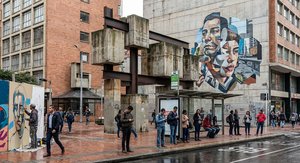
Concrete Narratives: Exploring Urban Life in Modern & Contemporary Art
Explore the evolution of cityscape painting with ArtsDot. Discover key artists from Realism to contemporary movements & invest in timeless urban visions. Expert guidance, museum-quality reproductions.