 Ver en contexto
 Enviar
 Compartir
 Detalles

 Descargar
 Similares
 Radiografía
 Presentación de diapositivas
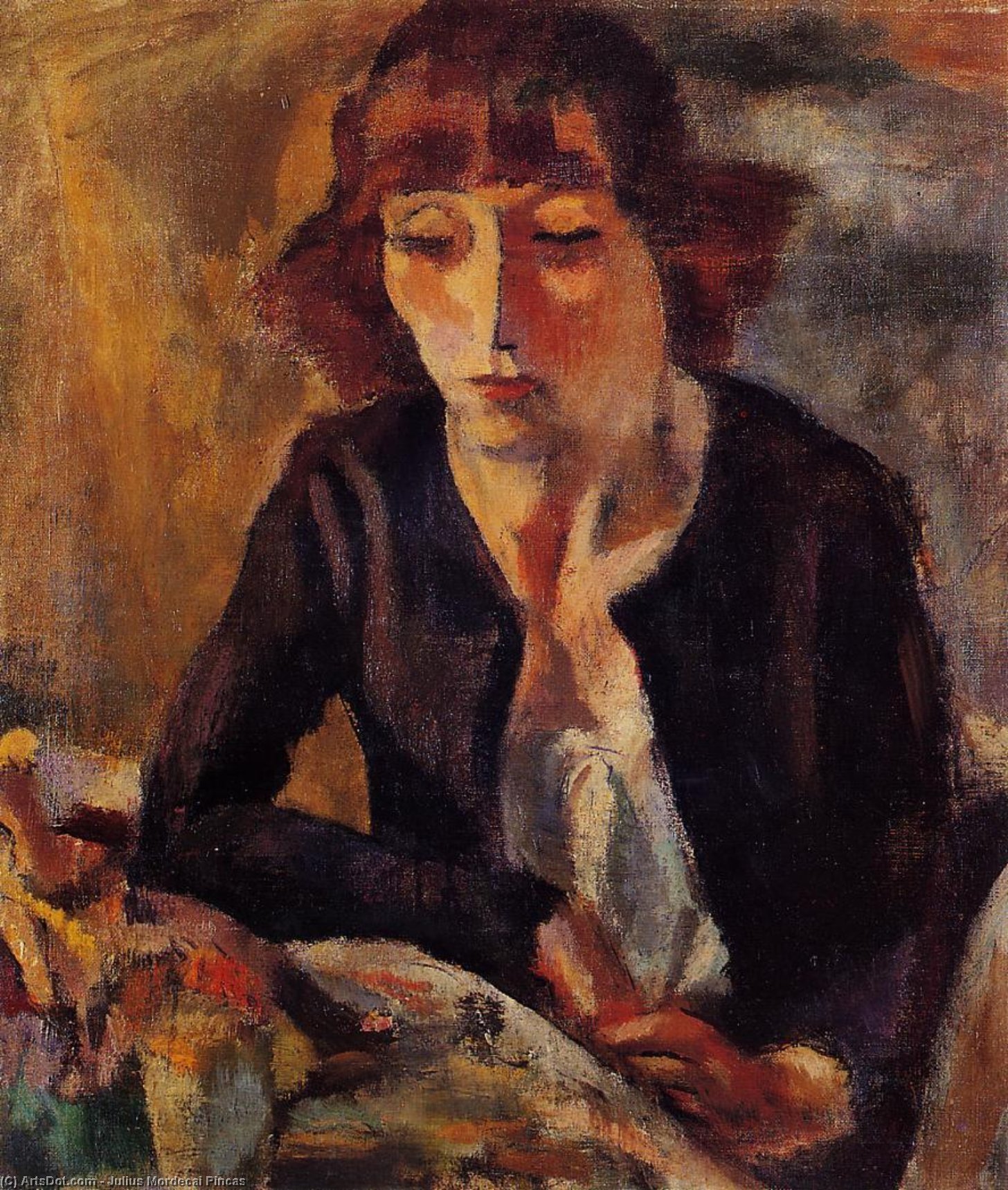
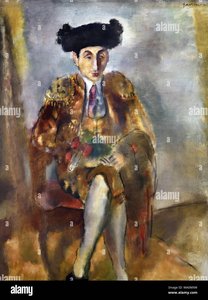
Portrait of Hermine David
 Oil On Canvas
- WallArt
- Early Modernism
 1918
1918- 19th Century
 Musée Nacional de Arte Moderno Centre Georges Pompidou
 Ver más
Reproducción al óleo hecha a mano
Óleo sobre lienzo pintado a mano en el tamaño y marco de su elección, realizado por encargo por nuestros artistas. ( Comprar impresión Comprar imagen)




P118B $10

P118H $10

P118W $10

P438Z $10

P508JH $12

P508YH $12

P805H $10

P805Z $10

P919BZ $10

P919G $10

P919XJ $10

P959ZH $10

P968JZ $12

W106C $8

W218G $10

W218JH $8

W218Y $10

W307PJ $10

W316G $10

W316PJ $8

W316Y $10

W398PJ $8

W4111J $10

W500HY $15

W500JH $15

W692G $12

W849H $8

W940BG $15

W953PJ $8




Elija entre nuestros tamaños predefinidos que respetan las proporciones originales de la obra.

Puede ingresar sus propias dimensiones para adaptarse a un marco o espacio específico. Si el tamaño seleccionado no coincide con las proporciones de la imagen original, recortaremos la obra o extenderemos la pintura con elementos adicionales pintados a mano. Se le enviará una maqueta digital para su aprobación antes de comenzar la producción.
Tenga en cuenta que la vista previa en pantalla no refleja el recorte o la extensión reales. Solo la maqueta mostrará con precisión la composición final.
Si bien existen tamaños personalizados, recomendamos seleccionar una dimensión de la lista predefinida para preservar las proporciones originales.
Tras realizar el pedido, el equipo de ArtsDot.com enviará un correo electrónico al cliente para solicitar instrucciones y proporcionarle una vista previa del boceto.
Envío a todo el mundo () en 3-4 semanas en lugar de las 5 semanas estándar. (25 agosto). Sin comprometer la calidad.

Envío exprés gratuito a todo el mundo

Lienzo de lino de alta calidad

Seguro de envío total

Garantía de reembolso de impuestos aduaneros

Garantía de fidelidad cromática exacta

Política de devolución de 60 días (solo por defectos)

Garantía de devolución del 100% del dinero

Descuento por cantidad
 La opción de vidrio solo está disponible en tamaños inferiores a 110 cm.

Portrait of Hermine David
Técnica de reproducción
Dimensiones de la reproducción
-


Precio total final
$ 263
Descripción de la obra
Portrait of Hermine David: A Study in Melancholy and Modernism
Julius Mordecai Pincas’s “Portrait of Hermine David,” painted in 1918, is more than a simple likeness; it's a poignant meditation on isolation, introspection, and the burgeoning anxieties of the early 20th century. Housed within the hallowed halls of the Musée National d'Art Moderne Centre Georges Pompidou in Paris, this oil-on-canvas masterpiece offers a glimpse into the artist’s unique vision – a blend of modernism’s bold experimentation with the expressive depth of expressionism. The painting immediately draws the viewer in with its muted palette and the subject’s profoundly melancholic gaze; it's a scene steeped in quiet contemplation, inviting us to consider the unspoken narratives held within her eyes.
Pincas, a key figure of the “School of Paris,” masterfully employs a restrained color scheme dominated by deep blues, grays, and browns. This deliberate choice contributes significantly to the painting’s somber mood, creating an atmosphere of subdued intensity. The background, deliberately blurred and indistinct, further isolates Hermine, emphasizing her solitary state. The subtle inclusion of two figures in the periphery – barely discernible yet undeniably present – hints at a past or a potential future, adding layers of complexity to the portrait's narrative. A small cup or bowl on the left side serves as an intriguing detail, acting as a grounding element and subtly drawing our attention to her hands, suggesting a quiet routine amidst the prevailing melancholy.
The Artist’s Vision: Pincas and the Modernist Spirit
Julius Mordecai Pincas was a truly singular artist, known for his distinctive style that seamlessly blended elements of modernism and expressionism. Born in Vidin, Bulgaria, in 1885, he initially faced resistance to his artistic pursuits from his family, who favored the stability of their grain trading business. His early training in Vienna and Munich exposed him to influential figures like Paul Klee and Wassily Kandinsky, shaping his approach to color, form, and composition. Pincas’s work often featured bold brushstrokes, a willingness to distort reality, and an exploration of psychological themes – qualities that are powerfully evident in the “Portrait of Hermine David.”
Unlike many portraitists of his time, Pincas wasn't interested in capturing mere physical likeness. Instead, he sought to convey the inner life of his subjects, their emotions, and their experiences. The painting’s composition – the downward gaze, the subtle tension in her posture – speaks volumes about Hermine’s state of mind. The use of oil on canvas allows for a rich, textured quality that enhances the emotional depth of the work; the brushstrokes themselves seem to vibrate with unspoken feelings.
Symbolism and Emotional Resonance
The symbolism within “Portrait of Hermine David” is layered and open to interpretation. Her downward gaze suggests introspection, perhaps even sadness or resignation. The muted colors contribute to a sense of quiet despair, while the indistinct background reinforces her isolation. Some art historians have suggested that the painting reflects the broader anxieties of the era – the uncertainties surrounding World War I, the rapid social changes sweeping across Europe, and the growing sense of alienation in modern urban life.
The portrait’s enduring power lies in its ability to evoke a profound emotional response. It's not merely a depiction of a woman; it’s an exploration of the human condition – our capacity for loneliness, our struggles with identity, and our yearning for connection. The painting invites us to contemplate the mysteries hidden beneath the surface, prompting us to consider the unspoken stories that shape our lives.
A Timeless Masterpiece: Reproductions Available
The “Portrait of Hermine David” remains a captivating work of art, offering a poignant glimpse into the artistic spirit of its time. High-quality reproductions are now available through ArtsDot.com, allowing art enthusiasts to bring this iconic image into their homes and offices. These meticulously crafted reproductions faithfully capture the painting’s rich colors, intricate details, and emotional depth, ensuring that Pincas's vision continues to resonate with audiences today. For those seeking a piece of art history, a reproduction of “Portrait of Hermine David” is an exceptional choice – a testament to the enduring power of artistic expression.
Obras relacionadas
Biografía del artista
Julio Mordecai Pincas (Jules Pascin): Una Biografía
Primeros Años y Orígenes
- Nacimiento y Familia: Julio Mordecai Pincas, conocido como Jules Pascin, nació el 31 de marzo de 1885 en Vidin, Bulgaria. Provenía de una familia judía sefardí acomodada involucrada en el comercio de granos.
- Primeras Influencias: La familia se mudó a Bucarest en 1892, donde joven Julio mostró por primera vez interés por el arte, incluso dibujando en un burdel local. Sus primeras inclinaciones artísticas fueron inicialmente rechazadas por su padre.
- Educación y Pseudónimo: Estudió arte en Viena (1902) y Múnich (1903), donde se relacionó con artistas como Paul Klee y Wassily Kandinsky. Para evitar la vergüenza familiar por sus dibujos satíricos, adoptó el pseudónimo “Pascin” – un anagrama de su apellido.
Años Parisinos y Desarrollo Artístico
- Llegada a París: En 1905, Pascin se mudó a París, integrándose en la vibrante comunidad artística. Rápidamente se incorporó a círculos como “Les Dômiers” en el Café le Dome.
- Estilo Temprano e Influencias: Sus primeras obras parisinas estuvieron influenciadas por el fauvismo y Cézanne, centrándose en retratos y desnudos. También estudió en la Academia Matisse y se inspiró en maestros del siglo XVIII como Greuze y Watteau.
- Desarrollando una Voz Única: El estilo de Pascin evolucionó para convertirse en distintivamente suyo – caracterizado por colores audaces, pinceladas expresivas y a menudo representando escenas íntimas de la vida moderna. Destacó en el arte acuarelable, dibujos y pinturas.
Temas y Estilo Artístico
- Sujetos Recurrentes: Las mujeres eran un tema central en la obra de Pascin, representadas en poses informales, a menudo desnudas o parcialmente vestidas. Capturaba su vulnerabilidad y sensualidad con notable sensibilidad.
- Colores Audaces y Composición: Sus pinturas son conocidas por sus coloridos matices y composiciones equilibradas. Utilizaba hábilmente la luz y la sombra para crear profundidad y atmósfera.
- Profundidad Psicológica: Más allá de la mera representación, el trabajo de Pascin a menudo insinuaba complejidades psicológicas subyacentes y estados emocionales de sus sujetos.
Obras Maestras y Logros
- Nude con un Sombrero Verde (1925): Un ejemplo llamativo de sus estudios desnudos, mostrando su dominio del color y la forma. Actualmente se exhibe en el Museo de Arte Cincinnati.
- Niña en una Sillón (1925): Demuestra su capacidad para capturar inocencia y belleza en un entorno doméstico.
- Mujeres Libres (1911): Una obra provocadora que refleja las cambiantes normas sociales de principios del siglo XX.
- Retrato de Hermine David (1918): Un notable retrato que se encuentra en el Musée National d'Art Moderne, Centre Pompidou en París.
Significado Histórico y Legado
- Escuela de París: Pascin fue una figura destacada dentro de la Escuela de París – un colectivo de artistas expatriados que dieron forma al arte moderno a principios del siglo XX.
- Influencia en Artistas Posteriores: Su obra influyó en generaciones posteriores de artistas con su estilo expresivo y enfoque en las emociones humanas.
- Final Trágico: A pesar de su éxito artístico, Pascin luchó contra la depresión y el alcoholismo durante toda su vida. Tragicamente se suicidó en 1930 a los 45 años.
- Apreciación Continua: Hoy en día, las pinturas de Jules Pascin son celebradas por su belleza, sensibilidad e importancia histórica. Sus obras se encuentran en importantes museos de todo el mundo y continúan inspirando a los amantes del arte a través de reproducciones ofrecidas por plataformas como ArtsDot.com.
julio mordecai pincas
1885 - 1930 , bulgaria
Datos clave
- Artistic Movement Or Style: Escuela de París, Expresionismo
- Artists Who Influenced This Artist:
- Paul Cézanne
- Henri Matisse
- Date Of Birth: 1885-03-31
- Full Name: Julius Mordecai Pincas
- Nationality: Bulgaro
- Notable Artworks:
- Nude con un sombrero verde
- Niña en un sillón
- Mujeres libres
- Place Of Birth: Vidin, Bulgaria
Artículos relacionados

The Enduring Legacy of Oil on Canvas: Technique, History & Aesthetic Impact
Explore the rich history & techniques of oil painting – from Renaissance masters to Impressionism. Discover pigments, layering methods, and why this timeless medium endures. Expert insights for artists & art enthusiasts.

El Óleo sobre Lienzo: Historia, Técnica y la Persistencia de un Medio Artístico Atemporal
Descubre la historia y técnica del óleo sobre lienzo. Explora reproducciones fieles hechas a mano, personalización artística y consejos de expertos con ArtsDot. ¡Colecciona arte con confianza!

El Legado Duradero del Óleo sobre Lienzo: Técnica, Historia y Práctica Contemporánea
Descubre la historia y técnica del óleo sobre lienzo. Explora reproducciones fieles hechas a mano, personalización artística y consejos de expertos con .
Las 10 Obras Maestras al Óleo que Revolucionaron la Historia del Arte |
Descubre las 10 obras maestras al óleo que transformaron la historia del arte. Explora Van Gogh, Monet, Da Vinci y más. Reproducciones de alta calidad para decorar tu hogar con elegancia. ¡Encuentra tu obra favorita en !

The Enduring Power of Painting: A Historical & Contemporary Exploration of Form and Emotion
Explore the rich history & enduring techniques of oil painting with ArtsDot. Discover masterpieces, learn about art collecting, and find authentic handmade reproductions crafted by skilled artists.