

 Ver en contexto
 Enviar
 Compartir
 Detalles

 Descargar
 Similares
 Radiografía
 Presentación de diapositivas
Travel Diary of Juliusz Słowacki


 Ver más
Giclée / Impresión de arte
Impresiones giclée o en lienzo de calidad de museo con producción rápida y opciones de acabado flexibles. ( Comprar pintura hecha a mano Comprar imagen)




P118B $10

P118H $10

P118W $10

P438Z $10

P508JH $12

P508YH $12

P805H $10

P805Z $10

P919BZ $10

P919G $10

P919XJ $10

P959ZH $10

P968JZ $12

W106C $8

W218G $10

W218JH $8

W218Y $10

W307PJ $10

W316G $10

W316PJ $8

W316Y $10

W398PJ $8

W4111J $10

W500HY $15

W500JH $15

W692G $12

W849H $8

W940BG $15

W953PJ $8




Elija entre nuestros tamaños predefinidos que respetan las proporciones originales de la obra.

Puede introducir sus propias dimensiones para adaptarse a un marco o espacio específico. Si el tamaño seleccionado no coincide con las proporciones de la imagen original, recortaremos la obra de arte o extenderemos la imagen con un borde con efecto espejo o de color sólido. Se enviará una maqueta digital para su aprobación antes de que comience la producción.
Tenga en cuenta que la vista previa en pantalla no refleja el recorte o la extensión real. Solo la maqueta mostrará con precisión la composición final.
Aunque existen tamaños personalizados, recomendamos seleccionar una dimensión de la lista predefinida para preservar las proporciones originales.
Envío a todo el mundo () en 2 semanas en lugar de las 4/5 semanas estándar. (29 agosto)

Envío exprés gratuito a todo el mundo

Lienzo de lino de alta calidad

Seguro de envío total

Garantía de reembolso de impuestos aduaneros

Garantía de fidelidad cromática exacta

Política de devolución de 60 días (solo por defectos)

Garantía de devolución del 100% del dinero

Descuento por cantidad
 La opción de vidrio solo está disponible en tamaños inferiores a 110 cm.

Travel Diary of Juliusz Słowacki
Giclée / Impresión de arte
Dimensiones de la reproducción
-


Precio total final
$ 62
A Window into Romantic Wanderlust
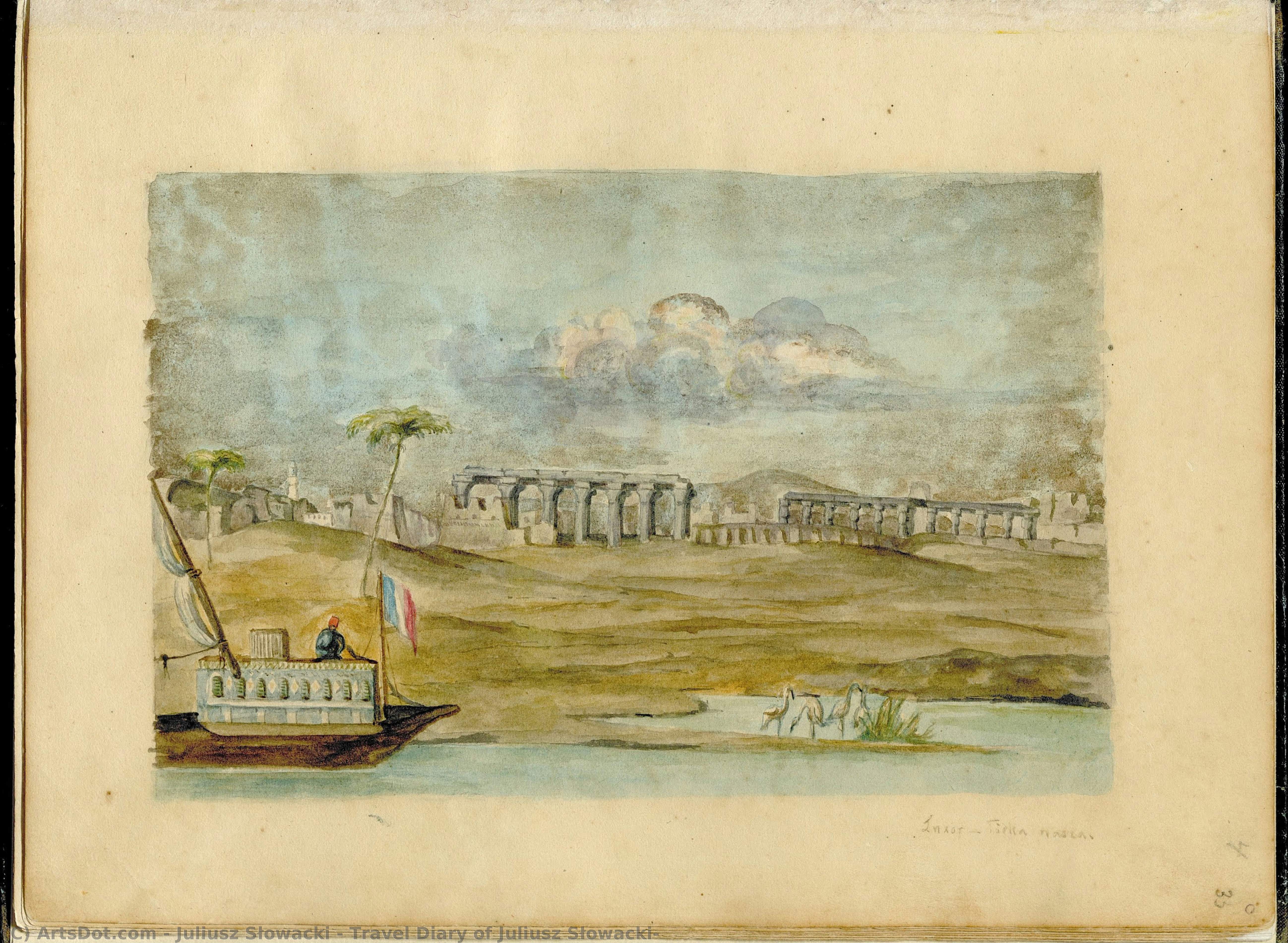
In the delicate strokes of this watercolor from 1848, we find ourselves transported to a moment of profound tranquility, captured by the hand of one of Poland's most luminous literary figures, Juliusz Słowacki. This piece, part of his evocative travel diary, transcends mere documentation; it is a poetic meditation on movement and stillness. The scene depicts a solitary figure navigating a boat across a serene expanse of water, framed by the majestic, soft silhouettes of distant mountains. As the oarsman pulls against the gentle current, the composition invites the viewer to share in the rhythmic peace of a summer day. The presence of figures along the shore and the subtle detail of an umbrella to the left suggest a shared human experience with nature—a quiet afternoon where the boundaries between the traveler and the landscape begin to dissolve.
The technique employed here is quintessential of the Romantic era’s fascination with the ephemeral. Using the fluid, translucent medium of watercolor, SłowAcki captures the play of light upon the water's surface and the hazy atmosphere of a warm afternoon. There is a masterful use of soft edges and bleeding pigments that mimics the way memory itself functions—vivid in certain details, yet dreamlike and blurred at the periphery. The artist’s ability to balance the structural weight of the mountains with the lightness of the water creates a visual harmony that is both grounding and ethereal. For the collector, this work offers more than just aesthetic beauty; it provides a tactile connection to the spontaneous, sketching style that characterized Słowacki's journeys through the Middle East and Europe.
Historical Resonance and Emotional Depth
To understand this artwork is to understand the soul of Polish Romanticism. Juliusz Słowacki, often revered as one of Poland's "three bards," lived a life defined by exile, patriotism, and an unquenchable thirst for the exotic. This watercolor was born from a period of profound personal and political transition. Having fled his homeland following the November Uprising, Słowacki’s travels through Greece, Egypt, and the Holy Land were not merely sightseeing expeditions but spiritual quests. The painting serves as a visual companion to his literary output, embodying the Romantic ideal of the "wanderer"—a figure seeking truth and beauty in the far reaches of the world. The peacefulness of the scene belies the turbulent history of its creator, offering a sanctuary of calm amidst a life of upheaval.
For interior designers and connoisseurs of fine art, this reproduction offers a sophisticated focal point that breathes life into any space. Its palette of soft blues, earthy tones, and luminous highlights makes it an ideal addition to a curated gallery wall or as a standalone statement piece in a study or library. The emotional impact of the work lies in its ability to evoke nostalgia and a sense of longing—a "sehnsucht" that resonates deeply with anyone who has ever been moved by the call of the horizon. Owning a reproduction of this piece is an invitation to bring the spirit of discovery and the timeless elegance of 19th-century Romanticism into the modern home, creating an atmosphere of contemplative grace.
Obras relacionadas
Biografía del artista
Julioz Słowacki: Vida y Legado
Primeros Años y Educación
- Nacido: 4 de septiembre de 1809, en Kremencje (Kremenets), Polonia (ahora Ucrania).
- La vida temprana de Słowacki fue moldeada por la agitación política de Polonia dividida. Creció en lo que se conocían como las “tierras robadas”, fomentando un fuerte sentido de identidad nacional.
- Recibió su educación en Kremencje y Vilna (Wilno), Lituania, donde desarrolló interés por la literatura e historia.
- Su padre, Jan Słowacki, era maestro y escritor que influyó en el desarrollo intelectual de Julioz.
Primeros Creadores y Compromiso Político
- Słowacki trabajó brevemente para el gobierno del Reino de Polonia, pero pronto se involucró en actividades patrióticas.
- Levantamiento de noviembre (1830): Sirvió como mensajero para el gobierno revolucionario polaco durante la revuelta contra el dominio ruso.
- Tras la derrota de la revuelta, Słowacki se exilió, al igual que muchos otros patriotas polacos. Este período impactó profundamente su escritura y visión del mundo.
Vida en Exilio y Desarrollo Artístico
- Słowacki pasó gran parte de su vida en el extranjero, residiendo en París, Ginebra, Italia, Grecia y Oriente Medio.
- Sus viajes lo expusieron a diversas culturas e ideas filosóficas, que enriquecieron su obra literaria.
- Desarrolló un estilo poético único caracterizado por neologismos (palabras recién acuñadas), ironía y una combinación de Romanticismo con el folclore eslavo y el misticismo.
- Influencias clave: Historia polaca, mitología eslava, poetas románticos como Byron y Goethe, y filosofías orientales.
Obras Principales y Temas
- Dramas: Kordian (una obra fundamental que explora la identidad polaca y el desengaño político), Balladyna (un relato oscuro de ambición y traición inspirado en el folclore eslavo).
- Poemas: Beniowski (un poema épico sobre un noble húngaro que luchó por Polonia), Testamento mío (“Mi Testamento,” una obra filosófica y autobiográfica), Anhelli (un drama místico).
- Temas recurrentes: Identidad nacional, libertad, la lucha contra la opresión, mitología eslava, misticismo, el conflicto entre el bien y el mal, y la búsqueda de significado en la vida.
Estilo Artístico e Innovaciones
- El estilo de Słowacki se caracteriza por su intensidad lírica, su toque dramático y su profundidad filosófica.
- Era un maestro del lenguaje poético, empleando imágenes vívidas, simbolismo y dispositivos retóricos innovadores.
- Su uso de neologismos amplió el vocabulario polaco y contribuyó al desarrollo de la literatura polaca moderna.
- Słowacki es considerado el padre del drama moderno polaco, allanando el camino para las futuras generaciones de dramaturgos.
Significado Histórico y Legado
- Uno de los “Tres Bards”: Junto con Adam Mickiewicz y Zygmunt Krasiński, Słowacki es considerado uno de los mayores poetas románticos de Polonia.
- Sus obras jugaron un papel crucial para preservar la identidad nacional polaca durante un período de ocupación extranjera.
- Las obras de Słowacki continúan siendo representadas y estudiadas hoy en día, inspirando a artistas e intelectuales por igual.
- Regresó brevemente a Polonia durante el levantamiento de la Primavera de las Naciones en 1848, pero pronto reanudó su exilio. Murió en París el 3 de abril de 1849.
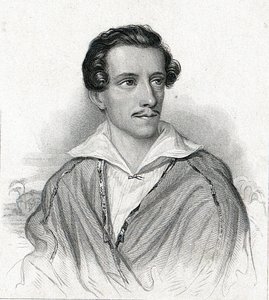
juliusz słowacki
1809 - 1849 , Polonia
Datos clave
- Artistic Movement Or Style: Romanticismo
- Artists Who Influenced This Artist:
- Adam Mickiewicz
- Zygmunt Krasiński
- Date Of Birth: 4 septiembre 1809
- Date Of Death: 3 abril 1849
- Full Name: Juliusz Słowacki
- Nationality: Polaco
- Notable Artworks:
- Kordian
- Balladyna
- Place Of Birth: Kremencje, Polonia
Artículos relacionados

Acuarelas Legendarias: 10 Obras Maestras que Transformaron el Arte | ArtsDot
Descubre 10 acuarelas legendarias de Turner, Monet y Sargent que revolucionaron el arte. Explora la historia, técnica y belleza de estas obras maestras impresionistas y románticas. Reproducciones de museo en ArtsDot.com.

Ephemeral Visions: Exploring the Artistic Legacy & Contemporary Practice of Watercolor Painting
Explore the captivating world of watercolor painting! Discover its rich history, essential techniques, influential artists & collecting tips. A comprehensive guide for art enthusiasts from ArtsDot.

Visiones Efímeras: Historia y Resonancia Emocional de la Pintura Acuarela
Descubre la fascinante historia de la acuarela, desde sus orígenes hasta su expresión contemporánea. Explora técnicas, artistas clave como Paul Klee y encuentra reproducciones de alta calidad en ArtsDot.

Ephemeral Visions: Exploring the Artistic Legacy & Nuances of Watercolor Painting
Explore the captivating world of watercolor painting! Discover its rich history, essential techniques, influential artists & collecting tips from art experts. A comprehensive guide for enthusiasts.

Katsushika Hokusai: Las 25 Obras Maestras del Ukiyo-e que Transformaron el Arte Japonés | ArtsDot
Descubre las 25 obras maestras de Katsushika Hokusai, el genio del ukiyo-e. Explora 'La Gran Ola', paisajes japoneses y su impacto en el arte moderno. Reproducciones de alta calidad para tu hogar en ArtsDot.com.

