 Vista previa
 Compartir
 Compartir
 Ver detalles

 Descargar
 Ver similares
 Radiografía
 Presentación de diapositivas
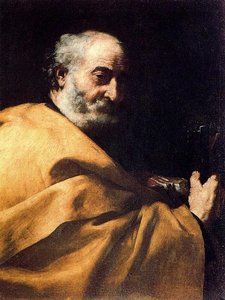
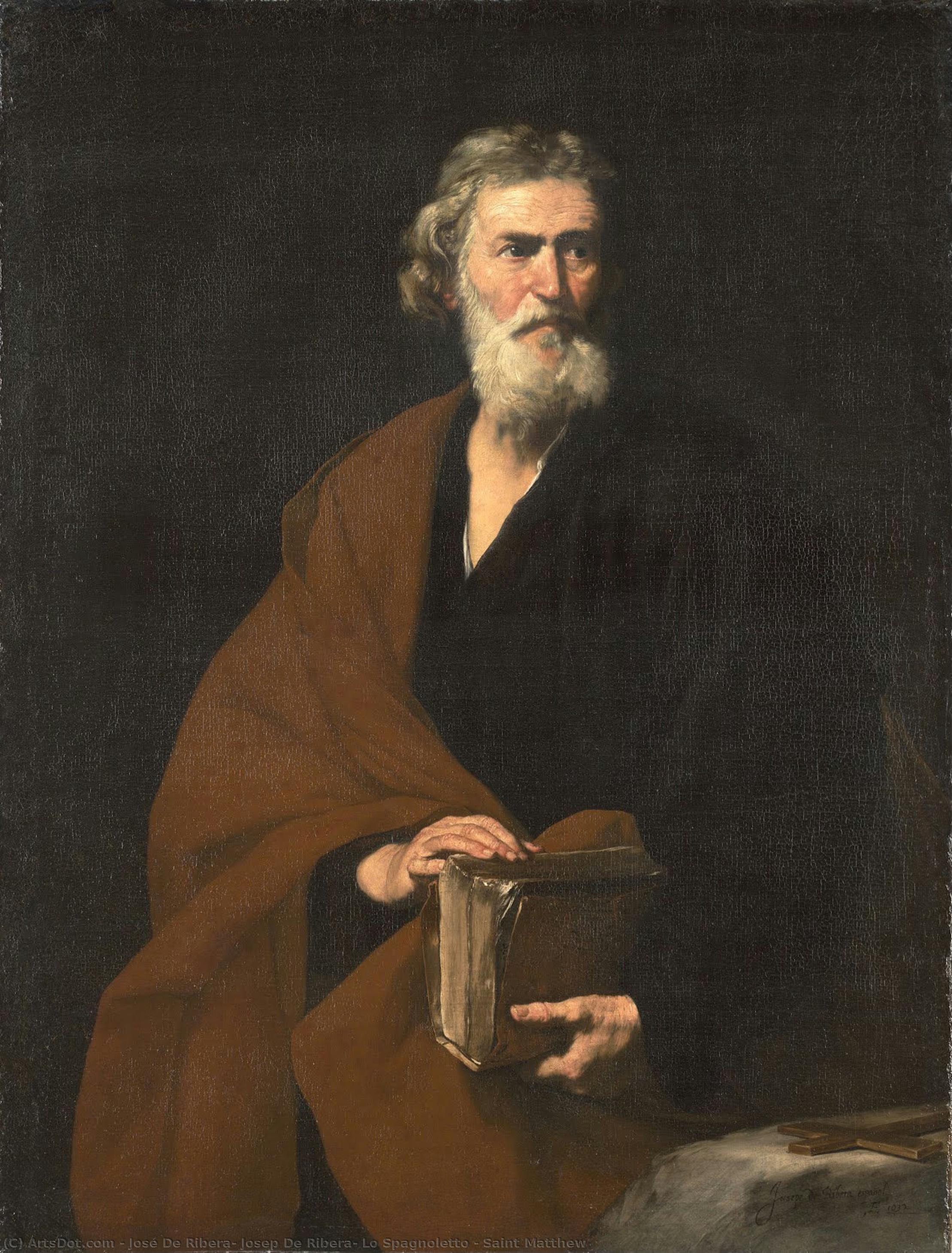
Saint Matthew
 Oil On Canvas
- WallArt
- Baroque
 1632
1632- Early Modern
 128.0 x 97.0 cm
 Museo de Arte Kimbell
 Leer más
Reproducción al óleo hecha a mano
Óleo sobre lienzo pintado a mano en el tamaño y marco de su elección, realizado por encargo por nuestros artistas. ( Pedir impresión Comprar descarga)




P118B $10

P118H $10

P118W $10

P438Z $10

P508JH $12

P508YH $12

P805H $10

P805Z $10

P919BZ $10

P919G $10

P919XJ $10

P959ZH $10

P968JZ $12

W106C $8

W218G $10

W218JH $8

W218Y $10

W307PJ $10

W316G $10

W316PJ $8

W316Y $10

W398PJ $8

W4111J $10

W500HY $15

W500JH $15

W692G $12

W849H $8

W940BG $15

W953PJ $8




Elija entre nuestros tamaños predefinidos que respetan las proporciones originales de la obra.

Puede ingresar sus propias dimensiones para adaptarse a un marco o espacio específico. Si el tamaño seleccionado no coincide con las proporciones de la imagen original, recortaremos la obra o extenderemos la pintura con elementos adicionales pintados a mano. Se le enviará una maqueta digital para su aprobación antes de comenzar la producción.
Tenga en cuenta que la vista previa en pantalla no refleja el recorte o la extensión reales. Solo la maqueta mostrará con precisión la composición final.
Si bien existen tamaños personalizados, recomendamos seleccionar una dimensión de la lista predefinida para preservar las proporciones originales.
Tras realizar el pedido, el equipo de ArtsDot.com enviará un correo electrónico al cliente para solicitar instrucciones y proporcionarle una vista previa del boceto.
Envío a todo el mundo () en 3-4 semanas en lugar de las 5 semanas estándar. (19 agosto). Sin comprometer la calidad.

Envío exprés gratuito a todo el mundo

Lienzo de lino de alta calidad

Seguro de envío completo

Garantía de reembolso de aranceles aduaneros

Garantía de fidelidad cromática exacta

Política de devolución de 60 días (solo por defectos)

Garantía de devolución del 100% del dinero

Oferta por volumen
 La opción de vidrio solo está disponible en tamaños inferiores a 110 cm.

Saint Matthew
Técnica de reproducción
Tamaño de la reproducción
-


Precio total
$ 263
Descripción de la obra
A Divine Encounter in Shadow and Light
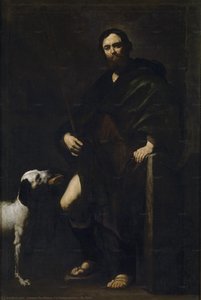
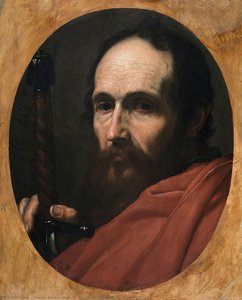
In the profound stillness of Jusepe de Ribera’s 1632 masterpiece, Saint Matthew, the viewer is not merely an observer but a witness to a transformative moment of spiritual awakening. This monumental canvas serves as a quintessential emblem of the Baroque era, capturing the precise second where the earthly realm intersects with the divine. The painting depicts the apostle in a state of sudden, jarring realization, his gaze caught between the mundane world of tax collection and the celestial summons of Christ. Through a masterful command of chiaroscary, Ribera plungates the scene into an enveloping darkness, allowing only a singular, dramatic shaft of light to pierce the gloom. This luminous intervention does more than illuminate the subject; it acts as a physical manifestation of grace, striking Matthew’s face and outstretched hand with a force that feels almost palpable.
The emotional weight of the piece is anchored by Ribera's unparalleled ability to render human vulnerability. As one contemplates this work, the psychological tension is unmistakable. There is a raw, breathless quality to the composition, where the heavy shadows seem to press against the subject, heightening the sense of isolation and subsequent revelation. For the collector or the lover of fine art, this painting offers more than just a religious narrative; it provides an exploration of the human condition—the struggle between our physical existence and our spiritual aspirations.
The Mastery of Texture and Anatomical Truth
What distinguishes Ribera’s execution from his contemporaries is his unflinching commitment to dramatic realism. Influenced by the revolutionary techniques of Caravaggio, Ribera employs a tenebrist style that prioritizes stark contrasts to sculpt form out of nothingness. Upon closer inspection, the painting reveals an extraordinary attention to anatomical precision. Every wrinkle etched into the saint's brow, every vein tracing a path across his weathered skin, and the rugged texture of his heavy robes are rendered with meticulous care. This is not a sanitized, idealized divinity, but a gritty, tactile reality that invites the viewer to touch the very fabric of the scene.
Ribera utilizes impasto—the thick, sculptural application of paint—to breathe life into the surfaces of the work. This technique creates a physical depth that mimics the roughness of aged skin and the coarse weave of cloth, adding a sensory dimension to the visual experience. For interior designers seeking to introduce a sense of history and gravitas to a space, the textural richness of this piece provides a sophisticated focal point. The interplay of light and heavy pigment ensures that the artwork retains its commanding presence, regardless of the lighting conditions in which it is displayed.
A Legacy of Spanish Baroque Grandeur
To understand the soul of Saint Matthew, one must look to the vibrant, turbulent atmosphere of 17th-century Naples. During this period, under Spanish rule, Naples was a crucible of artistic innovation where Ribera, known affectionately as Lo Spagnoletto, flourished. His work emerged from a culture of intense religious fervor and social complexity, blending his Valencian roots with the dramatic traditions of Italy. This historical context imbues the painting with a sense of urgency; it is a product of an age that sought to make the miraculous feel immediate and undeniably real.
Integrating a high-quality reproduction of this masterpiece into a curated collection allows for the preservation of this historical grandeur within a modern setting. Whether placed in a quiet study, a formal gallery, or a grand living space, the painting acts as an anchor of contemplative beauty. It serves as a constant reminder of the power of light to overcome darkness, making it an enduring choice for those who appreciate art that speaks to both the intellect and the spirit.
Obras relacionadas
Biografía del artista
Jusepe de Ribera (Lo Spagnoletto): Una Vida en el Drama Barroco
- Nacido: Xativa, España (1591)
- Fallecido: 1652
Jusepe de Ribera, también conocido como Lo Spagnoletto ("El Españolecito"), fue una figura clave en la pintura barroca española. Nacido en Valencia, España, en 1591, se hizo famoso por sus representaciones dramáticas e intensamente realistas de temas religiosos, martirios, retratos, bodegones y paisajes. Su carrera abarcó tanto España como Italia, siendo Nápoles su principal base artística durante gran parte de su vida.
Vida Temprana, Formación e Influencia Italiana
Los detalles tempranos de la vida de Ribera siguen siendo algo oscuros. Se cree que inicialmente se formó en Valencia antes de trasladarse a Italia alrededor de 1607. Su tiempo en Roma lo expuso a las obras de Caravaggio y Guido Reni, influyendo profundamente en su desarrollo artístico. Ribera absorbió el uso dramático de la luz y la sombra pionero por Caravaggio (tenebrismo) mientras incorporaba elementos de composición clásica de artistas como Reni. Esta síntesis resultó en un estilo único caracterizado por una intensa emotividad, un realismo austero y poderosas narrativas.
Obras Clave y Estilo Artístico
El legado artístico de Ribera se basa en una serie de obras convincentes que ejemplifican la estética barroca. Algunas de sus pinturas más celebradas incluyen:
- Martirio de San Bartolomé: Una representación brutal que muestra la maestría de Ribera en el tenebrismo y el realismo implacable.
- San Jerónimo y el Ángel: Demuestra un lado más suave y contemplativo, manteniendo su característico iluminación dramática.
- Martirio de San Andrés: Otro ejemplo poderoso de sus temas religiosos y la intensa representación emocional.
- Mujer Barbuda: Una obra notable que destaca su capacidad para capturar la forma humana con una precisión y emoción notables.
Su estilo es inmediatamente reconocible a través de:
- Tenebrismo: El uso dramático de fuertes contrastes entre luz y oscuridad, creando una sensación de drama e intensidad emocional acentuados.
- Realismo: El compromiso de Ribera con la representación de figuras con una precisión implacable, a menudo retratando imperfecciones y signos de edad o sufrimiento.
- Intensidad Emocional: Sus obras evocan emociones poderosas a través de las expresiones y los gestos de sus sujetos.
Desarrollo y Legado
La carrera de Ribera se puede dividir ampliamente en dos fases. Su trabajo anterior, fuertemente influenciado por Caravaggio, se caracteriza por un realismo más austero y un uso más dramático del tenebrismo. Más adelante en su carrera, particularmente después de establecerse permanentemente en Nápoles, su estilo evolucionó para incorporar colores más ricos, una iluminación más suave y composiciones más complejas. Si bien mantuvo los elementos centrales de su estética barroca, sus obras posteriores demuestran un mayor grado de refinamiento.
La influencia de Ribera se extendió más allá de España, impactando a artistas en toda Europa. Su innovador uso del tenebrismo y su realismo implacable establecieron un nuevo estándar para la pintura religiosa. Artistas como José de Ribera (un artista posterior influenciado por Jusepe) exploraron aún más estas técnicas. Hoy en día, las obras de Ribera se encuentran en prestigiosos museos de todo el mundo, incluido el Museo del Prado en España, la Galería Nacional de Arte en Washington D.C., y numerosas instituciones en Europa.
Significado Histórico
Jusepe de Ribera es una figura central en el arte barroco español, junto con Francisco de Zurbarán, Bartolomé Esteban Murillo y Diego Velázquez. Sus contribuciones al desarrollo del tenebrismo son innegables, y sus poderosas representaciones de temas religiosos continúan resonando con el público hoy en día. La colección de ArtsDot ofrece una visión general completa de su producción artística, permitiendo a los espectadores apreciar la totalidad de su talento y su legado perdurable.
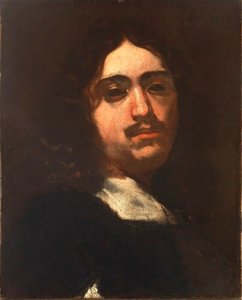
Jusepe de Ribera
1591 - 1652 , España
Datos clave
- Artistas Influenciados: ['José de Ribera']
- Artistas Que Influyeron:
- Caravaggio
- Guido Reni
- Fecha De Fallecimiento: 3 noviembre 1652
- Fecha De Nacimiento: 17 febrero 1591
- Lugar De Nacimiento: Xativa, España
- Movimiento Artístico: Barroco español
- Nacionalidad: Española
- Nombre Completo: Jusepe de Ribera
- Obras Notables:
- Martirio de San Bartolomé
- San Jerónimo y el ángel
- Martirio de San Andrés
- Mujer barbuda
Artículos relacionados

Barroco Sublime: 10 Obras Maestras que Definieron una Época |
Descubre las 10 obras maestras del Barroco que marcaron una época. Caravaggio, Bernini y Velázquez cobran vida en . Reproducciones de arte de calidad museo para decorar tu hogar con elegancia. ¡Explora la colección online!

The Dramatic Flourish: Exploring the Baroque Movement's Enduring Legacy in Art History
Explore the dramatic world of Baroque art! Discover iconic artists like Caravaggio & Rubens, defining techniques, and its lasting impact on art history. Expert insights for collectors & enthusiasts at ArtsDot.
Caravaggio's Revolutionary Realism: A Study of Light, Shadow, and the Human Condition
Explore the revolutionary realism of Caravaggio! Discover his mastery of light & shadow (tenebrism), dramatic religious scenes, and lasting influence on Baroque art history. A comprehensive guide for art enthusiasts.
Discover the Divine: Inspiring Saint Anthony Artworks to Elevate Your Home Decor
Transform your home with the profound beauty of Saint Anthony artworks. Explore exquisite Baroque reproductions by Murillo and Zurbarán, hand-painted on 100% cotton canvas to bring divine serenity and timeless elegance to your interior design.

The Visceral Stage: Exploring Dramatic Narratives & Emotional Intensity in Baroque Art
Explore the dramatic world of Baroque art! Discover iconic masters like Caravaggio & Rembrandt, their techniques, and the movement's lasting impact. Expert insights for collectors & enthusiasts at ArtsDot.