

 Ver en contexto
 Enviar
 Compartir
 Detalles

 Descargar
 Similares
 Radiografía
 Presentación de diapositivas
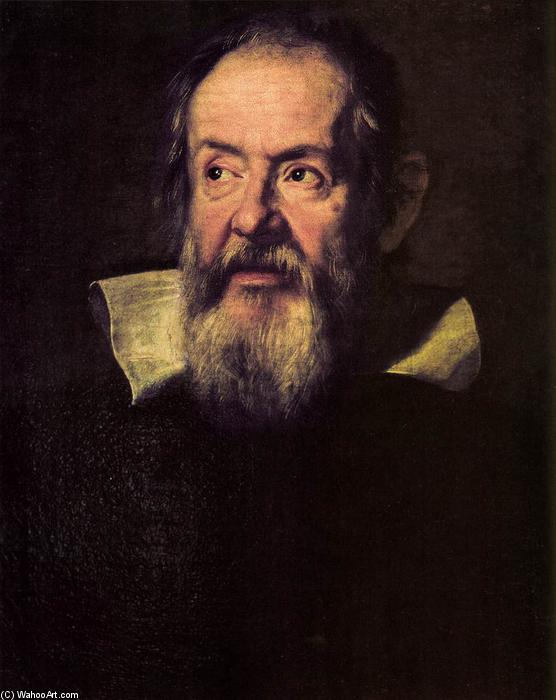
Portrait of Galileo Galilei
 Acrylic On Canvas
- WallArt
- Baroque
 1636
1636 66.0 x 56.0 cm
 Galería de los Uffizi
 Ver más
Giclée / Impresión de arte
Impresiones giclée o en lienzo de calidad de museo con producción rápida y opciones de acabado flexibles. ( Comprar pintura hecha a mano Comprar imagen)




P118B $10

P118H $10

P118W $10

P438Z $10

P508JH $12

P508YH $12

P805H $10

P805Z $10

P919BZ $10

P919G $10

P919XJ $10

P959ZH $10

P968JZ $12

W106C $8

W218G $10

W218JH $8

W218Y $10

W307PJ $10

W316G $10

W316PJ $8

W316Y $10

W398PJ $8

W4111J $10

W500HY $15

W500JH $15

W692G $12

W849H $8

W940BG $15

W953PJ $8




Elija entre nuestros tamaños predefinidos que respetan las proporciones originales de la obra.

Puede introducir sus propias dimensiones para adaptarse a un marco o espacio específico. Si el tamaño seleccionado no coincide con las proporciones de la imagen original, recortaremos la obra de arte o extenderemos la imagen con un borde con efecto espejo o de color sólido. Se enviará una maqueta digital para su aprobación antes de que comience la producción.
Tenga en cuenta que la vista previa en pantalla no refleja el recorte o la extensión real. Solo la maqueta mostrará con precisión la composición final.
Aunque existen tamaños personalizados, recomendamos seleccionar una dimensión de la lista predefinida para preservar las proporciones originales.
Envío a todo el mundo () en 2 semanas en lugar de las 4/5 semanas estándar. (29 agosto)

Envío exprés gratuito a todo el mundo

Lienzo de lino de alta calidad

Seguro de envío total

Garantía de reembolso de impuestos aduaneros

Garantía de fidelidad cromática exacta

Política de devolución de 60 días (solo por defectos)

Garantía de devolución del 100% del dinero

Descuento por cantidad
 La opción de vidrio solo está disponible en tamaños inferiores a 110 cm.

Portrait of Galileo Galilei
Giclée / Impresión de arte
Dimensiones de la reproducción
-


Precio total final
$ 62
Portrait of Galileo Galilei: A Window into Renaissance Genius
Justus Sustermans’s “Portrait of Galileo Galilei,” painted in 1636, is more than just a likeness; it's a carefully constructed tableau that encapsulates the intellectual and spiritual climate of the late Renaissance. This arresting image, now housed within the Uffizi Gallery in Florence, offers a profound glimpse into the mind of one of history’s most revolutionary figures – Galileo Galilei himself. The painting isn’t merely a representation of a man; it's an embodiment of his scientific spirit, his unwavering pursuit of knowledge, and the complex circumstances surrounding his life during a period of intense religious and political upheaval.
Sustermans, a master portraitist deeply influenced by the Baroque style prevalent in Antwerp and Florence, skillfully employs dramatic chiaroscuro – the masterful interplay of light and shadow – to draw the viewer’s eye directly to Galileo's face. The dark background serves not as mere backdrop but as a deliberate stage for highlighting the subject’s features: his piercing gaze, the meticulously rendered details of his beard and mustache, and the subtle wrinkles that speak volumes about a life dedicated to observation and contemplation. The artist’s attention to texture is remarkable; one can almost feel the rough wool of his robes, the sheen of his collar, and the delicate transparency of his skin.
A Man of Science in Turbulent Times
Galileo Galilei lived during a pivotal moment in European history – a time when established scientific thought was increasingly challenged by religious dogma. The painting itself reflects this tension. Galileo’s posture is dignified yet subtly defiant, suggesting a man aware of the risks he faced for his unorthodox views on astronomy and physics. The fact that he's depicted standing, rather than seated as in some other portraits commissioned during the same period, hints at a sense of urgency and forward momentum – a reflection of Galileo’s relentless drive to explore the universe.
The commission itself is fascinating. It was undertaken by Elia Diodati, a Genevan jurist and ardent supporter of Galileo who risked his own safety to disseminate the astronomer's revolutionary ideas throughout Europe. This personal connection imbues the portrait with an added layer of significance; it’s not simply a royal or aristocratic commission but a testament to a friendship forged amidst intellectual peril.
Baroque Techniques and Artistic Influences
Sustermans’s technique is deeply rooted in the Baroque tradition, drawing inspiration from masters like Peter Paul Rubens and Anthony van Dyck. The rich color palette – dominated by deep browns, reds, and golds – creates a sense of opulence and drama. The use of sfumato, a subtle blurring of lines and edges, softens Galileo’s features and contributes to the overall atmosphere of contemplative intensity. Notably, Sustermans' style is characterized by bold color palettes and dramatic chiaroscuro—the interplay between light and shadow.
Furthermore, the portrait demonstrates a keen understanding of anatomy and perspective, hallmarks of Renaissance art. The careful rendering of Galileo’s hands – resting lightly on his robes – adds to the sense of realism and immediacy. The composition itself is carefully balanced, with the figure occupying a central position within the frame, drawing the viewer's attention directly to his face.
Symbolism and Enduring Legacy
Beyond its technical brilliance, “Portrait of Galileo Galilei” carries symbolic weight. The astronomer’s gaze, directed slightly upward and outward, suggests a man looking beyond the confines of earthly concerns – contemplating the vastness of the cosmos and the mysteries it holds. The inclusion of his beard and mustache—signs of age and wisdom—underscores his status as a venerable figure of learning. This portrait serves as a powerful reminder of Galileo’s enduring legacy as a pioneer of scientific thought, whose groundbreaking discoveries continue to shape our understanding of the universe today.
Reproductions of this iconic artwork offer an exceptional opportunity to bring a piece of Renaissance history into your home or office. The dramatic lighting and intense gaze of Galileo will undoubtedly serve as a constant source of inspiration – a visual embodiment of intellectual curiosity, scientific rigor, and the pursuit of knowledge.
Obras relacionadas


Biografía del artista
Early Life and Training
Justus Sustermans, Joost Suttermans or Suttermans (born Antwerp, Belgium 1597 – died 1681 Florence) fue un pintor flamenco establecido en Italia durante el Barroco, especializado en el retrato cortesano. El arte de Sustermans es una buena muestra de la simbiosis flamenca y italiana, que fue preludi de l’art retratista del s. XVIII. Formado originalmente en Amberes en la escuela de Willem de Vos (1609), sobrino del más célebre Marten de Vos. Tras una estancia en París (1616) en el estudio de Frans Pourbus el Joven, pronto marchó hacia Florencia donde estudió bajo la tutela de Diego Velázquez y otros artistas destacados de la época. Esta formación temprana le proporcionó habilidades fundamentales y lo expuso a innovaciones estilísticas que moldearon su obra característica. Desde niño mostró un profundo interés por el dibujo y la pintura, influenciado por las obras maestras de Rubens y Van Dyck en Amberes, artistas que ejemplificaban la grandeza y dinamismo del estilo barroco. Esta primera etapa fue esencial para desarrollar una sensibilidad artística excepcional y adquirir los conocimientos técnicos necesarios para alcanzar la excelencia pictórica.Style and Technique
La estética artística de Sustermans se caracteriza por un audaz abrazo de paletas cromáticas y técnicas de claroscuro—el juego entre luz y sombra—técnicas que eran señuelo del Barroco. Diferente de algunos contemporáneos que favorecían el detalle meticuloso, Sustermans priorizó capturar la esencia de sus sujetos mediante pinceles expresivos y un dominio magistral de la graduación tonal. Sus lienzos palpitaban con vitalidad, transmitiendo no sólo semejanza sino también profundidad psicológica y resonancia emocional. Dominó las técnicas de glacis para lograr superficies luminosas y crear una sensación de perspectiva atmosférica, reflejando las convenciones artísticas prevalecientes en Amberes y Florencia durante su vida. La observación precisa de la anatomía combinada con una comprensión intuitiva de la emoción humana distinguieron el trabajo de Sustermans de muchos otros de su tiempo. Su estilo barroco se manifestó en obras que buscaban transmitir sentimientos complejos y emociones poderosas, utilizando colores brillantes y contrastes marcados para crear efectos dramáticos. Además, Sustermans empleó métodos innovadores como el uso del glacis para lograr superficies luminosas y profundidad atmosférica, técnicas que eran comunes entre los artistas de la época.Notable Works
Justus Sustermans alcanzó reconocimiento internacional principalmente a través de sus retratos de miembros de la familia Medici, asegurando una posición prestigiosa como pintor de cámara de ellos. Sus obras más destacadas incluyen *Domenica delle Cascine*, la Cecca di Pratolino y Pietro Moro, pinturas que representan escenas históricas con gran detalle y precisión artística. Estos cuadros muestran una habilidad excepcional para capturar el espíritu de los personajes retratados y transmitir una sensación de dignidad y grandeza. También realizó otros trabajos importantes como *El Senado florentino jurando lealtad a Fernando II de Medici*, una obra monumental que refleja la importancia política y cultural del período barroco en Florencia. Además, sus pinturas de Galileo Galilei son consideradas entre las más psicológicas y conmovedoras representaciones de la genialidad científica de su tiempo, demostrando una comprensión profunda de la complejidad humana y el pensamiento científico. Estos trabajos fueron reconocidos por expertos y críticos contemporáneos como ejemplos supremos del arte barroco italiano.Influence and Legacy
Justus Sustermans ejerció influencia significativa en generaciones posteriores de artistas, especialmente Anthony van Dyck, quien admiró el estilo audaz y la técnica expresiva de Sustermans. Su atención al detalle meticuloso y su dominio del claroscuro sirvieron de inspiración para muchos pintores trabajando en el siglo XVII holandés. El legado artístico de Sustermans trasciende las obras individuales; estableció un taller que produjo numerosas copias de pinturas celebradas, una práctica común durante el Barroco, contribuyendo a la difusión de ideas artísticas por toda Europa. Sus retratos de la familia Medici siguen cautivando al público moderno, ofreciendo información valiosa sobre el paisaje cultural y político del siglo XVII italiano. Sustermans ocupa un lugar destacado en la historia del arte como uno de los artistas más venerados de su época, consolidando su nombre entre los grandes maestros del Barroco europeo.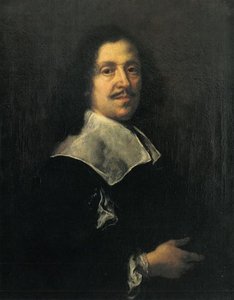
Giusto Sustermans
1597 - 1681 , Bélgica
Datos clave
- Artistic Movement Or Style: Barroco
- Artists Who Influenced This Artist:
- Peter Paul Rubens
- Anthony van Dyck
- Date Of Birth: Septiembre 28, 1597
- Full Name: Justus Sustermans
- Nationality: Flamenco
- Notable Artworks:
- Domenica delle Cascine, la Cecca di Pratolino
- Retrato de Galileo Galilei
- Place Of Birth: Amberes, Bélgica
Artículos relacionados
The Grandeur of Baroque Portraiture: Power, Emotion & Artistic Innovation
Explore the grandeur of Baroque portraiture! Discover Rubens, Van Dyck & the masters of 17th-century art. Uncover symbolism, techniques & lasting influence. Expert insights for collectors and enthusiasts.

Barroco Sublime: 10 Obras Maestras que Definieron una Época |
Descubre las 10 obras maestras del Barroco que marcaron una época. Caravaggio, Bernini y Velázquez cobran vida en . Reproducciones de arte de calidad museo para decorar tu hogar con elegancia. ¡Explora la colección online!

The Dramatic Flourish: Exploring the Baroque Movement's Enduring Legacy in Art History
Explore the dramatic world of Baroque art! Discover iconic artists like Caravaggio & Rubens, defining techniques, and its lasting impact on art history. Expert insights for collectors & enthusiasts at ArtsDot.

Drama Barroca: Llevando la Grandeza y la Emoción a los Interiores Contemporáneos
Descubre cómo el drama y la grandeza del arte barroco pueden transformar tus interiores. Guía experta, inspiración y reproducciones de alta calidad en .

The Visceral Stage: Exploring Dramatic Narratives & Emotional Intensity in Baroque Art
Explore the dramatic world of Baroque art! Discover iconic masters like Caravaggio & Rembrandt, their techniques, and the movement's lasting impact. Expert insights for collectors & enthusiasts at ArtsDot.

