

 Ver en contexto
 Enviar
 Compartir
 Detalles

 Descargar
 Similares
 Radiografía
 Presentación de diapositivas
 Stats
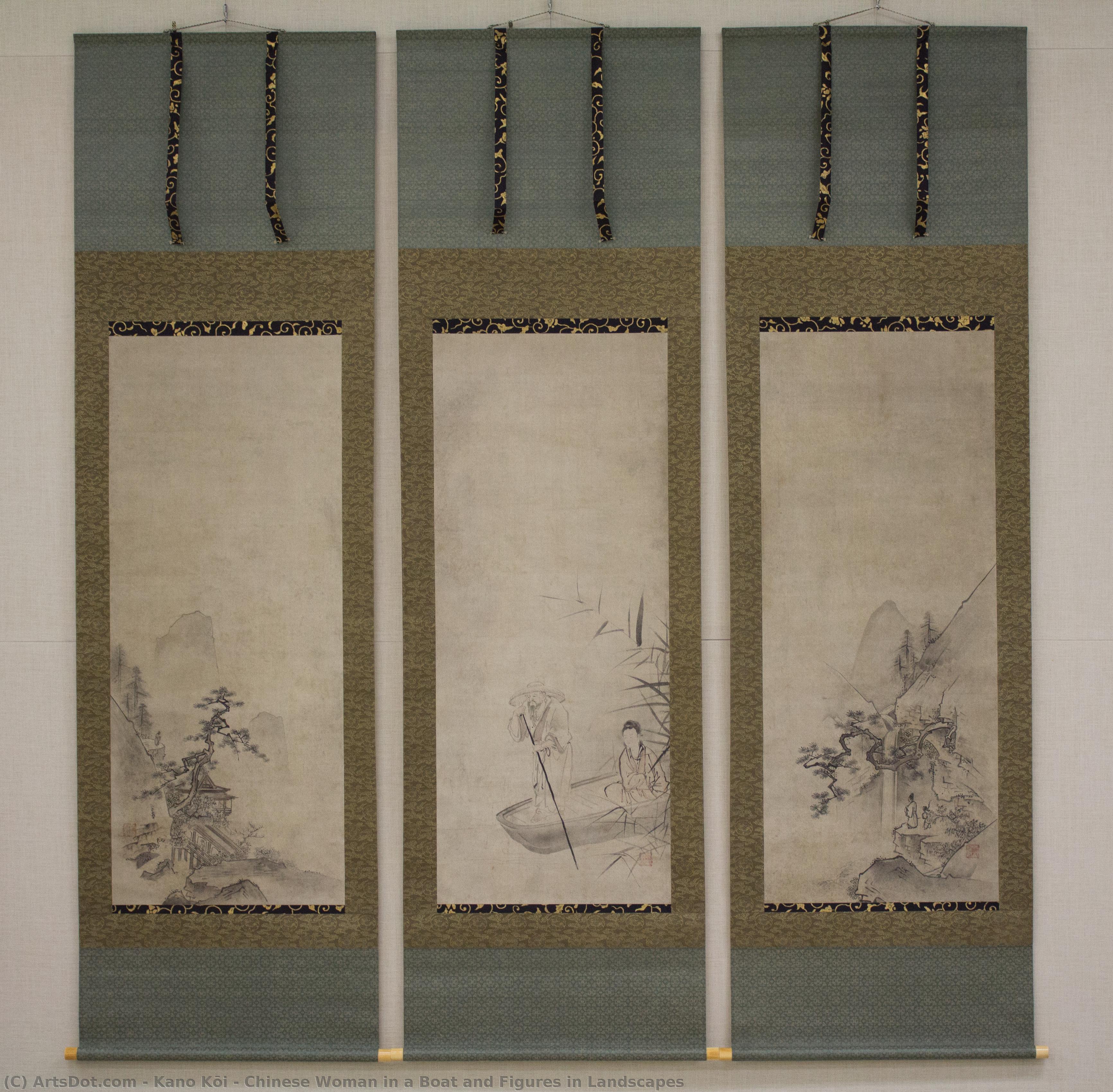
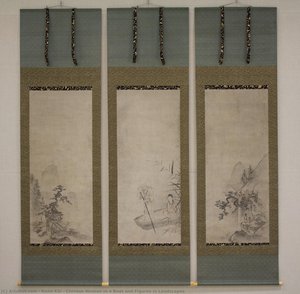
StatsChinese Woman in a Boat and Figures in Landscapes


 Ver más
Reproducción al óleo hecha a mano
Óleo sobre lienzo pintado a mano en el tamaño y marco de su elección, realizado por encargo por nuestros artistas. ( Switch to Print Switch to Digital Image)




































Elija entre nuestros tamaños predefinidos que respetan las proporciones originales de la obra.

Puede ingresar sus propias dimensiones para adaptarse a un marco o espacio específico. Si el tamaño seleccionado no coincide con las proporciones de la imagen original, recortaremos la obra o extenderemos la pintura con elementos adicionales pintados a mano. Se le enviará una maqueta digital para su aprobación antes de comenzar la producción.
Tenga en cuenta que la vista previa en pantalla no refleja el recorte o la extensión reales. Solo la maqueta mostrará con precisión la composición final.
Si bien existen tamaños personalizados, recomendamos seleccionar una dimensión de la lista predefinida para preservar las proporciones originales.
Tras realizar el pedido, el equipo de ArtsDot.com enviará un correo electrónico al cliente para solicitar instrucciones y proporcionarle una vista previa del boceto.
Envío a todo el mundo () en 3-4 semanas en lugar de las 5 semanas estándar. (7 septiembre). Sin comprometer la calidad.

Envío exprés gratuito a todo el mundo

Lienzo de lino de alta calidad

Seguro de envío total

Garantía de reembolso de impuestos aduaneros

Garantía de fidelidad cromática exacta

Política de devolución de 100 días (solo por defectos)

Garantía de devolución del 100% del dinero

Descuento por cantidad
 La opción de vidrio solo está disponible en tamaños inferiores a 110 cm.

Chinese Woman in a Boat and Figures in Landscapes
Técnica de reproducción
Dimensiones de la reproducción
-


Precio total final
$ 288
Introduction to Ukiyo-e Art Movement
Ukiyo-e, a genre of Japanese art that flourished from the 17th through 19th centuries, is renowned for its woodblock prints and paintings depicting various subjects such as female beauties, kabuki actors, sumo wrestlers, historical scenes, folk tales, travel landscapes, flora, fauna, and erotica. The term Ukiyo-e (浮世絵) translates to 'picture[s] of the floating world', reflecting the hedonistic lifestyle of Edo's chōnin class (merchants, craftsmen, and workers).Artist: Kano Kōi
Kano Kōi was a prominent Japanese painter who lived from 1801 to 1865. He belonged to the prestigious Kano school, which dominated Japanese painting for over four centuries. The Kano school was known for its refined and elegant style, often depicting traditional subjects in a decorative manner.Painting: Chinese Woman in a Boat and Figures in Landscapes
'Chinese Woman in a Boat and Figures in Landscapes' is an exquisite painting by Kano Kōi, showcasing his mastery of the Ukiyo-e style. The artwork features a Chinese woman gracefully rowing a boat amidst a serene landscape. The artist's use of vibrant colors and fluid brushwork creates a captivating scene that invites the viewer to explore the beauty of nature and the elegance of human figures.Historical Context
In 1603, Edo (present-day Tokyo) became the seat of the ruling Tokugawa shogunate, leading to rapid economic growth and the emergence of a new social class: the chōnin. The chōnin indulged in entertainment such as kabuki theatre, geisha, and courtesans, creating demand for ukiyo-e artworks that depicted their hedonistic lifestyle.Artistic Style and Techniques
Ukiyo-e artists used woodblock prints and paintings to create intricate compositions with a wide range of subjects. The printing process involved multiple woodblocks, each dedicated to a specific color or detail, resulting in richly layered images. Artists rarely carved their own woodblocks; instead, production was divided among the artist, carver, printer, and publisher.Conclusion
'Chinese Woman in a Boat and Figures in Landscapes' by Kano Kōi is an exceptional example of Ukiyo-e artistry. The painting showcases the artist's skillful use of color, composition, and subject matter to create a captivating work that embodies the essence of the floating world. To learn more about ukiyo-e or explore other masterpieces, visit ArtsDot.com.- Reference: The Ukiyo-e Art Movement
- Related Painting: Chinese Woman in a Boat and Figures in Landscapes
- Artist: Kano Kōi
Obras relacionadas

Biografía del artista
A Legacy of Ink and Serenity: The Life of Kanō Kōi
In the delicate dance of brush against paper, few artists captured the profound stillness of the Edo period as masterfully as Kanō Kōi. Born around 1598 in Wenzhou, China, Kōi’s very origins suggest a bridge between worlds, bringing an Eastern sensibility that would eventually become a cornerstone of Japanese art history. As a prominent practitioner of the prestigious Kanō school, his life and work were defined by a pursuit of tranquility, where every stroke of ink served to harmonize the physical landscape with the spiritual realm. Though his early years are shrouded in the mists of time, his lineage is unmistakable; as the son of the renowned painter Kanō Hansui, Kōi was immersed from birth in a tradition dedicated to the elevation of Buddhist aesthetics and the meticulous application of mineral pigments.
The training Kōi underwent was far more than mere technical instruction; it was an initiation into a philosophical way of seeing. Under his father’s guidance, he mastered the rigorous demands of the Kanō lineage, learning to balance the bold, structural strength of Chinese landscape conventions with the subtle, understated elegance prized in Japanese culture. This synthesis allowed him to create works that were not merely representations of nature, but meditative windows into a deeper reality. His development was deeply influenced by the masters of the Tang Dynasty, particularly Wang Wei, whose poetic approach to landscape inspired Kō i to utilize interlocking vistas and atmospheric depth to evoke a sense of infinite space and quiet contemplation.
Mastery of Style and the Floating World
Kōi’s artistic repertoire is characterized by an exquisite command over both ink and color. While his roots lay in the classical traditions of the Kanō school, his work often touched upon the burgeoning sensibilities of the Ukiyo-e movement—the "pictures of the floating world." This era, marked by the rise of the chōnin merchant class in Edo, demanded art that could capture both the grandeur of nature and the fleeting beauty of human life. In masterpieces such as "Chinese Woman in a Boat and Figures in Landscapes," Kōi demonstrates a breathtaking ability to blend these worlds. Through fluid brushwork and a vibrant yet harmonious palette, he depicts scenes where human figures move gracefully through serene environments, suggesting a seamless connection between the individual and the cosmos.
The technical brilliance of his work can be observed in several key areas:
- Compositional Harmony: The use of complex, layered landscapes that guide the viewer's eye through winding rivers and distant mountains.
- Pigment Application: A sophisticated use of mineral pigments that provides a luminous quality to his subjects, contrasting beautifully with deep, soulful ink washes.
- Symbolic Depth: The integration of natural elements—such as water, mist, and flora—to represent the ephemeral nature of existence and the permanence of the spirit.
Historical Significance and Enduring Influence
The passing of Kanō Kōi around 1636 marked the end of a significant chapter in the evolution of Japanese painting, yet his influence remained etched into the fabric of the Kanō school for generations. He stood at a pivotal historical juncture, helping to navigate the transition from the heavy influences of imported Chinese styles to a uniquely Japanese aesthetic that would define the Edo period. By successfully bridging the gap between the monumental and the intimate, Kōi provided a blueprint for future artists to explore the intersection of tradition and innovation.
Today, the works of Kanō Kōi are revered not just as historical artifacts, but as living embodiments of tranquility. His ability to capture the "breath" of a landscape—the subtle movement of wind through trees or the quiet ripple of a boat on a lake—continues to resonate with modern viewers. He remains a master of the ephemeral, reminding us that within the meticulous detail of a single brushstroke lies the capacity to touch the infinite.
kanō kōi
1636 , China
Datos clave
- Artistic Movement Or Style: Kanō school painter
- Artists Or Movements Influenced By This Artist: ['Japanese ink painting']
- Artists Who Influenced This Artist: ['Unknown Artist']
- Date Of Death: 1636
- Full Name: kanō kōi
- Nationality: Japanese
- Notable Artworks: ['Chinese Woman in a Boat and Figures in Landscapes']
- Place Of Birth: Wenzhou, China
Artículos relacionados

Katsushika Hokusai: Las 25 Obras Maestras del Ukiyo-e que Transformaron el Arte Japonés | ArtsDot
Descubre las 25 obras maestras de Katsushika Hokusai, el genio del ukiyo-e. Explora 'La Gran Ola', paisajes japoneses y su impacto en el arte moderno. Reproducciones de alta calidad para tu hogar en ArtsDot.com.
Ukiyo-e: Un Viaje al Corazón del Mundo Flotante Japonés y su Legado Artístico
Descubre el fascinante mundo del Ukiyo-e, el arte japonés del Período Edo. Explora las técnicas de grabado, los maestros Hokusai y Hiroshige, y su legado perdurable. ¡Un viaje cultural inolvidable!

Floating World: The Captivating Art and Legacy of Japanese Ukiyo-e
Explore the profound beauty of Japanese Ukiyo-e. Discover the history, masters like Hokusai, and the enduring legacy of the 'Floating World' through an expert art-historical lens.
Ukiyo-e's Poetic Visionary: Hiroshige Ando & the Transformation of Landscape in 19th-Century Japan
Explore the life & art of Ando Hiroshige, Japan's last great ukiyo-e master. Discover his iconic landscapes, poetic style, and profound influence on Western Impressionism. Learn about The Fifty-Three Stations & more!

Serenity on Canvas: A Guide to the Timeless Beauty of Japanese Landscape Painting
Discover the serene beauty of Japanese landscape painting. From Hokusai's iconic woodblock prints to meditative sumi-e ink washes, explore a visual journey through the 'floating world' and learn how to bring this timeless Zen aesthetic into your modern home decor.