

 Ver en contexto
 Enviar
 Compartir
 Detalles

 Descargar
 Similares
 Radiografía
 Presentación de diapositivas
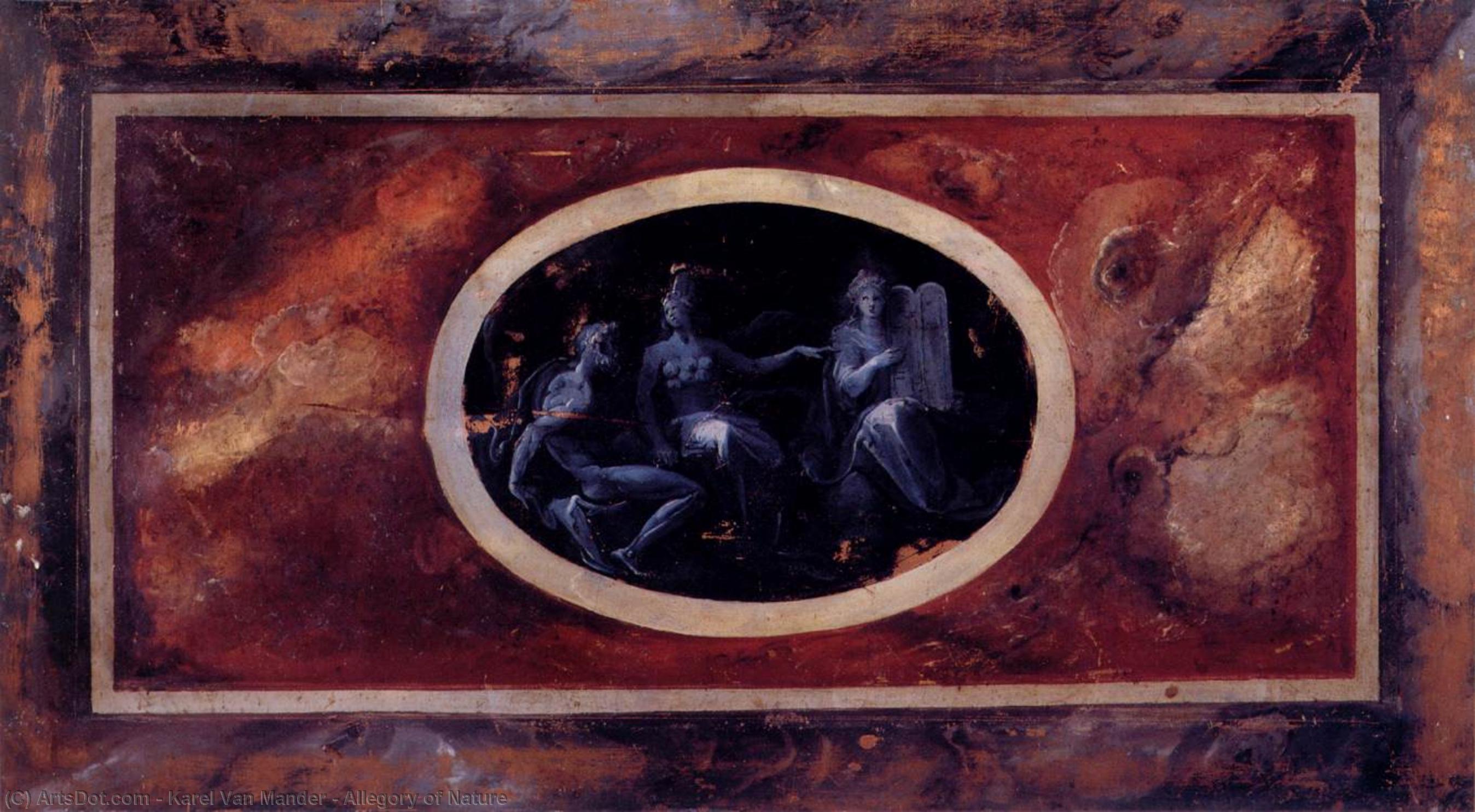
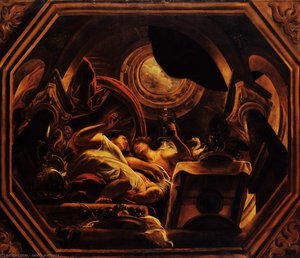
Allegory of Nature
 Oil On Copper
- Northern Renaissance
 1600
1600 44.0 x 79.0 cm
 Rijksmuseum
 Ver más
Reproducción al óleo hecha a mano
Óleo sobre lienzo pintado a mano en el tamaño y marco de su elección, realizado por encargo por nuestros artistas. ( Comprar impresión Comprar imagen)




P118B $10

P118H $10

P118W $10

P438Z $10

P508JH $12

P508YH $12

P805H $10

P805Z $10

P919BZ $10

P919G $10

P919XJ $10

P959ZH $10

P968JZ $12

W106C $8

W218G $10

W218JH $8

W218Y $10

W307PJ $10

W316G $10

W316PJ $8

W316Y $10

W398PJ $8

W4111J $10

W500HY $15

W500JH $15

W692G $12

W849H $8

W940BG $15

W953PJ $8




Elija entre nuestros tamaños predefinidos que respetan las proporciones originales de la obra.

Puede ingresar sus propias dimensiones para adaptarse a un marco o espacio específico. Si el tamaño seleccionado no coincide con las proporciones de la imagen original, recortaremos la obra o extenderemos la pintura con elementos adicionales pintados a mano. Se le enviará una maqueta digital para su aprobación antes de comenzar la producción.
Tenga en cuenta que la vista previa en pantalla no refleja el recorte o la extensión reales. Solo la maqueta mostrará con precisión la composición final.
Si bien existen tamaños personalizados, recomendamos seleccionar una dimensión de la lista predefinida para preservar las proporciones originales.
Tras realizar el pedido, el equipo de ArtsDot.com enviará un correo electrónico al cliente para solicitar instrucciones y proporcionarle una vista previa del boceto.
Envío a todo el mundo () en 3-4 semanas en lugar de las 5 semanas estándar. (27 agosto). Sin comprometer la calidad.

Envío exprés gratuito a todo el mundo

Lienzo de lino de alta calidad

Seguro de envío total

Garantía de reembolso de impuestos aduaneros

Garantía de fidelidad cromática exacta

Política de devolución de 60 días (solo por defectos)

Garantía de devolución del 100% del dinero

Descuento por cantidad
 La opción de vidrio solo está disponible en tamaños inferiores a 110 cm.

Allegory of Nature
Técnica de reproducción
Dimensiones de la reproducción
-


Precio total final
$ 313
Descripción de la obra
A Glimpse into Northern Renaissance Harmony: The Allegory of Nature
Karel van Mander’s “Allegory of Nature,” painted in 1600, is more than just a beautiful depiction; it's a meticulously crafted window into the intellectual and artistic currents of the Northern Renaissance. This oil-on-copper masterpiece, currently residing within the hallowed halls of the Rijksmuseum in Amsterdam, invites contemplation on themes of balance, harmony, and the very essence of the natural world. Van Mander, a painter renowned as much for his scholarly treatise “Het Schilderboeck” – a foundational text on art theory – infused this work with layers of symbolic meaning rooted deeply in both artistic tradition and humanist thought.
The painting immediately draws the eye to its central oval composition. Within this carefully defined space, three figures engage in an activity that suggests both intellectual pursuit and musical expression. Two women, rendered with a delicate realism characteristic of Early Netherlandish art, appear to be engaged in writing or reading, while a single male figure stands poised, perhaps playing a lute – the instrument’s presence immediately evoking notions of harmony and pleasure. The backdrop is not merely decorative; it's a swirling tapestry of deep blues, browns, and rich reds, creating an atmosphere of dramatic depth and suggesting the unpredictable forces inherent in nature itself.
Decoding the Symbolism: Nature, Wisdom, and the Divine
The symbolism woven into “Allegory of Nature” is remarkably complex. The figures themselves are not simply portraits but allegorical representations. The women likely embody wisdom and knowledge, qualities traditionally associated with female intellect and contemplation. Their activity – writing or reading – speaks to a pursuit of understanding, mirroring Van Mander’s own scholarly endeavors. The male figure, positioned centrally, could represent the active engagement with this knowledge, perhaps embodying artistic creation or the application of learned principles. The musical instruments are crucial; they symbolize harmony, balance, and the interconnectedness of all things within nature.
Furthermore, the dark sky punctuated by swirling clouds serves as a potent reminder of nature’s power and unpredictability. This contrasts sharply with the figures, suggesting that while humanity can strive to understand and emulate nature's beauty, it ultimately remains a force beyond complete control. The inclusion of elements reminiscent of the Early Netherlandish movement – meticulous detail, realistic depiction, and an emphasis on light and shadow – firmly places this work within a rich artistic lineage.
Craftsmanship and Technique: A Master’s Touch
Van Mander's skill as a painter is evident in every brushstroke. The use of oil on copper allows for incredible detail and luminosity, capturing the textures of clothing, skin, and the swirling background with remarkable precision. The impasto technique – applying paint thickly to create texture – adds depth and dynamism to the composition, particularly noticeable in the figures’ garments and the dramatic clouds. The careful layering of colors creates a sense of atmospheric perspective, drawing the viewer's eye into the scene.
Considering the painting’s age and materials, it’s fascinating to note that Van Mander utilized a copper plate as his support, mirroring the technique employed for “The Continence of Scipio.” This dual-sided work demonstrates his mastery of both composition and material. The reverse side, adorned with an imitation of grey and red-veined marble, is a testament to his artistic ingenuity and attention to detail.
A Legacy in Reproduction: Bringing Van Mander’s Vision to Life
Today, high-quality reproductions of “Allegory of Nature” are available through ArtsDot.com, offering art enthusiasts the opportunity to experience this iconic work firsthand. These meticulously crafted reproductions capture not only the visual beauty of the original but also the spirit and symbolism that define Van Mander’s masterpiece. Whether adorning a grand salon or a cozy study, a reproduction of “Allegory of Nature” serves as a timeless reminder of the enduring power of art to inspire contemplation and evoke profound emotions.
Obras relacionadas
Biografía del artista
Primeros Años y Formación
- Nacido: Mellebeke, Bélgica (1548)
- Fallecido: 1606
- Karel van Mander nació en una familia noble en Meulebeke, Condado de Flandes.
- Recibió su formación artística inicial bajo la tutela de Lucas de Heere en Gante (1568-1569) y posteriormente con Pieter Vlerick en Kortrijk.
- Desde temprana edad, también se dedicó a escribir obras de teatro religiosas y diseñar escenografías para ellas.
Viajes y Desarrollo Artístico
- Roma (1574-1577): Van Mander pasó tres años en Roma, donde conoció el arte clásico y desarrolló su propio estilo artístico. La biografía menciona que fue considerado como el "descubridor de cuevas", posiblemente refiriéndose a las catacumbas.
- Viena: Durante un viaje de regreso desde Italia, colaboró con Bartholomeus Spranger y Hans Mont en la creación de un arco triunfal para la entrada real del emperador Rodolfo II. Esta experiencia lo expuso aún más a las influencias manieristas.
Asentamiento en Haarlem y Liderazgo Artístico
- Haarlem (1583): Debido a los problemas religiosos y la peste, Van Mander se estableció en Haarlem, República Holandesa.
- Inventario del Arte de la Ciudad: Fue comisionado por los padres de la ciudad de Haarlem para inventariar el arte católico confiscado después de la Satisfactie van Haarlem. Este trabajo sentó las bases para sus escritos posteriores.
- Fundador de una Academia: Junto con Hubertus Goltzius y Cornelis van Haarlem, fundó una "academia para estudiar según la vida", que fomentaba el debate artístico e incluso podría haber incluido clases de dibujo.
El *Schilder-boeck* y Significado Histórico del Arte
- Obra Principal: Van Mander es recordado principalmente por su *Schilder-boeck* (Libro de Pintores), un diccionario biográfico de artistas flamencos primitivos y del Renacimiento nórdico.
- Influencia en el Manierismo: Su difusión de dibujos de Bartholomeus Spranger, a través de grabados de Hubertus Goltzius, contribuyó significativamente a la propagación del manierismo nórdico en la República Holandesa.
- Teórico del Arte: Desempeñó un papel crucial en la teorización del arte durante el siglo XVI, enfatizando el estilo y la elegancia cultivada sobre el naturalismo. Sus teorías promovieron la musculatura exagerada, las escenas dramáticas y los detalles ricos.
Legado y Estilo Artístico
- Pionero del Manierismo Nórdico: Karel van Mander es considerado una figura clave en el desarrollo del manierismo nórdico.
- Influencia en el Arte Holandés: Influyó significativamente a los artistas de Haarlem y más allá, moldeando el panorama artístico de la República Holandesa.
- Características Artísticas: Sus propias pinturas a menudo presentaban alegorías históricas caracterizadas por una fuerte conciencia del estilo, elegancia cultivada y una preferencia por las composiciones dramáticas.
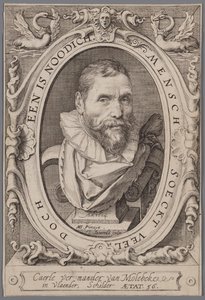
Karel van Mander
1548 - 1606 , Bélgica
Datos clave
- Artistas Que Influyeron:
- Lucas de Heere
- Pieter Vlerick
- Bartholomus Spranger
- Fecha De Muerte: Septiembre 1606
- Fecha De Nacimiento: Mayo 1548
- Influenciado A Artistas:
- Hendrick Goltzius
- Cornelis van Haarlem
- Lugar De Nacimiento: Meulebeke, Bélgica
- Movimiento Artístico: Manierismo del Norte
- Nacionalidad: Flamenco
- Nombre Completo: Karel van Mander
- Obras Notables:
- Diana y Actaeon
- Alegoría de la Naturaleza
- Jardín del Amor
Artículos relacionados

Rembrandt van Rijn: Las 25 Obras Maestras que Definen un Genio | Arte, Historia y Decoración
Descubre las 25 obras maestras de Rembrandt van Rijn, el genio del barroco holandés. Explora su historia, técnica y simbolismo en retratos icónicos como 'La Ronda Nocturna'. Encuentra reproducciones de arte exclusivas para decorar tu hogar con ArtsDot.com.

Los 10 Maestros del Primitivo Flamenco: Obras que Definen un Arte Inigualable | ArtsDot
Descubre los 10 imprescindibles del Primitivo Flamenco: Jan van Eyck, Robert Campin y más. Explora la historia, simbolismo y técnica de estas obras maestras renacentistas tempranas. Encuentra reproducciones de arte de museo en ArtsDot.com.
Renacimiento Flamenco Temprano: 10 Obras Maestras que Cambiaron la Historia del Arte | ArtsDot
Descubre las 10 obras maestras del Renacimiento Flamenco Temprano. Explora la historia de Jan van Eyck, Robert Campin y más. Reproducciones de arte en ArtsDot.com para decorar tu hogar con belleza y elegancia. ¡Explora la colección online!

El Óleo sobre Lienzo: Historia, Técnica y la Persistencia de un Medio Artístico Atemporal
Descubre la historia y técnica del óleo sobre lienzo. Explora reproducciones fieles hechas a mano, personalización artística y consejos de expertos con ArtsDot. ¡Colecciona arte con confianza!

The Enduring Legacy of Oil on Canvas: Technique, History & Aesthetic Impact
Explore the rich history & techniques of oil painting – from Renaissance masters to Impressionism. Discover pigments, layering methods, and why this timeless medium endures. Expert insights for artists & art enthusiasts.

