 Ver en contexto
 Enviar
 Compartir
 Detalles

 Descargar
 Similares
 Radiografía
 Presentación de diapositivas
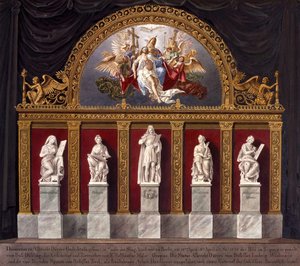
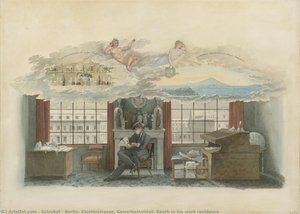
Berlín, Klosterstrasse. Gewerbeinstitut. Beuth en su residencia de trabajo


 Ver más
Reproducción al óleo hecha a mano
Óleo sobre lienzo pintado a mano en el tamaño y marco de su elección, realizado por encargo por nuestros artistas. ( Comprar impresión Comprar imagen)




P118B $10

P118H $10

P118W $10

P438Z $10

P508JH $12

P508YH $12

P805H $10

P805Z $10

P919BZ $10

P919G $10

P919XJ $10

P959ZH $10

P968JZ $12

W106C $8

W218G $10

W218JH $8

W218Y $10

W307PJ $10

W316G $10

W316PJ $8

W316Y $10

W398PJ $8

W4111J $10

W500HY $15

W500JH $15

W692G $12

W849H $8

W940BG $15

W953PJ $8




Elija entre nuestros tamaños predefinidos que respetan las proporciones originales de la obra.

Puede ingresar sus propias dimensiones para adaptarse a un marco o espacio específico. Si el tamaño seleccionado no coincide con las proporciones de la imagen original, recortaremos la obra o extenderemos la pintura con elementos adicionales pintados a mano. Se le enviará una maqueta digital para su aprobación antes de comenzar la producción.
Tenga en cuenta que la vista previa en pantalla no refleja el recorte o la extensión reales. Solo la maqueta mostrará con precisión la composición final.
Si bien existen tamaños personalizados, recomendamos seleccionar una dimensión de la lista predefinida para preservar las proporciones originales.
Tras realizar el pedido, el equipo de ArtsDot.com enviará un correo electrónico al cliente para solicitar instrucciones y proporcionarle una vista previa del boceto.
Envío a todo el mundo () en 3-4 semanas en lugar de las 5 semanas estándar. (23 agosto). Sin comprometer la calidad.

Envío exprés gratuito a todo el mundo

Lienzo de lino de alta calidad

Seguro de envío total

Garantía de reembolso de impuestos aduaneros

Garantía de fidelidad cromática exacta

Política de devolución de 60 días (solo por defectos)

Garantía de devolución del 100% del dinero

Descuento por cantidad
 La opción de vidrio solo está disponible en tamaños inferiores a 110 cm.

Berlín, Klosterstrasse. Gewerbeinstitut. Beuth en su residencia de trabajo
Técnica de reproducción
Dimensiones de la reproducción
-


Precio total final
$ 263
Descripción de la obra
A Study in Classical Harmony: Exploring Schinkel’s ‘Berlin, Klosterstrasse’
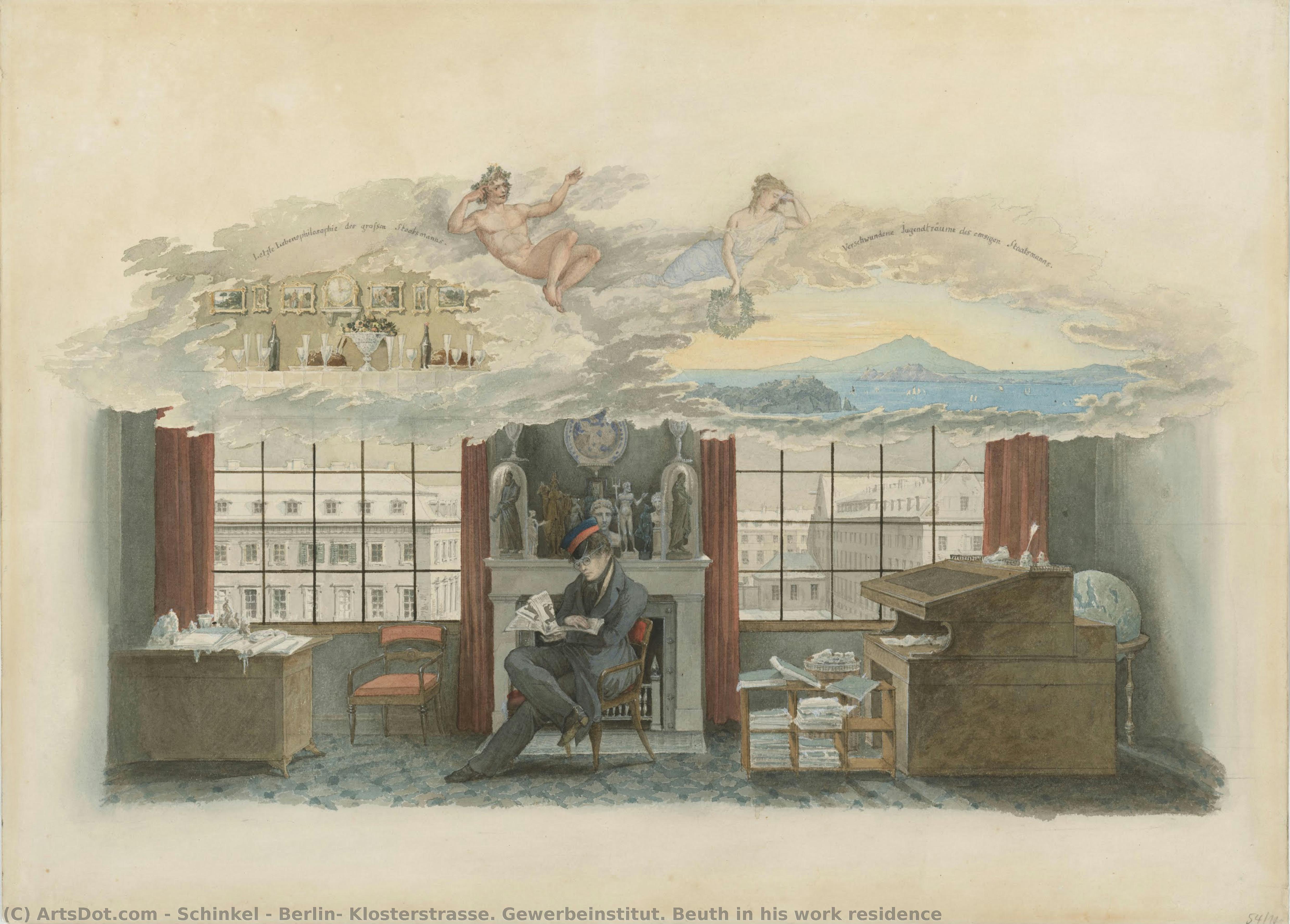
This monumental watercolor painting by Karl Friedrich Schinkel—completed in 1838—offers an unparalleled glimpse into the intellectual and artistic milieu of Prussia during its Romantic era. More than just a depiction of an interior space, it functions as a carefully constructed allegory, reflecting Schinkel's profound admiration for classical ideals while simultaneously hinting at the burgeoning fascination with craftsmanship and Northern European heritage that characterized his time. Presented to Beuth by Schinkel between 1834 and 1839 as a commemoration of various occasions—primarily intended to honor Beuth’s patronage—the artwork embodies Schinkel's vision for elevating Prussian culture through art and scholarship.- Subject Matter & Setting: The scene unfolds within Klosterstrasse, Berlin, showcasing Schinkel’s friend and collaborator’s residence – a space deliberately designed to evoke both diligence as an administrator and passion as a collector. The room is dominated by a large window overlooking the cityscape, framing a panoramic vista that underscores the grandeur of Prussia’s capital.
- Style & Technique: Schinkel adheres rigorously to Neoclassical principles, prioritizing symmetry, order, and idealized forms. Watercolor paint—applied over preliminary graphite sketching—creates a luminous surface texture, capturing subtle nuances of light and shadow. The artist skillfully employs hatching and cross-hatching to build up tonal gradations, conveying depth and realism.
- Composition: Balanced against the backdrop of an expansive landscape, the central figure sits at a drafting desk bathed in soft illumination. Bookshelves flank the desk on either side, mirroring the architectural grandeur of the room. Above the fireplace, a mantelpiece displays a captivating assemblage of sculptures and decorative items—a focal point for Schinkel’s artistic vision.
The Mantelpiece Tableau: Symbolism of Antiquity and Craftsmanship
Dominating the mantelpiece is an array of sculptures representing figures from classical mythology – Neptune, Mercury, and others – embodying ideals of wisdom, power, and artistry. These busts serve as reminders of Greece’s enduring influence on European thought and culture. However, nestled amongst these emblems of antiquity is a striking anomaly: the ‘Beuth-Schinkel Cross,’ a medieval artifact originating from the Maasland region around 1160-70. This juxtaposition underscores Schinkel's deliberate exploration of contrasting artistic traditions—the sublime beauty of classical sculpture alongside the tangible legacy of Northern European craftsmanship.- Material & Process: The Cross exemplifies techniques such as champlevé and gilding, reflecting a revival of interest in medieval artistry. Its presence serves as a testament to Schinkel’s commitment to documenting both the breadth of Beuth's collection and the enduring appeal of artisanal skills.
- Emotional Impact: Overall, the artwork exudes an atmosphere of quiet contemplation and scholarly dedication—a reflection of Schinkel’s own intellectual pursuits. It invites viewers to appreciate the harmonious blend of classical ideals and medieval heritage that defined his era.
Detailed Examination: Light, Texture & Perspective
Schinkel meticulously renders architectural details with precise linear perspective—creating a convincing illusion of depth within the room’s confines. Fine lines delineate window frames and bookshelves, while hatching and cross-hatching contribute to textural variations across surfaces like walls and ceilings. The artist skillfully manipulates tonal gradations to simulate the effects of ambient light, illuminating key elements of the composition and enhancing its visual impact.- Color Palette: The color palette is subdued and earthy—characterized by browns, grays, and creams—accentuated by splashes of blue in the majolica wall plate. This restrained chromatic scheme reinforces the artwork’s neoclassical aesthetic.
Concluding Reflections: A Legacy of Artistic Vision
‘Berlin, Klosterstrasse’ stands as a testament to Schinkel's unwavering belief in the transformative power of art—a conviction that cemented his place among Prussia’s most celebrated architects and artists. Its enduring appeal lies not only in its technical brilliance but also in its profound engagement with intellectual currents and artistic traditions—a legacy that continues to inspire admiration and contemplation today.Obras relacionadas
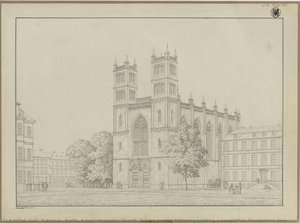
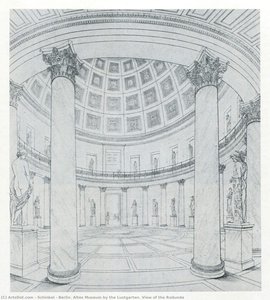
Biografía del artista
Karl Friedrich Schinkel: Un Visionario Arquitectónico Prusiano
- Nacido: Neurenberg, Alemania (1781)
- Fallecido: 1841
Primeros Años e Influencias
Karl Friedrich Schinkel nació en Neuruppin, Margraviato de Brandenburg, en 1781. Su temprana vida estuvo marcada por la tragedia cuando su padre murió en el devastador incendio de Neuruppin de 1787. Este evento sin duda moldeó su perspectiva. Se convirtió en estudiante del arquitecto Friedrich Gilly (1772–1800) y su padre, David Gilly, ambos figuras influyentes en la escena arquitectónica de Berlín. El enfoque de Gilly en formas innovadoras y arquitectura expresiva impactó profundamente las sensibilidades estéticas en desarrollo de Schinkel. Su temprana formación le proporcionó una sólida base en los principios clásicos mientras también lo exponía a ideas más experimentales.
De la Pintura a la Arquitectura: Un Cambio de Enfoque
Después de regresar a Berlín desde su primer viaje a Italia en 1805, Schinkel inicialmente se dedicó a la pintura como profesión. Sin embargo, un momento crucial ocurrió en 1810 cuando vio *El caminante sobre el mar de niebla* de Caspar David Friedrich en una exposición de arte en Berlín. Reconociendo que no podía lograr tal maestría en la pintura, Schinkel decidió cambiar su atención a la arquitectura. Esta transición demuestra una profunda autoconciencia y un compromiso con perseguir donde realmente yacían sus talentos. Su experiencia con la pintura probablemente informó sus posteriores diseños arquitectónicos, imbuyéndolos de una sensación de atmósfera y profundidad emocional.
Estilo Arquitectónico y Obras Principales
El estilo arquitectónico de Schinkel se caracteriza por una distintiva mezcla de elementos neoclásicos y revivalistas góticos. Se alejó del estilo romano imperial prevaleciente en ese momento, optando en cambio por una estética inspirada en la Antigua Grecia, un principio clave del movimiento del Renacimiento griego. Creía que los edificios deberían poseer tanto integridad estructural como resonancia poética, interactuando con la historia y evocando emociones.
- Neue Wache (1816–1818): Una obra temprana significativa que demuestra su estilo neoclásico.
- Monumento Nacional para las Guerras de Liberación (1818–1821): Celebra las victorias prusianas y muestra un enfoque más monumental.
- Schauspielhaus (1819–1821): Un diseño teatral refinado en Gendarmenmarkt, reemplazando una estructura destruida por el fuego.
- Altes Museum (1823–1830): Quizás su creación más icónica, ubicada en la Isla de los Museos, que ejemplifica los principios clásicos y sirve como modelo para museos nacionales de arte en todo el mundo.
- Schloss Rosenau (renovación, 1808-1817): Un notable ejemplo de su trabajo revivalista gótico.
- Iglesia Friedrichswerder (1824–1831): Demuestra una transición hacia influencias neogóticas.
- Bauakademie (1832–1836): Su edificio más innovador, que anticipa principios arquitectónicos modernistas con sus líneas limpias y diseño funcional.
Legado y Contribuciones Teóricas
La influencia de Schinkel se extiende más allá de los edificios que construyó físicamente. También es reconocido por su trabajo teórico y sus planos arquitectónicos. Sus planes no ejecutados, como los del transformar el Acrópolis ateniense en un palacio real para Grecia y el Palacio Orianda en Crimea, revelan la amplitud de su imaginación y ambición. Sus publicaciones, incluyendo Sammlung architektonischer Entwürfe (1820–1837) y Werke der höheren Baukunst (1840–1842; 1845–1846), difundieron sus ideas ampliamente. Si bien las circunstancias políticas y su muerte prematura pueden haberle impedido realizar todo su potencial, Schinkel sigue siendo una figura clave en la historia de la arquitectura alemana, uniendo el Neoclasicismo con la emergencia del modernismo.
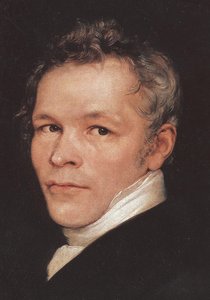
Karl Friedrich Schinkel
1781 - 1841 , Alemania
Datos clave
- Artistas O Movimientos Influenciados Por Este Artista: ['David Chipperfield']
- Artistas Que Influyeron En Este Artista:
- Friedrich Gilly
- Caspar David Friedrich
- Fecha De Fallecimiento: 9 de octubre de 1841
- Fecha De Nacimiento: 13 de marzo de 1781
- Lugar De Nacimiento: Neuruppin, Alemania
- Movimiento Artístico O Estilo:
- Neoclásico
- Neogótico
- Nacionalidad: Alemán
- Nombre Completo: Karl Friedrich Schinkel
- Obras Notables:
- Neue Wache
- Altes Museum
- Iglesia Friedrichswerder
- Schauspielhaus (Berlín)
Artículos relacionados

Acuarelas Legendarias: 10 Obras Maestras que Transformaron el Arte | ArtsDot
Descubre 10 acuarelas legendarias de Turner, Monet y Sargent que revolucionaron el arte. Explora la historia, técnica y belleza de estas obras maestras impresionistas y románticas. Reproducciones de museo en ArtsDot.com.

Esculturas de Bronce Legendarias: 10 Obras Maestras que Transformaron el Arte | ArtsDot
Descubre las 10 esculturas de bronce más legendarias que revolucionaron el arte. Explora la historia de Rodin, Degas y otros maestros del bronce. Encuentra reproducciones de alta calidad e inspiración para tu hogar en ArtsDot.com.

Ephemeral Visions: Exploring the Artistic Legacy & Contemporary Practice of Watercolor Painting
Explore the captivating world of watercolor painting! Discover its rich history, essential techniques, influential artists & collecting tips. A comprehensive guide for art enthusiasts from ArtsDot.
Visiones Efímeras: Historia y Resonancia Emocional de la Pintura Acuarela
Descubre la fascinante historia de la acuarela, desde sus orígenes hasta su expresión contemporánea. Explora técnicas, artistas clave como Paul Klee y encuentra reproducciones de alta calidad en ArtsDot.

The Enduring Form: Exploring Themes & Techniques in Sculpture Across Historical Periods
Explore the rich history of sculpture from ancient masterpieces to contemporary innovations. Discover key techniques, influential artists & investment potential for discerning art collectors.