 Ver en contexto
 Enviar
 Compartir
 Detalles

 Descargar
 Similares
 Radiografía
 Presentación de diapositivas
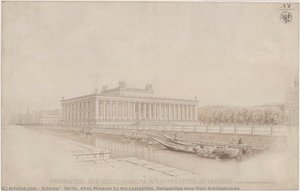
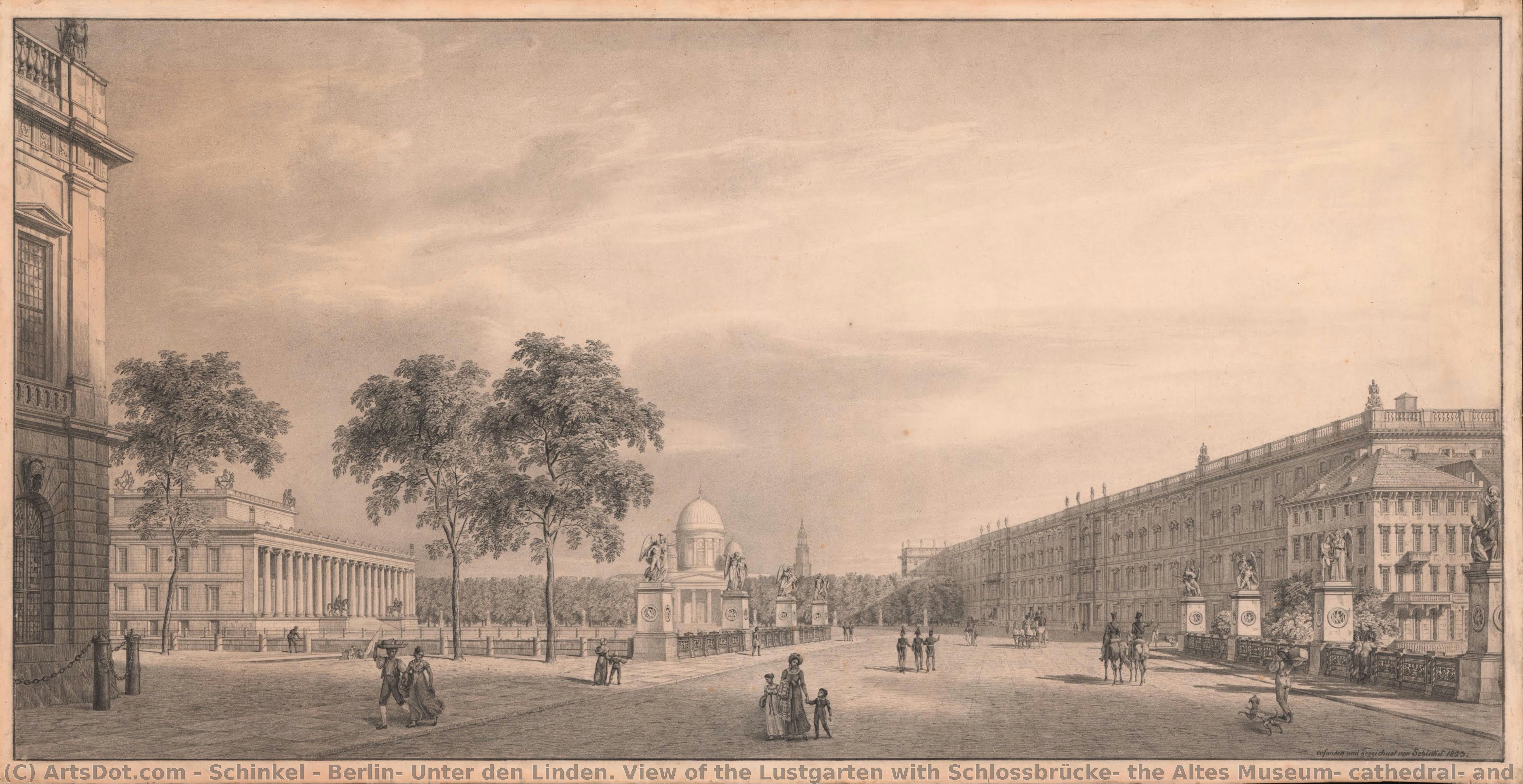
Berlin, Unter den Linden. View of the Lustgarten with Schlossbrücke, the Altes Museum, cathedral, and palace
 Ink On Paper
- Neoclassicism
 19th Century
 97.0 x 50.0 cm
 Kupferstichkabinett
 Ver más
Reproducción al óleo hecha a mano
Óleo sobre lienzo pintado a mano en el tamaño y marco de su elección, realizado por encargo por nuestros artistas. ( Comprar impresión Comprar imagen)




P118B $10

P118H $10

P118W $10

P438Z $10

P508JH $12

P508YH $12

P805H $10

P805Z $10

P919BZ $10

P919G $10

P919XJ $10

P959ZH $10

P968JZ $12

W106C $8

W218G $10

W218JH $8

W218Y $10

W307PJ $10

W316G $10

W316PJ $8

W316Y $10

W398PJ $8

W4111J $10

W500HY $15

W500JH $15

W692G $12

W849H $8

W940BG $15

W953PJ $8




Elija entre nuestros tamaños predefinidos que respetan las proporciones originales de la obra.

Puede ingresar sus propias dimensiones para adaptarse a un marco o espacio específico. Si el tamaño seleccionado no coincide con las proporciones de la imagen original, recortaremos la obra o extenderemos la pintura con elementos adicionales pintados a mano. Se le enviará una maqueta digital para su aprobación antes de comenzar la producción.
Tenga en cuenta que la vista previa en pantalla no refleja el recorte o la extensión reales. Solo la maqueta mostrará con precisión la composición final.
Si bien existen tamaños personalizados, recomendamos seleccionar una dimensión de la lista predefinida para preservar las proporciones originales.
Tras realizar el pedido, el equipo de ArtsDot.com enviará un correo electrónico al cliente para solicitar instrucciones y proporcionarle una vista previa del boceto.
Envío a todo el mundo () en 3-4 semanas en lugar de las 5 semanas estándar. (31 agosto). Sin comprometer la calidad.

Envío exprés gratuito a todo el mundo

Lienzo de lino de alta calidad

Seguro de envío total

Garantía de reembolso de impuestos aduaneros

Garantía de fidelidad cromática exacta

Política de devolución de 60 días (solo por defectos)

Garantía de devolución del 100% del dinero

Descuento por cantidad
 La opción de vidrio solo está disponible en tamaños inferiores a 110 cm.

Berlin, Unter den Linden. View of the Lustgarten with Schlossbrücke, the Altes Museum, cathedral, and palace
Técnica de reproducción
Dimensiones de la reproducción
-


Precio total final
$ 338
A Glimpse into Berlin's Grandeur: An Architectural Dream
To gaze upon this depiction of Berlin’s Lustgarten is to step directly into a meticulously preserved moment of 19th-century urban aspiration. The scene unfolds with the stately dignity characteristic of grand European capitals at the turn of an age—a time when civic pride was rendered in stone, dome, and carefully planned boulevard. We are presented not merely with buildings, but with the very embodiment of Enlightenment ideals translated into physical space. The composition draws the eye along a broad, ordered vista, where the monumental presence of the Alte Museum stands sentinel alongside the soaring promise of the cathedral. It speaks to an era obsessed with order, symmetry, and the public display of cultural achievement.
Mastery in Line: Technique and Topographical Precision
The technical brilliance underpinning this work is immediately apparent. The artist has employed a technique reminiscent of the finest topographical engravings—a painstaking marriage of pen and ink mastery. Observe how the texture is built up; it is not simply drawn, but painstakingly rendered through hatching and cross-hatching. These delicate linear marks simulate the varied surfaces of aged stone, the rustle of foliage, and the drape of period attire. The perspective employed is wonderfully linear, drawing the viewer deep into the heart of the composition while maintaining a sense of airy depth. This level of detail suggests an almost scientific dedication to recording reality, yet it remains imbued with artistic flourish.
The Spirit of Place: Historical Context and Symbolism
This view captures Berlin at a pivotal juncture—a city blossoming into its modern self. The inclusion of key civic structures anchors the piece firmly in history. Beyond the mere cataloging of architecture, the painting functions as a symbol of burgeoning cultural confidence. The open space of Lustgarten itself suggests leisure, intellectual discourse, and the vital role of public life in shaping a society’s character. It evokes the grand promenade, where thinkers mingled with nobility, all under the watchful gaze of enduring architectural forms. For the collector or designer, this piece offers an immediate connection to historical gravitas.
Bringing the Past Home: An Aesthetic for Modern Interiors
Reproducing such a sophisticated work allows one to infuse a space with unparalleled depth and narrative weight. Imagine this sepia-toned vision gracing a drawing-room or library; it acts as an intellectual centerpiece, transforming a mere wall into a portal. The muted palette and the inherent formality of the subject matter lend themselves beautifully to interiors favoring classical elegance, dark woods, and curated antique furnishings. It is more than decoration; it is a conversation starter, inviting contemplation on the passage of time and the enduring beauty of human endeavor.
Obras relacionadas
![[the Cour Napoléon Looking Towards The Tuileries, Louvre, Paris] — Édouard-denis Baldus, Academic Realism](/media/artworks/images-thumb/9f/ab/9fab8474e3a2a9ec8f7fb1ba65878363.jpg)
Biografía del artista
Karl Friedrich Schinkel: Un Visionario Arquitectónico Prusiano
- Nacido: Neurenberg, Alemania (1781)
- Fallecido: 1841
Primeros Años e Influencias
Karl Friedrich Schinkel nació en Neuruppin, Margraviato de Brandenburg, en 1781. Su temprana vida estuvo marcada por la tragedia cuando su padre murió en el devastador incendio de Neuruppin de 1787. Este evento sin duda moldeó su perspectiva. Se convirtió en estudiante del arquitecto Friedrich Gilly (1772–1800) y su padre, David Gilly, ambos figuras influyentes en la escena arquitectónica de Berlín. El enfoque de Gilly en formas innovadoras y arquitectura expresiva impactó profundamente las sensibilidades estéticas en desarrollo de Schinkel. Su temprana formación le proporcionó una sólida base en los principios clásicos mientras también lo exponía a ideas más experimentales.
De la Pintura a la Arquitectura: Un Cambio de Enfoque
Después de regresar a Berlín desde su primer viaje a Italia en 1805, Schinkel inicialmente se dedicó a la pintura como profesión. Sin embargo, un momento crucial ocurrió en 1810 cuando vio *El caminante sobre el mar de niebla* de Caspar David Friedrich en una exposición de arte en Berlín. Reconociendo que no podía lograr tal maestría en la pintura, Schinkel decidió cambiar su atención a la arquitectura. Esta transición demuestra una profunda autoconciencia y un compromiso con perseguir donde realmente yacían sus talentos. Su experiencia con la pintura probablemente informó sus posteriores diseños arquitectónicos, imbuyéndolos de una sensación de atmósfera y profundidad emocional.
Estilo Arquitectónico y Obras Principales
El estilo arquitectónico de Schinkel se caracteriza por una distintiva mezcla de elementos neoclásicos y revivalistas góticos. Se alejó del estilo romano imperial prevaleciente en ese momento, optando en cambio por una estética inspirada en la Antigua Grecia, un principio clave del movimiento del Renacimiento griego. Creía que los edificios deberían poseer tanto integridad estructural como resonancia poética, interactuando con la historia y evocando emociones.
- Neue Wache (1816–1818): Una obra temprana significativa que demuestra su estilo neoclásico.
- Monumento Nacional para las Guerras de Liberación (1818–1821): Celebra las victorias prusianas y muestra un enfoque más monumental.
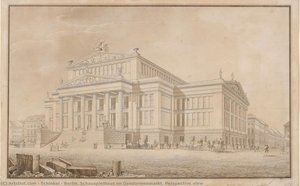
- Schauspielhaus (1819–1821): Un diseño teatral refinado en Gendarmenmarkt, reemplazando una estructura destruida por el fuego.
- Altes Museum (1823–1830): Quizás su creación más icónica, ubicada en la Isla de los Museos, que ejemplifica los principios clásicos y sirve como modelo para museos nacionales de arte en todo el mundo.
- Schloss Rosenau (renovación, 1808-1817): Un notable ejemplo de su trabajo revivalista gótico.
- Iglesia Friedrichswerder (1824–1831): Demuestra una transición hacia influencias neogóticas.
- Bauakademie (1832–1836): Su edificio más innovador, que anticipa principios arquitectónicos modernistas con sus líneas limpias y diseño funcional.
Legado y Contribuciones Teóricas
La influencia de Schinkel se extiende más allá de los edificios que construyó físicamente. También es reconocido por su trabajo teórico y sus planos arquitectónicos. Sus planes no ejecutados, como los del transformar el Acrópolis ateniense en un palacio real para Grecia y el Palacio Orianda en Crimea, revelan la amplitud de su imaginación y ambición. Sus publicaciones, incluyendo Sammlung architektonischer Entwürfe (1820–1837) y Werke der höheren Baukunst (1840–1842; 1845–1846), difundieron sus ideas ampliamente. Si bien las circunstancias políticas y su muerte prematura pueden haberle impedido realizar todo su potencial, Schinkel sigue siendo una figura clave en la historia de la arquitectura alemana, uniendo el Neoclasicismo con la emergencia del modernismo.
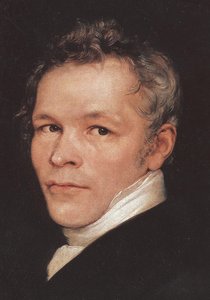
Karl Friedrich Schinkel
1781 - 1841 , Alemania
Datos clave
- Artistas O Movimientos Influenciados Por Este Artista: ['David Chipperfield']
- Artistas Que Influyeron En Este Artista:
- Friedrich Gilly
- Caspar David Friedrich
- Fecha De Fallecimiento: 9 de octubre de 1841
- Fecha De Nacimiento: 13 de marzo de 1781
- Lugar De Nacimiento: Neuruppin, Alemania
- Movimiento Artístico O Estilo:
- Neoclásico
- Neogótico
- Nacionalidad: Alemán
- Nombre Completo: Karl Friedrich Schinkel
- Obras Notables:
- Neue Wache
- Altes Museum
- Iglesia Friedrichswerder
- Schauspielhaus (Berlín)
Artículos relacionados
Las 25 Obras Maestras del Staatliche Museen Berlin: Arte, Historia y Decoración Exclusiva
Descubre las 25 obras maestras del Staatliche Museen Berlín. Explora la historia, el arte alemán y artistas como Nefertiti o Schinkel. Reproducciones de alta calidad para decorar tu hogar con elegancia. ¡Encuentra tu inspiración en ArtsDot.com!

Caspar David Friedrich: Romanticism's Master of Landscape & the Sublimity of Inner Experience
Explore the profound landscapes of Caspar David Friedrich, a master of German Romanticism. Discover the symbolism, themes & enduring influence of this iconic artist. A deep dive into his life and work.
Expresionismo Alemán: 10 Obras Maestras que Transformaron el Arte | ArtsDot
Descubre las 10 obras maestras del Expresionismo Alemán: Kirchner, Munch y más. Explora la historia, técnica y emoción detrás de estos lienzos icónicos. Reproducciones de arte de museo en ArtsDot.com. ¡Inspira tu hogar con arte!
El Siglo XVIII en el Arte: 10 Obras Maestras para Decorar con Historia y Elegancia
Descubre 10 obras maestras del siglo XVIII: Goya, Fragonard y más. Explora la historia, el arte barroco, rococó y neoclasicismo que inspiran decoración elegante. Reproducciones de alta calidad en ArtsDot.com.
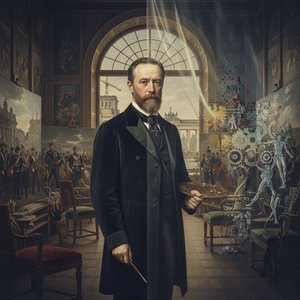
Anton von Werner: Imperial Painter, Historical Witness & Shifting German Identity
Explore the life & work of Anton von Werner, Imperial Germany's leading painter. Discover his dramatic depictions of war, unification, and court life – a fascinating insight into 19th-century German history & art.