 Ver en contexto
 Enviar
 Compartir
 Detalles

 Descargar
 Similares
 Radiografía
 Presentación de diapositivas
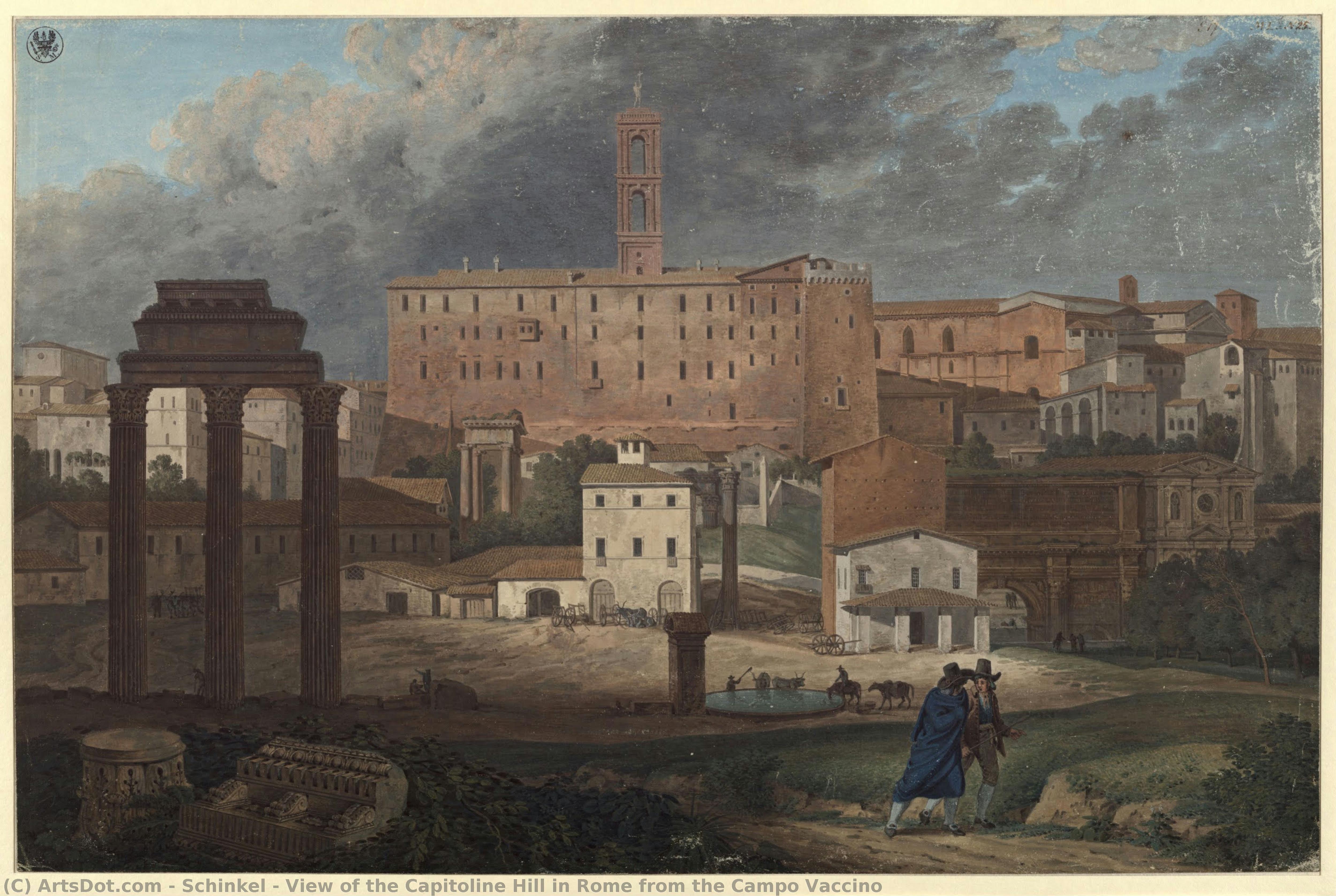
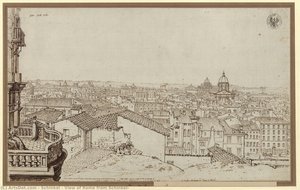
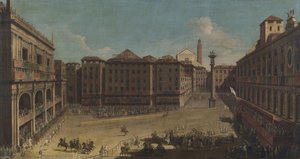
View of the Capitoline Hill in Rome from the Campo Vaccino
 Oil On Canvas
- WallArt
- Neoclassicism
 47.0 x 30.0 cm
 Kupferstichkabinett
 Ver más
Adquiera una imagen digital de alta resolución y optimizada, muy superior a la vista previa en línea.
Cada archivo es preparado meticulosamente por nuestros especialistas internos mediante el uso de herramientas avanzadas y un experto retoque manual. Nos aseguramos de que cada imagen posea una claridad excepcional, una precisión cromática impecable y un detalle minucioso.
El archivo final se entrega por correo electrónico en un plazo de 72 horas, optimizado para su uso inmediato en entornos profesionales, editoriales y de impresión. Esta es la misma calidad en la que confían los estudios de diseño, las editoriales y las galerías de primer nivel.
Imagen Digital
Descarga un archivo de alta resolución para exhibición personal, impresión y proyectos creativos. ( Comprar impresión Comprar pintura hecha a mano)
Incluido en cada pedido de imágenes digitales
Entrega digital experta, garantizada.
Al elegir ArtsDot.com, no solo está adquiriendo una imagen; está recibiendo una obra de arte digital mejorada profesionalmente, elaborada con precisión y respaldada por una garantía de satisfacción. Esto es todo lo que incluye su pedido, automáticamente:

Entrega rápida por email
Recibirá su archivo de imagen digital en alta resolución por correo electrónico en un plazo de 72 horas tras realizar su pedido, listo para su uso inmediato.

Archivo digital optimizado por IA
Su obra de arte se optimiza profesionalmente mediante herramientas avanzadas de IA y edición manual, garantizando el máximo detalle, claridad y precisión cromática.

Reenvío gratuito de por vida
¿Has borrado o perdido tu archivo por error? No te preocupes: te lo volveremos a enviar en cualquier momento, sin coste adicional.

Sin gastos de importación, siempre
Disfrute de su obra de arte al instante sin aduanas, aranceles ni gastos de envío; las descargas digitales siempre están libres de impuestos.

Garantía de fidelidad de color
Garantizamos que su imagen digital refleje los colores originales con la mayor fidelidad posible, mediante el uso de herramientas profesionales y gestión del color.

Garantía de satisfacción de 60 días
Si no está satisfecho con su imagen digital, la revisaremos o le reembolsaremos el 100% en un plazo de 60 días, sin preguntas.

100% Garantía de devolución de dinero
¿No está satisfecho? Obtenga un reembolso completo dentro de los 60 días posteriores a la recepción de su archivo digital, sin necesidad de explicaciones.

Descuentos por pedidos grandes
Compra 3 imágenes, ahorra 10% - Compra 5, ahorra 15% - Compra 10+, ahorra 20%. Ideal para proyectos creativos, galerías y agencias.
Karl Friedrich Schinkel’s “View of the Capitoline Hill in Rome from the Campo Vaccino”: A NeoClassical Masterpiece Reflecting Roman Grandeur
The artwork, titled "View of the Capitoline Hill in Rome from the Campo Vaccino," stands as a testament to Karl Friedrich Schinkel's unparalleled ability to capture both architectural precision and atmospheric emotion. Executed around 1803/1804 during his formative years as an architect and artist, this oil painting on canvas embodies the ideals of Neoclassicism—a movement that sought inspiration from ancient Greece and Rome—while simultaneously demonstrating Schinkel’s mastery of tonal gradation and compositional balance. More than just a scenic depiction, it's a carefully crafted statement about order, beauty, and the enduring legacy of classical civilization.- Subject Matter: The painting focuses squarely on the Capitoline Hill in Rome, a prominent landmark steeped in Roman history and mythology. Schinkel meticulously portrays the Temple of Jupiter Optimus Maximus—a symbol of imperial power and religious devotion—alongside surrounding buildings, presenting a panoramic vista that aims to convey the grandeur of the city’s past.
- Style: The artwork adheres strictly to Neoclassical principles. Linear perspective dominates the composition, guiding the viewer's eye towards the central temple and establishing a sense of depth. Geometric shapes—primarily squares and rectangles—are utilized extensively in architectural forms and decorative elements, reflecting the movement’s emphasis on rationality and symmetry.
- Technique: Schinkel employed a technique characterized by subtle tonal variations achieved through meticulous layering of paint—a hallmark of his artistic style. Atmospheric perspective is skillfully rendered, diminishing the intensity of colors and blurring contours in distant structures to simulate the effects of air and distance. Brushstrokes are visible but restrained, contributing to a textured surface that enhances the realism of the scene without overwhelming its overall elegance.
- Historical Context: Created during Schinkel’s early career, “View of the Capitoline Hill” reflects the intellectual fervor of Prussia under Frederick William III—a period marked by ambitious architectural projects designed to elevate the nation's prestige and solidify its cultural identity. The painting aligns with broader artistic trends of the time, mirroring the fascination with classical antiquity that permeated European art and thought.
- Symbolism: Beyond its visual beauty, the artwork carries symbolic significance. The Temple of Jupiter Optimus Maximus represents divine authority and imperial patronage—themes central to Schinkel’s architectural vision. Furthermore, the depiction of Rome itself embodies ideals of civic virtue and artistic excellence, reflecting Schinkel's belief in the transformative power of art to shape society and inspire contemplation.
Additional Research & Resources
To delve deeper into Schinkel's artistic legacy, explore these valuable links:- View of the Capitoline Hill: Admire Schinkel’s ‘View of the Capiteline Hill.’ This detailed 18th-century oil painting showcases Roman grandeur & architectural precision. Explore its neoclassical style & historical significance.
- SCHINKEL SUPERSTAR - Google Arts & Culture: Discover Schinkel’s groundbreaking achievements and explore his influence on German architecture.
- Karl Friedrich Schinkel: Explore Schinkel’s life, artistic style and notable works.
- View of the Capitoline Hill: Order a copy of Schinkel’s masterpiece.
Artist Information
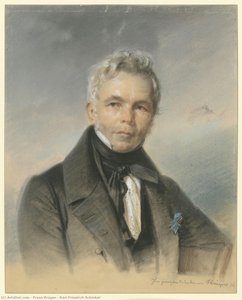
Karl Friedrich Schinkel (1781–1841), Germany: A Prussian Visionary: The Life and Legacy of Karl Friedrich Schinkel Schinkel’s life was a compelling narrative woven with threads of personal hardship and professional triumph, unfolding against the backdrop of shifting political landscapes and burgeoning artistic movements. The devastating fire that ravaged Neuruppin in 1787, tragically claiming his father’s life while Schinkel was still a young boy, cast a long shadow over his formative years. This early experience instilled within him a profound appreciation for order, permanence, and the enduring power of form—qualities that would later define his artistic vision. He received early mentorship under Friedrich Gilly and his father David Gilly, both influential architectObras relacionadas
Biografía del artista
Karl Friedrich Schinkel: Un Visionario Arquitectónico Prusiano
- Nacido: Neurenberg, Alemania (1781)
- Fallecido: 1841
Primeros Años e Influencias
Karl Friedrich Schinkel nació en Neuruppin, Margraviato de Brandenburg, en 1781. Su temprana vida estuvo marcada por la tragedia cuando su padre murió en el devastador incendio de Neuruppin de 1787. Este evento sin duda moldeó su perspectiva. Se convirtió en estudiante del arquitecto Friedrich Gilly (1772–1800) y su padre, David Gilly, ambos figuras influyentes en la escena arquitectónica de Berlín. El enfoque de Gilly en formas innovadoras y arquitectura expresiva impactó profundamente las sensibilidades estéticas en desarrollo de Schinkel. Su temprana formación le proporcionó una sólida base en los principios clásicos mientras también lo exponía a ideas más experimentales.
De la Pintura a la Arquitectura: Un Cambio de Enfoque
Después de regresar a Berlín desde su primer viaje a Italia en 1805, Schinkel inicialmente se dedicó a la pintura como profesión. Sin embargo, un momento crucial ocurrió en 1810 cuando vio *El caminante sobre el mar de niebla* de Caspar David Friedrich en una exposición de arte en Berlín. Reconociendo que no podía lograr tal maestría en la pintura, Schinkel decidió cambiar su atención a la arquitectura. Esta transición demuestra una profunda autoconciencia y un compromiso con perseguir donde realmente yacían sus talentos. Su experiencia con la pintura probablemente informó sus posteriores diseños arquitectónicos, imbuyéndolos de una sensación de atmósfera y profundidad emocional.
Estilo Arquitectónico y Obras Principales
El estilo arquitectónico de Schinkel se caracteriza por una distintiva mezcla de elementos neoclásicos y revivalistas góticos. Se alejó del estilo romano imperial prevaleciente en ese momento, optando en cambio por una estética inspirada en la Antigua Grecia, un principio clave del movimiento del Renacimiento griego. Creía que los edificios deberían poseer tanto integridad estructural como resonancia poética, interactuando con la historia y evocando emociones.
- Neue Wache (1816–1818): Una obra temprana significativa que demuestra su estilo neoclásico.
- Monumento Nacional para las Guerras de Liberación (1818–1821): Celebra las victorias prusianas y muestra un enfoque más monumental.
- Schauspielhaus (1819–1821): Un diseño teatral refinado en Gendarmenmarkt, reemplazando una estructura destruida por el fuego.
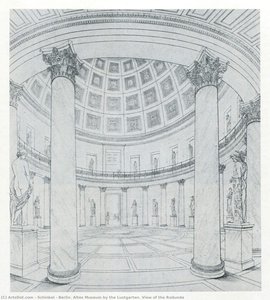
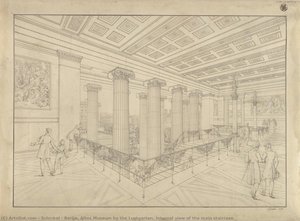
- Altes Museum (1823–1830): Quizás su creación más icónica, ubicada en la Isla de los Museos, que ejemplifica los principios clásicos y sirve como modelo para museos nacionales de arte en todo el mundo.
- Schloss Rosenau (renovación, 1808-1817): Un notable ejemplo de su trabajo revivalista gótico.
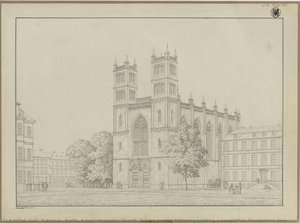
- Iglesia Friedrichswerder (1824–1831): Demuestra una transición hacia influencias neogóticas.
- Bauakademie (1832–1836): Su edificio más innovador, que anticipa principios arquitectónicos modernistas con sus líneas limpias y diseño funcional.
Legado y Contribuciones Teóricas
La influencia de Schinkel se extiende más allá de los edificios que construyó físicamente. También es reconocido por su trabajo teórico y sus planos arquitectónicos. Sus planes no ejecutados, como los del transformar el Acrópolis ateniense en un palacio real para Grecia y el Palacio Orianda en Crimea, revelan la amplitud de su imaginación y ambición. Sus publicaciones, incluyendo Sammlung architektonischer Entwürfe (1820–1837) y Werke der höheren Baukunst (1840–1842; 1845–1846), difundieron sus ideas ampliamente. Si bien las circunstancias políticas y su muerte prematura pueden haberle impedido realizar todo su potencial, Schinkel sigue siendo una figura clave en la historia de la arquitectura alemana, uniendo el Neoclasicismo con la emergencia del modernismo.
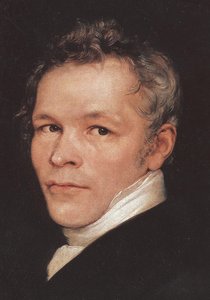
Karl Friedrich Schinkel
1781 - 1841 , Alemania
Breves datos
- Artistas O Movimientos Influenciados Por Este Artista: ['David Chipperfield']
- Artistas Que Influyeron En Este Artista:
- Friedrich Gilly
- Caspar David Friedrich
- Fecha De Fallecimiento: 9 de octubre de 1841
- Fecha De Nacimiento: 13 de marzo de 1781
- Lugar De Nacimiento: Neuruppin, Alemania
- Movimiento Artístico O Estilo:
- Neoclásico
- Neogótico
- Nacionalidad: Alemán
- Nombre Completo: Karl Friedrich Schinkel
- Obras Notables:
- Neue Wache
- Altes Museum
- Iglesia Friedrichswerder
- Schauspielhaus (Berlín)