 Ver en contexto
 Enviar
 Compartir
 Detalles

 Descargar
 Similares
 Radiografía
 Presentación de diapositivas
 Estadísticas
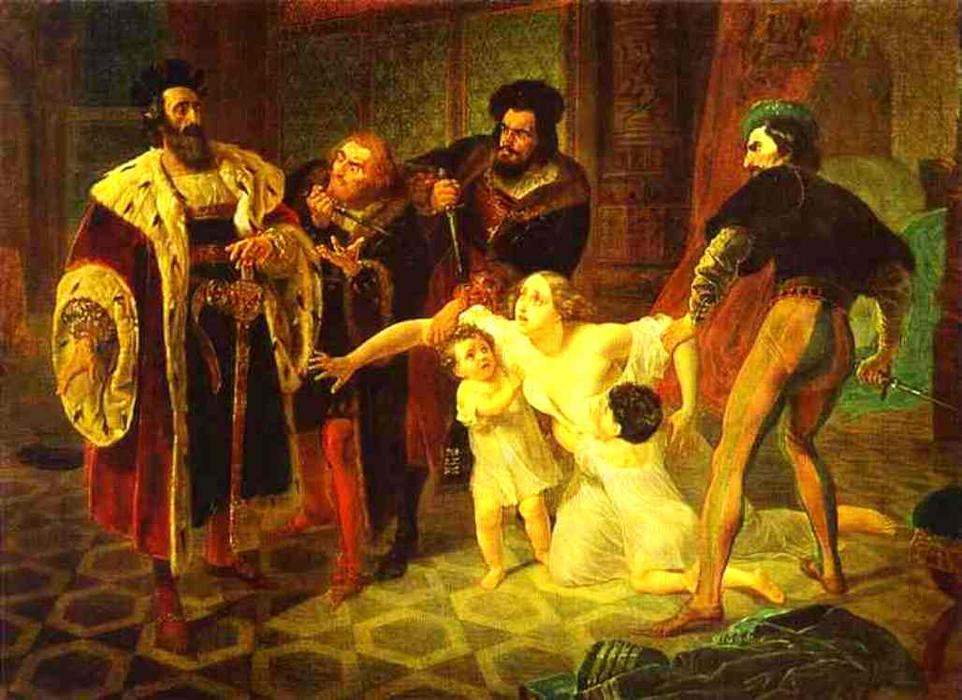
Death of Inessa de Castro, Morganatic Wife of Portuguese Infant Don Pedro


 Ver más
Reproducción al óleo hecha a mano
Óleo sobre lienzo pintado a mano en el tamaño y marco de su elección, realizado por encargo por nuestros artistas. ( Cambiar a Impresión Cambiar a imagen digital)




P118B $10

P118H $10

P118W $10

P438Z $10

P508JH $12

P508YH $12

P805H $10

P805Z $10

P919BZ $10

P919G $10

P919XJ $10

P959ZH $10

P968JZ $12

W106C $8

W218G $10

W218JH $8

W218Y $10

W307PJ $10

W316G $10

W316PJ $8

W316Y $10

W398PJ $8

W4111J $10

W500HY $15

W500JH $15

W692G $12

W849H $8

W940BG $15

W953PJ $8




Elija entre nuestros tamaños predefinidos que respetan las proporciones originales de la obra.

Puede ingresar sus propias dimensiones para adaptarse a un marco o espacio específico. Si el tamaño seleccionado no coincide con las proporciones de la imagen original, recortaremos la obra o extenderemos la pintura con elementos adicionales pintados a mano. Se le enviará una maqueta digital para su aprobación antes de comenzar la producción.
Tenga en cuenta que la vista previa en pantalla no refleja el recorte o la extensión reales. Solo la maqueta mostrará con precisión la composición final.
Si bien existen tamaños personalizados, recomendamos seleccionar una dimensión de la lista predefinida para preservar las proporciones originales.
Tras realizar el pedido, el equipo de ArtsDot.com enviará un correo electrónico al cliente para solicitar instrucciones y proporcionarle una vista previa del boceto.
Envío a todo el mundo () en 3-4 semanas en lugar de las 5 semanas estándar. (9 septiembre). Sin comprometer la calidad.

Envío exprés gratuito a todo el mundo

Lienzo de lino de alta calidad

Seguro de envío total

Garantía de reembolso de impuestos aduaneros

Garantía de fidelidad cromática exacta

Política de devolución de 100 días (solo por defectos)

Garantía de devolución del 100% del dinero

Descuento por cantidad
 La opción de vidrio solo está disponible en tamaños inferiores a 110 cm.

Death of Inessa de Castro, Morganatic Wife of Portuguese Infant Don Pedro
Técnica de reproducción
Dimensiones de la reproducción
-


Precio total final
$ 263
A Tragedy in Oil: The Heartbreaking Legacy of Inessa de Castro
In the grand tapestry of Romanticism, few works capture the raw, visceral intersection of personal tragedy and political upheaval as profoundly as Karl Pavlovich Bryullov’s 1834 masterpiece, Death of Inessa de Castro, Morganatic Wife of Portuguese Infant Don Pedro. This oil on canvas is not merely a depiction of a historical event; it is an immersive descent into a moment of profound sorrow. The painting transports the viewer to a scene of high drama, where the air feels heavy with the weight of lost love and the cold steel of political vengeance. As we gaze upon the central figure, the dying Inessa de Serão Pessanha, we are drawn into a narrative that transcends time, making it an irresistible centerpiece for any collection dedicated to the power of historical storytelling.
The composition is a masterclass in emotional orchestration. Bryullov expertly arranges his figures to guide the eye through a landscape of grief. At the heart of the canvas lies Inessa, her pale, lifeless form resting against the lap of a mourner, creating a focal point of stillness amidst a surrounding storm of movement. The presence of men clad in armor, some clutching swords that glint with a menacing light, serves as a stark reminder of the violence that precipitated this tragedy. A figure wearing a crown stands amongst the throng, embodying the cold, unyielding nature of authority and the political machinations that often crush individual happiness. This tension between the intimate agony of death and the rigid structures of power is what gives the work its enduring, haunting resonance.
Mastery of Light and Shadow: The Technique of Bryullov
To behold this painting is to witness the brilliance of chiaroscuro executed at its most evocative. Bryullov, deeply influenced by the dramatic lighting of Caravaggio and the anatomical precision of the Italian masters, utilizes extreme contrasts between light and dark to sculpt the figures within the frame. The shadows are not merely absences of light but are deep, velvety voids that swallow the periphery, forcing the viewer’s attention onto the illuminated tragedy in the foreground. This technique lends a sculptural volume to the bodies, making the limp limbs and the folds of heavy fabrics feel tangibly real.
The artist's brushwork further enhances the emotional temperature of the piece. There is a meticulous attention to detail—from the subtle, sorrowful expressions etched into the faces of the onlookers to the way light catches the edge of a blade or the sheen of a royal garment. For the discerning collector or interior designer, these technical nuances offer a rich visual texture that changes with the lighting of a room. A high-quality reproduction of this work allows one to appreciate these subtle gradations of tone, bringing a sense of classical depth and academic rigor to a modern living space or a curated gallery wall.
A Timeless Addition to the Sophisticated Interior
Beyond its historical significance, The Death of Inessa de Castro serves as a profound statement piece for those who appreciate art that provokes thought and conversation. It is a work that demands attention, offering a window into the Romantic era's obsession with the sublime—the beauty found within terror and sadness. For an interior designer, this painting provides a dramatic anchor for a room, pairing exquisitely with classical furniture, rich velvets, and dark wood tones to create an atmosphere of old-world elegance and intellectual depth.
Owning a reproduction of such a monumental work is an opportunity to invite the spirit of the 19th-century Russian Academy into one's home. It is more than decoration; it is an engagement with history, a tribute to the skill of Karl Pavlovich Bryullov, and a permanent reminder of the enduring human capacity for passion and loss. Whether placed in a study, a formal dining room, or a grand hallway, this painting continues to breathe life into its surroundings, offering a timeless elegance that remains as captivating today as it was in 1834.
Obras relacionadas


Biografía del artista
Karl Pavlovich Bryullov: Una Vida en el Romanticismo
Juventud e Instrucción
Karl Pavlovich Bryullov (nacido Karl Briullo) nació el 23 de diciembre de 1799, en San Petersburgo, Rusia. Su padre, Pavel Ivanovich Briullo, era académico, escultor y grabador de origen hugonote, quien inculcó a su hijo Karl un amor por las artes. El viaje artístico de Bryullov comenzó bajo la guía de su padre antes de inscribirse formalmente en la Escuela Imperial de Artes en San Petersburgo en 1809.
Desarrollo Artístico e Influencias
Aunque fue educado dentro de un marco clásico, Bryullov nunca abrazó plenamente sus rígidas limitaciones. Sintió una fuerte atracción hacia Italia desde temprana edad y su desarrollo artístico fue significativamente moldeado por los maestros del Renacimiento italiano. Su obra demuestra influencias de artistas como Rafael, Miguel Ángel y Caravaggio, particularmente en su uso dramático de la luz y la sombra y su dominio del detalle anatómico.
- Se distinguió como un estudiante prometedor, mostrando talento imaginativo durante su educación.
- Después de completar sus estudios, se trasladó a Roma en 1821, donde pasó más de una década perfeccionando sus habilidades.
Logros Importantes y Obras Notables
El éxito de Bryullov llegó con “El Último Día de Pompeya” (1830-1833), un monumental cuadro histórico que lo catapultó a la fama internacional. La obra, que representa la erupción caótica del Monte Vesubio, fue elogiada por su composición dramática, intensidad emocional y brillantez técnica. Obtuvo inmensa alabanza de contemporáneos como Pushkin y Gogol.
- “La Toma de la Vida de un Tsar” (1827) – Una obra temprana que demuestra su habilidad en la narrativa histórica.
- “La Defensa del Sepulcro” (1846) - Demostrando la capacidad de Bryullov para equilibrar emoción y precisión histórica.
- "Princesa Yuliya Pavlovna Samoilova Dejando un Baile con la Adoptada Hija Amacilia Pacini" (1832) – Un ejemplo impresionante de sus habilidades en el retrato.
- “Invasión de Genserich a Roma” (1835) - Otra escena histórica dramática que muestra influencia barroca.
Carrera y Vida Tardía
Después del éxito de “El Último Día de Pompeya”, Bryullov regresó a Rusia en triunfo, asegurando una prestigiosa posición en la Academia Imperial de Artes en 1836. Sirvió como profesor allí hasta 1848, influyendo en una generación de artistas rusos.
- Desarrolló un estilo de retrato distintivo que combinaba la simplicidad neoclásica con las sensibilidades románticas.
- Su salud comenzó a deteriorarse mientras trabajaba en el plafón de la Catedral de San Isaac.
- En 1849, buscando una mejor salud, dejó Rusia por Madeira y finalmente se estableció cerca de Roma, Italia.
Significado Histórico y Legado
Karl Pavlovich Bryullov es considerado una figura clave en el Romanticismo ruso. Su obra marcó un cambio hacia una mayor expresión emocional y narración dramática dentro del arte ruso. Puenteó la brecha entre la formalidad neoclásica y el floreciente movimiento romántico, influyendo a generaciones posteriores de artistas, incluyendo a Gavriil Gorelov.
El legado de Bryullov se extiende más allá de sus pinturas; fue un profesor respetado y un defensor de la innovación artística. Sus contribuciones consolidaron su lugar como uno de los mayores artistas visuales en la historia rusa, dejando una huella perdurable en el patrimonio cultural de la nación. Murió el 23 de junio de 1852, cerca de Roma y está enterrado en el Cimitero Acattolico.
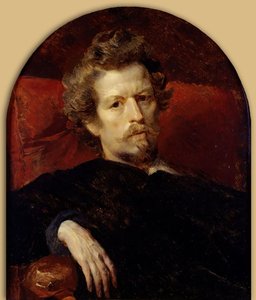
karl pavlovich bryullov
1799 - 1852 , Rusia
Datos clave
- Artistic Movement Or Style: Romanticismo
- Artists Who Influenced This Artist:
- Rafael Sanzio
- Miguel Ángel
- Caravaggio
- Date Of Birth: 12 diciembre 1799
- Date Of Death: 23 junio 1852
- Full Name: Karl Pavlovich Bryullov
- Nationality: Ruso
- Notable Artworks:
- El Último Día de Pompeya
- La Toma de la Vida de un Tsar
- La Defensa del Sepulcro
- Place Of Birth: San Petersburgo, Rusia
Artículos relacionados
Chiaroscuro & Beyond: Mastering Dramatic Lighting in Art History
Explore the captivating world of chiaroscuro & tenebrism! Discover Caravaggio's influence, Baroque masters, and the enduring power of dramatic lighting in art history. Learn about these techniques with ArtsDot.

Acerca de nosotros
Descubre nuestra historia! Llevamos el arte de clase mundial a tu vida gracias a una selección experta, creaciones personalizadas y vistas previas gratuitas. Aprobado por particulares y empresas desde el año 2000.

Goya: Las 25 Obras Maestras del Genio Español | Reproducciones de Arte en ArtsDot
Descubre las 25 obras maestras de Goya, el genio español. Explora retratos icónicos, 'Los Caprichos' y 'Las Pinturas Negras'. Reproducciones de arte en lienzo de alta calidad para decorar tu hogar con estilo. ¡Encuentra tu obra favorita en ArtsDot.com!
Ovidio Murguía de Castro: Ecuadorian Modernism & Social Realism's Indigenous Voice
Explore the captivating work of Ovidio Murguía de Castro, a pivotal figure in Ecuadorian Modernism. Discover his powerful Social Realist paintings and unique portrayal of Indigenous life – a compelling investment for discerning art collectors.
Chiaroscuro & Emotional Resonance: Exploring Dramatic Light in Western Painting
Explore the captivating world of chiaroscuro & tenebrism! Discover Caravaggio's influence, Baroque masters, and the enduring power of dramatic lighting in art history. Learn about these techniques with ArtsDot.