

 Ver en contexto
 Enviar
 Compartir
 Detalles

 Descargar
 Similares
 Radiografía
 Presentación de diapositivas
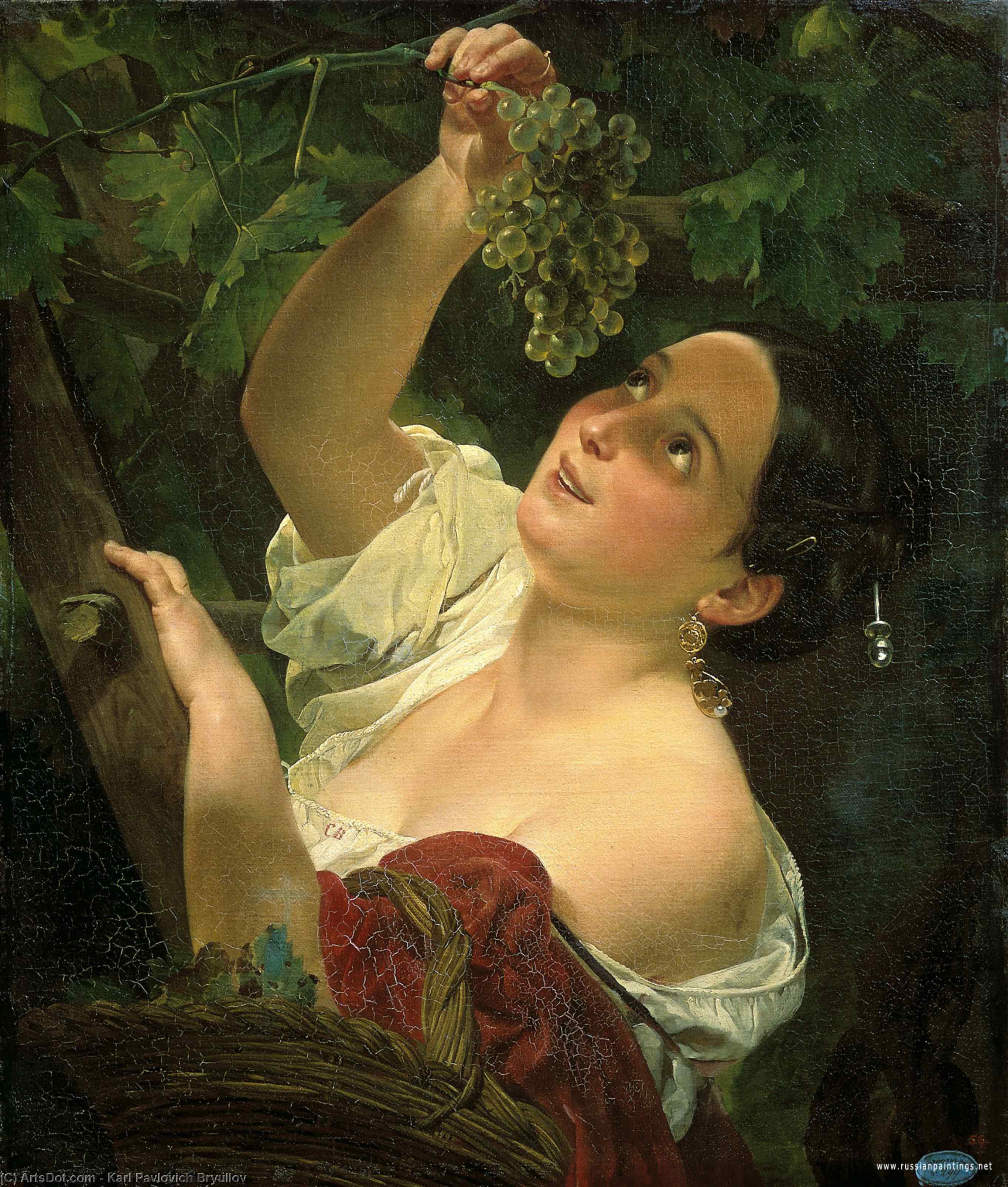
Italian Midday
 Oil On Canvas
- WallArt
- Romanticism
 1827
1827- 19th Century
 64.0 x 55.0 cm
 Estado Museo Russo
 Ver más
Adquiera una imagen digital de alta resolución y optimizada, muy superior a la vista previa en línea.
Cada archivo es preparado meticulosamente por nuestros especialistas internos mediante el uso de herramientas avanzadas y un experto retoque manual. Nos aseguramos de que cada imagen posea una claridad excepcional, una precisión cromática impecable y un detalle minucioso.
El archivo final se entrega por correo electrónico en un plazo de 72 horas, optimizado para su uso inmediato en entornos profesionales, editoriales y de impresión. Esta es la misma calidad en la que confían los estudios de diseño, las editoriales y las galerías de primer nivel.
Imagen Digital
Descarga un archivo de alta resolución para exhibición personal, impresión y proyectos creativos. ( Comprar impresión Comprar pintura hecha a mano)
Incluido en cada pedido de imágenes digitales
Entrega digital experta, garantizada.
Al elegir ArtsDot.com, no solo está adquiriendo una imagen; está recibiendo una obra de arte digital mejorada profesionalmente, elaborada con precisión y respaldada por una garantía de satisfacción. Esto es todo lo que incluye su pedido, automáticamente:

Entrega rápida por email
Recibirá su archivo de imagen digital en alta resolución por correo electrónico en un plazo de 72 horas tras realizar su pedido, listo para su uso inmediato.

Archivo digital optimizado por IA
Su obra de arte se optimiza profesionalmente mediante herramientas avanzadas de IA y edición manual, garantizando el máximo detalle, claridad y precisión cromática.

Reenvío gratuito de por vida
¿Has borrado o perdido tu archivo por error? No te preocupes: te lo volveremos a enviar en cualquier momento, sin coste adicional.

Sin gastos de importación, siempre
Disfrute de su obra de arte al instante sin aduanas, aranceles ni gastos de envío; las descargas digitales siempre están libres de impuestos.

Garantía de fidelidad de color
Garantizamos que su imagen digital refleje los colores originales con la mayor fidelidad posible, mediante el uso de herramientas profesionales y gestión del color.

Garantía de satisfacción de 60 días
Si no está satisfecho con su imagen digital, la revisaremos o le reembolsaremos el 100% en un plazo de 60 días, sin preguntas.

100% Garantía de devolución de dinero
¿No está satisfecho? Obtenga un reembolso completo dentro de los 60 días posteriores a la recepción de su archivo digital, sin necesidad de explicaciones.

Descuentos por pedidos grandes
Compra 3 imágenes, ahorra 10% - Compra 5, ahorra 15% - Compra 10+, ahorra 20%. Ideal para proyectos creativos, galerías y agencias.
A Moment Frozen in Tuscan Sunlight
In the heart of the nineteenth century, a period defined by the sweeping emotional tides of Romanticism, Karl Pavlovich Bryullov captured something far more profound than a mere agricultural scene. "Italian Midday," completed in 1827, serves as a luminous window into a world where nature and humanity exist in perfect, sun-drenched harmony. At first glance, the viewer is greeted by the idyllic sight of a young woman amidst the lush greenery of a vineyard, her presence anchored by the weight of a harvest basket. Yet, beneath this pastoral surface lies a masterful exploration of light and atmosphere that elevates the genre painting into a poetic meditation on beauty and the fleeting nature of time.
The composition is a triumph of classical structure, subtly echoing the balanced grace of Renaissance masters like Raphael. Bryullov employs a pyramidal arrangement, placing the woman at the apex to guide the eye upward toward the radiant sky. This structural stability is softened by the artist's incredible command of light; rather than the harsh, dramatic shadows found in Caravaggio’s work, Bryullov opts for a diffused, warm glow that seems to emanate from within the canvas itself. The sunlight filters through the dense foliage, catching the glistening skin of the grapes and illuminating the woman's features with a gentle, ethereal quality that invites the viewer into her quiet moment of contemplation.
The Mastery of Texture and Tone
For the discerning collector or interior designer, the true allure of this piece lies in its palpable tactile richness. Bryullov was a master of impasto, using thick, deliberate layers of oil paint to create a surface that breathes with life. One can almost feel the rugged texture of the vine trunks, the delicate softness of the woman's skin, and the heavy, succulent weight of the ripening fruit. This technique does not merely represent reality; it recreates the sensory experience of a warm Italian afternoon, making the artwork feel remarkably immediate and vibrant.
The color palette is a sophisticated blend of earthy, organic tones that ground the scene in realism while maintaining an idealized beauty. Deep, verdant greens dominate the landscape, providing a lush backdrop for the warmer browns, reds, and ochres found in the woman's attire and the harvest basket. This harmony of colors makes "Italian Midday" an exceptionally versatile piece for high-end decor, capable of adding warmth and a sense of historical depth to a classical study, a sunlit dining room, or a contemporary gallery space.
Symbolism and Emotional Resonance
Beyond its aesthetic splendor, the painting is rich with symbolic layers that resonate with the Romantic preoccupation with abundance and the cycle of life. The act of harvesting grapes is a timeless symbol of fertility, prosperity, and the rewards of labor. However, there is an underlying sense of nostalgia—a quiet awareness that this midday warmth, much like the harvest itself, is a transient moment in the grander scale of nature. The woman’s gaze, thoughtful and serene, suggests a deep connection to her surroundings, embodying a state of grace that many seek in the modern, frenetic world.
Owning a high-quality reproduction of this masterpiece is more than an acquisition of decor; it is an invitation to bring a sense of tranquility and timeless elegance into one's environment. "Italian Midday" continues to captivate because it speaks to the universal human desire for peace, beauty, and a profound connection to the natural world. It remains a cornerstone of Russian Romanticism, offering a window into a golden age of artistry that never ceases to inspire.
Obras relacionadas
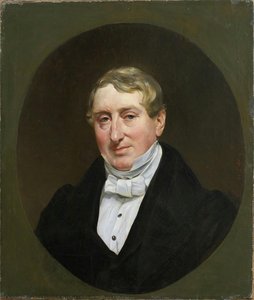
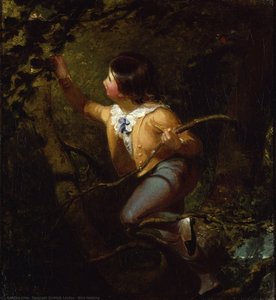
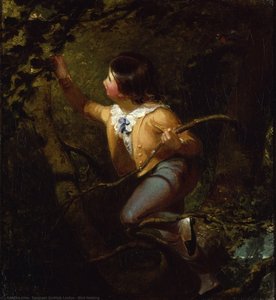
Biografía del artista
Karl Pavlovich Bryullov: Una Vida en el Romanticismo
Juventud e Instrucción
Karl Pavlovich Bryullov (nacido Karl Briullo) nació el 23 de diciembre de 1799, en San Petersburgo, Rusia. Su padre, Pavel Ivanovich Briullo, era académico, escultor y grabador de origen hugonote, quien inculcó a su hijo Karl un amor por las artes. El viaje artístico de Bryullov comenzó bajo la guía de su padre antes de inscribirse formalmente en la Escuela Imperial de Artes en San Petersburgo en 1809.
Desarrollo Artístico e Influencias
Aunque fue educado dentro de un marco clásico, Bryullov nunca abrazó plenamente sus rígidas limitaciones. Sintió una fuerte atracción hacia Italia desde temprana edad y su desarrollo artístico fue significativamente moldeado por los maestros del Renacimiento italiano. Su obra demuestra influencias de artistas como Rafael, Miguel Ángel y Caravaggio, particularmente en su uso dramático de la luz y la sombra y su dominio del detalle anatómico.
- Se distinguió como un estudiante prometedor, mostrando talento imaginativo durante su educación.
- Después de completar sus estudios, se trasladó a Roma en 1821, donde pasó más de una década perfeccionando sus habilidades.
Logros Importantes y Obras Notables
El éxito de Bryullov llegó con “El Último Día de Pompeya” (1830-1833), un monumental cuadro histórico que lo catapultó a la fama internacional. La obra, que representa la erupción caótica del Monte Vesubio, fue elogiada por su composición dramática, intensidad emocional y brillantez técnica. Obtuvo inmensa alabanza de contemporáneos como Pushkin y Gogol.
- “La Toma de la Vida de un Tsar” (1827) – Una obra temprana que demuestra su habilidad en la narrativa histórica.
- “La Defensa del Sepulcro” (1846) - Demostrando la capacidad de Bryullov para equilibrar emoción y precisión histórica.
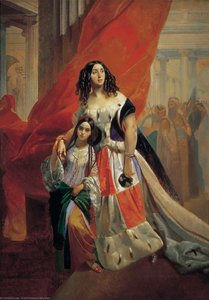
- "Princesa Yuliya Pavlovna Samoilova Dejando un Baile con la Adoptada Hija Amacilia Pacini" (1832) – Un ejemplo impresionante de sus habilidades en el retrato.
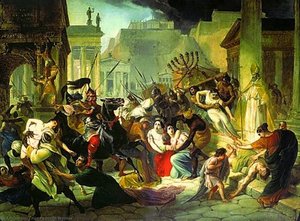
- “Invasión de Genserich a Roma” (1835) - Otra escena histórica dramática que muestra influencia barroca.
Carrera y Vida Tardía
Después del éxito de “El Último Día de Pompeya”, Bryullov regresó a Rusia en triunfo, asegurando una prestigiosa posición en la Academia Imperial de Artes en 1836. Sirvió como profesor allí hasta 1848, influyendo en una generación de artistas rusos.
- Desarrolló un estilo de retrato distintivo que combinaba la simplicidad neoclásica con las sensibilidades románticas.
- Su salud comenzó a deteriorarse mientras trabajaba en el plafón de la Catedral de San Isaac.
- En 1849, buscando una mejor salud, dejó Rusia por Madeira y finalmente se estableció cerca de Roma, Italia.
Significado Histórico y Legado
Karl Pavlovich Bryullov es considerado una figura clave en el Romanticismo ruso. Su obra marcó un cambio hacia una mayor expresión emocional y narración dramática dentro del arte ruso. Puenteó la brecha entre la formalidad neoclásica y el floreciente movimiento romántico, influyendo a generaciones posteriores de artistas, incluyendo a Gavriil Gorelov.
El legado de Bryullov se extiende más allá de sus pinturas; fue un profesor respetado y un defensor de la innovación artística. Sus contribuciones consolidaron su lugar como uno de los mayores artistas visuales en la historia rusa, dejando una huella perdurable en el patrimonio cultural de la nación. Murió el 23 de junio de 1852, cerca de Roma y está enterrado en el Cimitero Acattolico.
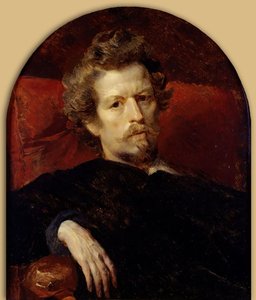
karl pavlovich bryullov
1799 - 1852 , Rusia
Breves datos
- Artistic Movement Or Style: Romanticismo
- Artists Who Influenced This Artist:
- Rafael Sanzio
- Miguel Ángel
- Caravaggio
- Date Of Birth: 12 diciembre 1799
- Date Of Death: 23 junio 1852
- Full Name: Karl Pavlovich Bryullov
- Nationality: Ruso
- Notable Artworks:
- El Último Día de Pompeya
- La Toma de la Vida de un Tsar
- La Defensa del Sepulcro
- Place Of Birth: San Petersburgo, Rusia

