 Ver en contexto
 Enviar
 Compartir
 Detalles

 Descargar
 Similares
 Radiografía
 Presentación de diapositivas
 Estadísticas
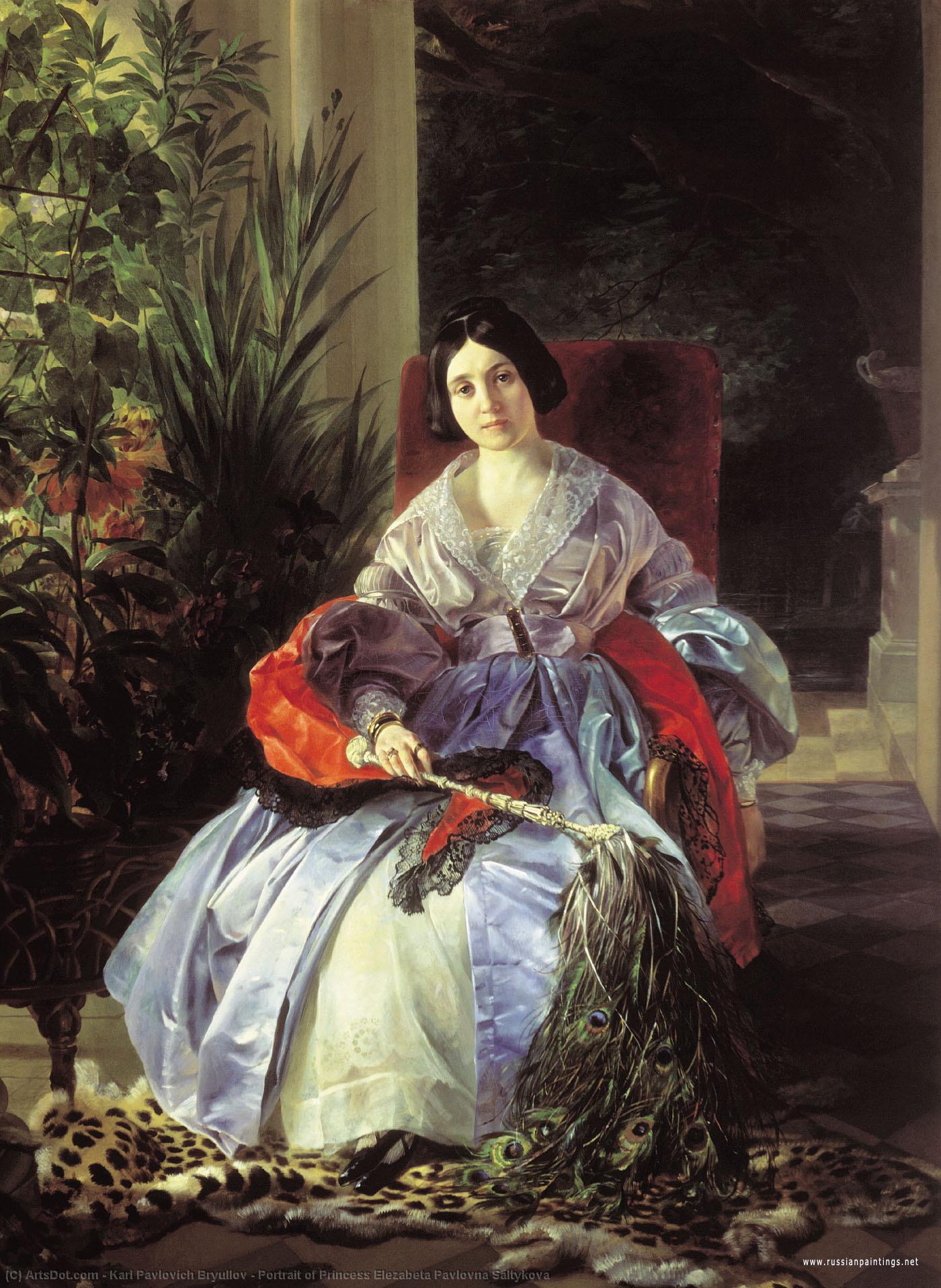
Portrait of Princess Elezabeta Pavlovna Saltykova
 Acrylic
- WallArt
- Romanticism
 1841
1841 200.0 x 142.0 cm
 Estado Museo Russo
 Ver más
Giclée / Impresión de arte
Impresiones giclée o en lienzo de calidad de museo con producción rápida y opciones de acabado flexibles. ( Comprar pintura hecha a mano Cambiar a imagen digital)




P118B $10

P118H $10

P118W $10

P438Z $10

P508JH $12

P508YH $12

P805H $10

P805Z $10

P919BZ $10

P919G $10

P919XJ $10

P959ZH $10

P968JZ $12

W106C $8

W218G $10

W218JH $8

W218Y $10

W307PJ $10

W316G $10

W316PJ $8

W316Y $10

W398PJ $8

W4111J $10

W500HY $15

W500JH $15

W692G $12

W849H $8

W940BG $15

W953PJ $8




Elija entre nuestros tamaños predefinidos que respetan las proporciones originales de la obra.

Puede introducir sus propias dimensiones para adaptarse a un marco o espacio específico. Si el tamaño seleccionado no coincide con las proporciones de la imagen original, recortaremos la obra de arte o extenderemos la imagen con un borde con efecto espejo o de color sólido. Se enviará una maqueta digital para su aprobación antes de que comience la producción.
Tenga en cuenta que la vista previa en pantalla no refleja el recorte o la extensión real. Solo la maqueta mostrará con precisión la composición final.
Aunque existen tamaños personalizados, recomendamos seleccionar una dimensión de la lista predefinida para preservar las proporciones originales.
Envío a todo el mundo () en 2 semanas en lugar de las 4/5 semanas estándar. (9 septiembre)

Envío exprés gratuito a todo el mundo

Lienzo de lino de alta calidad

Seguro de envío total

Garantía de reembolso de impuestos aduaneros

Garantía de fidelidad cromática exacta

Política de devolución de 100 días (solo por defectos)

Garantía de devolución del 100% del dinero

Descuento por cantidad
 La opción de vidrio solo está disponible en tamaños inferiores a 110 cm.

Portrait of Princess Elezabeta Pavlovna Saltykova
Giclée / Impresión de arte
Dimensiones de la reproducción
-


Precio total final
$ 62
Portrait of Princess Elezabeta Pavlovna Saltykova – A Symphony of Light and Grace
Karl Pavlovich Bryullov’s “Portrait of Princess Elezabeta Pavlovna Saltykova” stands as a testament to Romanticism's fascination with capturing the essence of human emotion within meticulously rendered detail. Painted in 1841, this masterpiece resides within the State Russian Museum’s collection and embodies Bryullov’s signature style—a masterful blend of classical precision and dramatic chiaroscuro that elevates the subject beyond mere likeness into a symbol of aristocratic refinement and inner contemplation. The painting depicts Princess Elezabeta seated gracefully on a chair with her legs crossed, radiating an aura of serene dignity. Her attire is sumptuous – a lilac gown adorned with intricate lace trim—reflecting the opulent tastes of the Russian aristocracy during Bryullov’s time. However, it's not merely visual splendor that commands attention; rather, it’s Bryullov’s masterful manipulation of light and shadow that imbues the portrait with profound emotional resonance. The diffused sunlight illuminates Elezabeta’s face, highlighting her delicate features—a high forehead, translucent skin, and penetrating gray eyes—revealing a gaze imbued with thoughtfulness and perhaps melancholy. This subtle expression speaks volumes about the princess's inner life, hinting at complexities beneath the surface of aristocratic composure.- Style: Romanticism – Bryullov’s work exemplifies the movement’s emphasis on emotion, imagination, and dramatic lighting effects.
- Technique: Oil on Canvas – Bryullov employed traditional oil painting techniques to achieve remarkable textural detail and luminous color palettes.
- Historical Context: The portrait was created during a period of significant social and political change in Russia—the reign of Tsar Nicholas I—characterized by conservative values and an idealized vision of aristocratic life.
Symbolism Within Elegance – Layers of Meaning
Beyond its aesthetic beauty, “Portrait of Princess Saltykova” is rich in symbolic elements that contribute to its overall impact. The chair upon which Elezabeta sits symbolizes stability and authority—reflecting the princess’s position within the royal family. Her crossed legs convey a sense of poise and control, reinforcing her regal bearing. Furthermore, Bryullov's use of light – specifically the soft illumination bathing Elezabeta’s face – serves as a powerful metaphor for inner radiance and spiritual contemplation. The subtle shading around her eyes suggests introspection and conveys an unspoken depth of emotion. The delicate fan held in her hand is not merely an accessory but represents refinement, grace, and perhaps even a veiled gesture of modesty—a characteristic often associated with aristocratic women during the Romantic era.- The Fan: Represents elegance, grace, and subtle modesty – a hallmark of aristocratic femininity.
- Light & Shadow: Symbolizes inner contemplation and spiritual illumination – conveying Bryullov’s masterful use of chiaroscuro to evoke emotion.
A Masterpiece Revisited – Reproduction Considerations
Today, reproductions of “Portrait of Princess Saltykova” are available in various formats—ranging from high-resolution prints to framed canvases—allowing art enthusiasts worldwide to experience Bryullov’s artistic vision firsthand. When selecting a reproduction, prioritize archival quality materials and printing techniques to ensure that the artwork retains its vibrancy and luminosity for generations to come. Consider framing options that complement the painting's aesthetic—a simple white mat enhances its elegance without distracting from the central image. The State Russian Museum’s original canvas offers unparalleled visual fidelity, capturing Bryullov’s nuanced brushstrokes and masterful use of light with breathtaking accuracy.- Recommended Reproduction Materials: Archival Quality Canvas & Ink
- Framing Suggestions: White Mat – Enhances Elegance Without Distraction
Further Exploration – Connecting to Bryullov’s Legacy
Karl Pavlovich Bryullov's influence extends far beyond “Portrait of Princess Saltykova,” shaping the course of Russian Romantic art and establishing him as one of the era’s foremost painters. His exploration of psychological realism—combined with his dramatic rendering of light and shadow—continues to inspire artists today. To delve deeper into Bryullov’s oeuvre, explore works such as “Italian Midday” and “Pompei,” which showcase his unparalleled ability to convey emotion through visual storytelling. These paintings stand alongside "Portrait of Princess Saltykova" as enduring symbols of Romantic artistic achievement.Obras relacionadas



Biografía del artista
Karl Pavlovich Bryullov: Una Vida en el Romanticismo
Juventud e Instrucción
Karl Pavlovich Bryullov (nacido Karl Briullo) nació el 23 de diciembre de 1799, en San Petersburgo, Rusia. Su padre, Pavel Ivanovich Briullo, era académico, escultor y grabador de origen hugonote, quien inculcó a su hijo Karl un amor por las artes. El viaje artístico de Bryullov comenzó bajo la guía de su padre antes de inscribirse formalmente en la Escuela Imperial de Artes en San Petersburgo en 1809.
Desarrollo Artístico e Influencias
Aunque fue educado dentro de un marco clásico, Bryullov nunca abrazó plenamente sus rígidas limitaciones. Sintió una fuerte atracción hacia Italia desde temprana edad y su desarrollo artístico fue significativamente moldeado por los maestros del Renacimiento italiano. Su obra demuestra influencias de artistas como Rafael, Miguel Ángel y Caravaggio, particularmente en su uso dramático de la luz y la sombra y su dominio del detalle anatómico.
- Se distinguió como un estudiante prometedor, mostrando talento imaginativo durante su educación.
- Después de completar sus estudios, se trasladó a Roma en 1821, donde pasó más de una década perfeccionando sus habilidades.
Logros Importantes y Obras Notables
El éxito de Bryullov llegó con “El Último Día de Pompeya” (1830-1833), un monumental cuadro histórico que lo catapultó a la fama internacional. La obra, que representa la erupción caótica del Monte Vesubio, fue elogiada por su composición dramática, intensidad emocional y brillantez técnica. Obtuvo inmensa alabanza de contemporáneos como Pushkin y Gogol.
- “La Toma de la Vida de un Tsar” (1827) – Una obra temprana que demuestra su habilidad en la narrativa histórica.
- “La Defensa del Sepulcro” (1846) - Demostrando la capacidad de Bryullov para equilibrar emoción y precisión histórica.
- "Princesa Yuliya Pavlovna Samoilova Dejando un Baile con la Adoptada Hija Amacilia Pacini" (1832) – Un ejemplo impresionante de sus habilidades en el retrato.
- “Invasión de Genserich a Roma” (1835) - Otra escena histórica dramática que muestra influencia barroca.
Carrera y Vida Tardía
Después del éxito de “El Último Día de Pompeya”, Bryullov regresó a Rusia en triunfo, asegurando una prestigiosa posición en la Academia Imperial de Artes en 1836. Sirvió como profesor allí hasta 1848, influyendo en una generación de artistas rusos.
- Desarrolló un estilo de retrato distintivo que combinaba la simplicidad neoclásica con las sensibilidades románticas.
- Su salud comenzó a deteriorarse mientras trabajaba en el plafón de la Catedral de San Isaac.
- En 1849, buscando una mejor salud, dejó Rusia por Madeira y finalmente se estableció cerca de Roma, Italia.
Significado Histórico y Legado
Karl Pavlovich Bryullov es considerado una figura clave en el Romanticismo ruso. Su obra marcó un cambio hacia una mayor expresión emocional y narración dramática dentro del arte ruso. Puenteó la brecha entre la formalidad neoclásica y el floreciente movimiento romántico, influyendo a generaciones posteriores de artistas, incluyendo a Gavriil Gorelov.
El legado de Bryullov se extiende más allá de sus pinturas; fue un profesor respetado y un defensor de la innovación artística. Sus contribuciones consolidaron su lugar como uno de los mayores artistas visuales en la historia rusa, dejando una huella perdurable en el patrimonio cultural de la nación. Murió el 23 de junio de 1852, cerca de Roma y está enterrado en el Cimitero Acattolico.
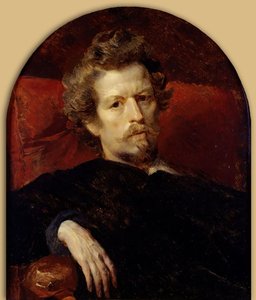
karl pavlovich bryullov
1799 - 1852 , Rusia
Datos clave
- Artistic Movement Or Style: Romanticismo
- Artists Who Influenced This Artist:
- Rafael Sanzio
- Miguel Ángel
- Caravaggio
- Date Of Birth: 12 diciembre 1799
- Date Of Death: 23 junio 1852
- Full Name: Karl Pavlovich Bryullov
- Nationality: Ruso
- Notable Artworks:
- El Último Día de Pompeya
- La Toma de la Vida de un Tsar
- La Defensa del Sepulcro
- Place Of Birth: San Petersburgo, Rusia
Artículos relacionados
Karl Bryullov: Romanticism's Dramatic Vision & Shaping Russian Historical Painting
Explore the dramatic world of Karl Bryullov, a pivotal figure in Russian Romanticism. Discover his masterpieces like 'The Last Day of Pompeii' and learn about his lasting influence on 19th-century art history.
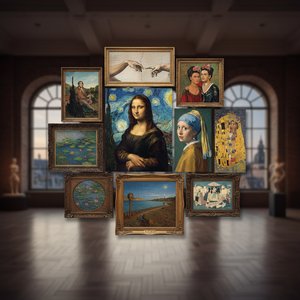
Las 10 Obras Maestras al Óleo que Revolucionaron la Historia del Arte |
Descubre las 10 obras maestras al óleo que transformaron la historia del arte. Explora Van Gogh, Monet, Da Vinci y más. Reproducciones de alta calidad para decorar tu hogar con elegancia. ¡Encuentra tu obra favorita en !

The Enduring Legacy of Oil on Canvas: Technique, History & Aesthetic Impact
Explore the rich history & techniques of oil painting – from Renaissance masters to Impressionism. Discover pigments, layering methods, and why this timeless medium endures. Expert insights for artists & art enthusiasts.

El Legado Duradero del Óleo sobre Lienzo: Técnica, Historia y Práctica Contemporánea
Descubre la historia y técnica del óleo sobre lienzo. Explora reproducciones fieles hechas a mano, personalización artística y consejos de expertos con .

El Óleo sobre Lienzo: Historia, Técnica y la Persistencia de un Medio Artístico Atemporal
Descubre la historia y técnica del óleo sobre lienzo. Explora reproducciones fieles hechas a mano, personalización artística y consejos de expertos con ArtsDot. ¡Colecciona arte con confianza!