

 Ver en contexto
 Enviar
 Compartir
 Detalles

 Descargar
 Similares
 Radiografía
 Presentación de diapositivas
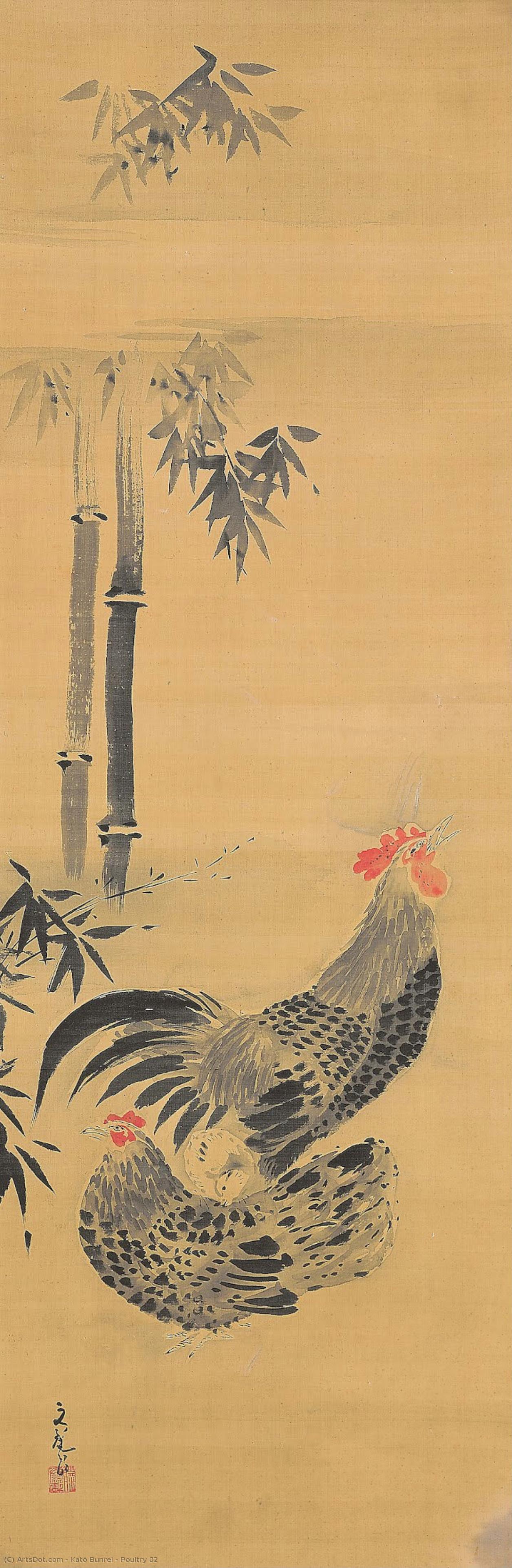
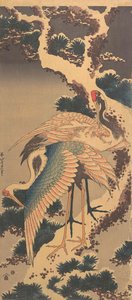
Poultry 02
 118.0 x 40.0 cm
 Ver más
Reproducción al óleo hecha a mano
Óleo sobre lienzo pintado a mano en el tamaño y marco de su elección, realizado por encargo por nuestros artistas. ( Comprar impresión Comprar imagen)




































Elija entre nuestros tamaños predefinidos que respetan las proporciones originales de la obra.

Puede ingresar sus propias dimensiones para adaptarse a un marco o espacio específico. Si el tamaño seleccionado no coincide con las proporciones de la imagen original, recortaremos la obra o extenderemos la pintura con elementos adicionales pintados a mano. Se le enviará una maqueta digital para su aprobación antes de comenzar la producción.
Tenga en cuenta que la vista previa en pantalla no refleja el recorte o la extensión reales. Solo la maqueta mostrará con precisión la composición final.
Si bien existen tamaños personalizados, recomendamos seleccionar una dimensión de la lista predefinida para preservar las proporciones originales.
Tras realizar el pedido, el equipo de ArtsDot.com enviará un correo electrónico al cliente para solicitar instrucciones y proporcionarle una vista previa del boceto.
Envío a todo el mundo () en 3-4 semanas en lugar de las 5 semanas estándar. (6 septiembre). Sin comprometer la calidad.

Envío exprés gratuito a todo el mundo

Lienzo de lino de alta calidad

Seguro de envío total

Garantía de reembolso de impuestos aduaneros

Garantía de fidelidad cromática exacta

Política de devolución de 100 días (solo por defectos)

Garantía de devolución del 100% del dinero

Descuento por cantidad
 La opción de vidrio solo está disponible en tamaños inferiores a 110 cm.

Poultry 02
Técnica de reproducción
Dimensiones de la reproducción
-


Precio total final
$ 263
Obras relacionadas




Biografía del artista
Katō Bunrei: The Poet Painter of Edo Japan
Katō Bunrei (1706-1782) stands as a singular figure in the annals of Edo period Japanese art, particularly celebrated for his distinctive style within buncho tani – a genre emphasizing atmospheric landscapes imbued with poetic contemplation. Born Yasuto in Tokyo, he adopted the artistic moniker Bunrei, signifying “pine spirit,” reflecting both his personal philosophy and the recurring motif dominating his oeuvre. Bunrei’s formative years were dedicated to mastering Sumi-e techniques under the guidance of Sessai Hiroaki, a revered Sumi-e master who instilled within him an unwavering appreciation for translating natural beauty into art through subtle brushstrokes and nuanced tonal variations. This profound influence would permeate Bunrei's entire artistic trajectory, shaping his approach to capturing emotion and conveying spiritual depth. The cornerstone of Bunrei’s artistic legacy resides in his groundbreaking exploration of buncho tani – “pine grove” landscapes. Rejecting the meticulous realism favored by many contemporaries, Bunrei prioritized conveying mood and feeling through layered washes of ink, creating ethereal vistas that resonated with sentiments of solitude, tranquility, and a yearning for transcendence. He sought not merely to depict what he saw but rather to evoke what he felt—a characteristic deeply rooted in Edo period literati ideals. Among Bunrei’s most enduring masterpieces are ‘Misty Landscape with Rainbow,’ a breathtaking depiction capturing the nascent glow of dawn and demonstrating his unparalleled mastery of tonal harmony. Similarly, ‘Hotei and Chinese Children’ exemplifies Bunrei's ability to imbue serene landscapes with symbolic resonance, referencing Buddhist principles of compassion and enlightenment—a testament to his artistic sensitivity and intellectual curiosity. His technique involved painstaking layering of ink washes, often utilizing multiple shades to generate remarkable depth and luminosity. He skillfully manipulated the brushstroke itself, employing delicate flicks and subtle gradations to convey texture and movement without resorting to excessive detail – a deliberate choice that distinguished him from many of his peers. Bunrei’s contribution solidified buncho tani as a pivotal element within Edo literati art—a movement devoted to capturing the sublime beauty of nature and fostering inner contemplation. His enduring influence continues to inspire artists today, cementing Katō Bunrei's position as one of Japan’s most influential landscape painters and ensuring his place in art history for generations to come.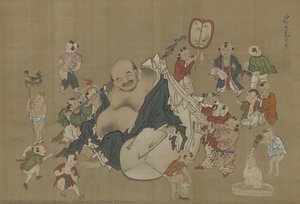
Katō Bunrei
1706 - 1782 , Japón
Datos clave
- Artistic Movement Or Style: Buncho tani
- Date Of Birth: Tokyo, Japón
- Date Of Death: 1782
- Full Name: katō bunrei
- Nationality: Japonés
- Notable Artworks:
- Misty Landscape with Rainbow
- Hotei and Chinese Children
- Place Of Birth: Tokio