

 Ver en contexto
 Enviar
 Compartir
 Detalles

 Descargar
 Similares
 Radiografía
 Presentación de diapositivas
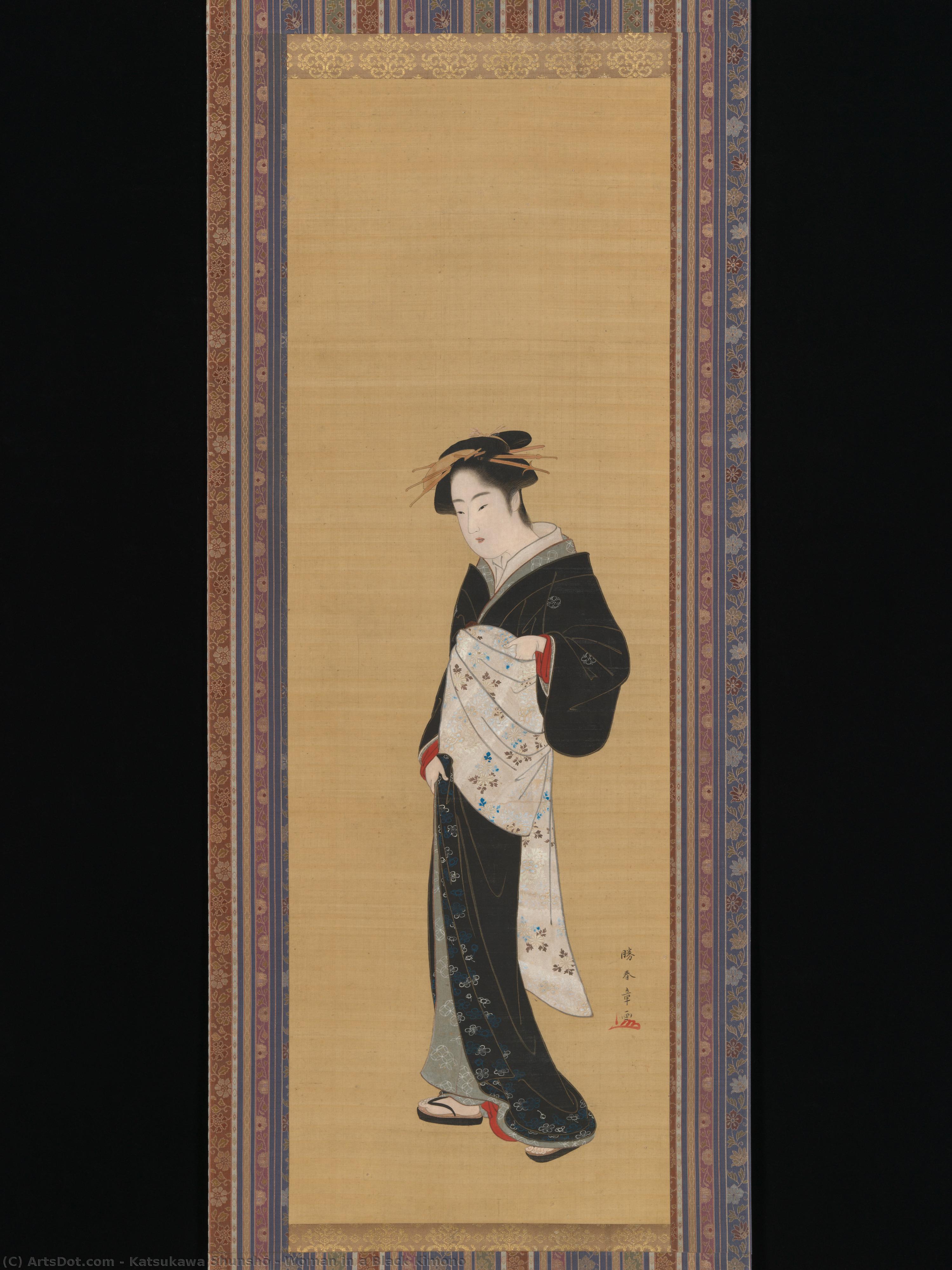
Woman in a Black Kimono
 1783
1783 85.0 x 29.0 cm
 Ver más
Reproducción al óleo hecha a mano
Óleo sobre lienzo pintado a mano en el tamaño y marco de su elección, realizado por encargo por nuestros artistas. ( Comprar impresión Comprar imagen)




































Elija entre nuestros tamaños predefinidos que respetan las proporciones originales de la obra.

Puede ingresar sus propias dimensiones para adaptarse a un marco o espacio específico. Si el tamaño seleccionado no coincide con las proporciones de la imagen original, recortaremos la obra o extenderemos la pintura con elementos adicionales pintados a mano. Se le enviará una maqueta digital para su aprobación antes de comenzar la producción.
Tenga en cuenta que la vista previa en pantalla no refleja el recorte o la extensión reales. Solo la maqueta mostrará con precisión la composición final.
Si bien existen tamaños personalizados, recomendamos seleccionar una dimensión de la lista predefinida para preservar las proporciones originales.
Tras realizar el pedido, el equipo de ArtsDot.com enviará un correo electrónico al cliente para solicitar instrucciones y proporcionarle una vista previa del boceto.
Envío a todo el mundo () en 3-4 semanas en lugar de las 5 semanas estándar. (5 septiembre). Sin comprometer la calidad.

Envío exprés gratuito a todo el mundo

Lienzo de lino de alta calidad

Seguro de envío total

Garantía de reembolso de impuestos aduaneros

Garantía de fidelidad cromática exacta

Política de devolución de 60 días (solo por defectos)

Garantía de devolución del 100% del dinero

Descuento por cantidad
 La opción de vidrio solo está disponible en tamaños inferiores a 110 cm.

Woman in a Black Kimono
Técnica de reproducción
Dimensiones de la reproducción
-


Precio total final
$ 263
Obras relacionadas










Biografía del artista
Katsukawa Shunshō: The Pioneer of Kabuki Portraiture
Katsukawa Shunshō (勝川 春章; 1726 – 19 January 1793) stands as a monumental figure in Japanese art history, recognized primarily for his transformative contribution to the ukiyo-e genre and specifically for establishing the Katsukawa school. Born into a family of artists—his father, Miyagawa Chōshun, was equally celebrated—Shunshō’s artistic journey began under the tutelage of Miyaagwa Shunsui, furthering the legacy of masterful Edo-period printmaking. Shunshō's impact transcends mere stylistic innovation; he fundamentally reshaped how kabuki actors were depicted, elevating them from secondary subjects to central figures worthy of monumental portraits.- Early Life and Training: Shunshō’s formative years saw him immersed in the traditions of haiku poetry and painting, laying the groundwork for his later artistic endeavors. He diligently honed his skills under Shunsui's guidance, absorbing techniques that would become hallmarks of the Katsukawa school’s distinctive aesthetic.
- The Birth of Yakusha-e: Shunshō irrevocably altered ukiyo-e conventions by pioneering yakusha-e—large-scale portraits of kabuki actors—a genre previously dominated by the Torii school. This bold decision signaled a decisive break from established artistic norms and ushered in an era of unprecedented realism and psychological depth within theatrical representations.
- Style and Technique: Shunshō’s style distinguished itself through meticulous attention to detail, masterful use of perspective, and innovative compositional arrangements. He championed the “long and narrow hashira-e” format, allowing for expansive depictions of actors' faces and expressions—a technique that profoundly impacted subsequent printmakers.
- Influence and Legacy: Shunshō’s influence extended far beyond his immediate contemporaries. He mentored artists like Shun’ei and Hokusai, fostering a vibrant artistic community and ensuring the continuation of his groundbreaking style. His legacy persists in the enduring beauty and psychological insight of countless yakusha-e prints that continue to captivate audiences worldwide.
Bijin-ga: Exploring Female Beauty Through Printmaking
While Shunshō’s fame rests largely on his yakusha-e achievements, he also produced a remarkable body of bijin-ga—images of beautiful women—that deserve considerable recognition. Scholars debate whether these paintings surpass the yakusha-e in artistic merit, arguing that Shunshō achieved unparalleled subtlety and nuance in capturing feminine grace and emotion. Notably, “Seirō Bijin Awase Sugata Kagami” (青楼美人合姿鏡), a collaborative project with Kitao Shigemasa, stands as one of the few surviving prints featuring bijin-ga by Shunshō—a testament to his versatility and artistic vision. The meticulous rendering of fabrics, hairstyles, and facial expressions exemplifies Shunshō’s dedication to portraying female beauty with breathtaking accuracy.Collaboration and Artistic Partnerships
Shunshō's creative spirit thrived in collaborative ventures, notably his partnership with Kitao Shigemasa on “Seirō Bijin Awase Sugata Kagami.” This ambitious project showcased Shunshō’s ability to synthesize diverse artistic influences—particularly lacquer techniques—resulting in a visually stunning book that cemented his reputation as a visionary innovator. Such collaborations underscored the importance of dialogue and exchange within the artistic landscape of Edo, fostering stylistic experimentation and enriching the cultural heritage of Japan.Notable Achievements & Recognition
Shunshō’s contribution to ukiyo-e is undeniable—he fundamentally redefined theatrical portraiture and elevated it to an art form worthy of scholarly contemplation. His pioneering use of realistic facial expressions and detailed depictions of actors' costumes established a new standard for artistic representation, influencing generations of printmakers who followed in his footsteps. Shunshō’s enduring legacy resides not only in the beauty of his artworks but also in their profound impact on Japanese visual culture.
katsukawa shunshō
1726 - 1793
Datos clave
- Artistic Movement Or Style: Ukiyo-e
- Artists Or Movements Influenced By This Artist: Takizawa Koryūsai II
- Artists Who Influenced This Artist: Miyagawa Shunsui
- Date Of Death: 1793
- Full Name: Katsukawa Shunshō
- Nationality: Japanese
- Notable Artworks:
- Courtesan Reading a Letter
- Woman in a Black Kimono
- Kabuki Actor Iwai Hanshirō IV as a Blind Man Danciing
- Place Of Birth: Tokyo

