

 Ver en contexto
 Enviar
 Compartir
 Detalles

 Descargar
 Similares
 Radiografía
 Presentación de diapositivas
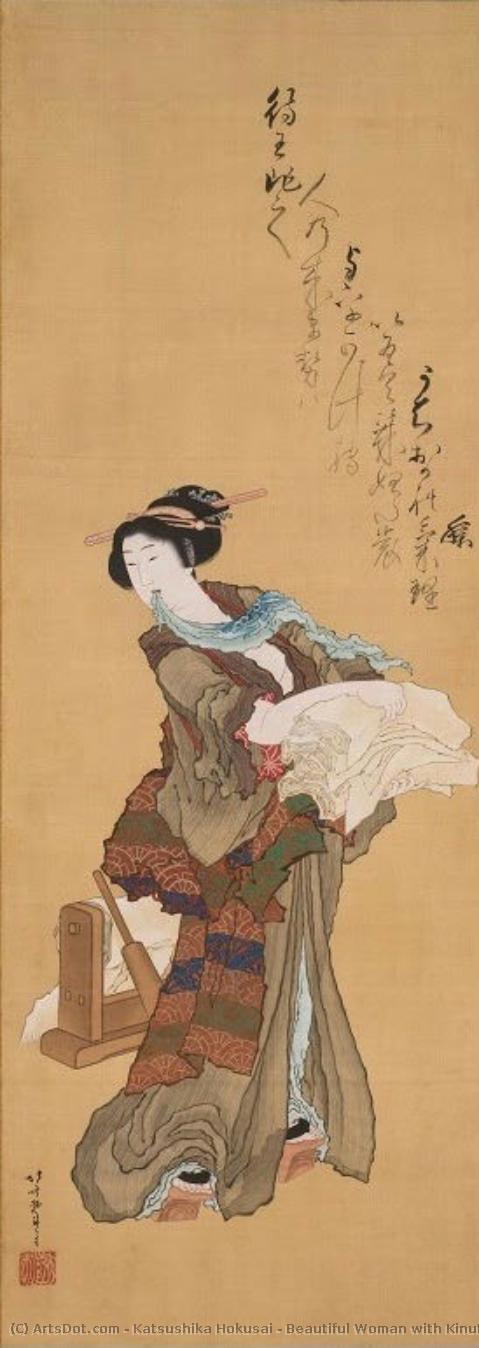
Beautiful Woman with Kinuta


 Ver más
Adquiera una imagen digital de alta resolución y optimizada, muy superior a la vista previa en línea.
Cada archivo es preparado meticulosamente por nuestros especialistas internos mediante el uso de herramientas avanzadas y un experto retoque manual. Nos aseguramos de que cada imagen posea una claridad excepcional, una precisión cromática impecable y un detalle minucioso.
El archivo final se entrega por correo electrónico en un plazo de 72 horas, optimizado para su uso inmediato en entornos profesionales, editoriales y de impresión. Esta es la misma calidad en la que confían los estudios de diseño, las editoriales y las galerías de primer nivel.
Imagen Digital
Descarga un archivo de alta resolución para exhibición personal, impresión y proyectos creativos. ( Comprar impresión Comprar pintura hecha a mano)
Incluido en cada pedido de imágenes digitales
Entrega digital experta, garantizada.
Al elegir ArtsDot.com, no solo está adquiriendo una imagen; está recibiendo una obra de arte digital mejorada profesionalmente, elaborada con precisión y respaldada por una garantía de satisfacción. Esto es todo lo que incluye su pedido, automáticamente:

Entrega rápida por email
Recibirá su archivo de imagen digital en alta resolución por correo electrónico en un plazo de 72 horas tras realizar su pedido, listo para su uso inmediato.

Archivo digital optimizado por IA
Su obra de arte se optimiza profesionalmente mediante herramientas avanzadas de IA y edición manual, garantizando el máximo detalle, claridad y precisión cromática.

Reenvío gratuito de por vida
¿Has borrado o perdido tu archivo por error? No te preocupes: te lo volveremos a enviar en cualquier momento, sin coste adicional.

Sin gastos de importación, siempre
Disfrute de su obra de arte al instante sin aduanas, aranceles ni gastos de envío; las descargas digitales siempre están libres de impuestos.

Garantía de fidelidad de color
Garantizamos que su imagen digital refleje los colores originales con la mayor fidelidad posible, mediante el uso de herramientas profesionales y gestión del color.

Garantía de satisfacción de 100 días
Si no está satisfecho con su imagen digital, la revisaremos o le reembolsaremos el 100% en un plazo de 100 días, sin preguntas.

100% Garantía de devolución de dinero
¿No está satisfecho? Obtenga un reembolso completo dentro de los 100 días posteriores a la recepción de su archivo digital, sin necesidad de explicaciones.

Descuentos por pedidos grandes
Compra 3 imágenes, ahorra 10% - Compra 5, ahorra 15% - Compra 10+, ahorra 20%. Ideal para proyectos creativos, galerías y agencias.
The Enigmatic Beauty of Hokusai’s “Beautiful Woman with Kinuta”
Katsushika Hokusai's "Beautiful Woman with Kinuta," a captivating woodblock print from the late Edo period (circa 1811-1812), transcends mere portraiture to become a poignant meditation on fleeting beauty, seasonal rhythms, and the quiet dignity of everyday life. Created during a period of significant social and artistic transformation in Japan, this work offers a rare glimpse into the sensibilities of a master artist grappling with themes of transience and the delicate balance between labor and leisure. The print’s enduring appeal lies not just in its exquisite detail but also in the subtle narrative it unfolds – a story whispered through gesture, expression, and the evocative use of color and texture.
The central figure, a woman of striking elegance, is presented in a moment of contemplative repose. She’s seated on what appears to be a simple wooden platform, her posture relaxed yet imbued with an undeniable grace. Her gaze is directed slightly off-center, suggesting a private reflection or perhaps a gentle acknowledgment of the viewer. Crucially, she holds a stack of cloth – “kinuta,” as the title indicates – in her hands, a tool traditionally used for smoothing and softening woven fabrics. This seemingly mundane object becomes symbolic, representing not just the labor of women but also the cyclical nature of life itself: preparation, rest, and renewal.
A Window into Edo Life and Artistic Techniques
Hokusai’s masterful technique is immediately apparent in the print's remarkable detail. The artist employs a meticulous approach to rendering textures – from the smooth silk of the woman’s kimono to the rough grain of the wooden platform. Notice, too, the subtle gradations of color achieved through Prussian blue and other pigments, creating a rich and atmospheric depth. The use of *bokashi*, a technique involving varying the density of ink to create tonal effects, adds further nuance to the image, particularly in depicting the folds of the fabric and the shadows cast by the kinuta. The composition itself is carefully balanced, drawing the eye across the scene with a deliberate rhythm.
- Style: Ukiyo-e – A genre characterized by its focus on everyday life, landscapes, and popular culture.
- Technique: Woodblock printing (bokashi, shading, layering of colors).
- Composition: Balanced, with a clear focal point on the woman and her kinuta.
Symbolism and Context within Edo Society
The “kinuta” itself is laden with symbolic weight. In Edo society, women were often associated with domestic labor, including the meticulous process of preparing fabrics for clothing. The image subtly challenges this stereotype by portraying a woman engaged in a moment of respite – a brief pause from her duties. Furthermore, the reference to "autumn" (implied through the kinuta) connects the scene to the seasonal cycle and evokes a sense of melancholy or nostalgia. Hokusai was known for his deep appreciation of nature and its rhythms, and this print reflects that sensibility.
The setting – a simple wooden platform – further emphasizes the contrast between the woman’s refined beauty and the austerity of her surroundings. It suggests a life lived modestly but with an awareness of aesthetic pleasure. The inclusion of the tool behind her hints at the duality of labor and leisure, a recurring theme in Japanese art.
A Legacy of Influence and Enduring Beauty
"Beautiful Woman with Kinuta" stands as a testament to Hokusai’s artistic genius and his profound understanding of human nature. It's a work that invites contemplation, prompting viewers to consider the beauty found in everyday moments and the delicate balance between labor and leisure. Its influence can be seen in subsequent generations of Japanese artists, and its aesthetic qualities continue to resonate with art lovers worldwide. Reproductions of this iconic print offer a tangible connection to a rich cultural heritage, bringing a touch of Edo elegance into any space.
Obras relacionadas
Biografía del artista
Katsushika Hokusai: Vida y Legado
Primeros Años y Formación
Katsushika Hokusai, nacido en Edo (actual Tokio), Japón alrededor del 31 de octubre de 1760, fue una figura clave en el mundo del arte japonés. Su vida temprana estuvo marcada por su padre, Nakajima Ise, un fabricante de espejos para el Shogun. Desde muy joven –se dice que a los seis años– Hokusai mostró aptitud para dibujar, probablemente aprendiendo habilidades fundamentales de su padre. Esta primera exposición desató una pasión vitalicia que definiría su trayectoria artística.
Desarrollo Artístico y Carrera
A la edad de doce años, Hokusai comenzó a trabajar en una librería y biblioteca, un entorno que fomentó su curiosidad intelectual y perfeccionó aún más sus habilidades. Al ochenta, ingresó al estudio de Katsukawa Shunshō, jefe de la escuela Katsukawa, especializada en *ukiyo-e* – grabados en madera que representan escenas de la vida cotidiana. Esto marcó un punto crucial, dando inicio a su prolífica carrera.
- Hokusai cambió frecuentemente sus nombres a lo largo de su vida, adoptando más de 30 pseudónimos diferentes. Esta práctica era común entre los artistas *ukiyo-e* y reflejaba períodos de reinvención artística.
- Inicialmente se enfocó en ilustraciones de libros, antes de expandirse a grabados individuales.
- Su obra temprana a menudo presentaba representaciones de actores, cortesanas y paisajes.
Logros Principales y Obras Notables
La producción artística de Hokusai fue notablemente diversa. Producio miles de grabados en madera, pinturas e ilustraciones de libros a lo largo de su carrera. Algunas de sus obras más celebradas incluyen:
- Trece Vistas del Monte Fuji (富嶽三十六景, Fugaku Sanjūroku-kei, c. 1831): Esta serie consolidó la fama de Hokusai, particularmente la icónica La Gran Ola de Kanagawa.
- Fuegos Artificiales en el Puente Ryōgoku (1790): Una obra innovadora que demostró su habilidad para capturar escenas dinámicas de la vida cotidiana.
- Hokusai Manga: Una colección de bocetos y estudios, mostrando una amplia gama de temas – personas, animales, paisajes – e influyendo en el desarrollo del manga como forma de arte.
Influencias y Estilo Artístico
Si bien profundamente arraigado en la estética tradicional japonesa, el estilo de Hokusai fue innovador y experimental. Se inspiró en:
- Tradiciones Ukiyo-e: Dominando las técnicas de grabado en madera y la representación temática.
- Pintura de paisajes china: Incorporando elementos de perspectiva y composición.
- Vida cotidiana en Edo: Capturando la energía y vitalidad de Japón urbano.
El estilo distintivo de Hokusai se caracteriza por líneas audaces, colores vibrantes, composiciones dinámicas y una aguda observación de la naturaleza. Era un maestro de la perspectiva y la utilizaba para crear escenas dramáticas e inmersivas.
Significado Histórico y Legado
La obra de Hokusai tuvo un impacto profundo en el arte occidental a finales del siglo XIX, coincidiendo con la tendencia *Japonismo*. Sus composiciones innovadoras, uso del color y temas cautivaron a los artistas europeos.
- Influencia en el Impresionismo: Artistas como Claude Monet, Edgar Degas y Vincent van Gogh se sintieron profundamente inspirados por su obra, particularmente sus paisajes y uso de la luz.
- Impacto en el Arte Moderno: Su influencia se extendió más allá del Impresionismo, dando forma al desarrollo de los movimientos artísticos modernos.
- Popularidad Duradera: Hoy en día, Hokusai sigue siendo uno de los artistas más celebrados de Japón, y sus obras son admiradas en todo el mundo por su belleza, arte y significado cultural.
Años Finales
Hokusai continuó pintando y creando hasta su muerte en 1849 a la edad de 89. Dejó atrás un vasto cuerpo de trabajo que continúa inspirando a artistas y entusiastas del arte hoy en día, consolidando su lugar como verdadero maestro de *ukiyo-e* y una figura significativa en la historia del arte.
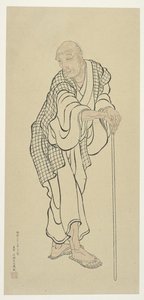
Katsushika Hokusai
1760 - 1849 , Japón
Breves datos
- Artistas Influenciados:
- Claude Monet
- Edgar Degas
- Vincent van Gogh
- Artistas Que Influyeron: ['Katsukawa Shunshō']
- Fecha De Muerte: 1849
- Fecha De Nacimiento: 31 de octubre de 1760
- Lugar De Nacimiento: Tokio, Japón
- Movimiento Artístico: Ukiyo-e
- Nacionalidad: Japonés
- Nombre Completo: Katsushika Hokusai
- Obras Notables:
- Vistas del Monte Fuji
- La Gran Ola de Kanagawa
- Hokusai Manga