 Ver en contexto
 Enviar
 Compartir
 Detalles

 Descargar
 Similares
 Radiografía
 Presentación de diapositivas
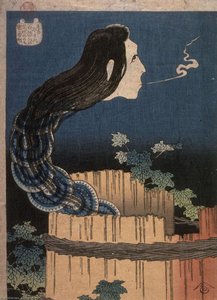
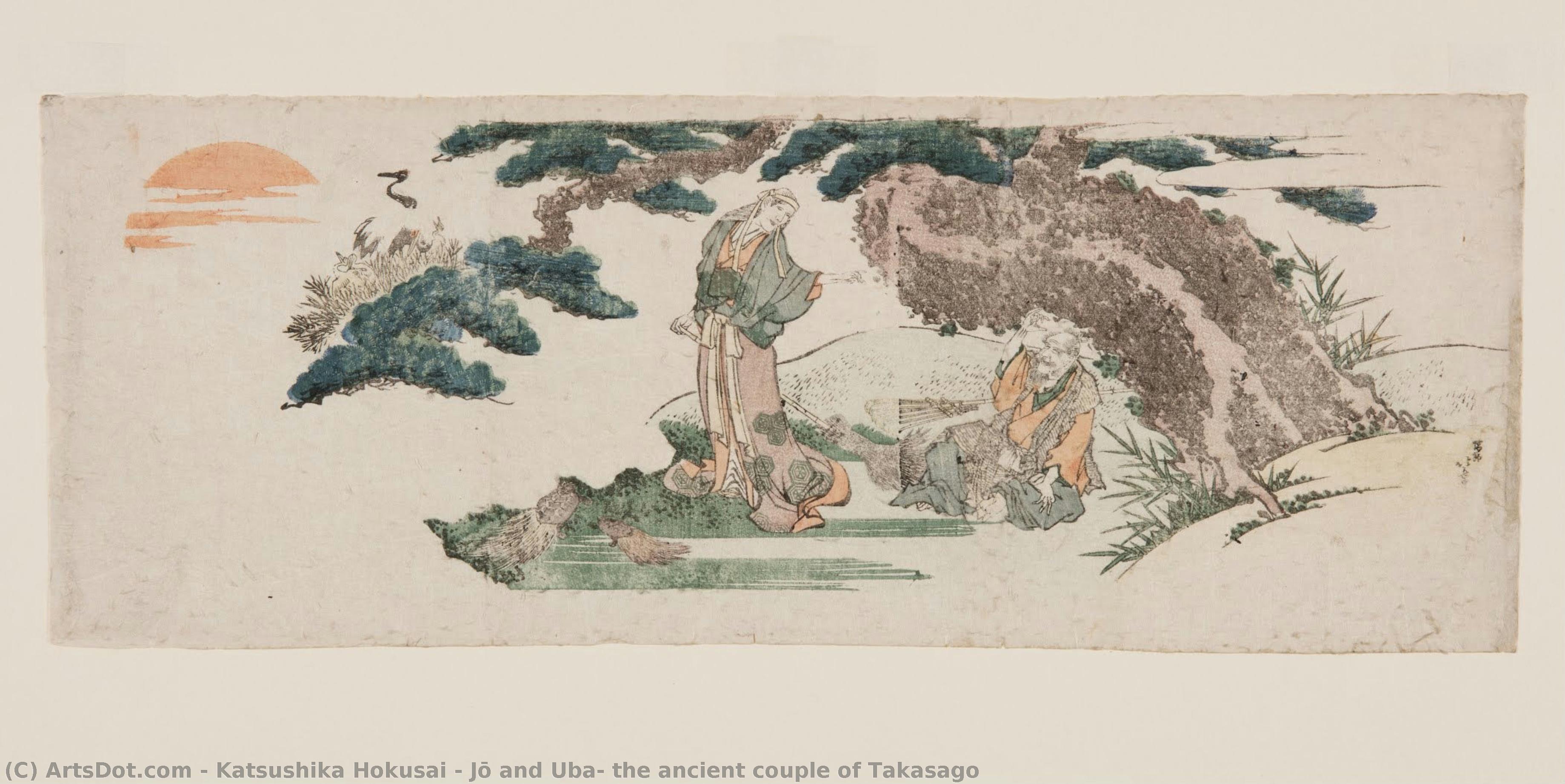
Jō and Uba, the ancient couple of Takasago


 Ver más
Reproducción al óleo hecha a mano
Óleo sobre lienzo pintado a mano en el tamaño y marco de su elección, realizado por encargo por nuestros artistas. ( Comprar impresión Comprar imagen)




P118B $10

P118H $10

P118W $10

P438Z $10

P508JH $12

P508YH $12

P805H $10

P805Z $10

P919BZ $10

P919G $10

P919XJ $10

P959ZH $10

P968JZ $12

W106C $8

W218G $10

W218JH $8

W218Y $10

W307PJ $10

W316G $10

W316PJ $8

W316Y $10

W398PJ $8

W4111J $10

W500HY $15

W500JH $15

W692G $12

W849H $8

W940BG $15

W953PJ $8




Elija entre nuestros tamaños predefinidos que respetan las proporciones originales de la obra.

Puede ingresar sus propias dimensiones para adaptarse a un marco o espacio específico. Si el tamaño seleccionado no coincide con las proporciones de la imagen original, recortaremos la obra o extenderemos la pintura con elementos adicionales pintados a mano. Se le enviará una maqueta digital para su aprobación antes de comenzar la producción.
Tenga en cuenta que la vista previa en pantalla no refleja el recorte o la extensión reales. Solo la maqueta mostrará con precisión la composición final.
Si bien existen tamaños personalizados, recomendamos seleccionar una dimensión de la lista predefinida para preservar las proporciones originales.
Tras realizar el pedido, el equipo de ArtsDot.com enviará un correo electrónico al cliente para solicitar instrucciones y proporcionarle una vista previa del boceto.
Envío a todo el mundo () en 3-4 semanas en lugar de las 5 semanas estándar. (4 septiembre). Sin comprometer la calidad.

Envío exprés gratuito a todo el mundo

Lienzo de lino de alta calidad

Seguro de envío total

Garantía de reembolso de impuestos aduaneros

Garantía de fidelidad cromática exacta

Política de devolución de 60 días (solo por defectos)

Garantía de devolución del 100% del dinero

Descuento por cantidad
 La opción de vidrio solo está disponible en tamaños inferiores a 110 cm.

Jō and Uba, the ancient couple of Takasago
Técnica de reproducción
Dimensiones de la reproducción
-


Precio total final
$ 263
A Window Into Edo: Hokusai’s “Jō and Uba, the Ancient Couple of Takasago”
Katsushika Hokusai's "Jō and Uba, the Ancient Couple of Takasago," a woodblock print from 1809, isn’t merely a depiction of two figures; it’s a poignant distillation of Japanese folklore and a masterful exploration of enduring themes. Created during the vibrant Edo period, this artwork offers a glimpse into the cultural values and spiritual beliefs that shaped Japan at the time – a world where harmony with nature and the sanctity of marriage were paramount. The print, rendered in Hokusai's signature bold lines and evocative use of color, transcends its simple subject matter to become a powerful meditation on longevity, contentment, and the beauty of shared existence.
The scene unfolds within a meticulously crafted landscape – a subtly undulating mountain range serves as a dramatic backdrop for the central figures. The couple, Jō and Uba, stand before this majestic vista, their postures relaxed and imbued with an air of quiet joy. Hokusai’s genius lies in his ability to convey emotion through gesture and composition. Notice how they face each other, their hands gently touching – a subtle yet profound symbol of connection and mutual respect. The inclusion of several smaller figures scattered throughout the scene adds depth and context, suggesting a lively community engaged in various activities, reinforcing the idea of a thriving and harmonious society.
The Myth Behind the Image: A Tale of Eternal Happiness
“Jō and Uba” is rooted in a traditional Japanese myth. Jō and Uba were an elderly couple who lived for centuries in Takasago, a village nestled at the foot of Mount Takamagahara. Their longevity wasn’t attributed to magic or divine intervention, but rather to their unwavering devotion to one another and their simple, contented lives. They represented the ideal of marital fidelity and the pursuit of happiness through shared experiences – a concept deeply ingrained in Japanese culture. The story served as a moral lesson, emphasizing the importance of loyalty, respect, and appreciating the blessings of everyday life.
Hokusai’s choice to depict this myth is significant. He wasn't simply illustrating a folk tale; he was elevating it through his artistic skill. By capturing the couple’s serene expressions and their connection with nature, Hokusai transformed a traditional narrative into a timeless image of human fulfillment. The mountain itself – Mount Takamagahara – holds immense symbolic weight in Japanese culture, representing eternity, spiritual enlightenment, and the divine realm.
Technique and Style: A Masterclass in Ukiyo-e
As with all of Hokusai’s work, “Jō and Uba” is a testament to his unparalleled mastery of ukiyo-e – the art of woodblock printing. The print utilizes Prussian blue pigment, a relatively new import from Europe at the time, which Hokusai skillfully employed to create rich, vibrant hues. The artist's meticulous attention to detail is evident in every stroke of the brush and every carefully rendered element of the landscape. The use of *kawanami* carving techniques – a method that allowed for greater precision and tonal variation – contributes to the print’s remarkable depth and texture.
Hokusai's signature style—characterized by bold outlines, dynamic compositions, and an expressive use of color—is fully on display here. He expertly balances realism with stylized elements, creating a work that is both visually engaging and emotionally resonant. The composition itself is carefully balanced, drawing the eye to the central figures while simultaneously immersing the viewer in the surrounding landscape.
A Timeless Resonance: Beyond Reproduction
“Jō and Uba, the Ancient Couple of Takasago” continues to captivate audiences centuries after its creation. Its enduring appeal lies not only in Hokusai’s artistic brilliance but also in its universal themes – love, longevity, harmony with nature, and the pursuit of happiness. When considering a reproduction, it's important to appreciate that no print can fully replicate the original’s tactile quality and nuanced color palette. However, a high-quality reproduction allows you to experience the beauty and serenity of this iconic artwork in your own home, serving as a constant reminder of the timeless values embodied within its captivating image.
Whether displayed in a traditional Japanese setting or incorporated into a contemporary interior design scheme, “Jō and Uba” offers a profound connection to Japan’s rich cultural heritage. It's more than just a print; it’s a window into the soul of a nation – a testament to the enduring power of art to inspire and uplift.
Obras relacionadas
Biografía del artista
Katsushika Hokusai: Vida y Legado
Primeros Años y Formación
Katsushika Hokusai, nacido en Edo (actual Tokio), Japón alrededor del 31 de octubre de 1760, fue una figura clave en el mundo del arte japonés. Su vida temprana estuvo marcada por su padre, Nakajima Ise, un fabricante de espejos para el Shogun. Desde muy joven –se dice que a los seis años– Hokusai mostró aptitud para dibujar, probablemente aprendiendo habilidades fundamentales de su padre. Esta primera exposición desató una pasión vitalicia que definiría su trayectoria artística.
Desarrollo Artístico y Carrera
A la edad de doce años, Hokusai comenzó a trabajar en una librería y biblioteca, un entorno que fomentó su curiosidad intelectual y perfeccionó aún más sus habilidades. Al ochenta, ingresó al estudio de Katsukawa Shunshō, jefe de la escuela Katsukawa, especializada en *ukiyo-e* – grabados en madera que representan escenas de la vida cotidiana. Esto marcó un punto crucial, dando inicio a su prolífica carrera.
- Hokusai cambió frecuentemente sus nombres a lo largo de su vida, adoptando más de 30 pseudónimos diferentes. Esta práctica era común entre los artistas *ukiyo-e* y reflejaba períodos de reinvención artística.
- Inicialmente se enfocó en ilustraciones de libros, antes de expandirse a grabados individuales.
- Su obra temprana a menudo presentaba representaciones de actores, cortesanas y paisajes.
Logros Principales y Obras Notables
La producción artística de Hokusai fue notablemente diversa. Producio miles de grabados en madera, pinturas e ilustraciones de libros a lo largo de su carrera. Algunas de sus obras más celebradas incluyen:
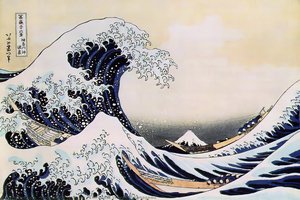
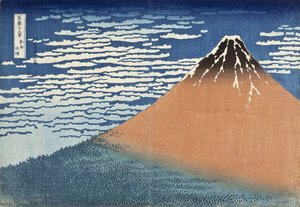
- Trece Vistas del Monte Fuji (富嶽三十六景, Fugaku Sanjūroku-kei, c. 1831): Esta serie consolidó la fama de Hokusai, particularmente la icónica La Gran Ola de Kanagawa.
- Fuegos Artificiales en el Puente Ryōgoku (1790): Una obra innovadora que demostró su habilidad para capturar escenas dinámicas de la vida cotidiana.
- Hokusai Manga: Una colección de bocetos y estudios, mostrando una amplia gama de temas – personas, animales, paisajes – e influyendo en el desarrollo del manga como forma de arte.
Influencias y Estilo Artístico
Si bien profundamente arraigado en la estética tradicional japonesa, el estilo de Hokusai fue innovador y experimental. Se inspiró en:
- Tradiciones Ukiyo-e: Dominando las técnicas de grabado en madera y la representación temática.
- Pintura de paisajes china: Incorporando elementos de perspectiva y composición.
- Vida cotidiana en Edo: Capturando la energía y vitalidad de Japón urbano.
El estilo distintivo de Hokusai se caracteriza por líneas audaces, colores vibrantes, composiciones dinámicas y una aguda observación de la naturaleza. Era un maestro de la perspectiva y la utilizaba para crear escenas dramáticas e inmersivas.
Significado Histórico y Legado
La obra de Hokusai tuvo un impacto profundo en el arte occidental a finales del siglo XIX, coincidiendo con la tendencia *Japonismo*. Sus composiciones innovadoras, uso del color y temas cautivaron a los artistas europeos.
- Influencia en el Impresionismo: Artistas como Claude Monet, Edgar Degas y Vincent van Gogh se sintieron profundamente inspirados por su obra, particularmente sus paisajes y uso de la luz.
- Impacto en el Arte Moderno: Su influencia se extendió más allá del Impresionismo, dando forma al desarrollo de los movimientos artísticos modernos.
- Popularidad Duradera: Hoy en día, Hokusai sigue siendo uno de los artistas más celebrados de Japón, y sus obras son admiradas en todo el mundo por su belleza, arte y significado cultural.
Años Finales
Hokusai continuó pintando y creando hasta su muerte en 1849 a la edad de 89. Dejó atrás un vasto cuerpo de trabajo que continúa inspirando a artistas y entusiastas del arte hoy en día, consolidando su lugar como verdadero maestro de *ukiyo-e* y una figura significativa en la historia del arte.
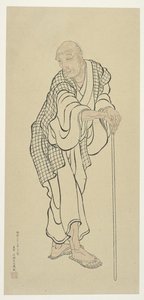
Katsushika Hokusai
1760 - 1849 , Japón
Datos clave
- Artistas Influenciados:
- Claude Monet
- Edgar Degas
- Vincent van Gogh
- Artistas Que Influyeron: ['Katsukawa Shunshō']
- Fecha De Muerte: 1849
- Fecha De Nacimiento: 31 de octubre de 1760
- Lugar De Nacimiento: Tokio, Japón
- Movimiento Artístico: Ukiyo-e
- Nacionalidad: Japonés
- Nombre Completo: Katsushika Hokusai
- Obras Notables:
- Vistas del Monte Fuji
- La Gran Ola de Kanagawa
- Hokusai Manga
Artículos relacionados

Katsushika Hokusai: Las 25 Obras Maestras del Ukiyo-e que Transformaron el Arte Japonés | ArtsDot
Descubre las 25 obras maestras de Katsushika Hokusai, el genio del ukiyo-e. Explora 'La Gran Ola', paisajes japoneses y su impacto en el arte moderno. Reproducciones de alta calidad para tu hogar en ArtsDot.com.
Ukiyo-e: Un Viaje al Corazón del Mundo Flotante Japonés y su Legado Artístico
Descubre el fascinante mundo del Ukiyo-e, el arte japonés del Período Edo. Explora las técnicas de grabado, los maestros Hokusai y Hiroshige, y su legado perdurable. ¡Un viaje cultural inolvidable!
The Enduring Legacy of Woodblock Printmaking: Technique, History & Artistic Expression
Explore the rich history of woodblock printmaking – from ancient techniques to Ukiyo-e masterpieces. Discover expert insights on collecting, preserving & appreciating this enduring art form.
Floating World: The Captivating Art and Legacy of Japanese Ukiyo-e
Explore the profound beauty of Japanese Ukiyo-e. Discover the history, masters like Hokusai, and the enduring legacy of the 'Floating World' through an expert art-historical lens.
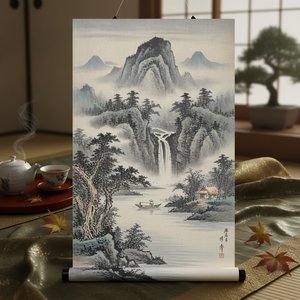
Serenity on Canvas: A Guide to the Timeless Beauty of Japanese Landscape Painting
Discover the serene beauty of Japanese landscape painting. From Hokusai's iconic woodblock prints to meditative sumi-e ink washes, explore a visual journey through the 'floating world' and learn how to bring this timeless Zen aesthetic into your modern home decor.