

 Ver en contexto
 Enviar
 Compartir
 Detalles

 Descargar
 Similares
 Radiografía
 Presentación de diapositivas
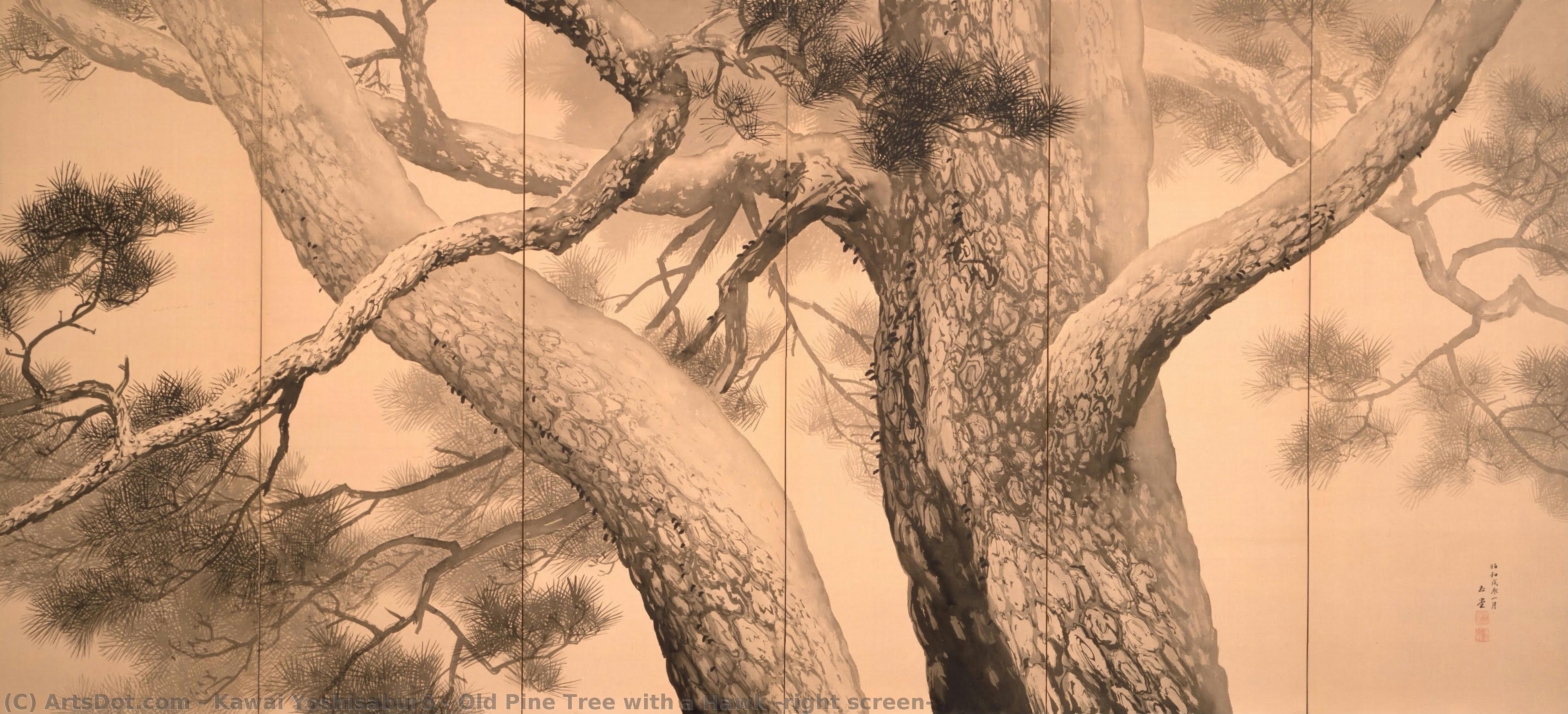
Old Pine Tree with a Hawk (right screen)
 1928
1928 171.0 x 372.0 cm
 Ver más
Adquiera una imagen digital de alta resolución y optimizada, muy superior a la vista previa en línea.
Cada archivo es preparado meticulosamente por nuestros especialistas internos mediante el uso de herramientas avanzadas y un experto retoque manual. Nos aseguramos de que cada imagen posea una claridad excepcional, una precisión cromática impecable y un detalle minucioso.
El archivo final se entrega por correo electrónico en un plazo de 72 horas, optimizado para su uso inmediato en entornos profesionales, editoriales y de impresión. Esta es la misma calidad en la que confían los estudios de diseño, las editoriales y las galerías de primer nivel.
Imagen Digital
Descarga un archivo de alta resolución para exhibición personal, impresión y proyectos creativos. ( Comprar impresión Comprar pintura hecha a mano)
Incluido en cada pedido de imágenes digitales
Entrega digital experta, garantizada.
Al elegir ArtsDot.com, no solo está adquiriendo una imagen; está recibiendo una obra de arte digital mejorada profesionalmente, elaborada con precisión y respaldada por una garantía de satisfacción. Esto es todo lo que incluye su pedido, automáticamente:

Entrega rápida por email
Recibirá su archivo de imagen digital en alta resolución por correo electrónico en un plazo de 72 horas tras realizar su pedido, listo para su uso inmediato.

Archivo digital optimizado por IA
Su obra de arte se optimiza profesionalmente mediante herramientas avanzadas de IA y edición manual, garantizando el máximo detalle, claridad y precisión cromática.

Reenvío gratuito de por vida
¿Has borrado o perdido tu archivo por error? No te preocupes: te lo volveremos a enviar en cualquier momento, sin coste adicional.

Sin gastos de importación, siempre
Disfrute de su obra de arte al instante sin aduanas, aranceles ni gastos de envío; las descargas digitales siempre están libres de impuestos.

Garantía de fidelidad de color
Garantizamos que su imagen digital refleje los colores originales con la mayor fidelidad posible, mediante el uso de herramientas profesionales y gestión del color.

Garantía de satisfacción de 100 días
Si no está satisfecho con su imagen digital, la revisaremos o le reembolsaremos el 100% en un plazo de 100 días, sin preguntas.

100% Garantía de devolución de dinero
¿No está satisfecho? Obtenga un reembolso completo dentro de los 100 días posteriores a la recepción de su archivo digital, sin preguntas.

Descuentos por pedidos grandes
Compra 3 imágenes, ahorra 10% - Compra 5, ahorra 15% - Compra 10+, ahorra 20%. Ideal para proyectos creativos, galerías y agencias.
Obras relacionadas




Biografía del artista
Kawai Yoshisaburō (Kawai Gyokudō): A Master of Seasonal Landscape Painting
Kawai Yoshisaburō, also known as Kawai Gyokudō, stands as a cornerstone of Japanese nihonga painting during the Meiji and Shōwa eras—a period characterized by transformative modernization intertwined with an unwavering commitment to safeguarding artistic traditions. Born November 24, 1873, in Ichinomiya City, Aichi Prefecture (now part of Nagoya Metropolitan Area), he descended from a lineage deeply rooted in papermaking and ink production—an upbringing that instilled within him an innate appreciation for craftsmanship and natural materials—elements which would indelibly shape his artistic worldview. Early Life and Artistic Foundations Gyokudō’s formal artistic education commenced at Gifu Jinji Kogakko Elementary School in 1887 where he diligently cultivated foundational skills before accepting enrollment into Mochizuki Gyokusen’s Kyoto school, adopting the moniker “Gyokusyu.” This formative experience under Kōno Bairei—a luminary championing Maruyama-shijo style—established his grounding in meticulous observation and realistic depiction of nature. Notably influenced by Western Impressionism, Gyokudō skillfully blended these techniques with the core tenets of nihonga—resulting in a distinctive aesthetic distinguished by vibrant color palettes and atmospheric perspective—a stylistic fusion that would define his oeuvre for decades to come. Career Trajectory and Artistic Mastery His artistic journey continued at Hashimoto Gahō’s Kanō school where he honed brushwork proficiency and compositional principles imbued with Chinese philosophical resonance—a deliberate choice reflecting Japan's historical engagement with Confucian ideals. Gyokudō’s prolific output centered predominantly on capturing the sublime beauty of Japanese landscapes during each season, portraying humans and animals harmoniously interwoven into their surroundings. Iconic works such as “Futsuka zuki” (“The New Moon”), depicting a serene winter vista bathed in moonlight; “Yuku haru” (“The Departing Spring”), conveying the poignant farewell of springtime blossoms; “Mine-no-yu” (“Evening at the Mountain Top”), capturing the tranquil stillness of twilight amidst towering peaks; and “Bosetsu” (“Snow in the Evening”), presenting a breathtaking panorama of snow-covered mountains under a dusky sky—became emblems of his artistic prowess. These paintings exemplify Gyokudō’s unwavering dedication to detail, masterful brushstrokes, and profound understanding of color theory—elements that elevate them beyond mere representations into expressions of emotion and spiritual contemplation. Recognition and Legacy Gyokudō's artistic accomplishments garnered considerable acclaim throughout his lifetime. He received the Region of Honor from the French government in 1931 recognizing his contribution to cultural exchange, followed by the Grand Officer Coulonne from Emperor Hirohito in June 1931—a testament to Japan’s diplomatic relations during the era. Furthermore, he was awarded the First Class Honorary Medal of the Red Cross by the German government in October 1933 acknowledging his humanitarian endeavors. In 1940, Gyokudō was honored with the Order of Culture by the Japanese Government reflecting his role as a respected artist and educator. His unwavering commitment to artistic excellence culminated in membership of the Imperial Academy of Fine Arts in June 1935—a prestigious institution that championed traditional Japanese art forms. Today, Kawai Gyokudō’s legacy persists not only in his breathtaking visual creations but also in his role as a teacher who nurtured the talents of subsequent generations of artists—inspiring them to embrace observation, sensitivity, and a deep communion with the natural world. His works are preserved at the Gyokudo Art Museum in Ōme, Tokyo—a sanctuary for admirers of his artistic vision.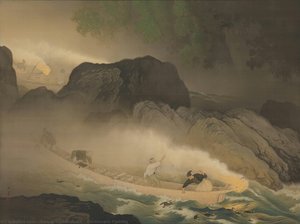
Kawai Gyokudō
1873 - 1957 , Japón
Breves datos
- Artistic Movement Or Style: Nihonga
- Artists Who Influenced This Artist:
- Kōno Bairei
- Hashimoto Gahō
- Date Of Birth: Noviembre 24, 1873
- Date Of Death: Junio 30, 1957
- Full Name: Kawai Yoshisaburō
- Nationality: Japón
- Notable Artworks:
- Futsuka zuki
- Yuku haru
- Mine-no-yu
- Bosetsu
- Place Of Birth: Ichinomiya Ciudad, Prefectura de Aichi