

 Ver en contexto
 Enviar
 Compartir
 Detalles

 Descargar
 Similares
 Radiografía
 Presentación de diapositivas
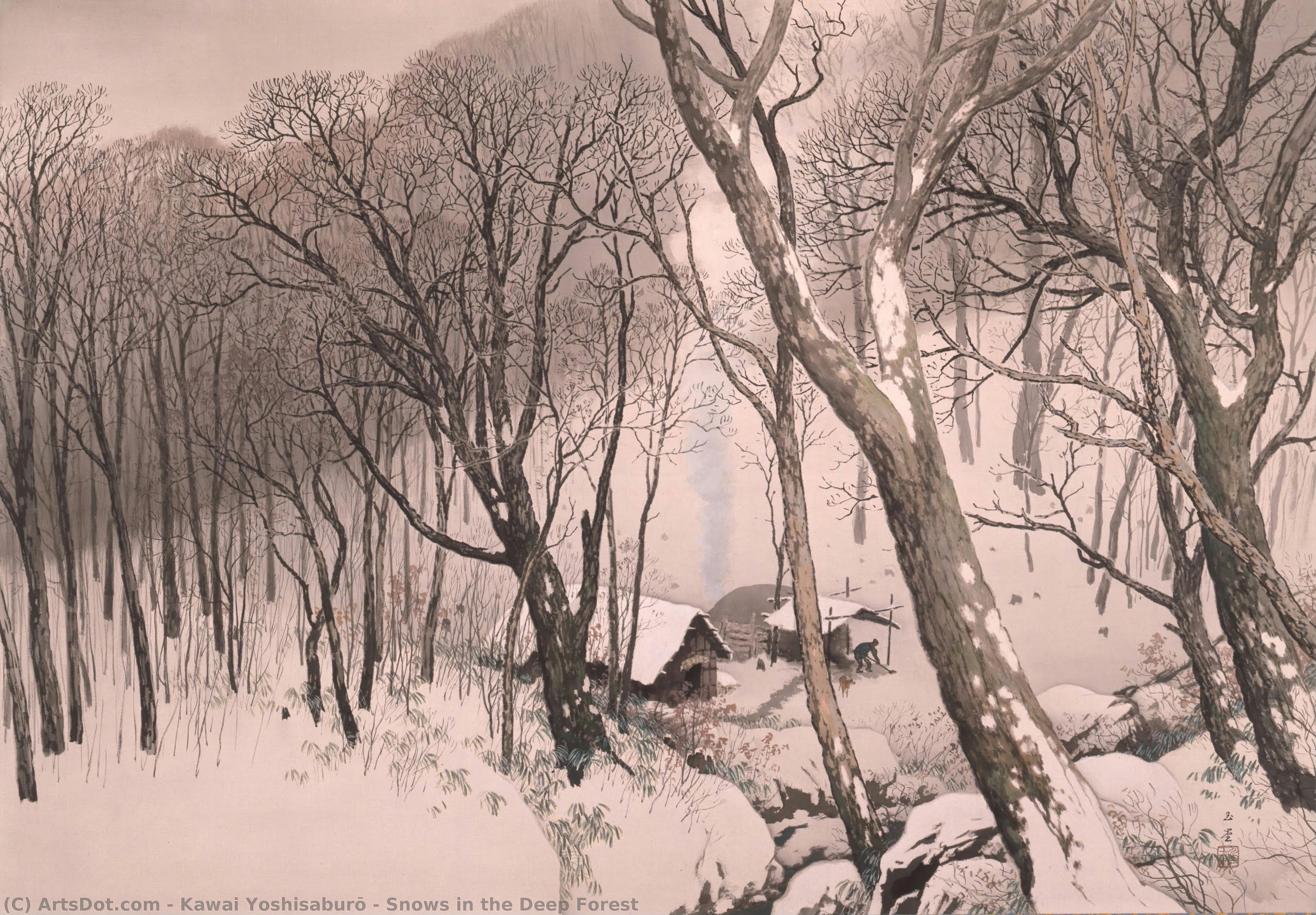
Snows in the Deep Forest
 1936
1936 102.0 x 147.0 cm
 Ver más
Giclée / Impresión de arte
Impresiones giclée o en lienzo de calidad de museo con producción rápida y opciones de acabado flexibles. ( Comprar pintura hecha a mano Comprar imagen)




































Elija entre nuestros tamaños predefinidos que respetan las proporciones originales de la obra.

Puede introducir sus propias dimensiones para adaptarse a un marco o espacio específico. Si el tamaño seleccionado no coincide con las proporciones de la imagen original, recortaremos la obra de arte o extenderemos la imagen con un borde con efecto espejo o de color sólido. Se enviará una maqueta digital para su aprobación antes de que comience la producción.
Tenga en cuenta que la vista previa en pantalla no refleja el recorte o la extensión real. Solo la maqueta mostrará con precisión la composición final.
Aunque existen tamaños personalizados, recomendamos seleccionar una dimensión de la lista predefinida para preservar las proporciones originales.
Envío a todo el mundo () en 2 semanas en lugar de las 4/5 semanas estándar. (7 septiembre)

Envío exprés gratuito a todo el mundo

Lienzo de lino de alta calidad

Seguro de envío total

Garantía de reembolso de impuestos aduaneros

Garantía de fidelidad cromática exacta

Política de devolución de 100 días (solo por defectos)

Garantía de devolución del 100% del dinero

Descuento por cantidad
 La opción de vidrio solo está disponible en tamaños inferiores a 110 cm.

Snows in the Deep Forest
Giclée / Impresión de arte
Dimensiones de la reproducción
-


Precio total final
$ 62
Obras relacionadas









Biografía del artista
Kawai Yoshisaburō (Kawai Gyokudō): A Master of Seasonal Landscape Painting
Kawai Yoshisaburō, also known as Kawai Gyokudō, stands as a cornerstone of Japanese nihonga painting during the Meiji and Shōwa eras—a period characterized by transformative modernization intertwined with an unwavering commitment to safeguarding artistic traditions. Born November 24, 1873, in Ichinomiya City, Aichi Prefecture (now part of Nagoya Metropolitan Area), he descended from a lineage deeply rooted in papermaking and ink production—an upbringing that instilled within him an innate appreciation for craftsmanship and natural materials—elements which would indelibly shape his artistic worldview. Early Life and Artistic Foundations Gyokudō’s formal artistic education commenced at Gifu Jinji Kogakko Elementary School in 1887 where he diligently cultivated foundational skills before accepting enrollment into Mochizuki Gyokusen’s Kyoto school, adopting the moniker “Gyokusyu.” This formative experience under Kōno Bairei—a luminary championing Maruyama-shijo style—established his grounding in meticulous observation and realistic depiction of nature. Notably influenced by Western Impressionism, Gyokudō skillfully blended these techniques with the core tenets of nihonga—resulting in a distinctive aesthetic distinguished by vibrant color palettes and atmospheric perspective—a stylistic fusion that would define his oeuvre for decades to come. Career Trajectory and Artistic Mastery His artistic journey continued at Hashimoto Gahō’s Kanō school where he honed brushwork proficiency and compositional principles imbued with Chinese philosophical resonance—a deliberate choice reflecting Japan's historical engagement with Confucian ideals. Gyokudō’s prolific output centered predominantly on capturing the sublime beauty of Japanese landscapes during each season, portraying humans and animals harmoniously interwoven into their surroundings. Iconic works such as “Futsuka zuki” (“The New Moon”), depicting a serene winter vista bathed in moonlight; “Yuku haru” (“The Departing Spring”), conveying the poignant farewell of springtime blossoms; “Mine-no-yu” (“Evening at the Mountain Top”), capturing the tranquil stillness of twilight amidst towering peaks; and “Bosetsu” (“Snow in the Evening”), presenting a breathtaking panorama of snow-covered mountains under a dusky sky—became emblems of his artistic prowess. These paintings exemplify Gyokudō’s unwavering dedication to detail, masterful brushstrokes, and profound understanding of color theory—elements that elevate them beyond mere representations into expressions of emotion and spiritual contemplation. Recognition and Legacy Gyokudō's artistic accomplishments garnered considerable acclaim throughout his lifetime. He received the Region of Honor from the French government in 1931 recognizing his contribution to cultural exchange, followed by the Grand Officer Coulonne from Emperor Hirohito in June 1931—a testament to Japan’s diplomatic relations during the era. Furthermore, he was awarded the First Class Honorary Medal of the Red Cross by the German government in October 1933 acknowledging his humanitarian endeavors. In 1940, Gyokudō was honored with the Order of Culture by the Japanese Government reflecting his role as a respected artist and educator. His unwavering commitment to artistic excellence culminated in membership of the Imperial Academy of Fine Arts in June 1935—a prestigious institution that championed traditional Japanese art forms. Today, Kawai Gyokudō’s legacy persists not only in his breathtaking visual creations but also in his role as a teacher who nurtured the talents of subsequent generations of artists—inspiring them to embrace observation, sensitivity, and a deep communion with the natural world. His works are preserved at the Gyokudo Art Museum in Ōme, Tokyo—a sanctuary for admirers of his artistic vision.
Kawai Gyokudō
1873 - 1957 , Japón
Datos clave
- Artistic Movement Or Style: Nihonga
- Artists Who Influenced This Artist:
- Kōno Bairei
- Hashimoto Gahō
- Date Of Birth: Noviembre 24, 1873
- Date Of Death: Junio 30, 1957
- Full Name: Kawai Yoshisaburō
- Nationality: Japón
- Notable Artworks:
- Futsuka zuki
- Yuku haru
- Mine-no-yu
- Bosetsu
- Place Of Birth: Ichinomiya Ciudad, Prefectura de Aichi