 Ver en contexto
 Enviar
 Compartir
 Detalles

 Descargar
 Similares
 Radiografía
 Presentación de diapositivas
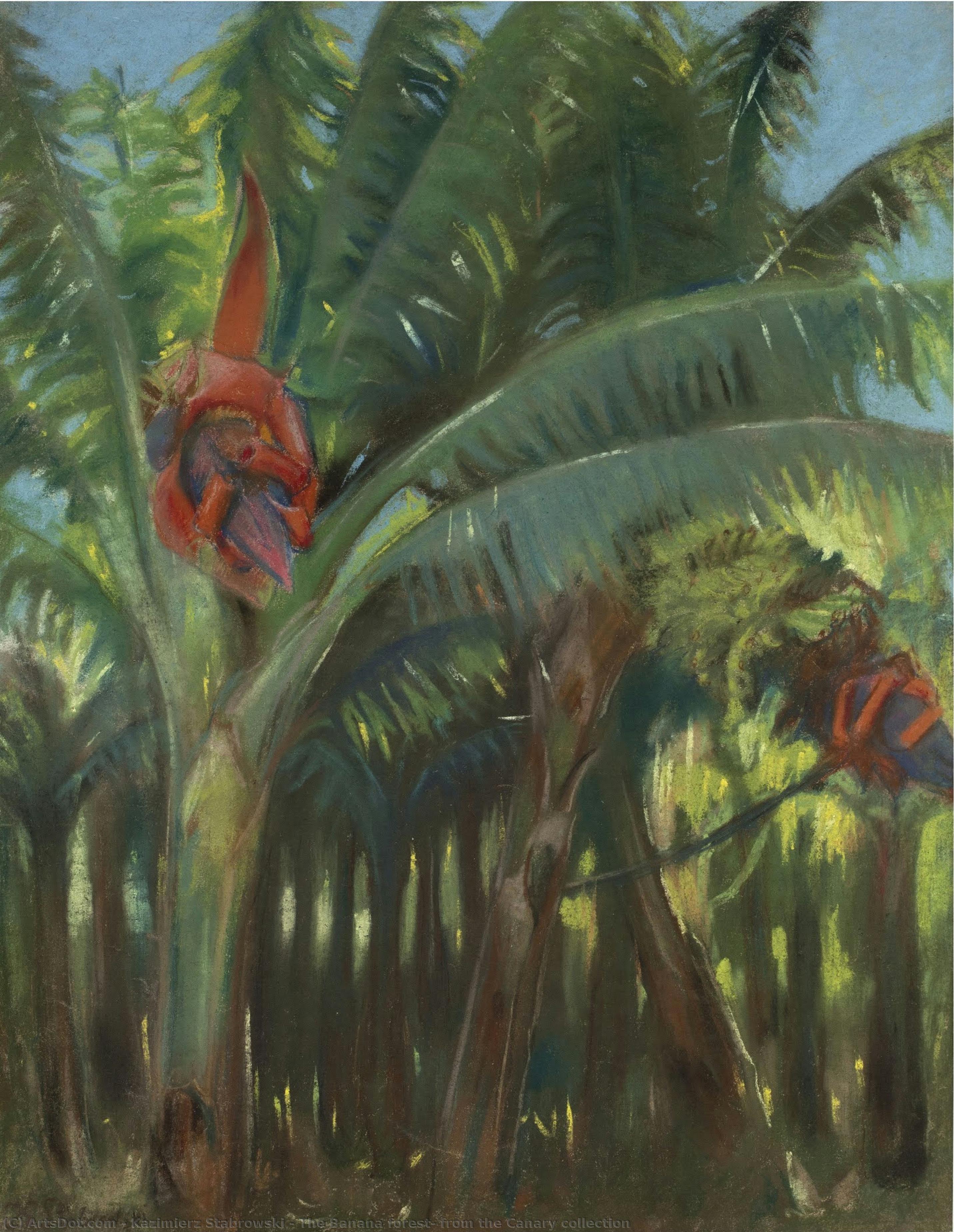
The Banana forest, from the Canary collection
 Pastel
- Symbolism
 1913
1913- Modern
 63.0 x 51.0 cm
 Fondo de Arte Lituano
 Ver más
Reproducción al óleo hecha a mano
Óleo sobre lienzo pintado a mano en el tamaño y marco de su elección, realizado por encargo por nuestros artistas. ( Comprar impresión Comprar imagen)




P118B $10

P118H $10

P118W $10

P438Z $10

P508JH $12

P508YH $12

P805H $10

P805Z $10

P919BZ $10

P919G $10

P919XJ $10

P959ZH $10

P968JZ $12

W106C $8

W218G $10

W218JH $8

W218Y $10

W307PJ $10

W316G $10

W316PJ $8

W316Y $10

W398PJ $8

W4111J $10

W500HY $15

W500JH $15

W692G $12

W849H $8

W940BG $15

W953PJ $8




Elija entre nuestros tamaños predefinidos que respetan las proporciones originales de la obra.

Puede ingresar sus propias dimensiones para adaptarse a un marco o espacio específico. Si el tamaño seleccionado no coincide con las proporciones de la imagen original, recortaremos la obra o extenderemos la pintura con elementos adicionales pintados a mano. Se le enviará una maqueta digital para su aprobación antes de comenzar la producción.
Tenga en cuenta que la vista previa en pantalla no refleja el recorte o la extensión reales. Solo la maqueta mostrará con precisión la composición final.
Si bien existen tamaños personalizados, recomendamos seleccionar una dimensión de la lista predefinida para preservar las proporciones originales.
Tras realizar el pedido, el equipo de ArtsDot.com enviará un correo electrónico al cliente para solicitar instrucciones y proporcionarle una vista previa del boceto.
Envío a todo el mundo () en 3-4 semanas en lugar de las 5 semanas estándar. (24 agosto). Sin comprometer la calidad.

Envío exprés gratuito a todo el mundo

Lienzo de lino de alta calidad

Seguro de envío total

Garantía de reembolso de impuestos aduaneros

Garantía de fidelidad cromática exacta

Política de devolución de 60 días (solo por defectos)

Garantía de devolución del 100% del dinero

Descuento por cantidad
 La opción de vidrio solo está disponible en tamaños inferiores a 110 cm.

The Banana forest, from the Canary collection
Técnica de reproducción
Dimensiones de la reproducción
-


Precio total final
$ 263
Descripción de la obra
A Tropical Vision in Pastel
In the delicate, textured strokes of Kazimierz Stabrowski’s "The Banana Forest," we are transported far from the temperate landscapes of Europe into a lush, primordial dreamscape. Created in 1913 as part of his evocative Canary collection, this pastel masterpiece serves as more than just a botanical study; it is a window into an exotic voyage, capturing the very essence of a tropical paradise. The artwork breathes with the vitality of a living jungle, where the graceful, sweeping curves of palm trees meet the heavy, sun-drenched weight of ripening banana bunches. Through his masterful use of pastel, Stabrowski achieves a luminous quality that allows the colors to shift and dance under varying lights, mimicking the dappified sunlight that filters through a dense forest canopy.
The composition is a breathtaking balance of botanical precision and mystical atmosphere. At first glance, the viewer is greeted by the rhythmic repetition of banana blossoms and the vibrant, verdant greens that define the scene. Yet, as the eye wanders deeper into the foliage, a sense of enchantment takes hold. A solitary bird, perched quietly amidst the leaves, introduces a singular moment of life and stillness, acting as a silent witness to the majesty of the forest. This subtle detail elevates the work from a mere documentary of nature to a piece of Symbolist storytelling, where every element feels imbued with a quiet, spiritual significance.
Symbolism and the Artist's Soul
To understand "The Banana Forest," one must look toward the soul of its creator. Kazimierz Stabrowski was not merely a painter of landscapes; he was a profound thinker, a founder of the Theosophical Society in Poland, and a man deeply invested in the unseen realms of spirituality and the occult. This fascination with the mystical is woven into the very fabric of this painting. While the subject matter is undeniably exotic and decorative, there is an underlying shade of fantasy—a dreamlike quality that pushes the boundaries of reality. The lush greenery and bright blossoms do not just represent flora; they evoke a sense of primordial wonder and the eternal cycle of life.
The historical context of the work adds another layer of prestige for the discerning collector. Having been exhibited in the great cultural hubs of Warsaw, Petrograd, and Moscow during the early 20th century, this piece carries the weight of European art history. It represents a moment in time when Symbolism was at its zenith, blending the romanticism of nature with the burgeoning interest in psychological and spiritual depth. For those who appreciate art that speaks to the subconscious, Stabrowski’s ability to blend the tangible beauty of the natural world with the intangible whispers of a dream is truly unparalleled.
An Elegant Addition to Sophisticated Interiors
For interior designers and collectors of fine art reproductions, "The Banana Forest" offers an extraordinary opportunity to introduce a sense of movement, color, and exotic luxury into a space. The painting’s sophisticated palette—characterized by deep greens, bright yellows, and soft, earthy tones—makes it a versatile centerpiece capable of anchoring a room. Whether placed in a sunlit morning room to enhance a feeling of freshness or in a more dimly lit, formal study to evoke a sense of mystery, the work commands attention through its intricate detail and emotive power.
Owning a high-quality reproduction of this work allows one to possess a fragment of Stabrowski’s visionary world. The texture of the pastel medium, captured with precision, provides a tactile richness that invites close inspection. It is an ideal choice for those seeking to create a sanctuary within their homes—a place where the boundaries between the domestic and the wild dissolve, and where the lush, tranquil beauty of a tropical forest can be experienced every single day.
Obras relacionadas
Biografía del artista
Kazimierz Stabrowski (1869-1929): A Dreamer of Symbolism
Kazimierz Stabrowski, a luminary of Polish art and philosophy, was born in Kruglany near Nowogródek, Belarus, on November 21, 1869. His familial roots lay deep within the Polish landed gentry (*ziemiaństwo*), shaping his worldview and fostering an appreciation for tradition alongside intellectual curiosity. From a young age, Stabrowski demonstrated exceptional artistic talent, propelling him toward intensive studies at Białystok’s Real School before embarking on a formative journey to St Petersburg's Imperial Academy of Arts in 1887. There, under the tutelage of Pavel Chistyakov and later Ilya Repin, he honed his skills and absorbed the stylistic nuances of Russian academic painting—a crucial step in establishing his artistic identity.Artistic Style and Notable Works
Stabrowski’s oeuvre is instantly recognizable for its ethereal beauty and profound symbolic depth. He eschewed mere representation, opting instead to distill emotion and spiritual contemplation into meticulously crafted landscapes and portraits. His magnum opus, *The Snow Maiden* (1891), exemplifies this distinctive approach—a haunting tableau imbued with melancholic grace and capturing the essence of folklore and myth. The painting’s delicate pastel hues and evocative composition continue to resonate with audiences today, cementing Stabrowski's place as a pioneer of Symbolist art in Poland. Beyond *The Snow Maiden*, Stabrowski produced numerous other masterpieces, including *Rome. Fontana Dei Cavalli Marini* (1896), which showcased his mastery of monumental scale and dramatic lighting—a testament to his ambition and artistic vision.Founding the Theosophical Society in Poland
Stabrowski’s artistic pursuits were inextricably linked to his intellectual passions, particularly his fascination with Eastern mysticism and occultism. Recognizing the burgeoning interest in these esoteric traditions within Polish society, he spearheaded the establishment of the first lodges of the Theosophical Society in Poland in 1897—a bold initiative that cemented his reputation as a visionary thinker and social reformer. This endeavor reflected Stabrowski’s belief in the interconnectedness of art and spirituality, arguing that creative expression could illuminate hidden truths and foster profound personal transformation. He served as Secretary of the Warsaw Theosophical Society until 1908, actively promoting its principles and engaging in scholarly debates concerning metaphysical concepts.Academic Career and Artistic Legacy
Stabrowski’s dedication to artistic education profoundly impacted the trajectory of Polish art history. He became director of the Academy of Fine Arts in Warsaw from 1904 until 1909, nurturing a new generation of artists—including Mikalojus Konstantinas Čiurlionis—and shaping the aesthetic sensibilities of his time. His influence extended beyond pedagogical endeavors; he served as a juror at prestigious exhibitions and championed innovative artistic approaches. Stabrowski’s paintings were celebrated internationally, earning acclaim for their technical brilliance and expressive power. Pieces like *Vision I–III* (Sketches for Annunciation) exemplify his ability to convey complex emotions through subtle visual cues—a hallmark of his distinctive style. His legacy continues to inspire artists and scholars alike, ensuring that Kazimierz Stabrowski’s contribution to Polish art remains eternally cherished.Selected Works
- Snow Maiden (1891): Lithuanian Art Fund, Vilnius
- Rome. Fontana Dei Cavalli Marini: Private Collection
- White Night in Petersburg: Musée d’Orsay
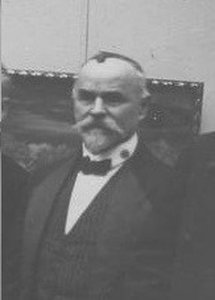
Kazimierz Stabrowski
1869 - 1929 , Belarus
Datos clave
- Artistic Movement Or Style: Symbolism
- Artists Who Influenced This Artist:
- Gustav Klimt
- Jean Sibelius
- Date Of Birth: November 21, 1869
- Date Of Death: June 10, 1929
- Full Name: Kazimierz Stabrowski
- Nationality: Polish
- Notable Artworks:
- Snow Maiden
- Trees
- Place Of Birth: Kruplyany, Belarus
Artículos relacionados

La Sutileza del Pastel: Técnica, Historia y Resonancia Emocional en el Arte
Descubre la sutileza del pastel: técnica, historia y artistas clave como Degas y Renoir. Guías expertas sobre materiales, conservación y cómo expresar emociones a través de este bello arte.
Feathered Visions: A Historical & Artistic Exploration of Birds in Painting
Explore the rich history of birds in painting! Discover symbolism, artistic movements & master artists like Audubon. High-quality reproductions available at ArtsDot.

The Subdued Radiance of Pastel: Exploring Nuance & Emotion in Art
Explore the nuanced world of pastel art! Discover its history, techniques & emotional power with expert insights from ArtsDot.com. Find museum-quality reproductions and learn about collecting this delicate medium.
The Subdued Radiance of Pastel Palettes: Exploring Emotional Resonance in Art History
Explore the emotional power of pastel palettes in art history! Discover Impressionism, Post-Impressionism & color psychology insights. Find museum-quality reproductions at ArtsDot.

The Subdued Radiance of Pastel Palettes: Exploring Emotional Resonance in Art History
Explore the emotional power of pastel palettes in art history! Discover Impressionism, Post-Impressionism & color psychology insights. Find museum-quality reproductions at ArtsDot.