 Ver en contexto
 Enviar
 Compartir
 Detalles

 Descargar
 Similares
 Radiografía
 Presentación de diapositivas
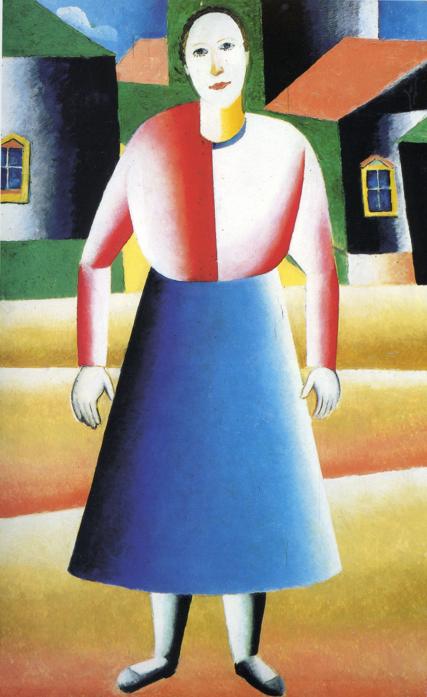
Girl in the Country


 Ver más
Reproducción al óleo hecha a mano
Óleo sobre lienzo pintado a mano en el tamaño y marco de su elección, realizado por encargo por nuestros artistas. ( Comprar impresión Comprar imagen)




P118B $10

P118H $10

P118W $10

P438Z $10

P508JH $12

P508YH $12

P805H $10

P805Z $10

P919BZ $10

P919G $10

P919XJ $10

P959ZH $10

P968JZ $12

W106C $8

W218G $10

W218JH $8

W218Y $10

W307PJ $10

W316G $10

W316PJ $8

W316Y $10

W398PJ $8

W4111J $10

W500HY $15

W500JH $15

W692G $12

W849H $8

W940BG $15

W953PJ $8




Elija entre nuestros tamaños predefinidos que respetan las proporciones originales de la obra.

Puede ingresar sus propias dimensiones para adaptarse a un marco o espacio específico. Si el tamaño seleccionado no coincide con las proporciones de la imagen original, recortaremos la obra o extenderemos la pintura con elementos adicionales pintados a mano. Se le enviará una maqueta digital para su aprobación antes de comenzar la producción.
Tenga en cuenta que la vista previa en pantalla no refleja el recorte o la extensión reales. Solo la maqueta mostrará con precisión la composición final.
Si bien existen tamaños personalizados, recomendamos seleccionar una dimensión de la lista predefinida para preservar las proporciones originales.
Tras realizar el pedido, el equipo de ArtsDot.com enviará un correo electrónico al cliente para solicitar instrucciones y proporcionarle una vista previa del boceto.
Envío a todo el mundo () en 3-4 semanas en lugar de las 5 semanas estándar. (3 septiembre). Sin comprometer la calidad.

Envío exprés gratuito a todo el mundo

Lienzo de lino de alta calidad

Seguro de envío total

Garantía de reembolso de impuestos aduaneros

Garantía de fidelidad cromática exacta

Política de devolución de 60 días (solo por defectos)

Garantía de devolución del 100% del dinero

Descuento por cantidad
 La opción de vidrio solo está disponible en tamaños inferiores a 110 cm.

Girl in the Country
Técnica de reproducción
Dimensiones de la reproducción
-


Precio total final
$ 263
A Window into Suprematism’s Quiet Elegance
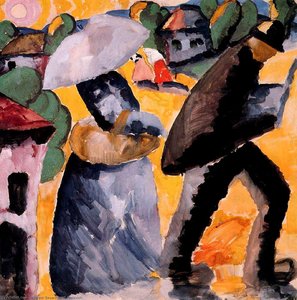
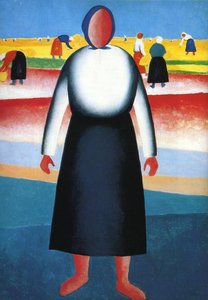
In the vast, often turbulent history of the twentieth-century avant-garde, Kazimir Malevich’s "Girl in the Country" (1929) emerges as a profound moment of stillness. While much of the era was defined by the explosive, fractured energy of Cubism or the mechanical frenzy of Futurism, this masterpiece offers a different kind of radicalism—one rooted in the understated power of Neo-Suprematism. It is a work that invites the viewer to step away from the noise of the modern world and enter a realm of pure contemplation. Here, Malevich does not merely depict a scene; he distills the very essence of existence into a language of color and geometry, creating an atmosphere that feels simultaneously grounded in the earth and elevated by the spirit.
The painting presents a deceptively simple composition that serves as a masterclass in visual balance. At its heart stands a woman, her figure positioned with a central prominence that commands attention without demanding it. Clad in a serene blue dress, she stands with arms crossed in a gesture of quiet introspection and composure. Behind her, the landscape is not rendered through traditional textures or naturalistic contours, but through a meticulous arrangement of overlapping rectangles and squares. A building with a striking red roof acts as a visual anchor, providing a sense of structural stability to the scene. This reductionist technique—transforming a rural setting into a rhythmic dance of shapes—is characteristic of Malevich’s genius, allowing him to bypass mere sensory perception to reach a deeper, more spiritual level of consciousness.
The Language of Color and Symbolism
Beyond its geometric structure, "Girl in the Country" is imbued with a profound symbolic weight that resonates long after the first glance. The palette is dominated by the warm, vibrant interplay of red and yellow, colors that carry deep spiritual connotations within the Suprematist philosophy. In this context, red often symbolizes divine energy and life force, while the golden hues of yellow evoke a sense of light and transcendence. These colors do not just decorate the canvas; they breathe life into the geometric forms, turning a flat arrangement of shapes into an emotive landscape of feeling.
The figure of the woman herself serves as a bridge between the abstract and the human. Often interpreted as a symbol of femininity, nurturing, and the enduring strength of nature, her stillness mirrors the tranquility of the geometric world around her. Even the presence of smaller, distant figures in the background adds a layer of narrative depth, suggesting a larger, interconnected ecosystem of life existing within this structured universe. For the collector or the interior designer, this painting offers more than just aesthetic beauty; it provides a focal point of meditative calm, making it an ideal centerpiece for spaces designed for reflection and intellectual engagement.
A Timeless Legacy for Modern Spaces
To possess a reproduction of "Girl in the Country" is to bring a piece of art history’s most radical revolution into the contemporary home. Malevich’s ability to strip away the "mask" of reality to reveal the skeletal truth underneath remains one of the most significant achievements in modern art. The painting’s clean lines, bold color blocks, and balanced composition make it an incredibly versatile choice for a variety of interior styles—from the minimalist and contemporary to the eclectic and mid-century modern.
Whether you are an art enthusiast seeking to deepen your connection to the Russian avant-garde or a designer looking to infuse a room with sophisticated, quiet elegance, this work stands as a testament to the supremacy of pure feeling. It is a rare find: a piece that possesses both the intellectual rigor of high abstraction and the emotional warmth of a cherished memory, inviting all who view it to find solace in its geometric embrace.
Obras relacionadas
Biografía del artista
Kazimir Malevich: Un pionero del arte abstracto
Primeros años e influencias
- Nacido en el Óblast de Kyiv, Ucrania, en 1878, en una familia polaca, la vida temprana de Kazimir Severinovich Malevich fue moldeada por el paisaje rural ucraniano y su rica cultura popular.
- Su crianza le inculcó un aprecio por las expresiones artísticas tradicionales que más tarde influirían sutilmente en su obra.
- La formación formal comenzó en Kyiv, pero Malevich rápidamente buscó horizontes artísticos más amplios, moviéndose hacia Moscú y finalmente relacionándose con los movimientos vanguardistas europeos emergentes.
- Influencias clave: La exposición temprana al arte popular, combinada con un deseo de expresión moderna, formó la base de su estilo único.
Desarrollo artístico y movimientos clave
- Inicialmente, Malevich exploró varios estilos, incluyendo Impresionismo, Simbolismo, Fauvismo, y Cubismo. Un viaje decisivo a París en 1912 le expuso a los últimos avances en el arte europeo.
- Gradualmente se alejó de las formas representacionales, buscando un lenguaje artístico puramente basado en formas geométricas y color.
- Esto llevó al desarrollo de Suprematismo alrededor de 1915 – un movimiento abstracto centrado en “la supremacía del sentimiento puro” en el arte.
- El Suprematismo rechazó cualquier intento de representar objetos del mundo visible, priorizando en cambio las formas geométricas básicas como cuadrados, círculos y rectángulos.
Logros importantes y obras notables
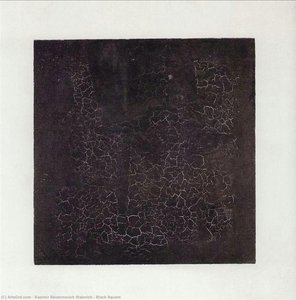
- Cuadrado Negro (1915): Probablemente su obra más famosa, representa una ruptura radical con el arte tradicional y se considera una pieza fundacional de la pintura abstracta.
- Blanco sobre Blanco (1918): Una serie que explora la pureza de la forma y el color, presentando formas geométricas blancas contra un fondo blanco – llevando la abstracción a sus límites.
- Stroyuschiysya dom [Casa bajo construcción] (1916): Un ejemplo temprano del Suprematismo que muestra su perspectiva única sobre la cultura ucraniana a través de formas abstractas.
- También escribió extensamente sobre teoría del arte, articulando los principios filosóficos detrás del Suprematismo y abogando por una nueva conciencia artística.
Significado histórico y legado
- La obra de Malevich impactó profundamente el desarrollo del arte abstracto del siglo XX, influyendo en movimientos como Minimalismo y Constructivismo.
- Desafió las nociones convencionales de representación y allanó el camino para el arte no objetivo.
- Sus ideas sobre el sentimiento puro y la abstracción geométrica siguen resonando con los artistas de hoy en día.
- A pesar de enfrentar persecución política bajo Stalin – inicialmente apoyado, luego reprimido – Malevich perseveró en su práctica y enseñanza.
- Influencia en artistas posteriores: Influyó directamente a artistas como El Lissitzky e indirectamente moldeó a innumerables otros a través del perdurable legado del Suprematismo.
Vida tardía y muerte
- En sus últimos años, Malevich revisó la pintura figurativa, intentando sintetizar sus principios abstractos con formas representacionales.
- Continuó enseñando y escribiendo sobre arte hasta su muerte en Leningrado (ahora San Petersburgo) en 1935.
- Su obra permaneció relativamente oscura durante décadas después de su muerte, pero experimentó un resurgimiento de interés a mediados del siglo XX, consolidando su lugar como una de las figuras más importantes de la historia del arte moderno.
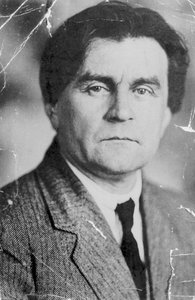
Kazimir Malevich
1878 - 1935 , Ucrania
Datos clave
- Artistas Que Influyeron:
- Impresionismo
- Simbolismo
- Fauvismo
- Cubismo
- Estilo Artístico: Suprematismo, Arte Abstracto
- Fecha De Muerte: 15 de mayo de 1935
- Fecha De Nacimiento: 23 de febrero de 1878
- Influenciado A Artistas:
- El Lissitzky
- Minimalismo
- Constructivismo
- Lugar De Nacimiento: Óblast de Kyiv, Ucrania
- Nacionalidad: Ucraniano, Ruso
- Nombre Completo: Kazimir Malevich
- Obras Notables:
- Cuadrado Negro
- Blanco sobre Blanco
- Casa bajo construcción
- Elementos Suprematistas
Artículos relacionados
Kazimir Malevich: Las 25 Obras Maestras del Suprematismo para Inspirar tu Hogar
Descubre las 25 obras maestras de Kazimir Malevich, pionero del Suprematismo. Explora la historia, el significado y la belleza del arte abstracto moderno. Reproducciones de alta calidad para inspirar tu hogar en ArtsDot.com.

Abstracción Geométrica: 10 Obras Maestras que Transformaron el Arte Moderno | ArtsDot
Descubre las 10 obras maestras de la abstracción geométrica que revolucionaron el arte moderno. Explora a Mondrian, Malevich y Kandinsky en ArtsDot.com. Reproducciones de alta calidad para tu hogar.
Beyond Form & Color: Geometric Abstraction's Evolution in 20th/21st Century Art
Explore the evolution of geometric abstraction from Cubism to contemporary art. Discover key artists like Malevich & Mondrian, investment insights, and expert collecting advice at ArtsDot.
Beyond Form & Color: Geometric Abstraction's Enduring Legacy in Art History
Explore the captivating world of geometric abstraction! Discover its origins, key artists like Malevich & Mondrian, and why this movement remains highly valued by art collectors today. Expert insights at ArtsDot.
Designing Your Forever Space: An Expert Guide to Elevating Your New Home with Neo-Abstract Art
Elevate your first home with the bold energy of Neo-Abstract Art. Our expert guide helps newlyweds master modern geometric compositions, textures, and color palettes. Discover how custom hand-painted oils and multi-panel designs can transform your new space into a curated masterpiece.
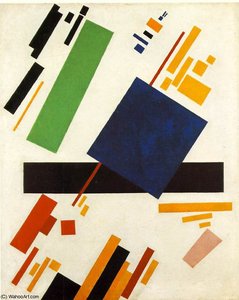
![Circulo Negro [1913]](/media/artworks/images-thumb/62/67/6267e452b0c8476772a6511e19ce1616.jpg)