

 Ver en contexto
 Enviar
 Compartir
 Detalles

 Descargar
 Similares
 Radiografía
 Presentación de diapositivas
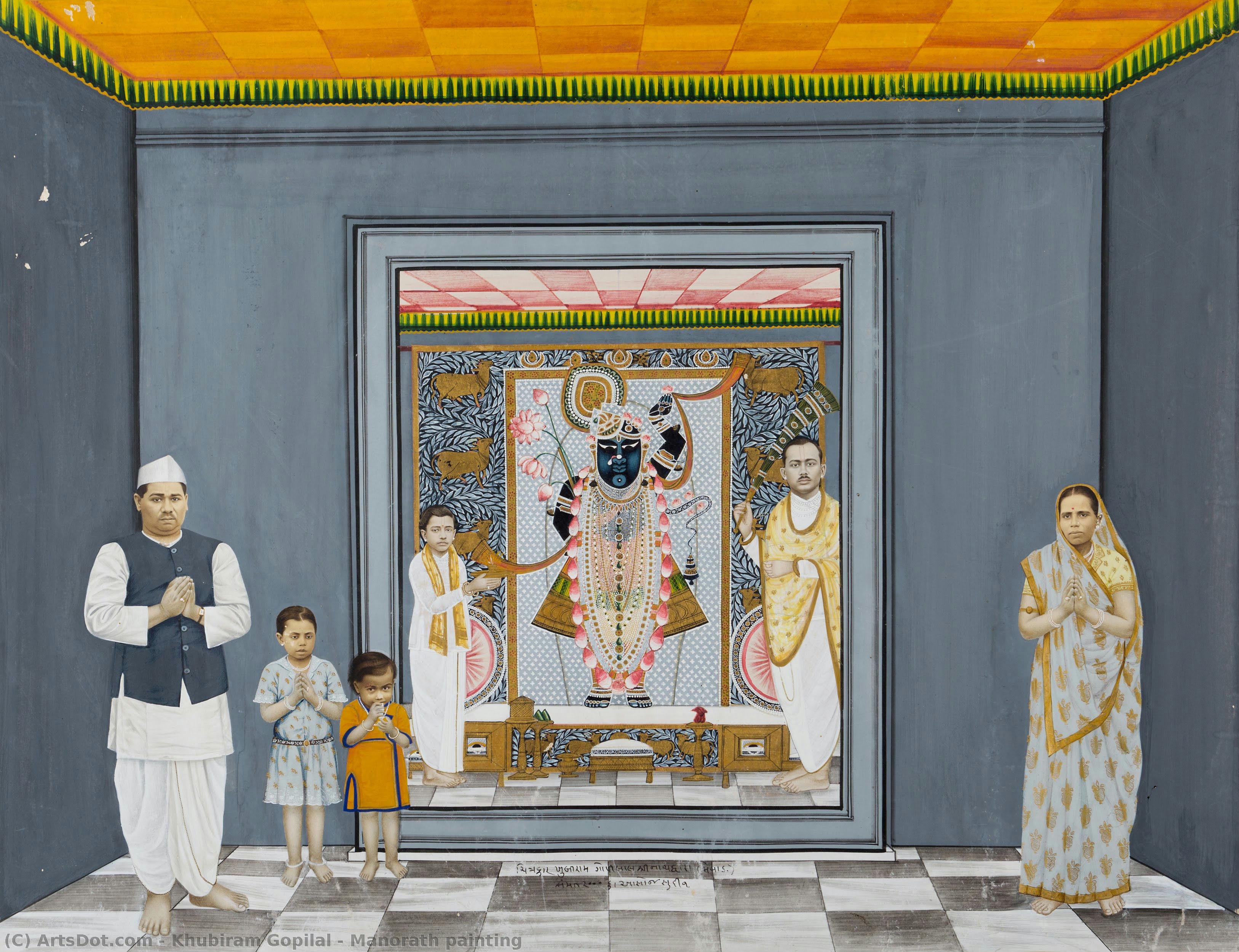
Manorath painting


 Ver más
Giclée / Impresión de arte
Impresiones giclée o en lienzo de calidad de museo con producción rápida y opciones de acabado flexibles. ( Comprar pintura hecha a mano Comprar imagen)




P118B $10

P118H $10

P118W $10

P438Z $10

P508JH $12

P508YH $12

P805H $10

P805Z $10

P919BZ $10

P919G $10

P919XJ $10

P959ZH $10

P968JZ $12

W106C $8

W218G $10

W218JH $8

W218Y $10

W307PJ $10

W316G $10

W316PJ $8

W316Y $10

W398PJ $8

W4111J $10

W500HY $15

W500JH $15

W692G $12

W849H $8

W940BG $15

W953PJ $8




Elija entre nuestros tamaños predefinidos que respetan las proporciones originales de la obra.

Puede introducir sus propias dimensiones para adaptarse a un marco o espacio específico. Si el tamaño seleccionado no coincide con las proporciones de la imagen original, recortaremos la obra de arte o extenderemos la imagen con un borde con efecto espejo o de color sólido. Se enviará una maqueta digital para su aprobación antes de que comience la producción.
Tenga en cuenta que la vista previa en pantalla no refleja el recorte o la extensión real. Solo la maqueta mostrará con precisión la composición final.
Aunque existen tamaños personalizados, recomendamos seleccionar una dimensión de la lista predefinida para preservar las proporciones originales.
Envío a todo el mundo () en 2 semanas en lugar de las 4/5 semanas estándar. (6 septiembre)

Envío exprés gratuito a todo el mundo

Lienzo de lino de alta calidad

Seguro de envío total

Garantía de reembolso de impuestos aduaneros

Garantía de fidelidad cromática exacta

Política de devolución de 100 días (solo por defectos)

Garantía de devolución del 100% del dinero

Descuento por cantidad
 La opción de vidrio solo está disponible en tamaños inferiores a 110 cm.

Manorath painting
Giclée / Impresión de arte
Dimensiones de la reproducción
-


Precio total final
$ 62
A Devotional Encounter: The Soul of Manorath Painting
In the quiet, sacred atmosphere of Nathdwara, there exists a unique intersection where the divine meets the personal through the medium of Manorath painting. This exquisite piece, dating from 1944, serves as more than just a visual representation; it is a profound act of devotion captured in pigment and collage. At its heart, the work depicts a family participating in the joyous Nanda festival, a celebration of the infant Krishna’s arrival into the care of Yashoda and Nanda. The painting captures a moment of darshan—the sacred viewing of the deity—where the boundaries between the earthly devotee and the divine Shrinathji begin to dissolve. Through the masterful hand of the Khubiram Gopilal studio, we are invited into a private, spiritual sanctuary where every brushstroke breathes with the rhythm of ancient ritual.
The composition is a breathtaking marriage of traditional Pichwai artistry and an early, experimental use of photographic collage. The central focus rests upon the donors, whose presence is felt through a technique that was revolutionary for its time: the figures of the family have been meticulously cut from photographs and pasted into the painted scene. This creates a startlingly intimate effect, as if the very people who commissioned the work have stepped out of time to stand eternally beside the Pichwai of Shrinathji. Surrounded by the delicate presence of birds and the domestic stillness of a room adorned with a simple clock and chair, the painting bridges the gap between the ephemeral human life and the eternal presence of the gods.
Technique and the Legacy of Khubiram Gopilal
The artistry behind this work is deeply rooted in the lineage of the Khubiram Gopilal studio, a name synonymous with the preservation of Nathdwara’s cultural heritage. The technique employed here is a sophisticated blend of painterly tradition and studio photography. As a master of both mediums, Gopilal utilized the precision of photographic elements to ground the spiritual narrative in reality, while using the lush, symbolic language of Indian miniature painting to elevate the scene. This duality allows the viewer to experience the painting not just as an object of art, but as a memento—a physical keepsake of a pilgrimage and a prayer.
For the discerning collector or interior designer, this reproduction offers a rare opportunity to possess a piece that embodies historical innovation. The interplay of textures—the smooth, pasted photographic portraits against the rich, detailed backdrop of the festival scene—provides a visual depth that is both intellectually stimulating and aesthetically soothing. It is a work that demands contemplation, offering a window into a 1940s India where tradition was not merely being preserved, but was actively evolving through new technologies. To display such a piece is to bring a sense of timelessness and sacred tranquility into a modern space, making it an incomparable centerpiece for those who value art with a profound spiritual heartbeat.
Obras relacionadas
Biografía del artista
primeros años y carrera
Khubiram Gopilal, artista indio, nació en 1891 en Nathdwara, India, y falleció en 1970. Su viaje artístico comenzó con un enfoque en la pintura de retratos, específicamente en el estilo conocido como pinturas manorath. Estas obras eran creadas para los peregrinos que visitaban el templo de Nathdwara como recuerdos de su devoción al joven Krishna.estilo artístico y trascendencia
La obra de Gopilal se caracteriza por su enfoque único del retrato, fusionando elementos tradicionales indios con técnicas fotográficas. Como pintor, fotógrafo de estudio y colagista, se especializó en capturar la esencia misma de sus sujetos. Su versión del retrato del Señor Shiva, lanzada en 1930, es un ejemplo notable de su destreza técnica.obras notables
Maha Daan Leela o el 'festival del tributo' en Nathdwara: un gran pichwai que muestra la maestría de Gopilal para capturar el espíritu de la cultura india. Sus piezas también han sido presentadas en la Monash Gallery of Art y en Google Arts & Culture.legado e impacto
Las contribuciones de Gopilal al arte indio son innegables. Su trabajo ha sido exhibido en galerías prominentes, incluyendo la National Gallery of Modern Art (India), resaltando su influencia en la pintura moderna de la India.- Su estilo único ha inspirado a generaciones de artistas, tanto en la India como a nivel mundial.
- La obra de Gopilal sirve como un puente entre las formas de arte tradicional indio y las técnicas fotográficas modernas.
- Como artista, desempeñó un papel crucial en la promoción de la diplomacia cultural a través de su arte.
conclusión
El legado artístico de Khubiram Gopilal es un testimonio del poder del arte indio. A través de sus pinturas manorath, ha dejado una huella indeleble en el mundo del arte, inspirando a las generaciones futuras con su mezcla única de técnicas tradicionales y modernas. lectura recomendada: Pablo Picasso: El Loco (simbolismo, acuarela) Sandra Ramos: una pintora contemporánea cubana que explora la nacionalidad, el género y la identidad.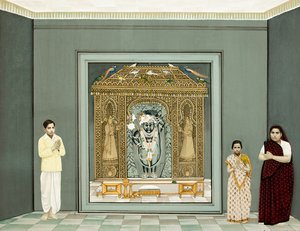
Khubiram Gopilal
1891 - 1970 , India
Datos clave
- Artistic Movement Or Style: Regionalismo
- Artists Or Movements Influenced By This Artist: ['Regionalismo estadounidense']
- Artists Who Influenced This Artist: ['Paul Gauguin']
- Date Of Birth: 13 de febrero de 1891
- Date Of Death: 1970
- Full Name: Grant Wood
- Nationality: Estadounidense
- Notable Artworks:
- Shrine Quartet
- July Fifteenth
- Tree Planting
- Place Of Birth: Anamosa, Iowa, EE. UU.
Artículos relacionados
Claude Monet: Las 25 Obras Maestras del Impresionismo para Decorar tu Hogar con Arte
Descubre las 25 obras maestras de Claude Monet, el padre del impresionismo. Explora la historia, técnica y belleza de sus paisajes, nenúfares y 'Impresión, sole levant'. Encuentra reproducciones de arte exclusivas en ArtsDot.com.

Paul Cézanne: Las 25 Obras Maestras que Definieron el Arte Moderno | ArtsDot
Descubre las 25 obras maestras de Paul Cézanne que revolucionaron el arte moderno. Explora su técnica, inspiración y significado en paisajes, bodegones y retratos. Reproducciones de alta calidad para decorar tu hogar con arte inolvidable. ¡Explora la colección completa en ArtsDot.com!
Winslow Homer: Las 25 Obras Maestras del Alma Americana | ArtsDot
Descubre las 25 obras maestras de Winslow Homer, el pintor estadounidense del realismo y los paisajes marinos. Explora su técnica en óleo y acuarela, e inspírate para decorar tu hogar con arte atemporal. Reproducciones de alta calidad en ArtsDot.com.
Los 10 Cuadros Más Famosos Dominados por el Verde Cromado: Arte y Decoración
Descubre los 10 cuadros más famosos dominados por el verde cromado. Explora la historia, artistas como Monet y Renoir, e inspírate para decorar tu hogar con lienzos impresionistas. Reproducciones de arte en .

Alfred Munnings: Las 25 Obras Maestras del Pintor de Caballos | ArtsDot
Descubre las 25 obras maestras de Alfred Munnings, el pintor británico de caballos por excelencia. Explora su impresionismo inglés, escenas campestres y técnica única. Encuentra reproducciones de arte de alta calidad en ArtsDot.com.