

 Ver en contexto
 Enviar
 Compartir
 Detalles

 Descargar
 Similares
 Radiografía
 Presentación de diapositivas
 Estadísticas
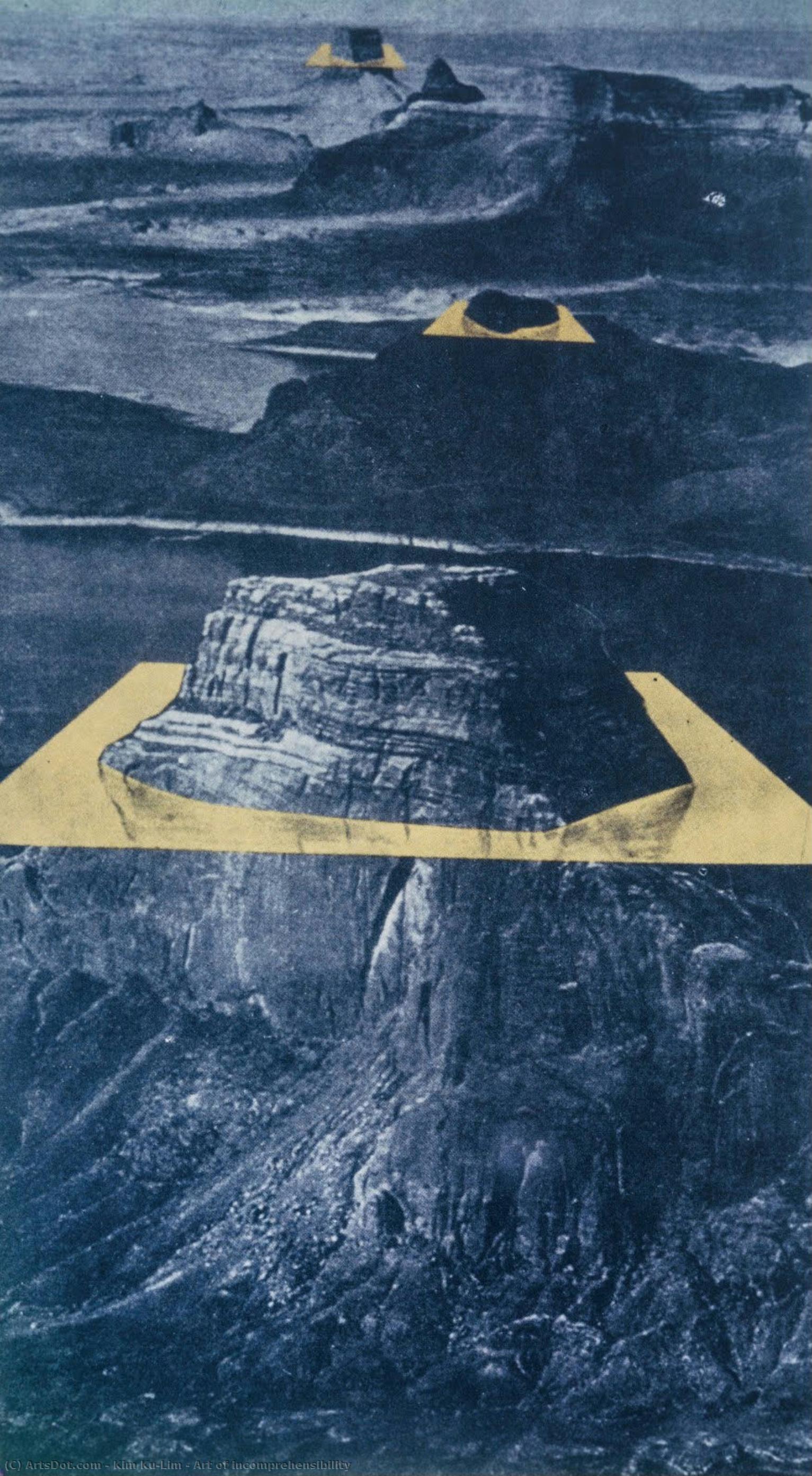
Art of incomprehensibility

 Ver más
Reproducción al óleo hecha a mano
Óleo sobre lienzo pintado a mano en el tamaño y marco de su elección, realizado por encargo por nuestros artistas. ( Cambiar a Impresión Cambiar a imagen digital)




































Elija entre nuestros tamaños predefinidos que respetan las proporciones originales de la obra.

Puede ingresar sus propias dimensiones para adaptarse a un marco o espacio específico. Si el tamaño seleccionado no coincide con las proporciones de la imagen original, recortaremos la obra o extenderemos la pintura con elementos adicionales pintados a mano. Se le enviará una maqueta digital para su aprobación antes de comenzar la producción.
Tenga en cuenta que la vista previa en pantalla no refleja el recorte o la extensión reales. Solo la maqueta mostrará con precisión la composición final.
Si bien existen tamaños personalizados, recomendamos seleccionar una dimensión de la lista predefinida para preservar las proporciones originales.
Tras realizar el pedido, el equipo de ArtsDot.com enviará un correo electrónico al cliente para solicitar instrucciones y proporcionarle una vista previa del boceto.
Envío a todo el mundo () en 3-4 semanas en lugar de las 5 semanas estándar. (10 septiembre). Sin comprometer la calidad.

Envío exprés gratuito a todo el mundo

Lienzo de lino de alta calidad

Seguro de envío total

Garantía de reembolso de impuestos aduaneros

Garantía de fidelidad cromática exacta

Política de devolución de 100 días (solo por defectos)

Garantía de devolución del 100% del dinero

Descuento por cantidad
 La opción de vidrio solo está disponible en tamaños inferiores a 110 cm.

Art of incomprehensibility
Técnica de reproducción
Dimensiones de la reproducción
-


Precio total final
$ 263
Obras relacionadas










Biografía del artista
A Pioneer of Korean Avant-Garde: Kim Ku-lim’s Exploration Beyond Convention
Kim Ku-lim (김구림), born in Sangju, South Korea in 1936, stands as a singular figure in Korean art history – the nation's inaugural champion of avant-garde experimentation. Rejecting established artistic norms from his formative years amidst Seoul’s burgeoning experimental scene during the late 1960s and early 1970s, he embarked on a multifaceted artistic journey that spanned film, light sculpture, performance art, and crucially, land art, establishing him as a visionary ahead of his time. Exposure to Japan's artistic landscape in the mid-1970s further broadened his horizons and instilled within him a profound appreciation for Eastern philosophical concepts, particularly Yin and Yang – principles that would become central to his ongoing creative exploration. Early Influences & Seoul’s Experimental Spirit: Ku-lim's artistic genesis coincided with Korea’s intellectual ferment. He absorbed the ideas of Surrealism and Fluxus, reacting against formalism and embracing spontaneity and chance as tools for artistic expression. This formative period instilled in him a rebellious spirit that would characterize his entire career—a refusal to accept accepted artistic conventions and a determination to forge new paths toward creative exploration. The influence of these movements is palpable in his early works, where he utilized unconventional materials and techniques to disrupt traditional visual language. Transnational Engagement & Conceptual Art: Moving to the United States in 1984 solidified his connection to international art discourse. This pivotal moment propelled him into engagement with conceptual art, prioritizing ideas over visual aesthetics and challenging viewers to contemplate broader societal concerns. He actively participated in dialogues surrounding artistic practice and its role in shaping cultural understanding—a commitment that extended beyond mere aesthetic considerations. His explorations of concepts like time, space, and perception pushed the boundaries of artistic expression and cemented his position as a leading voice within the burgeoning international art scene. Land Art & Performance – Embracing Nature’s Rhythm: Ku-lim's distinctive style found its expression in land art projects—large-scale interventions that responded directly to the environment. These monumental sculptures, often situated in desolate landscapes, served as meditations on geological forces and human presence—a deliberate juxtaposition of scale and materiality designed to provoke visceral reactions from observers. Simultaneously, his performance pieces explored themes of ritual and transformation, mirroring the cyclical nature of Yin and Yang. He utilized movement and gesture to convey profound emotional states and invite audiences into a contemplative engagement with fundamental questions about existence. Diverse Media & Persistent Innovation: Throughout his career, Ku-lim consistently pushed boundaries across various mediums – film, sculpture, installation art—demonstrating an unwavering commitment to artistic innovation. He never adhered to stylistic trends but rather pursued a singular vision rooted in Eastern philosophy and informed by ongoing research into geological formations and psychological landscapes. His prolific output spanned decades, encompassing photographic essays documenting remote regions of Korea and Japan, immersive film installations exploring themes of memory and identity, and sculptural explorations of form and materiality—each project reflecting his unwavering dedication to artistic experimentation and conceptual rigor. Kim Ku-lim’s legacy resides not merely in his artistic output but also in his role as a catalyst for Korean art’s evolution—a figure who dared to question convention and champion the transformative potential of experimental practice. He continues to create today, embodying the spirit of relentless curiosity and artistic exploration that defines his extraordinary career. ## Notable Works & Artistic Style Among Ku-lim's most celebrated pieces are “From Phenomenon to Traces,” a striking documentary photograph capturing an arid landscape alongside an earthen dam—a testament to his masterful use of earthy tones and dramatic lighting to evoke profound contemplation. Similarly, "Art of Incomprehensibility" showcases his sculptural explorations of form and materiality, reflecting the influence of Zen Buddhism’s emphasis on simplicity and direct experience. His film installations delve into psychological realms, utilizing innovative techniques to convey complex emotions and ideas. These projects exemplify Ku-lim's signature style: characterized by a deliberate rejection of traditional aesthetics in favor of conceptual rigor and an unwavering engagement with natural elements—a reflection of the core tenets of Yin and Yang.
Kim Ku-lim
1936 - , Corea del Sur
Datos clave
- Artistic Movement Or Style: Avant-garde
- Date Of Birth: 1936
- Full Name: Kim Ku-lim
- Nationality: Coreano
- Notable Artworks:
- Desde Fenómeno a Rastros
- Arte de Incomprensibilidad
- Place Of Birth: Sangju, Corea del Sur