

 Ver en contexto
 Enviar
 Compartir
 Detalles

 Descargar
 Similares
 Radiografía
 Presentación de diapositivas
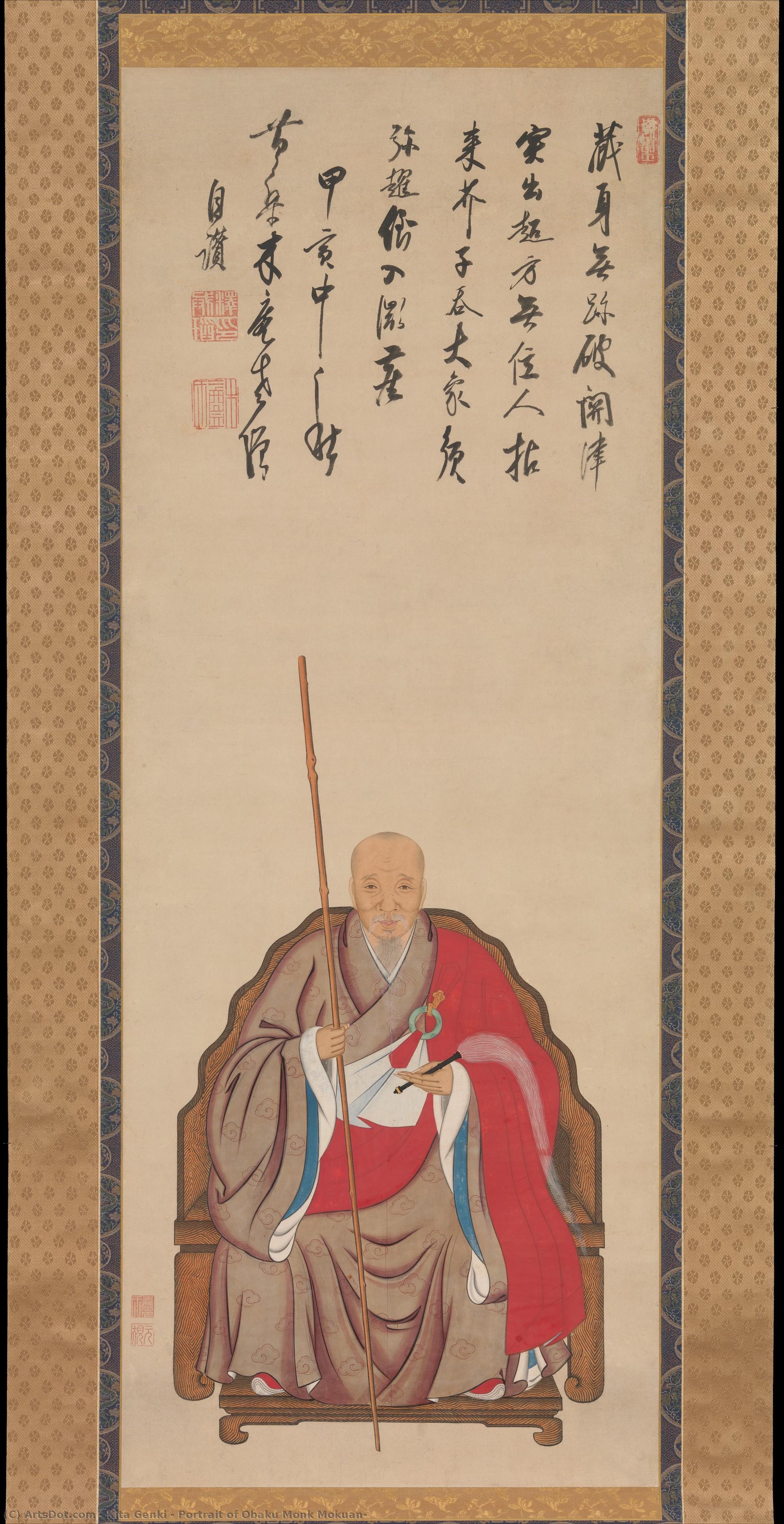
Portrait of Obaku Monk Mokuan
 1674
1674 110.0 x 42.0 cm
 Ver más
Adquiera una imagen digital de alta resolución y optimizada, muy superior a la vista previa en línea.
Cada archivo es preparado meticulosamente por nuestros especialistas internos mediante el uso de herramientas avanzadas y un experto retoque manual. Nos aseguramos de que cada imagen posea una claridad excepcional, una precisión cromática impecable y un detalle minucioso.
El archivo final se entrega por correo electrónico en un plazo de 72 horas, optimizado para su uso inmediato en entornos profesionales, editoriales y de impresión. Esta es la misma calidad en la que confían los estudios de diseño, las editoriales y las galerías de primer nivel.
Imagen Digital
Descarga un archivo de alta resolución para exhibición personal, impresión y proyectos creativos. ( Comprar impresión Comprar pintura hecha a mano)
Incluido en cada pedido de imágenes digitales
Entrega digital experta, garantizada.
Al elegir ArtsDot.com, no solo está adquiriendo una imagen; está recibiendo una obra de arte digital mejorada profesionalmente, elaborada con precisión y respaldada por una garantía de satisfacción. Esto es todo lo que incluye su pedido, automáticamente:

Entrega rápida por email
Recibirá su archivo de imagen digital en alta resolución por correo electrónico en un plazo de 72 horas tras realizar su pedido, listo para su uso inmediato.

Archivo digital optimizado por IA
Su obra de arte se optimiza profesionalmente mediante herramientas avanzadas de IA y edición manual, garantizando el máximo detalle, claridad y precisión cromática.

Reenvío gratuito de por vida
¿Has borrado o perdido tu archivo por error? No te preocupes: te lo volveremos a enviar en cualquier momento, sin coste adicional.

Sin gastos de importación, siempre
Disfrute de su obra de arte al instante sin aduanas, aranceles ni gastos de envío; las descargas digitales siempre están libres de impuestos.

Garantía de fidelidad de color
Garantizamos que su imagen digital refleje los colores originales con la mayor fidelidad posible, mediante el uso de herramientas profesionales y gestión del color.

Garantía de satisfacción de 100 días
Si no está satisfecho con su imagen digital, la revisaremos o le reembolsaremos el 100% en un plazo de 100 días, sin preguntas.

100% Garantía de devolución de dinero
¿No está satisfecho? Obtenga un reembolso completo dentro de los 100 días posteriores a la recepción de su archivo digital, sin necesidad de explicaciones.

Descuentos por pedidos grandes
Compra 3 imágenes, ahorra 10% - Compra 5, ahorra 15% - Compra 10+, ahorra 20%. Ideal para proyectos creativos, galerías y agencias.
Obras relacionadas



Biografía del artista
Kita Genki: A Nagasaki Portraitist Bridging East and West
Kita Genki (born Nagasaki, Japan) stands as a fascinating figure in 18th-century Japanese art history—a testament to the dynamic cultural exchange that characterized Nagasaki’s role as Japan's primary port for interaction with Western traders during the Edo period. Unlike many artists of his time who adhered strictly to established traditions, Genki skillfully blended Chinese and Nanban (Western) artistic techniques into his oeuvre, producing portraits that reflect both influences. His prominence emerged from records within the Nagasaki Senmin Gen, a detailed census documenting artisans and craftsmen in Nagasaki City. Specifically, he was identified as a portraitist specializing in Chinese and Nanban styles—a designation indicative of the burgeoning demand for Western art forms amongst the elite Japanese class eager to adopt new aesthetics. This recognition underscores not only his professional standing but also his position within a broader societal shift toward embracing foreign ideas. Genki’s artistic output is notably defined by two significant commissions: the portrait of Ōbaku Zen Monk Jifei Ruyi (Japanese Sokuhi Nyoitsu) and the portrait of Obaku Monk Mokuan. These works exemplify Genki's mastery of Chinese ink wash painting—a technique deeply rooted in Buddhist iconography and philosophical contemplation—combined with elements borrowed from Western artistic conventions, such as chiaroscuro shading. The meticulous detail evident in these portraits speaks volumes about Genki’s dedication to capturing the essence of his subjects and conveying their spiritual stature. The Indianapolis Museum of Art houses several pieces attributed to Kita Genki, offering visitors a tangible connection to this pivotal artist. Examining these paintings allows for an appreciation not only of Genki's technical skill but also of his contribution to shaping Japanese artistic identity during a period of transformative change—a bridge between the venerable traditions of China and the emerging modernity of Europe. His legacy continues to inspire scholars and collectors alike, cementing Kita Genki’s place as a significant voice in the annals of Japanese art history. ### Biographical Details: Kita Genki (approximately 1690 – after 1750) emerged from Nagasaki during a period marked by unprecedented interaction between Japan and Europe—a convergence that profoundly impacted artistic sensibilities. Born into a family of artisans, Genki’s early life remains shrouded in obscurity, though his designation as a portraitist specializing in Chinese and Nanban styles immediately establishes him as an innovator within his time. Records from the Nagasaki Senmin Gen confirm his role as a respected craftsman, reflecting the city's economic vitality fueled by trade with the West. His artistic training likely encompassed both traditional Japanese calligraphy and painting methods alongside exposure to Western artistic concepts—a dual influence that distinguishes him from many of his contemporaries who adhered rigidly to established stylistic conventions. The meticulous observation of detail characteristic of Genki’s work underscores a commitment to capturing not merely physical likeness but also the inner spirit of his subjects, mirroring the broader humanist ideals gaining traction in Europe during the Enlightenment. ### Major Commissions and Artistic Style: Genki's most celebrated achievements lie in his commissions for Ōbaku Zen Monks Jifei Ruyi and Mokuan—works that exemplify his masterful fusion of Chinese ink wash painting techniques with Western chiaroscuro shading. These portraits are considered masterpieces of Nanban art, demonstrating Genki’s ability to synthesize disparate artistic traditions into a cohesive visual language. The careful rendering of drapery folds and facial expressions reveals an exceptional understanding of anatomy and psychological nuance—skills honed through extensive practice and informed by observations of European portraiture. The Indianapolis Museum of Art holds several pieces attributed to Kita Genki, providing invaluable insight into his artistic style and offering viewers a tangible connection to this pivotal artist. These paintings stand as enduring symbols of Nagasaki’s cultural dynamism during the Edo period and serve as testament to Genki's contribution to shaping Japanese artistic identity—a legacy that continues to resonate with art historians today. ### Influence and Legacy: Kita Genki’s stylistic innovations profoundly impacted subsequent generations of Japanese artists, fostering a spirit of experimentation and encouraging a dialogue between Eastern and Western aesthetics. His meticulous attention to detail and his masterful blending of techniques established him as a pioneer in portraiture—a genre that would flourish throughout the Edo period and beyond. Although biographical information about Genki remains scarce, his enduring artistic achievements solidify his place as one of Japan’s most significant figures in 18th-century art history—a testament to the transformative power of cultural exchange and the brilliance of an artist who dared to forge a new path.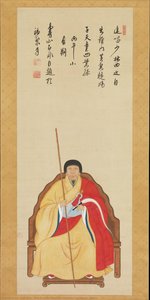
Kita Genki
Japón
Breves datos
- Artistic Movement Or Style: Chinese & Western Painting Techniques
- Date Of Birth: (Nagasaki)
- Date Of Death: (Living)
- Full Name: Kita Genki
- Nationality: Japanese
- Notable Artworks:
- Portrait of the Ōbaku Zen Monk Jifei Ruyi
- Portrait of Obaku Monk Mokuan
- Place Of Birth: Nagasaki, Japan