

 Ver en contexto
 Enviar
 Compartir
 Detalles

 Descargar
 Similares
 Radiografía
 Presentación de diapositivas
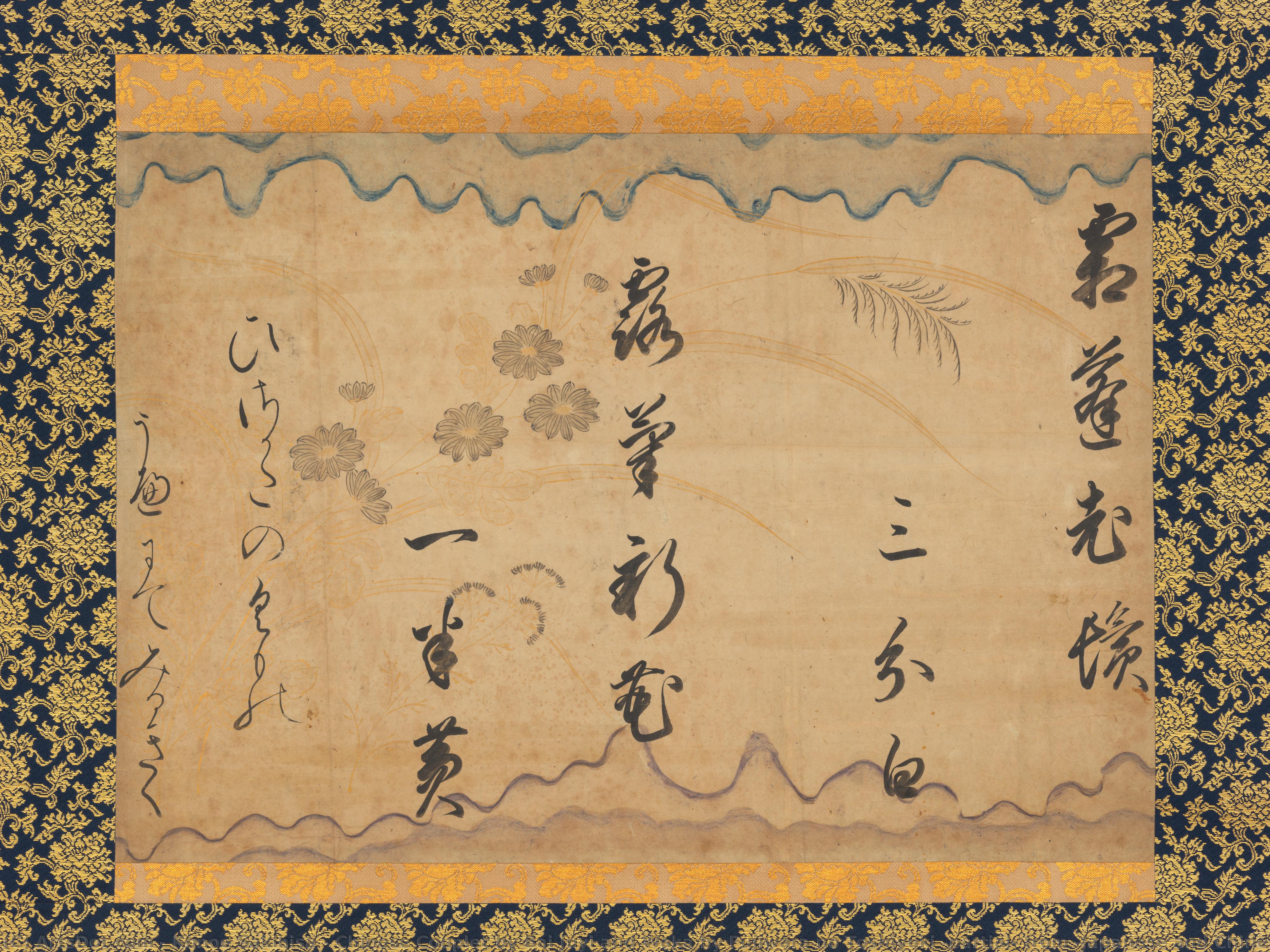
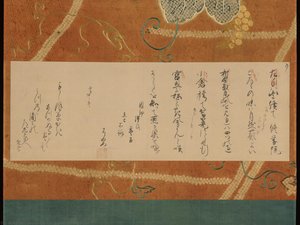
Chinese Couplet by Bai Juyi and Waka by Fujiwara no Toshiyuki (partial) from “Japanese and Chinese Poems to Sing” (Wakan rōeishū)
 Ink On Paper
- Momoyama
 601
601- Early Modern
 33.0cm x 47.0cm
 Ver más
Adquiera una imagen digital de alta resolución y optimizada, muy superior a la vista previa en línea.
Cada archivo es preparado meticulosamente por nuestros especialistas internos mediante el uso de herramientas avanzadas y un experto retoque manual. Nos aseguramos de que cada imagen posea una claridad excepcional, una precisión cromática impecable y un detalle minucioso.
El archivo final se entrega por correo electrónico en un plazo de 72 horas, optimizado para su uso inmediato en entornos profesionales, editoriales y de impresión. Esta es la misma calidad en la que confían los estudios de diseño, las editoriales y las galerías de primer nivel.
Imagen Digital
Descarga un archivo de alta resolución para exhibición personal, impresión y proyectos creativos. ( Comprar impresión Comprar pintura hecha a mano)
Incluido en cada pedido de imágenes digitales
Entrega digital experta, garantizada.
Al elegir ArtsDot.com, no solo está adquiriendo una imagen; está recibiendo una obra de arte digital mejorada profesionalmente, elaborada con precisión y respaldada por una garantía de satisfacción. Esto es todo lo que incluye su pedido, automáticamente:

Entrega rápida por email
Recibirá su archivo de imagen digital en alta resolución por correo electrónico en un plazo de 72 horas tras realizar su pedido, listo para su uso inmediato.

Archivo digital optimizado por IA
Su obra de arte se optimiza profesionalmente mediante herramientas avanzadas de IA y edición manual, garantizando el máximo detalle, claridad y precisión cromática.

Reenvío gratuito de por vida
¿Has borrado o perdido tu archivo por error? No te preocupes: te lo volveremos a enviar en cualquier momento, sin coste adicional.

Sin gastos de importación, siempre
Disfrute de su obra de arte al instante sin aduanas, aranceles ni gastos de envío; las descargas digitales siempre están libres de impuestos.

Garantía de fidelidad de color
Garantizamos que su imagen digital refleje los colores originales con la mayor fidelidad posible, mediante el uso de herramientas profesionales y gestión del color.

Garantía de satisfacción de 60 días
Si no está satisfecho con su imagen digital, la revisaremos o le reembolsaremos el 100% en un plazo de 60 días, sin preguntas.

100% Garantía de devolución de dinero
¿No está satisfecho? Obtenga un reembolso completo dentro de los 60 días posteriores a la recepción de su archivo digital, sin necesidad de explicaciones.

Descuentos por pedidos grandes
Compra 3 imágenes, ahorra 10% - Compra 5, ahorra 15% - Compra 10+, ahorra 20%. Ideal para proyectos creativos, galerías y agencias.
Key Points:
- Artist: Konoe Sakihisa
- Painting Title: Chinese Couplet by Bai Juyi and Waka by Fujiwara no Toshiyuki (partial) from “Japanese and Chinese Poems to Sing” (Wakan rōeishū)
- Medium: Paper
- Date: 601
- Museum: Not specified
Obras relacionadas

Biografía del artista
Konoe Sakihisa: A Noble Bridging Politics and Art in a Turbulent Era
Konoe Sakihisa, born Nakamura in 1536 and passing away in 1612, stands as a compelling figure of the late Muromachi and early Edo periods – a time of profound upheaval and transformation in Japanese history. More than simply a court noble, he was a pivotal player in the intricate dance of politics, military strategy, and artistic patronage, leaving an indelible mark on the cultural landscape of his era. His life unfolded against the backdrop of the Sengoku period’s final throes, the rise of Oda Nobunaga, and the subsequent consolidation of power under Toyotomi Hideyoshi, making him a crucial link between these momentous shifts. Sakihisa's legacy isn't solely defined by his political maneuvering; it’s inextricably linked to his role as a significant patron of the Kanō school, an artistic movement that would come to dominate Japanese painting for centuries.Early Life and Political Ascent
Sakihisa’s early life was steeped in privilege and responsibility. The son of Regent Taneie, a prominent figure within the Fujiwara clan – one of the five “regent” houses – he inherited a lineage deeply entwined with the power structures of the court. This upbringing provided him with an unparalleled education and access to influential circles, setting the stage for his rapid rise through the ranks. Initially known as Konoe Harutsugu, his name was later changed to Sakihisa, reflecting his appointment as Kampaku-sadaijin (Chief Councilor to the Emperor) in 1554 – a position he held alongside the role of Kanpaku (Imperial Regent). This dual role underscored his immense authority and influence within the imperial court. His association with Oda Nobunaga proved particularly significant, witnessing firsthand the warlord’s ambition and military prowess during campaigns like those against the Takeda clan. Sakihisa's willingness to accompany Nobunaga demonstrated a strategic understanding of power dynamics and a calculated alignment with emerging forces reshaping Japan.Artistic Patronage and the Kanō School
While primarily recognized for his political acumen, Konoe Sakihisa’s influence extended profoundly into the realm of art. His family’s wealth and status afforded him the means to actively support artistic endeavors, most notably through his patronage of the Kanō school – a style characterized by its vibrant colors, meticulous detail, and incorporation of Chinese artistic techniques. The Kanō school, which flourished during this period, was renowned for its depictions of landscapes, portraits, and religious subjects, often incorporating gold leaf and elaborate ornamentation to reflect the tastes of the nobility. Sakihisa’s support played a crucial role in establishing the Kanō school as one of the most prestigious artistic movements in Japan, shaping its trajectory and ensuring its continued prominence. His connections with artists like Kanō Eitoku, exemplified by his commission for “Portrait of Kakinomoto no Hitomaro,” exemplify this patronage.Family Connections and Shifting Alliances
Sakihisa’s life was marked by significant family drama and strategic alliances. His daughter, Sakiko, became a pivotal figure in Japanese history through her adoption by Toyotomi Hideyoshi, later becoming a consort to Emperor Go-Yōzei and giving birth to Emperor Go-Mizunoo. This adoption wasn't merely symbolic; it served as a crucial step in legitimizing Hideyoshi’s rise to power, effectively integrating the Fujiwara clan into the Toyotomi regime. Sakihisa himself played a key role in this transition, facilitating Hideyoshi’s ascent by adopting him as his son in 1585 – a move that granted Hideyoshi the necessary credentials to assume the title of Kampaku (Shogun). This act solidified the Toyotomi clan's position at the apex of Japanese power. His later resignation from the post of Daijōdaijin, despite holding it for only three months, highlights the volatile political landscape and the shifting loyalties that characterized his era.Legacy and Historical Significance
Konoe Sakihisa’s life represents a fascinating intersection of politics, art, and family intrigue. He was not simply a ruler or a warrior; he was an artist's patron, a strategic advisor, and a pivotal figure in shaping the course of Japanese history. His connections to influential figures like Oda Nobunaga and Toyotomi Hideyoshi underscore his importance as a bridge between warring factions and a catalyst for political change. While often overshadowed by more overtly militaristic figures, Sakihisa’s legacy lies in his ability to navigate the complexities of a turbulent era, fostering artistic development while simultaneously maneuvering within the intricate web of power dynamics. His influence continues to resonate through the enduring beauty of Kanō school paintings and his role as a key figure in the transition from the Sengoku period to the early Edo period – a testament to his multifaceted contributions to Japanese society.
Konoe Sakihisa
1536 - 1612 , Japón
Breves datos
- Artistic Movement Or Style: Kanō School
- Artists Or Movements Influenced By This Artist: ['Momoyama art']
- Artists Who Influenced This Artist: ['Kanō School']
- Date Of Birth: 1536
- Date Of Death: 1612
- Full Name: Konoe Sakihisa
- Nationality: Japones
- Notable Artworks:
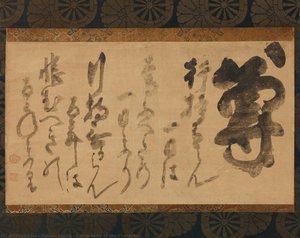
- Chinese Couplet
- Waka
- Place Of Birth: Nakamura, Japón

