

 Ver en contexto
 Enviar
 Compartir
 Detalles

 Descargar
 Similares
 Radiografía
 Presentación de diapositivas
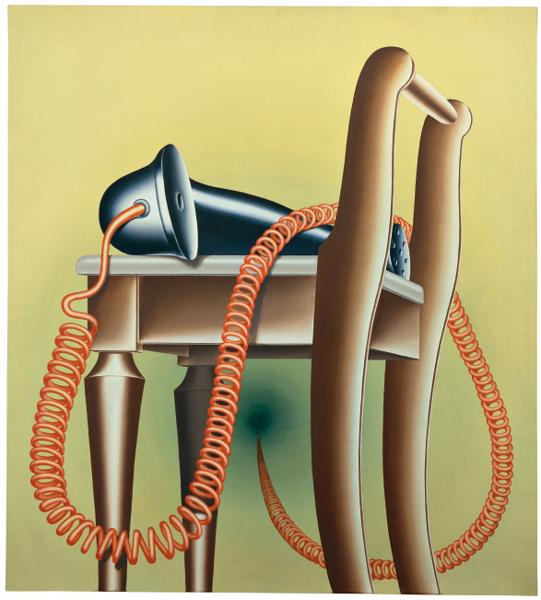
The capitulation

 Ver más
Reproducción al óleo hecha a mano
Óleo sobre lienzo pintado a mano en el tamaño y marco de su elección, realizado por encargo por nuestros artistas. ( Comprar impresión Comprar imagen)




































Elija entre nuestros tamaños predefinidos que respetan las proporciones originales de la obra.

Puede ingresar sus propias dimensiones para adaptarse a un marco o espacio específico. Si el tamaño seleccionado no coincide con las proporciones de la imagen original, recortaremos la obra o extenderemos la pintura con elementos adicionales pintados a mano. Se le enviará una maqueta digital para su aprobación antes de comenzar la producción.
Tenga en cuenta que la vista previa en pantalla no refleja el recorte o la extensión reales. Solo la maqueta mostrará con precisión la composición final.
Si bien existen tamaños personalizados, recomendamos seleccionar una dimensión de la lista predefinida para preservar las proporciones originales.
Tras realizar el pedido, el equipo de ArtsDot.com enviará un correo electrónico al cliente para solicitar instrucciones y proporcionarle una vista previa del boceto.
Envío a todo el mundo () en 3-4 semanas en lugar de las 5 semanas estándar. (7 septiembre). Sin comprometer la calidad.

Envío exprés gratuito a todo el mundo

Lienzo de lino de alta calidad

Seguro de envío total

Garantía de reembolso de impuestos aduaneros

Garantía de fidelidad cromática exacta

Política de devolución de 100 días (solo por defectos)

Garantía de devolución del 100% del dinero

Descuento por cantidad
 La opción de vidrio solo está disponible en tamaños inferiores a 110 cm.

The capitulation
Técnica de reproducción
Dimensiones de la reproducción
-


Precio total final
$ 263
Obras relacionadas
Biografía del artista
The Mechanical Dreamscape of Konrad Klapheck
In the quiet intersection where the precision of industrial machinery meets the irrationality of a dream, lies the singular world of Konrad Klapheck. Born in Düsseldorf on February 10, 1935, to a lineage of esteemed art historians, Klapheck was destined for a life steeped in aesthetic contemplation. His early years at the Kunstakademie Düsseldorf, studying under the guidance of Bruno Goller, provided him with a rigorous foundation in craftsmanship. Yet, beneath this disciplined training, a more subversive spirit was brewing—one that would eventually reject the purely abstract in favor of a hauntingly realistic yet profoundly distorted vision of the everyday.
Klapheck’s artistic evolution is a fascinating journey from magic realism to a highly idiosyncratic blend of Surrealism and Pop Art. While his mid-1950s works adhered to more traditional modes, a transformative shift occurred when he first turned his gaze toward the typewriter. This was not merely a change in subject matter, but a revolution in perception. By isolating these mechanical objects and presenting them with an almost obsessive clarity, he stripped them of their utility and imbued them with a psychological weight. These machines became characters in a silent, surreal drama, bathed in vibrant, often unsettling hues that challenged the viewer's sense of reality.
The Poetry of the Mundane
To look upon a Klapheck painting is to experience a strange sense of alienation within the familiar. He possessed a remarkable ability to take the most utilitarian items—objects we touch and use without thought—and transform them into monumental icons of mystery. His repertoire of subjects expanded from his iconic typewriters to include a parade of mechanical and domestic artifacts:
- Sewing machines, rendered with a meticulousness that borders on the hypnotic;
- Water taps and showers, which evoke themes of fluidity and sudden intrusion;
- Telephones and irons, transformed into symbols of connection and domestic pressure;
- Bicycle bells, keys, and even car tires, all elevated to the status of sculptural wonders.
This technique was never merely about photographic accuracy. Instead, Klapheck utilized a masterful manipulation of color and scale to inject an element of the absurd. His work often carries a subtle, biting wit, layered with political commentary and even sexual innuendo. By enlarging these small, domestic objects to a monumental scale, he forced a confrontation between the viewer and the inanimate, making the mechanical feel alive, and the living feel strangely mechanical.
Legacy of the Surreal Machine
The historical significance of Konrad Klapheck lies in his ability to bridge the gap between the conceptual provocations of Marcel Duchamp and the vibrant, consumer-driven energy of Pop Art. He drew deep inspiration from the avant-garde masters—Man Ray, Max Ernst, and René Magritte—yet he applied their surrealist logic to a much more modern, industrial landscape. His work mirrors the tension of the mid-20th century: the fascination with technological progress clashing with the underlying anxiety of an increasingly automated world.
Through his precise lines and dreamlike compositions, Klapheck achieved a rare feat in contemporary art: he made the inanimate speak. He left behind a body of work that serves as a profound meditation on alienation, fascination, and the hidden life of objects. Even decades after his passing, his paintings continue to haunt the galleries of the world, reminding us that within the most ordinary machine, there may lie an extraordinary, unsettling truth.
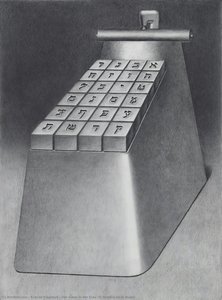
konrad klapheck
1935 - 1979
Datos clave
- Artistic Movement Or Style: Surrealism & Pop Art
- Artists Or Movements Influenced By This Artist: ['Pop Art']
- Artists Who Influenced This Artist:
- Duchamp
- Man Ray
- Max Ernst
- Date Of Death: 1979
- Full Name: Konrad Klapheck
- Nationality: German
- Notable Artworks:
- The War
- The Fanatic
- The Capitulation
- Place Of Birth: Düsseldorf, Germany
Artículos relacionados
Pop Surrealismo: Una Colisión de Cultura, Sueños y el Subconsciente en el Arte de la Posguerra
Descubre el fascinante mundo del Pop Surrealismo. Explora sus orígenes, artistas clave como Mark Ryden y su impacto en el arte contemporáneo. Guía experta para coleccionistas.

The Enduring Legacy of Oil on Canvas: Technique, History & Aesthetic Impact
Explore the rich history & techniques of oil painting – from Renaissance masters to Impressionism. Discover pigments, layering methods, and why this timeless medium endures. Expert insights for artists & art enthusiasts.
Del Warhol a las Estrellas de Hoy: Recontextualizando Íconos de la Cultura Popular a Través de la Tradición Pictórica al Óleo
Descubre cómo el Pop Art redefinió el arte y cómo ArtsDot.com te permite revivir íconos culturales con reproducciones en óleo de calidad museo. ¡Encuentra tu obra maestra!

El Óleo sobre Lienzo: Historia, Técnica y la Persistencia de un Medio Artístico Atemporal
Descubre la historia y técnica del óleo sobre lienzo. Explora reproducciones fieles hechas a mano, personalización artística y consejos de expertos con ArtsDot. ¡Colecciona arte con confianza!
Silent Narratives: Exploring the Enduring Appeal of Still Life Painting Across Centuries
Explore the rich history of still life painting with ArtsDot. Discover Dutch Masters, decode vanitas symbolism & learn about collecting timeless art. Expert insights and museum-quality reproductions.