

 Ver en contexto
 Enviar
 Compartir
 Detalles

 Descargar
 Similares
 Radiografía
 Presentación de diapositivas
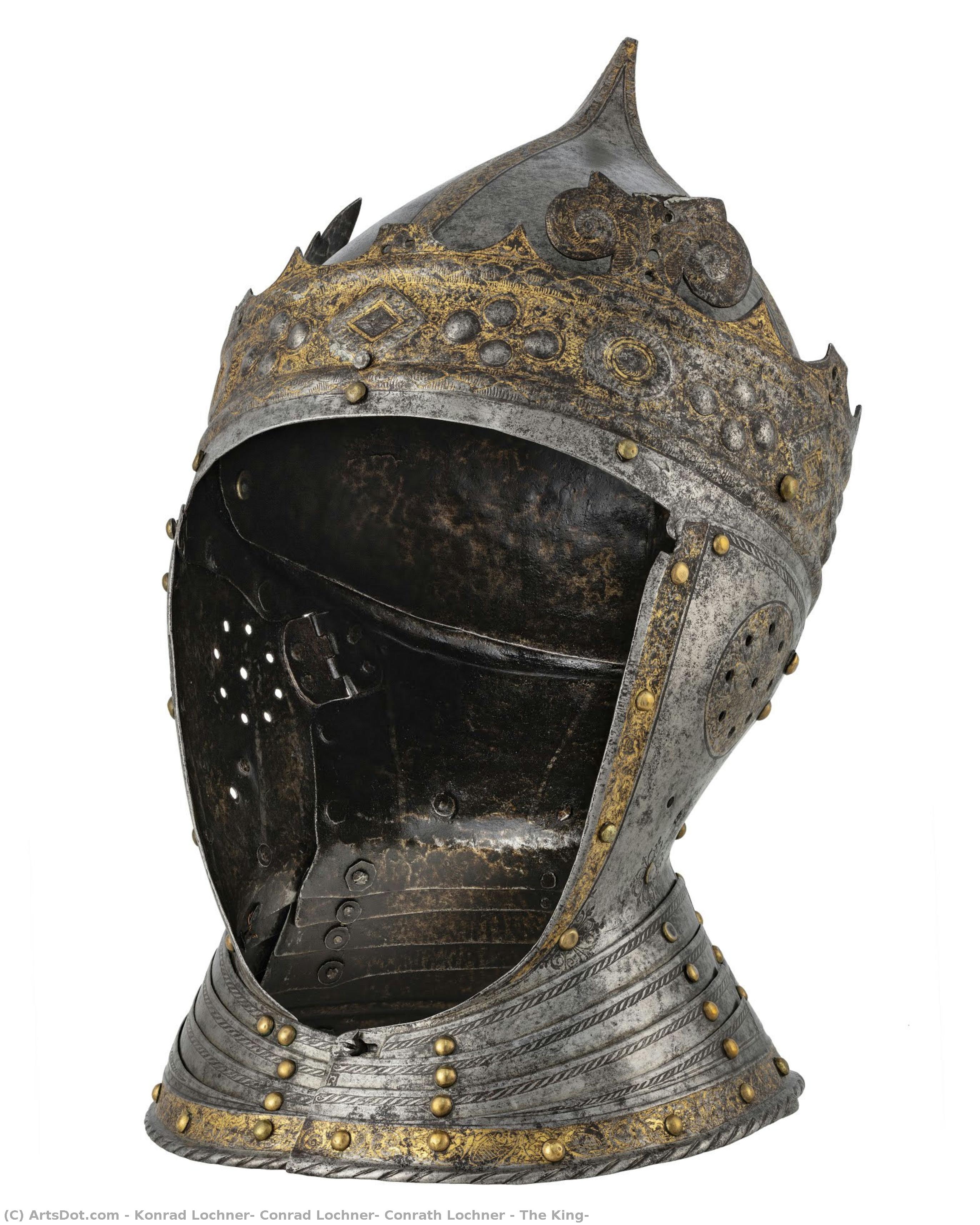
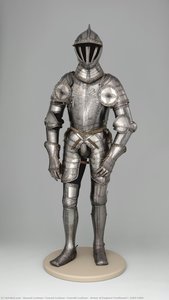
The King

 Ver más
Reproducción al óleo hecha a mano
Óleo sobre lienzo pintado a mano en el tamaño y marco de su elección, realizado por encargo por nuestros artistas. ( Comprar impresión Comprar imagen)




































Elija entre nuestros tamaños predefinidos que respetan las proporciones originales de la obra.

Puede ingresar sus propias dimensiones para adaptarse a un marco o espacio específico. Si el tamaño seleccionado no coincide con las proporciones de la imagen original, recortaremos la obra o extenderemos la pintura con elementos adicionales pintados a mano. Se le enviará una maqueta digital para su aprobación antes de comenzar la producción.
Tenga en cuenta que la vista previa en pantalla no refleja el recorte o la extensión reales. Solo la maqueta mostrará con precisión la composición final.
Si bien existen tamaños personalizados, recomendamos seleccionar una dimensión de la lista predefinida para preservar las proporciones originales.
Tras realizar el pedido, el equipo de ArtsDot.com enviará un correo electrónico al cliente para solicitar instrucciones y proporcionarle una vista previa del boceto.
Envío a todo el mundo () en 3-4 semanas en lugar de las 5 semanas estándar. (24 agosto). Sin comprometer la calidad.

Envío exprés gratuito a todo el mundo

Lienzo de lino de alta calidad

Seguro de envío total

Garantía de reembolso de impuestos aduaneros

Garantía de fidelidad cromática exacta

Política de devolución de 60 días (solo por defectos)

Garantía de devolución del 100% del dinero

Descuento por cantidad
 La opción de vidrio solo está disponible en tamaños inferiores a 110 cm.

The King
Técnica de reproducción
Dimensiones de la reproducción
-


Precio total final
$ 263
Obras relacionadas




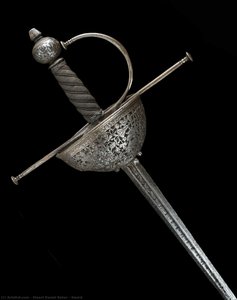
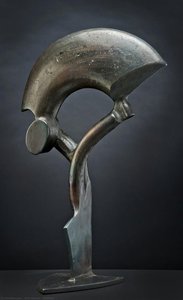
Biografía del artista
Kunz Lochner: The Master Armorer of Nuremberg’s Renaissance
Kunz Lochner (1510-1567) stands as a titan amongst the craftsmen of his era, an undisputed master armourer whose workshops produced some of the most breathtaking examples of Renaissance artistry and engineering. Born in Nuremberg, Germany—a city renowned for its burgeoning artistic patronage—Lochner’s legacy extends far beyond mere metalwork; it embodies the spirit of innovation and grandeur that characterized the Holy Roman Empire during its golden age. His father, also a skilled armourer, instilled in him a profound understanding of metallurgy and craftsmanship, shaping Lochner into an artist driven by both technical precision and aesthetic vision.Early Life & Training
Lochner’s formative years were spent honing his skills alongside his brothers, Heinrich and Hans, all dedicated to the art of armour making. This familial tradition ensured that Lochner received a comprehensive education in blacksmithing techniques and the intricacies of shaping metal into functional and decorative forms. The meticulous observation of his father's craft instilled in him an unwavering dedication to mastering the forge—a commitment that would define his entire artistic career. He learned from experience, absorbing knowledge passed down through generations of armourers—a tradition that prioritized both practicality and beauty.The Imperial Patronage: A Royal Recognition
Lochner’s ascent to prominence began with securing commissions from Emperor Ferdinand I and subsequently Maximilian II, marking him as one of the most sought-after artisans of his time. These royal patrons recognized Lochner's exceptional talent and entrusted him with crafting armour for military campaigns and ceremonial occasions—a testament to his reputation for excellence. The Habsburg court valued Lochner’s ability to elevate weaponry into works of art—demonstrating a remarkable fusion of engineering prowess and artistic sensibility. His designs reflected the humanist ideals prevalent in Renaissance art, prioritizing elegance and proportion alongside defensive capabilities.A Legacy Forged in Steel: Artistic Style & Technique
Lochner’s workshop produced armor that transcended mere protection; it was sculpture incarnate. He employed techniques honed over generations of armourers, utilizing cruciform hammering and chasing to achieve unparalleled levels of detail and surface texture. His designs incorporated flowing lines and elegant curves—a departure from the more rigid forms favored by earlier armourers—reflecting the humanist ideals prevalent in Renaissance art. Lochner’s meticulous attention to ornamentation included embossing, engraving, and inlaying precious metals like gold and silver, transforming armor into wearable masterpieces. He skillfully utilized iron ore and coal, transforming raw materials into durable plates adorned with intricate designs. The resulting armor possessed a remarkable visual richness—a testament to Lochner's mastery of metalworking techniques.Notable Commissions & Museum Collections
Among Lochner’s most celebrated achievements were commissions for Ferdinand I and Maximilian II, resulting in iconic pieces that exemplify the grandeur of the Habsburg court. The “Armor of Emperor Ferdinand I” remains a stunning demonstration of Lochner’s ability to blend practicality with artistic brilliance—a testament to his reputation for excellence. Specimens are housed in prestigious institutions across Europe, including the Royal Armoury in Stockholm, Dresden State Art Collections, the Army Museum in Paris, and The Metropolitan Museum of Art in New York City. These museums offer visitors a rare opportunity to examine firsthand the extraordinary artistry of Lochner—a symbol of Nuremberg’s artistic heritage and a cornerstone of Renaissance armour production. Examining Lochner's armor within these collections allows scholars to appreciate the meticulous detail and innovative techniques employed by this master craftsman.Historical Significance & Enduring Influence
Kunz Lochner's work represents more than just exceptional craftsmanship; it embodies the cultural dynamism of the Renaissance. His armor served as a visual embodiment of imperial power and prestige, reflecting the artistic sensibilities of his time. Lochner’s influence extended beyond his immediate commissions, shaping armour production standards for decades to come—establishing him as one of the most influential figures in the history of European metalwork. He elevated armour making to an art form—leaving an indelible mark on the visual culture of his era and inspiring subsequent generations of artisans.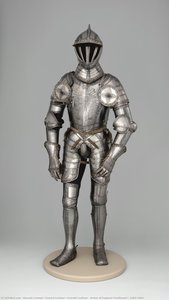
Kunz Lochner
1510 - 1567 , Alemania
Datos clave
- Artistic Movement Or Style: Renacimiento Armadura
- Date Of Birth: 1510 Nuremberg Alemania
- Date Of Death: 1567
- Full Name: Kunz Lochner
- Nationality: Alemania
- Notable Artworks:
- Armadura del Emperador Fernando I
- El Rey
- Place Of Birth: Nuremberg Alemania

